
Select Language:
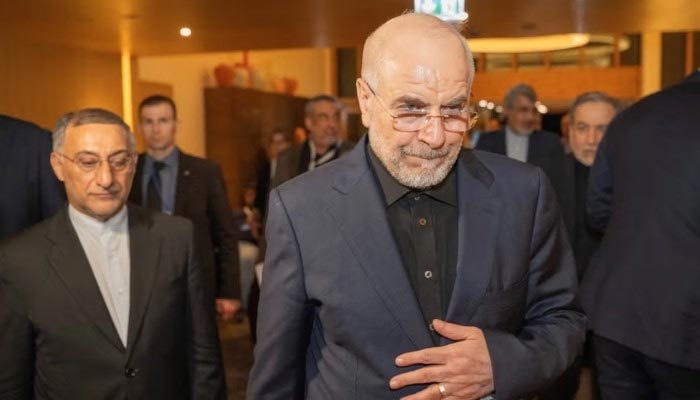
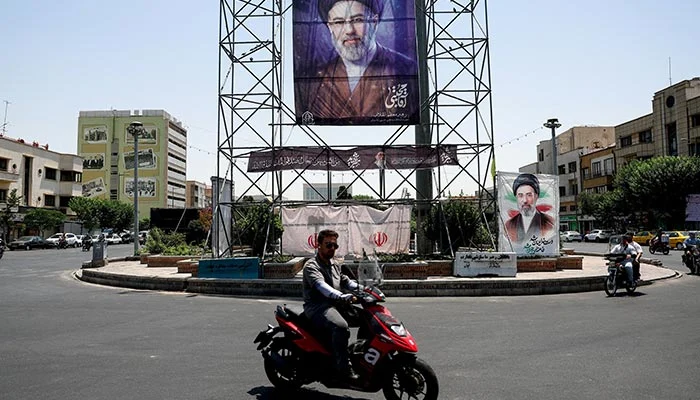
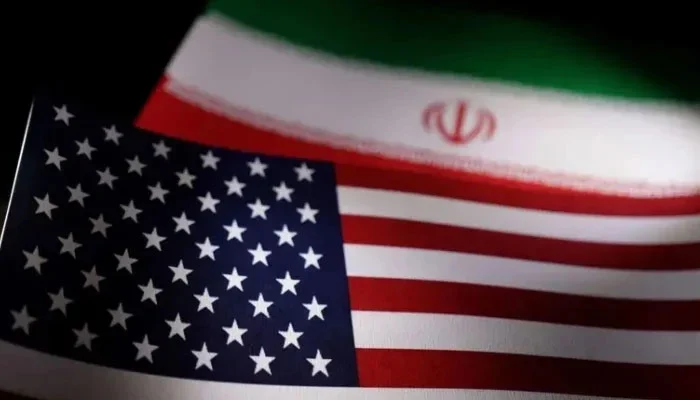
U.S. officials were in Doha on Tuesday, engaging with Qatari intermediaries to advance conversations with Iran, according to the Gulf nation’s statement. This comes after Tehran and Washington reached a memorandum of understanding earlier this month aimed at stopping the conflict in the Middle East.
Iran announced that a team would be heading to Doha later this week, but they contradicted U.S. President Donald Trump’s assertion that direct talks would occur. Qatar also clarified that no high-level or direct negotiations between the two nations were scheduled to take place in Doha.
Here’s what is currently known about the developments:
Who and When
On Monday, Trump claimed that Iran had requested new talks in Qatar on Tuesday, stating, “IT WILL TAKE PLACE TOMORROW IN DOHA!”
Qatar’s Foreign Ministry spokesperson, Majed Al Ansari, confirmed that Witkoff and Kushner were in Doha but emphasized they were not there specifically for negotiations with Iran. Instead, they were meeting with mediators and Qatari officials to discuss regional issues, including negotiations with Iran and Lebanon.
Meanwhile, Iranian Foreign Ministry spokesperson Esmaeil Baqaei stated Monday that a delegation of experts would only travel to Doha later this week for discussions related to the agreement, dismissing the idea of face-to-face U.S. negotiations at this stage. He indicated that final agreement negotiations have not yet commenced and that there would be no such meetings in the immediate future.
Key Issues on the Agenda
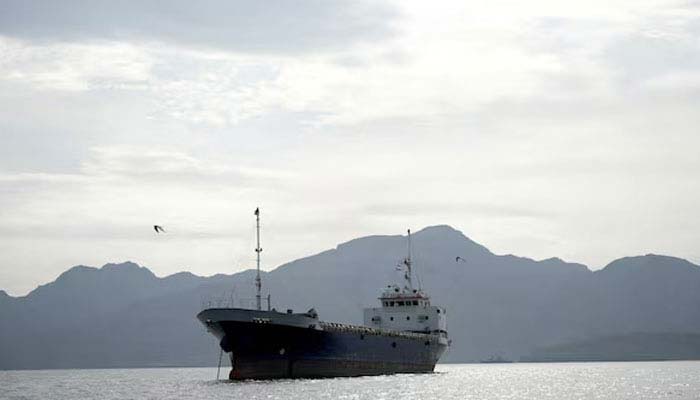
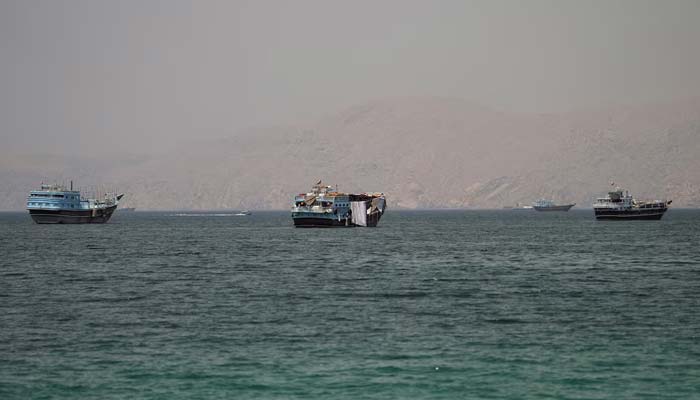
A primary concern remains Iran’s control over the strategic Strait of Hormuz, with discussions centered on reopening it after its closure. Traffic through the strait diminished over the weekend following an incident where a vessel was hit while passing through on Saturday.
A U.S. official indicated that talks would continue across all aspects of the memorandum of understanding (MoU). Iran has also recently engaged with Oman regarding the future management of vessels navigating the Hormuz Strait.
Another critical topic for Iran is the release of funds frozen due to U.S. sanctions. Iranian President Masoud Pezeshkian announced Monday that steps are being taken to unfreeze these assets, with an estimated $6 billion set to be released out of $12 billion held.
Baqaei added Tuesday that discussions are expected with Qatar probably on Wednesday about the measures for releasing Iran’s restricted assets.
Is Calm Returning in the Region?
Since the Iran-U.S. agreement, sporadic clashes have occurred in the Gulf. Iran’s enforcement of its claims over the Strait of Hormuz has repeatedly sparked tensions. The latest escalation happened early Sunday when the U.S. Central Command reported attacking ten Iranian military targets in response to ongoing Iranian aggression against commercial shipping. Iran retaliated with strikes against U.S. facilities in Kuwait and Bahrain, both of which condemned Tehran.
However, these hostilities seem to have diminished in the days leading up to the Qatar talks.
In Lebanon, the ongoing conflict between Israel and Hezbollah has also steadied somewhat recently. Tehran insists that any agreement should include an end to this parallel conflict and demand the withdrawal of Israeli troops from southern Lebanon, portions of which are still occupied. A pause in fighting was observed following the announcement of the Iran-U.S. deal.
 ChatGPT
 Perplexity
 Gemini AI
 Grok AI