
Select Language:
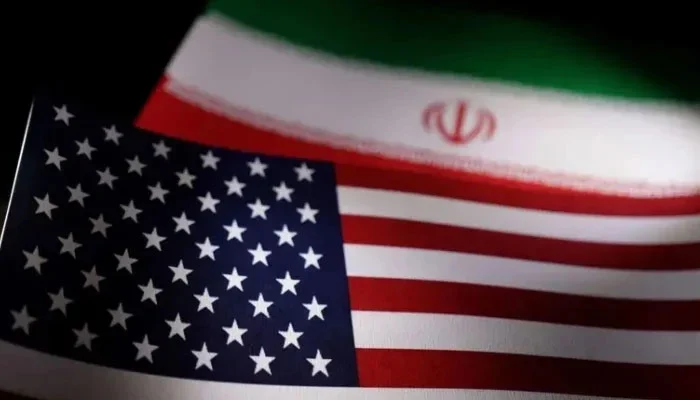
Iran’s foreign ministry announced they will not be meeting with the U.S. team in the upcoming days. The country maintains strict control over the Strait of Hormuz, including all demining activities. Meanwhile, Tehran is set to receive some of its previously frozen assets, prompting concern among Democrats.
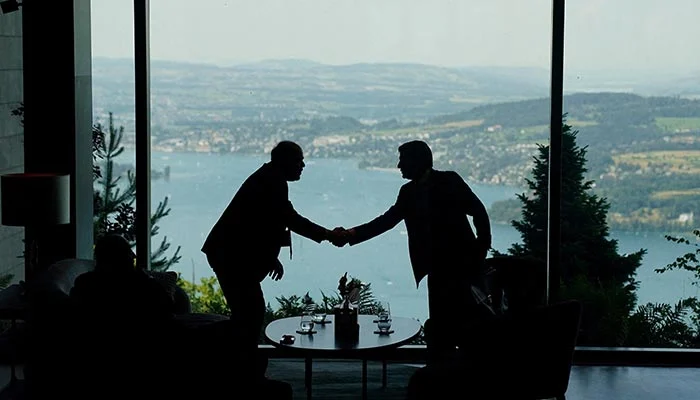
Negotiations between Iranian and U.S. delegations were scheduled to take place in Doha this week, but Iran stated on Monday that no meetings had been arranged. Over the weekend, missile exchanges from both sides tested the fragile ceasefire that aims to end the ongoing four-month conflict. U.S. President Donald Trump is dispatching his son-in-law Jared Kushner and Envoy Steve Witkoff to lead the U.S. negotiating efforts, according to his press secretary, Karoline Leavitt.
Iran is sending a technical team to Qatar, but Foreign Ministry spokesperson Esmaeil Baghaei clarified that this visit is unrelated to any planned talks with the Americans. “We will not hold any negotiations at any level with the U.S. side in the coming days,” he stated.
The uncertainty over whether the sides will meet highlights the delicate state of a June 17 agreement aimed at halting hostilities that have disrupted global oil shipping through the Strait of Hormuz, creating political challenges for Trump ahead of November’s congressional elections. The U.S. and Iran agreed to give at least 60 days to implement a 14-point memorandum of understanding focused on extending an April ceasefire, addressing Iran’s nuclear program, and negotiating a lasting truce. Progress has been slow, with both sides accusing each other of violating the terms.
Following U.S. and Israeli strikes on Iran on February 28, maritime traffic through the Strait of Hormuz came to a near halt. This narrow waterway previously accounted for about 20% of global oil trade. Israel has distanced itself from the U.S.-Iran peace negotiations, and tensions have complicated efforts to resolve conflicts in Lebanon, where Iran-backed Hezbollah’s ally, Parliament Speaker Nabih Berri, expressed doubts about a separate U.S.-brokered agreement between Lebanon and Israel designed to stop ongoing hostilities.
The closure of the crucial waterway caused oil prices to exceed $100 per barrel, fueling global inflation and adding pressure on Trump during the midterm election cycle. Some Republican critics have accused the president of initiating conflicts without Congressional approval.
An Iranian official indicated there would be a meeting in Doha on Tuesday, focusing specifically on managing the Strait and de-escalating tensions. Separate technical discussions between the U.S. and Iran are also expected to occur with mediators from Qatar and Pakistan on Wednesday.
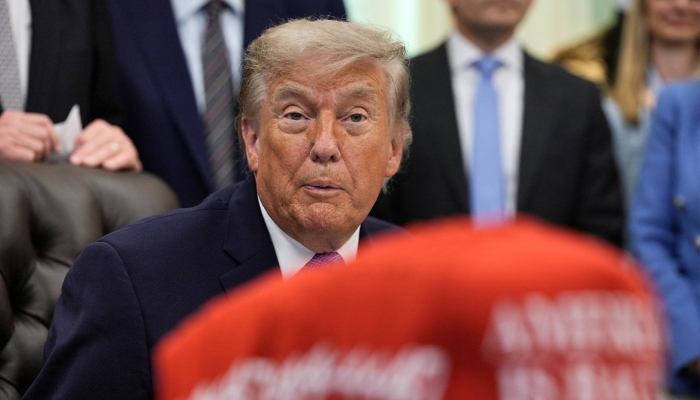
In Washington, President Trump remarked on the upcoming Doha talks, saying, “The meeting could be important, or it might not. We’ll find out.” He also affirmed that the U.S. is “winning militarily” and reiterated the goal of preventing Iran from developing nuclear weapons.
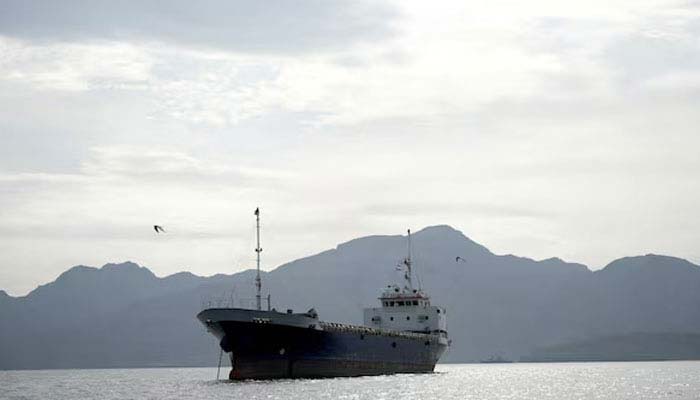
Iran is asserting control over the Strait of Hormuz, planning to charge fees for ships passing through and obstructing vessels that deviate from designated transit routes. Recent days have seen Iran allegedly attack at least two commercial ships with missiles or drones, prompting U.S. military strikes against Iranian targets. Conversely, Iran launched missiles and drones at U.S. military positions in Kuwait and Bahrain early Sunday.
Witkoff and Secretary of State Marco Rubio briefed Congress via phone on Iran Monday. While lawmakers from both parties described the discussion as brief, some Republicans deemed it “constructive,” whereas top Senate Democrat Chuck Schumer criticized it as “deficient and lacking detail,” accusing the Trump administration of gaining little from the confrontation and allowing Iran to benefit financially from oil revenues while maintaining leverage over the Strait.
Iranian President Masoud Pezeshkian announced that $6 billion of the $12 billion in assets frozen in Qatar would be released back to Iran. He called the agreement, which includes U.S. waivers on sanctions for Iran’s oil and petrochemical sectors, “a significant victory for the Iranian people.” Oil prices increased by over 1% following recent hostilities, reflecting ongoing vulnerability in U.S.-Iran relations.
French President Emmanuel Macron stated he is working with Oman to reduce tensions and coordinate efforts to de-mine the Strait of Hormuz. However, Iran’s Deputy Foreign Minister Kazem Gharibabadi responded via social media that Iran intends to handle demining alone, in accordance with the 14-point plan, warning France not to complicate the situation further.
 ChatGPT
 Perplexity
 Gemini AI
 Grok AI