
Select Language:
Iran and the U.S. have agreed to cease hostilities in the Persian Gulf and restart discussions concerning their conflict over the Strait of Hormuz, according to a U.S. official on Sunday. This development offers hope of preserving a temporary peace agreement amid recent exchanges of strikes that have heightened tensions.
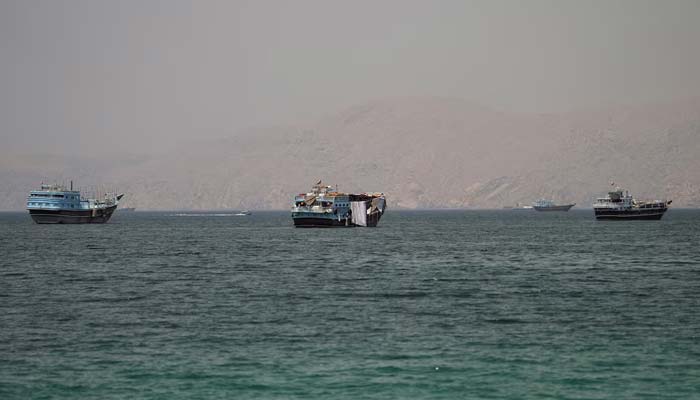
“Technical negotiations are expected to continue on all aspects of the Memorandum of Understanding (MOU). Both parties will temporarily stand down, allowing vessels to move freely,” the official stated. The MOU, signed on June 17, outlines the reopening of the Strait of Hormuz for maritime traffic.
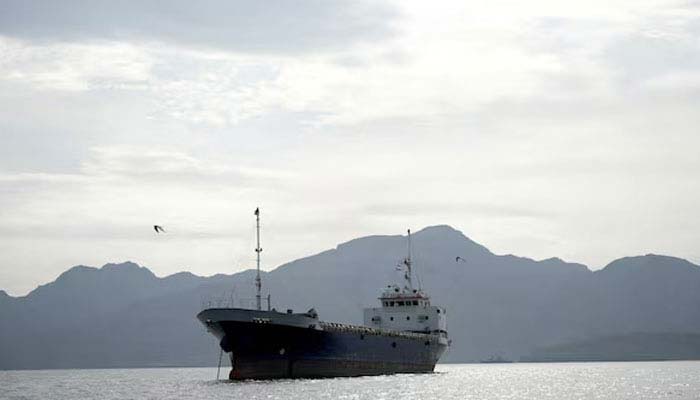
Axios, reporting first on the ceasefire, cited a senior U.S. official indicating that discussions will reconvene Tuesday in Qatar. This diplomatic effort follows days of tit-for-tat military actions triggered after Iran attacked a cargo vessel in the Strait of Hormuz last week, with both nations accusing each other of violating the ceasefire agreement brokered in June.
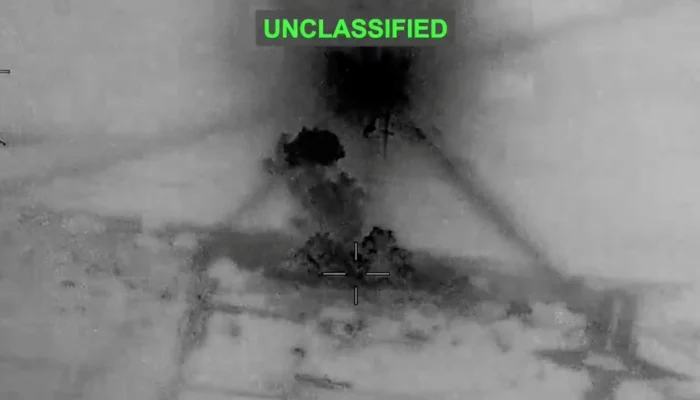
Earlier on Sunday, Iran launched missile and drone strikes against U.S. military targets in Kuwait and Bahrain, shortly after President Donald Trump warned that Iran risks its existence if it refuses to honor commitments to cease hostilities.
Concurrently, Israel reported striking Iranian-backed Hezbollah positions in southern Lebanon again, destroying underground facilities used by the group. This strike followed a recent ceasefire agreement with Lebanon. Iran has emphasized that the conflict in Lebanon must end if the broader peace efforts are to succeed.
The U.S. military also conducted strikes on Iran following an attack on a commercial tanker in the Strait, a critical global energy shipping route that Iran has largely hindered during the ongoing conflict.
Trump, expressing increasing frustration, warned on social media that if Iran refuses to abide by the peace process, the U.S. might be compelled to “militarily complete the job” they initially began, declaring, “The Islamic Republic of Iran will no longer exist!”
The initial 14-point peace plan was designed to stop the violence instigated by the U.S. and Israel, which started on February 28, involve reopening the Strait of Hormuz, and facilitate negotiations on Iran’s nuclear program.
Despite a recent round of mediated talks led by U.S. Vice President JD Vance and Iranian parliamentary speaker Mohammad Baqer Qalibaf in Switzerland, fighting has continued and even intensified after the U.S. waived some sanctions on Iran.
Shortly after Trump’s warning, Kuwait reported its air defenses intercepting missile and drone attacks, and Bahrain issued alerts of siren sounds in response to what was described as an Iranian attack, damaging a residential building with no reported casualties. Bahrain has urged the UN Security Council to hold an urgent session to address Iran’s actions.
Kuwait also intercepted two ballistic missiles, with no casualties or damage reported. Meanwhile, Qatar announced that one of its citizens died from shrapnel injuries resulting from a vessel incident linked to military operations, with another person injured during the same event, details of which remain unclear.
 ChatGPT
 Perplexity
 Gemini AI
 Grok AI