الوسم: negotiations

  • Iran Claims Progress on Strait of Hormuz Deal, but Waterway Remains Blocked

    Iran Claims Progress on Strait of Hormuz Deal, but Waterway Remains Blocked

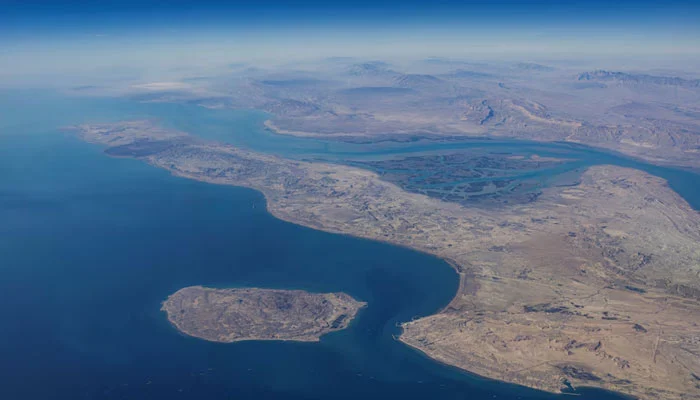
    Iran has indicated that negotiations with Oman regarding control of the Strait of Hormuz are nearing completion, but additional actions are necessary before the waterway can be fully reopened. The United Arab Emirates reports that Iran has targeted another vessel in the strait with a missile, with no injuries reported.

    Iran stated Saturday that an agreement with Oman is close, but emphasized that it alone won’t resolve issues related to the strait. The UAE also reports that Iran launched a missile strike on a ship passing through the strait. Tensions have escalated as Iran responded to recent US attacks by striking at US military bases in the Gulf region and Jordan, along with targeting merchant vessels in the critical shipping corridor, which before the conflict carried about 20% of the world’s oil and gas exports.

    An unnamed US official mentioned that Washington expects an imminent deal between Iran and Oman, both of whom border the strait, which could allow for the resumption of normal oil shipments. Iran’s Foreign Minister Abbas Araghchi said that Iran and Oman are very close to agreeing on a new shipping route but that the reopening hinges on other factors, including US compensation. Iran’s top national security officials listed additional demands, such as ending US threats, stopping hostilities against Iran’s allies, lifting sanctions, and freeing Iranian assets.

    Oman has condemned repeated attacks on vessels passing through the strait but characterized negotiations with Iran as positive and constructive. It asserted the importance of avoiding actions that could hinder progress. Iran has rejected the previous traffic separation scheme and is discussing a temporary route with Oman while resolving technical and legal issues for a permanent solution.

    Iranian President Masoud Pezeshkian expressed optimism about reaching an agreement, citing national cohesion and the country’s strength in the ongoing conflict. Iran’s recent actions include targeting US bases and attacking shipping in the strait, which was a major route for energy exports before the conflict escalated.

    The UAE reports that Iran attacked a vessel operated by its national oil company with a missile, though no injuries occurred. A UK maritime source mentioned a vessel caught fire after being hit by an unknown projectile, but the fire was extinguished without environmental impact. Iranian officials have not yet responded.

    In recent weeks, the US has suggested that a resolution allowing for the opening of the strait could be near, although Iran counters that no formal negotiations are underway. A US official indicated that once an agreement restores free commercial shipping, the US would lift sanctions on Iranian ports, contingent upon Iran fulfilling its commitments.

    Iran’s Revolutionary Guard claims that the reopening of the strait depends on Washington accepting Iran’s conditions and remains separate from Iran-Oman negotiations. A high-level Iranian source told Reuters that a proposed deal might grant Iran some control over ships entering the Gulf through the strait, which would be a significant concession. The US has consistently rejected Iran’s control over this strategic trade route for energy, and it remains uncertain if the terms of this new deal are acceptable to the US.

    Iran has leveraged hostilities to impose a toll on oil tankers and to justify attacking vessels that attempt to cross the strait without permission, leading to disruptions in global energy supplies, rising prices, and increased inflation.
  • Qatar’s Insights on US-Iran Deal: Key Highlights

    Qatar’s Insights on US-Iran Deal: Key Highlights

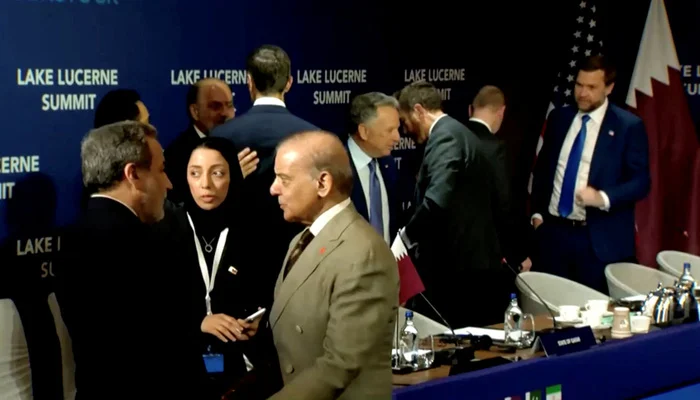
    U.S. officials were in Doha on Tuesday, engaging with Qatari intermediaries to advance conversations with Iran, according to the Gulf nation’s statement. This comes after Tehran and Washington reached a memorandum of understanding earlier this month aimed at stopping the conflict in the Middle East.

    Iran announced that a team would be heading to Doha later this week, but they contradicted U.S. President Donald Trump’s assertion that direct talks would occur. Qatar also clarified that no high-level or direct negotiations between the two nations were scheduled to take place in Doha.

    Here’s what is currently known about the developments:

    Who and When

    On Monday, Trump claimed that Iran had requested new talks in Qatar on Tuesday, stating, “IT WILL TAKE PLACE TOMORROW IN DOHA!”

    Qatar’s Foreign Ministry spokesperson, Majed Al Ansari, confirmed that Witkoff and Kushner were in Doha but emphasized they were not there specifically for negotiations with Iran. Instead, they were meeting with mediators and Qatari officials to discuss regional issues, including negotiations with Iran and Lebanon.

    Meanwhile, Iranian Foreign Ministry spokesperson Esmaeil Baqaei stated Monday that a delegation of experts would only travel to Doha later this week for discussions related to the agreement, dismissing the idea of face-to-face U.S. negotiations at this stage. He indicated that final agreement negotiations have not yet commenced and that there would be no such meetings in the immediate future.

    Key Issues on the Agenda

    A primary concern remains Iran’s control over the strategic Strait of Hormuz, with discussions centered on reopening it after its closure. Traffic through the strait diminished over the weekend following an incident where a vessel was hit while passing through on Saturday.

    A U.S. official indicated that talks would continue across all aspects of the memorandum of understanding (MoU). Iran has also recently engaged with Oman regarding the future management of vessels navigating the Hormuz Strait.

    Another critical topic for Iran is the release of funds frozen due to U.S. sanctions. Iranian President Masoud Pezeshkian announced Monday that steps are being taken to unfreeze these assets, with an estimated $6 billion set to be released out of $12 billion held.

    Baqaei added Tuesday that discussions are expected with Qatar probably on Wednesday about the measures for releasing Iran’s restricted assets.

    Is Calm Returning in the Region?

    Since the Iran-U.S. agreement, sporadic clashes have occurred in the Gulf. Iran’s enforcement of its claims over the Strait of Hormuz has repeatedly sparked tensions. The latest escalation happened early Sunday when the U.S. Central Command reported attacking ten Iranian military targets in response to ongoing Iranian aggression against commercial shipping. Iran retaliated with strikes against U.S. facilities in Kuwait and Bahrain, both of which condemned Tehran.

    However, these hostilities seem to have diminished in the days leading up to the Qatar talks.

    In Lebanon, the ongoing conflict between Israel and Hezbollah has also steadied somewhat recently. Tehran insists that any agreement should include an end to this parallel conflict and demand the withdrawal of Israeli troops from southern Lebanon, portions of which are still occupied. A pause in fighting was observed following the announcement of the Iran-U.S. deal.

  • DPM Dar: Harder US-Iran Talks Ahead, Final Deal Possible

    DPM Dar: Harder US-Iran Talks Ahead, Final Deal Possible

    Deputy Prime Minister and Foreign Minister Ishaq Dar stated that the upcoming phase of talks between the U.S. and Iran may be more challenging, yet he remains hopeful that a conclusive agreement is attainable. In an interview with an Arab news outlet, Dar indicated Iran would opt to reduce its uranium enrichment levels instead of exporting its current uranium stockpiles, which aligns with Washington’s original goal of having those reserves removed from Iran. He mentioned the formation of three technical working groups focused on nuclear issues, frozen assets, and Lebanon-related concerns to facilitate the broader negotiations.

    Dar further revealed that ships passing through the Strait of Hormuz would be permitted to transit free of tariffs for 60 days, paying only standard navigation or service fees, under the terms of the recent understanding. He attributed the negotiation leadership to President Donald Trump and highlighted the backing from Saudi Arabia, Qatar, Egypt, and the United Arab Emirates for the mediation process.

    He viewed the arrangement as positive, emphasizing that it contained “no negative points,” and expressed optimism about reaching a comprehensive settlement despite potential obstacles ahead. Mediation efforts between the U.S. and Iran have shown “encouraging progress” in first-round talks aimed at ending the Middle East conflict, although disagreements linger over Lebanon and the Strait of Hormuz’s security.

    A joint statement from Pakistan and Qatar, mediators in these talks, announced that the U.S. and Iran have agreed on a roadmap to a final deal within 60 days. Technical discussions are scheduled to continue at the Swiss mountain resort of Bürgenstock for the rest of the week, according to the statement from Qatar’s foreign ministry. The parties also agreed on mechanisms to stop hostilities in Lebanon between Israel and Hezbollah, aligned with Iran, and established a communication channel to ensure the safe passage of commercial ships through the strait, a critical route for global oil supplies.

    Vice President JD Vance stated that the initial round of U.S.-Iran negotiations in Switzerland laid a solid foundation for ultimately concluding the Middle East conflict. Pakistan reaffirmed its commitment to fostering dialogue and diplomacy in pursuit of a peaceful, lasting resolution.

    Prime Minister Shehbaz Sharif commended both the U.S. and Iran for their ongoing dedication to constructive engagement. He extended thanks to friendly and brotherly countries for their support in advancing what he called a historic diplomatic process, with special gratitude towards Qatar for its pivotal role and the Swiss government for hosting the talks.

  • Potential Obstacles to a Final US-Iran Agreement

    Potential Obstacles to a Final US-Iran Agreement

    When U.S. and Iranian negotiators sit down in Switzerland on Friday after nearly four months of conflict, the stakes are incredibly high, facing numerous challenges that could jeopardize efforts for a comprehensive peace deal.

    While a breakthrough isn’t out of the question, most analysts doubt that the two sides can finalize a comprehensive agreement within the 60-day timeframe outlined in the recent “memorandum of understanding,” approved this week by President Donald Trump and Iranian leaders.

    This interim agreement defers the most contentious issues to later negotiations, with no certainty they will ever be resolved. Potential obstacles include:

    Nuclear Program Disputes
    Iran’s nuclear ambitions—cited by Trump as the main reason for military intervention—may unravel the talks. Trump claims Iran has committed to not developing nuclear weapons, but this aligns with Tehran’s longstanding pledges. Disagreements could arise over Iran’s stockpile of near-weapons-grade uranium, which Trump wants shipped out or destroyed. Iran prefers to maintain or dilute it, raising tensions.

    The future of Iran’s uranium enrichment is another flashpoint. The U.S. has demanded zero enrichment, while Iran insists on its right to enrich. Talks have previously discussed a possible moratorium lasting from 5 to 20 years, but reaching a compromise remains difficult. Additionally, whether Iran will accept international inspections as per the 2015 nuclear deal—abandoned by Trump in 2018—is also uncertain.

    Strait of Hormuz Issues
    Questions linger about reopening the Strait of Hormuz, which Iran temporarily blocked following US and Israeli strikes in late February, causing global oil supply disruptions. Under the agreement, the waterway, vital to transporting one-fifth of the world’s oil, will reopen this Friday. However, shippers remain cautious. The U.S. promises toll-free transit, while Iran, which gained leverage by controlling the channel, wants a management role.

    Sanctions and Frozen Assets
    Iran seeks rapid lifting of sanctions and release of billions in frozen funds, but the U.S. advocates for a gradual easing tied to compliance. The agreement suggests Iran can immediately sell oil again, a gesture that has drawn criticism from Iran hawks who accuse Trump of conceding too much early on.

    However, Trump seems reluctant to release funds to Iran quickly, and this agreement is seen by some as reminiscent of the 2015 deal under Obama, which Trump criticized for returning Iranian funds.

    Israel’s Role as a Possible Spoiler
    Israeli Prime Minister Benjamin Netanyahu, who influenced Trump’s decision to initiate the war, has stated that Israel is not bound by any U.S.-Iran agreement in its efforts against Hezbollah in Lebanon. Although hostilities in Lebanon have cooled, further flare-ups could threaten the negotiations. Iran insists that a ceasefire is necessary for the deal to proceed.

    Negotiating Styles Clash
    There could be friction due to differing negotiating approaches. The U.S. team, including Vice President JD Vance, envoy Steve Witkoff, and Jared Kushner, prefers quick results, whereas Iran favors prolonged negotiations. Past rounds have failed partly because of these differences, risking a repeat.

    President Trump claims these negotiations will be “easier” than previous rounds, driven by domestic pressure over high gasoline prices and Iran’s weakened military and economic state. Yet, the U.S. team might lack the technical depth required, and veteran negotiators may prolong talks, similar to the lengthy two-year process that finalized the 2015 deal.

    Even if an agreement is achieved, doubts about implementation remain. Trump facilitated a ceasefire last year in the Gaza conflict, but progress has stalled since then.

    Distrust and Mistrust Factors
    Iran’s suspicions of Trump are deep, especially given his previous aggressive actions amid ongoing talks. The position of Iran’s Supreme Leader, Ayatollah Mojtaba Khamenei—a more hardline figure than his predecessor—could influence negotiations, given his history of hostility toward the U.S. and Israel.

    Both sides are wary, with U.S. officials concerned Iran might stall or deceive, just as they believe Iran believes the U.S. might do. If differences aren’t bridged, limited agreements or extended negotiations are possibilities, with the risk that hostilities could reignite.

    Additional Risks for the Negotiations

    • If Trump yields to hawkish Pressure and resists making concessions
    • If divergences in interpreting the memorandum lead to unrealistic expectations
    • If Trump issues aggressive threats similar to past confrontations, prompting Iran to walk away
  • Trump demands clear red lines amid ongoing Iran deal talks

    Trump demands clear red lines amid ongoing Iran deal talks

    President Donald Trump points his finger during a cabinet meeting in the White House Cabinet Room in Washington, D.C., on May 27, 2026. — Reuters

    Trump discussed options in a two-hour meeting held in the Situation Room. No definitive decision was made after the White House talks on Friday. Iran states it aims to reach a respectful framework to end the ongoing dispute.

    An Iranian state media outlet challenged several of Trump’s assertions about the deal, with officials describing his comments as a mix of truth and falsehoods. Sources informed AFP that negotiations had paused, awaiting Trump’s approval following weeks of stalled discussions over a conflict that has destabilized the Middle East and impacted the global economy.

    Trump participated in a two-hour meeting in the White House Situation Room on Friday but did not finalize a decision. A White House spokesperson told AFP, “President Trump will only agree to a deal that benefits America and meets his non-negotiable conditions,” reaffirming that “Iran must never develop nuclear weapons.”

    Trump publicly announced the meeting via social media, reiterating key demands that Iran commit to never pursuing nuclear weapons and reopen the strategic Strait of Hormuz shipping lane.

    Iranian Foreign Ministry spokesperson Esmaeil Baqaei responded, telling state media that Iran had “moved beyond the language of ‘must’” 47 years ago. He stated ongoing communications, but clarified that “no final agreement has been reached yet.”

    In a call with Qatar’s Emir, President Masoud Pezeshkian expressed Iran’s willingness to establish a “dignified framework” to end the conflict, according to IRNA.

    Trump claimed that Iran would remove mines from the Strait of Hormuz and end its blockade of the waterway without tolls, while the U.S. would lift its sanctions on Iranian ports. He added that both nations would work together to remove and destroy Iran’s enriched uranium, with no monetary exchanges happening “until further notice.”

    However, Iran’s Fars news agency cited sources asserting that Tehran was insisting on the “immediate release of $12 billion in frozen Iranian assets” before progressing in negotiations. Regarding the Strait of Hormuz reopening, sources claimed that “such a clause does not exist in the current draft” and that Trump’s statement about destroying Iran’s nuclear materials is “entirely unfounded.”

    Baqaei also told Iranian state TV there are currently “no negotiations” ongoing concerning Iran’s nuclear program, with Iran’s top diplomat accusing the U.S. of delaying a deal with its stance on talks.

    A resident of Tonekabon, north of Tehran, named Ali, remarked that regardless of the agreement, more conflicts are likely. “Both sides are saying what they need to to satisfy their supporters. It’s hard to tell who is telling the truth,” he said, age 49.

    Optimism about diplomatic progress briefly surged on Thursday after U.S. officials expressed hope for an agreement. Markets for energy commodities experienced volatility as investors gauged the prospects of a deal that could restore shipping through the strategic Strait of Hormuz.

    Both Washington and Tehran have accused each other of breaching the truce in the Strait this week, with the U.S. conducting strikes on Bandar Abbas and Iran retaliating with fire.

    Iranian state media reported that 24 ships had passaged the strait in the past 24 hours, coordinating with the Revolutionary Guards and the foreign ministry. Still, Iran warned that “ships from hostile nations will face a serious response” from its military.

    On the Lebanon front of the conflict, Israeli Prime Minister Benjamin Netanyahu announced that Israeli forces had advanced deeper into Lebanon. Hezbollah claimed responsibility for drone attacks on military targets in northern Israel, including troop gatherings and bases, and alleged attacks on Israeli forces near the historic Beaufort fortress close to Nabatieh.

    These incidents occurred as Israeli and Lebanese military representatives held “productive” security talks in Washington, according to Pentagon Deputy Elbridge Colby. Israel continued heavy bombardments in southern Lebanon, resulting in the Lebanese health ministry reporting 11 deaths, including a rescue worker.

    A ceasefire between Israel and Hezbollah, supposed to be in place since April 17, has yet to be observed, with both sides accusing each other of violations and justifying continued hostilities. Lebanon entered the conflict in early March when Hezbollah launched rocket attacks on Israel in retaliation for the killing of Iran’s Supreme Leader in recent US-Israeli strikes, which prompted Israeli military responses and a ground invasion.

  • US and Iran Expected to Reveal Peace Draft Within 24 Hours

    US and Iran Expected to Reveal Peace Draft Within 24 Hours

    The United States and Iran are anticipated to announce the completion of a draft peace agreement aimed at ending conflict on all fronts within the next 24 hours, according to sources cited by the Washington Times. Key negotiators from both nations, including Iranian Parliament Speaker Bagher Ghalibaf, U.S. Vice President JD Vance, special envoy Steve Witkoff, and Jared Kushner, President Trump’s son-in-law, have reportedly endorsed the draft.

    The news follows President Trump’s indication that he would consult with advisers on Iran’s latest draft agreement and potentially reach a decision by Sunday, as reported by Axios. The draft peace proposal has been forwarded to leaders of both countries for their final approval.

    If the agreement is finalized, it could transform the current fragile six-week ceasefire into a lasting peace. However, details of the proposed deal remain unclear, especially regarding major issues like Iran’s nuclear program and its demands for sanctions relief.

    Notably, Pakistan’s military and civilian leadership, including Chief of Defense Forces and Army Chief Field Marshal Asim Munir, played a crucial role in mediating between the U.S. and Iran. Munir’s efforts involved multiple high-level meetings to facilitate the drafting and submission of the agreement to both sides’ leaderships. Meanwhile, a delegation from Qatar has also arrived in Tehran as part of the diplomatic efforts to secure a final deal.

    In Washington, signs of progress are evident, with Vice President Vance unexpectedly returning from Ohio, and President Trump preparing for a conference call with Middle Eastern leaders after gathering his national security team at the White House. Iran’s Foreign Ministry has confirmed that Tehran is focused on finalizing a memorandum of understanding with the U.S. at this stage.

    Additionally, the Financial Times reported, citing sources familiar with the negotiations, that mediators are close to extending a ceasefire between the U.S. and Iran by 60 days and establishing a framework for discussions on Iran’s nuclear activities. The proposed deal might include reopening the Strait of Hormuz gradually, negotiations on reducing or transferring Iran’s enriched uranium stockpile, and steps by Washington to ease restrictions on Iranian ports and sanctions.

  • Iran’s Peace Proposal Offers War Reparations & US Troops Exit

    Iran’s Peace Proposal Offers War Reparations & US Troops Exit

    Tehran’s latest peace proposal to the U.S. involves stopping hostilities across all borders, including Lebanon, removing U.S. troops from areas close to Iran, and compensating for damages caused by the U.S.-Israeli conflict, according to state media reports on Tuesday.

    In Tehran’s initial response to the offer, Deputy Foreign Minister Kazem Gharibabadi stated that Iran also wants sanctions lifted, the release of frozen funds, and an end to the U.S. Marine blockade. These details were reported by IRNA news agency.

    The terms outlined in Iran’s reports seem largely similar to previous offers that U.S. President Donald Trump dismissed last week, branding it as “garbage.” On Monday, Trump announced he paused an imminent attack on Iran after Tehran submitted a new peace proposal, suggesting there’s a strong possibility of reaching an agreement to limit Iran’s nuclear program.

    It’s unclear whether preparations for strikes had been made, which could signal a restart of Trump’s military actions initiated in late February. Under pressure to reopen the crucial Strait of Hormuz — an essential route for global oil and commodity supplies — Trump previously expressed optimism about a near-agreement and threatened severe strikes if Iran refused to cooperate.

    Trump also tweeted that leaders from Qatar, Saudi Arabia, and the UAE had urged him to delay the attack because “a deal will be made, acceptable to the U.S., Middle East, and beyond.”

    A Pakistani source confirmed that Islamabad, which has been mediating between the sides since hosting the only round of peace negotiations last month, shared Iran’s proposal with Washington.

    Although both parties haven’t publicly revealed concessions, a senior Iranian official indicated that the U.S. might be softening some of its demands. The official noted the U.S. agreed to release a quarter of Iran’s frozen assets held abroad — totaling tens of billions of dollars — though Iran seeks the full amount. Additionally, Washington has shown more flexibility in allowing Iran to continue some peaceful nuclear activities under the supervision of the International Atomic Energy Agency.

  • What’s in the Iran War End Deal and Hormuz Reopening Talks?

    Vessels traverse the Strait of Hormuz near Musandam, Oman, on May 6, 2026. — Reuters/File

    As the stalemate surrounding Iran’s ongoing conflict threatens to destabilize the global economy, both Washington and Tehran have dialed down their efforts toward a comprehensive peace agreement, now favoring a limited deal that postpones the toughest issues.

    Here’s what is currently known about the proposals being discussed and the unresolved major disagreements fueling the conflict:

    Current Status of Negotiations
    Sources from both sides indicate that recent diplomatic efforts are focused on a temporary memorandum of understanding designed to pause the war and permit shipping through the Strait of Hormuz while more extensive negotiations continue. This outline would occur in three phases: officially ending the conflict, addressing the crisis over the Strait, and establishing a 30-day window for broader discussions. However, gaps remain, even in this limited framework. Any comprehensive agreement would need to tackle persistent disputes like Iran’s nuclear program, a subject that took years of arduous negotiations and technical expertise to address in the 2015 deal, which was ultimately abandoned by the U.S. in 2018.

    Main Issues in Negotiation

    • Ending the Conflict: U.S. President Donald Trump asserts the war is nearing its end, achievable if Iran accepts certain conditions. Iran remains distrustful, citing recent unannounced attacks during ceasefire periods, in Gaza and Lebanon, which Tehran attributes to Israeli attacks and fears that truces won’t hold without external guarantees.
    • Strait of Hormuz and Gulf Blockade: Iran claims control over the Strait of Hormuz, while the U.S. enforces a blockade on Iranian ports. Both nations are suffering economically; Iran’s oil exports are hampered, risking storage shortages and production cuts, and the blockade has ignited a global energy crisis ahead of U.S. midterm elections. Iran demands official recognition of its authority over Hormuz, though this is unlikely to gain international support.
    • Nuclear Program: The U.S. suspects Iran is intent on developing a nuclear weapon, which Iran denies, insisting its program is solely peaceful. The core dispute centers around Iran’s uranium enrichment capabilities and the stockpile of highly enriched uranium. A potential deal might involve a long-term freeze on enrichment activities and uranium exports, but substantial disagreements remain.
    • Ballistic Missile Program: The U.S. previously insisted Iran limit missile ranges to prevent threats to Israel. While Iran claims its missile stockpiles have been degraded, it refuses to discuss its ballistic arsenal, asserting its right to conventional weapons.
    • Sanctions and Frozen Assets: Iran’s economy continues to suffer from sanctions, prompting calls for their removal, alongside demands for compensation for wartime damages—though U.S. reluctance complicates this. Iran also asserts that any peace deal should include the inclusion of Israel’s actions against Hezbollah, a point opposed by Israel.

    Perspectives of Israel and Gulf States
    Israel remains outside direct negotiations, with Prime Minister Netanyahu potentially reluctant to end hostilities and unwilling to include his campaign against Hezbollah in a deal involving Washington and Tehran. Gulf nations are divided; they face persistent threats from Iran and oppose any agreement that would allow Iran to continue attacks or exert control over the Strait. They worry about being sidelined and feel their security needs might not be prioritized.

    Potential Roles for Europe, China, and Russia
    European nations—especially France, Germany, and the UK—who participated actively in the 2015 nuclear deal, are interested in mediating any future agreements, especially concerning free passage through Hormuz. China, a significant importer of Gulf oil passing through the Strait, might serve as a guarantor, although Iran has shown no clear interest in such a role. Similarly, Iran may seek Russia’s involvement in managing its uranium stockpiles, but U.S. acceptance of this remains uncertain.

  • Trump: Iran Deal Possible, Warns of Strikes if Talks Fail

    President Donald Trump attended an event honoring Military Mothers Day in the East Room at the White House in Washington, D.C., on May 6, 2026. — Reuters

    • Trump asserts Iran would surrender its enriched uranium to the U.S.
    • The U.S. suspends military efforts to reopen the Strait of Hormuz.
    • Reports suggest the U.S. and Iran are close to a one-page agreement on nuclear negotiations.

    Washington, D.C.: President Donald Trump expressed optimism about a potential deal with Iran, stating, “A resolution is very possible,” but warned that if negotiations collapse, military action could resume. Despite this, Iran has yet to respond to a fresh U.S. proposal, with its chief negotiator criticising Washington for pressuring the country into submission.

    Positive developments emerged after Trump halted a brief military operation aimed at reopening the Strait of Hormuz, signaling hope for diplomatic negotiations. Trump commented Wednesday that the conflict could end if Iran agrees to the terms, but warned that failure to do so would lead to a much more intense bombing campaign. Later, Trump told reporters, “We’ve had very productive talks over the past 24 hours, and a deal is very possible.”

    Iranian Foreign Ministry spokesperson Esmaeil Baqaei indicated that Iran is still reviewing the U.S. proposal and will communicate its position through mediators in Pakistan after finalizing its stance. Iran’s parliamentary speaker, Mohammad Bagher Ghalibaf, warned that the U.S. seeks to disintegrate Iran through naval blockades, economic sanctions, and media manipulation to force surrender.

    “Aiming for Lasting Peace”

    The U.S. military reported that one of its warplanes targeted and disabled the rudder of an oil tanker attempting to breach the American blockade near Iranian ports. Trump had reaffirmed the blockade the day before, citing Iran’s ongoing restrictions on the Strait of Hormuz. However, citing diplomatic progress, he announced that efforts to reopen the route would be temporarily paused to evaluate the possibility of reaching an agreement.

    Prime Minister Shehbaz Sharif, a key participant in recent talks in Islamabad, expressed hope for a lasting agreement that would bring stability and peace to the region. On social media platform X, he noted, “We are very hopeful that the current momentum will lead toward a sustainable peace for the region and beyond.”

    According to Axios, citing U.S. officials, both sides are close to signing a one-page memorandum that would end hostilities and lay the groundwork for more comprehensive nuclear negotiations. Trump, speaking on PBS, reiterated that Iran would transfer its enriched uranium to the U.S., though he did not specify how disagreements over this issue would be resolved.

    Iran’s top diplomat Abbas Araghchi met with Chinese counterpart Wang Yi in Beijing, discussing ongoing negotiations. Araghchi tweeted that Iran looks forward to China supporting a new regional framework that balances development and security.

    Trump’s tone shifted to a more conciliatory approach hours after Secretary of State Marco Rubio stated that the U.S. had completed its offensive operations against Iran. Recent weeks saw accusations of attacks by both sides in the crucial waterways, representing a significant escalation since a ceasefire began on April 8.

    The U.S. and Gulf partners drafted a UN Security Council resolution demanding Iran cease its attacks, disclose mine locations, and stop obstructing shipping. A vote on the resolution is expected shortly, though its adoption remains uncertain.

    Hezbollah and Lebanon Tensions

    In Lebanon, Israel launched strikes on the southern suburbs of Beirut on Wednesday — the first in nearly a month — killing a senior Hezbollah commander associated with the group’s elite forces, according to a source close to Hezbollah. The Lebanese health ministry reported at least 11 casualties in strikes across the south and east of Lebanon. Meanwhile, Israel’s army chief, Lieutenant General Eyal Zamir, visited troops in southern Lebanon, vowing to continue dismantling Hezbollah’s infrastructure whenever opportunities arise.

  • Iranian envoy highlights Pakistan’s key role in US talks

    Reiterating Islamabad’s role, the Iranian ambassador highlighted its ongoing importance as a mediator in Tehran’s talks with the United States. “Pakistan continues to act as a facilitator, and no plans have been made to change that,” Reza Amiri Moghadam told an Iranian news outlet. He emphasized that progress depends on a shift in Washington’s stance.

    This statement followed US President Donald Trump’s recent remarks casting doubt on the viability of Iran’s latest peace initiative. Iranian state news agencies Tasnim and Fars reported that Tehran had presented a 14-point proposal to Pakistan for mediation on Saturday. The plan reportedly includes a ceasefire on all fronts and establishing a new framework for the Strait of Hormuz, a critical maritime route.

    Moghadam confirmed that Iran had shared a new negotiating plan with Washington through Pakistan. He praised Islamabad’s efforts in the diplomatic process as “valuable” and central to advancing negotiations. The ambassador stressed that Iran remains transparent about its demands but stressed that meaningful progress hinges on a change in US behavior. He reaffirmed that Tehran would not compromise its core interests or national security.

    Negotiations between Iran and the US have been at a standstill since the ceasefire on April 8, following a failed peace attempt in Islamabad. The conflict, which began after joint US and Israeli strikes on Iran on February 28, was temporarily halted through Pakistani mediation. The ongoing war has severely impacted the global economy, especially after Iran effectively closed the Strait of Hormuz—an essential transit point for energy shipments. Although Tehran reopened the strait briefly, it closed it again, citing US violations and naval blockades of Iranian ports.

    The ambassador also pointed out that the international community continues to observe Iran’s “clear and logical” stance while criticizing what he described as inconsistency in US policy. Emphasizing Iran’s dedication to diplomacy, Moghadam declared that Washington needs to abandon its aggressive approach and recognize Iran’s rights to facilitate negotiations.

    He also noted the strengthening political, economic, and trade ties between Iran and Pakistan, highlighting border crossings as vital for bilateral trade and regional connectivity.

  • Iran offers Strait reopening deal, delays nuclear negotiations: report

    Deputy Prime Minister and Foreign Minister Ishaq Dar and Field Marshal Asim Munir welcome Iranian Foreign Minister Abbas Araqchi upon his arrival, in Rawalpindi, April 25, 2026. — Reuters
    Deputy Prime Minister and Foreign Minister Ishaq Dar and Field Marshal Asim Munir welcome Iranian Foreign Minister Abbas Araqchi upon his arrival, in Rawalpindi, April 25, 2026. — Reuters

    • Araghchi suggests postponing nuclear talks during Islamabad meetings.
    • Advises mediators that there is no consensus on how to handle U.S. demands.
    • The proposal includes extending or turning the ceasefire into a permanent peace agreement.

    According to Axios, citing an American official and two knowledgeable sources, Iran has pitched a new plan through Pakistani mediators to reopen the Strait of Hormuz and end the ongoing conflict, with nuclear negotiations postponed for a later time.

    The chances of reviving diplomatic efforts diminished on Saturday when President Donald Trump canceled a planned visit to Islamabad by his envoys, Steve Witkoff and Jared Kushner.

    On Sunday, Iranian Foreign Minister Abbas Araqchi traveled between Pakistan and Oman, then headed to Russia, with remaining disagreements on Iran’s nuclear intentions and access through the vital Strait of Hormuz.

    Trump stated Iran could reach out if they wish to negotiate an end to their two-month war.

    “If they want to talk, they can come to us, or they can call us. We have secure lines,” Trump told “The Sunday Briefing” on Fox News.

    “They know what’s in the deal. It’s straightforward: They can’t have a nuclear weapon; if they do, there’s no reason to meet,” Trump added.

    Iran has long demanded that Washington recognize its right to enrich uranium, which Tehran claims is solely for peaceful purposes, though Western nations believe it’s aimed at developing nuclear weapons.

    While a ceasefire has temporarily paused the fighting that began with U.S.-Israeli strikes on Iran on February 28, no comprehensive agreement exists to end the conflict, which has resulted in thousands of deaths, increased oil prices, inflation, and an uncertain global outlook.

    Axios reports that the Iranian foreign minister proposed bypassing the nuclear issue during discussions in Islamabad.

    One source indicated that Araqchi communicated that Iranian leadership currently lacks consensus about how to approach U.S. demands.

    The proposed plan prioritizes reopening the Strait of Hormuz and lifting the blockade before tackling broader negotiations.

    It suggests extending or transforming the current ceasefire into a permanent resolution to the conflict, with nuclear talks scheduled for a later phase after maritime access and blockade concerns are resolved.

    The White House has received the proposal, but it’s uncertain if the U.S. is willing to consider or act on this framework.

    “These discussions are delicate, and the U.S. will not negotiate through the media. As the President has stated, the United States holds the cards and will only strike a deal that prioritizes American interests—never allowing Iran to acquire a nuclear weapon,” White House spokesperson Olivia Wales told Axios.

    Facing declining approval ratings, President Trump encounters domestic pressure to end an unpopular war.

    Iran’s leadership, though less militarily strong, has leverage by potentially disrupting shipping in the Strait, which normally accounts for about 20% of global oil trade.

    Tehran has largely closed the strait, while the U.S. has imposed a port blockade against Iran.

    Major disagreements between the U.S. and Iran

    Conflicts extend beyond Iran’s nuclear program and control of the Strait of Hormuz.

    Trump seeks to limit Iran’s support for regional proxies like Hezbollah in Lebanon and Hamas in Gaza, as well as reduce Iran’s ability to target U.S. allies with ballistic missiles.

    Iran, on the other hand, wants sanctions lifted and an end to Israeli military actions against Hezbollah.

    Recent Israeli strikes in Lebanon killed 14 people and wounded 37, according to the health ministry, with the Israeli military warning residents in certain towns to evacuate beyond the “buffer zone.”

  • Iran: No Date Set for Next US Negotiations

    Iran: No Date Set for Next US Negotiations

    Tehran is pushing for a clear framework before engaging in new negotiations with the U.S.. The deputy foreign minister emphasized that an understanding must be reached first, with no specific date set for the next talks. The last significant US-Iran discussions, which were the highest-level since the 1979 Islamic Revolution, concluded in Islamabad without an agreement. While President Trump suggested there might be more direct discussions over the weekend, some diplomats considered that unlikely due to logistical challenges of gathering in Islamabad.

    Khatibzadeh told reporters at a diplomacy forum in Antalya, Turkey, that the focus is on finalizing an understanding framework, cautioning against negotiations that would be destined to fail or could escalate tensions. He noted that progress was made, but US maximalist demands—particularly concerning Iran’s nuclear program—prevented a deal. Iran remains firm that it will not accept being treated as an exception under international law, asserting any commitments will adhere strictly to global regulations.

    Regarding maritime security, Khatibzadeh mentioned Iran had announced it would permit the safe passage of commercial vessels based on the truce terms after temporarily closing the Strait of Hormuz. He accused the U.S. of attempting to sabotage this by claiming the strait was open except for Iranian ships, warning that any violation of the ceasefire conditions by the U.S. would have consequences.

  • Iran’s Parliament Speaker: US Fails to Gain Tehran’s Trust in Islamabad Talks

    Iran’s Parliament Speaker: US Fails to Gain Tehran’s Trust in Islamabad Talks

    Iran’s Parliament Speaker Mohammad Bagher Ghalibaf, dressed in an IRGC uniform, presided over a session in Tehran on February 1, 2026, according to a photo from the Islamic Consultative Assembly News Agency.

    He stated there is no trust in the U.S. due to previous war experiences and mentioned that the Iranian delegation presented forward-looking proposals during the recent talks. Ghalibaf emphasized that the U.S. must decide if it can earn Iran’s trust in future negotiations, suggesting that Washington’s willingness to do so is still uncertain.

    Following a series of over 20 hours of intense negotiations in Islamabad—mediation facilitated by Pakistan—the meetings concluded without an agreement. U.S. Vice President JD Vance indicated that Iran rejected Washington’s demands, describing them as “unreasonable” according to Iranian state media.

    Vance reported at a press conference that negotiations covered key issues but ultimately failed. “The bad news is that no deal was reached, and I believe this is more damaging for Iran than for the U.S.,” he said. He also clarified that the U.S. made its red lines clear throughout the process.

    Iran’s Foreign Ministry spokesperson Esmail Baghaei noted that it was expected both sides wouldn’t finalize an agreement in a single meeting. Ghalibaf pointed out Iran’s lack of trust entering negotiations, citing past conflicts, and declared that Iran now faces a critical choice. “America has understood our logic and principles; now it must decide if it can earn our trust.”

    He reaffirmed Iran’s commitment to not abandoning its efforts to protect gains made during the recent six-week conflict. Ghalibaf acknowledged Pakistan’s pivotal role in sponsoring the talks and extended his appreciation to the Pakistani people.

    He praised the Iranian public support and the strength of the negotiation team, concluding with a message of resilience: “To my colleagues in these intense 21-hour negotiations, I say: well done. May Iran remain strong and enduring.”

    The ongoing conflict, which started on February 28 with joint U.S.-Israeli strikes targeting Iran’s leadership and infrastructure, has resulted in over 2,000 casualties and widespread regional instability. Iran responded with retaliatory measures, disrupting shipping through the Strait of Hormuz and attacking U.S. and Israeli military targets in the region.

    A ceasefire was announced on April 8, with Pakistan acting as the mediator. The U.S. proposed a 15-point framework addressing nuclear and missile issues, sanctions relief, and reopening the Strait of Hormuz. Iran countered with a 10-point plan emphasizing greater control over the Strait, transit fees, and a comprehensive sanctions removal.

  • Iran Denounces US Peace Plan, Responds via Pakistan

    Iran Denounces US Peace Plan, Responds via Pakistan

    Iran’s initial reaction to the US proposal to end the war has been described as “not very positive,” according to a senior Iranian official speaking to Reuters on Wednesday. The official mentioned that Tehran is still reviewing the offer. The initial response has been sent to Pakistan for relay to Washington. This comes after Pakistan passed a US proposal to Iran, but the specific venue for any potential talks between Tehran and Washington has not yet been determined.

    Meanwhile, Iran’s state-run broadcaster Press TV reported that Tehran had responded unfavorably to an American effort to end the US-Israeli conflict involved with Iran. An official with knowledge of the proposal told Press TV that Iran will not permit US President Donald Trump to set the timing for ending the war. The official stated that Tehran will only end hostilities on its terms and when its conditions are satisfied.

    The official also drew comparisons with two previous rounds of negotiations in the spring and winter of 2025, noting that the US conducted military operations against Iran in both instances. As a result, Tehran perceives this latest initiative, which was delivered through a regional intermediary friendly to Iran, as a tactic to escalate tensions and has rejected it.

    Iran has outlined five specific conditions for ending the conflict:
    – An immediate halt to all aggression and targeted killings
    – The creation of reliable mechanisms to prevent future conflicts
    – Clear and enforceable compensation for damages caused by the war
    – A comprehensive resolution to the war across all fronts and resistance groups in the region
    – International acknowledgment and guarantees of Iran’s sovereign rights over the Strait of Hormuz

    Recently, the Financial Times reported that Pakistan is positioning itself as the primary mediator in efforts to broker an end to the US and Israeli-led conflict against Iran. Field Marshal Asim Munir, Pakistan’s Chief of Defense Forces and Army Chief, reportedly spoke with President Donald Trump on Sunday, according to sources briefed on the call. Pakistan’s officials also allegedly have back-channel communications with Tehran, Steve Witkoff, and Jared Kushner.

    The White House confirmed Trump’s call with Munir. Additionally, CNN indicated that Pakistan might host a U.S.-Iran meeting later this week, possibly with Vice President JD Vance in attendance. Prime Minister Shehbaz Sharif also expressed Islamabad’s willingness on X (formerly Twitter) to host talks aimed at resolving the Middle East conflict.

  • US-Iran Talks Collapse, but Hints of Progress Emerges

    US-Iran Talks Collapse, but Hints of Progress Emerges

    An Iranian woman is seen walking past an anti-U.S. billboard in Tehran on February 26, 2026.

    – The latest diplomacy efforts are viewed as Iran’s final chance to prevent conflict.
    – Iran has hinted at possible concessions.
    – Tehran is expected to demonstrate flexibility, according to a spokesperson for the foreign ministry.

    The United States and Iran made some progress in nuclear talks on Thursday, according to Oman, the mediator, but after hours of discussions, no breakthroughs emerged that could prevent potential U.S. strikes amid significant military mobilization.

    Both nations aim to continue negotiations soon after their respective domestic consultations, with technical-level talks scheduled for next week in Vienna, said Omani Foreign Minister Sayyid Badr Albusaidi via a post on X following the meetings in Switzerland.

    Badr Albusaidi is set to hold talks with U.S. Vice President JD Vance and other officials in Washington on Friday, reports MS NOW. Neither the White House nor Oman’s embassy in Washington immediately responded to requests for comments.

    Any meaningful steps toward a deal between longstanding adversaries Washington and Tehran could diminish the likelihood of President Donald Trump launching a military attack on Iran, a move feared to escalate into broader Middle East conflict.

    However, Tuesday’s indirect talks concluded without an agreement, leaving regional tensions high.

    Following the discussions, Badr Albusaidi expressed optimism, noting that the day saw meaningful progress in negotiations between the U.S. and Iran. Still, he did not specify details or confirm that major issues had been resolved.

    Iranian Foreign Minister Abbas Araqchi called these talks some of the most serious Iran has ever had with the U.S., saying, “We’ve reached agreements on some issues, while differences remain on others.”

    He added, “A subsequent round of talks will occur soon, within less than a week.” Tehran has clearly expressed its demand for the lifting of U.S. sanctions, a move Washington maintains will only happen after Iran makes significant concessions.

    The U.S. team has not yet commented on the negotiations’ outcome, but Axios quoted a senior U.S. official describing the Geneva discussions as “positive.”

    These discussions about Iran’s nuclear program are taking place amid growing fears of conflict in the Middle East. Trump has repeatedly threatened action if no deal is reached, and the U.S. military has increased its presence near Iran.

    A senior Iranian official told Reuters earlier Thursday that a framework for an agreement might be possible if Washington separates nuclear issues from non-nuclear concerns.

    The Trump administration insists that Iran’s missile program and regional support must be included in negotiations.

    After the morning session, Badr Albusaidi mentioned that both sides exchanged “creative and positive ideas.” Still, an Iranian official noted that several gaps remain.

    The U.S. seeks Iran’s total uranium enrichment end, as enrichment can be used for nuclear fuel or weapons. Iran denies wanting a bomb and indicated its flexibility earlier Thursday, offering unspecified concessions in exchange for sanctions removal and recognition of its right to uranium enrichment.

    U.S. Secretary of State Marco Rubio expressed concern Wednesday that Iran refuses to discuss its missile program, which he claims is designed solely to threaten America. He stated that these missiles threaten regional stability but provided no proof of a direct threat to U.S. territory.

    President Trump warned on February 19 that Iran must reach a deal within 10 to 15 days or face “really bad things.” In his Tuesday State of the Union address, he emphasized his preference for diplomacy but asserted he would not allow Iran to obtain nuclear weapons.

    Since the summer, when Trump ordered strikes on Iranian nuclear sites and increased military pressure in January following Iran’s suppression of protests, the U.S. has deployed fighter jets and strike groups to the region. Iran responded with missile strikes against Israel and has vowed fierce retaliation if attacked again, heightening fears of a wider conflict impacting Gulf oil producers.

    Within Iran, Supreme Leader Ayatollah Ali Khamenei faces his most serious crisis in over three decades amid a struggling economy under renewed sanctions and protests sparked by unrest and crackdowns earlier this year.

    President Masoud Pezeshkian announced Thursday that Khamenei has prohibited the development of weapons of mass destruction, reaffirming an early 2000s religious decree indicating Tehran’s intent not to pursue nuclear weapons.

  • US-Iran Nuclear Talks to Restart in Geneva Amid Military Tensions

    US-Iran Nuclear Talks to Restart in Geneva Amid Military Tensions

    Iran and the US are currently holding their latest negotiations in Geneva, aiming to solve their long-standing nuclear disagreements and prevent new US military actions against Iran amid a significant military buildup. The talks, restarted this month, seek to address the prolonged standoff over Tehran’s nuclear program, which the US, Western allies, and Israel suspect is intended for nuclear arms development. Iran denies these allegations.

    US Special Envoy Steve Witkoff and Jared Kushner, the son-in-law of President Donald Trump, will participate in indirect negotiations with Iran’s Foreign Minister Abbas Araqchi, according to a US official. These discussions follow a meeting in Geneva last week and are to be mediated by Oman’s Foreign Minister Badr Albusaidi.

    In his State of the Union address, Trump briefly outlined the potential for military action against Iran, emphasizing that while diplomacy remains the preferred route, he is committed to preventing Iran from acquiring nuclear weapons.

    Inside Iran, pressures are mounting. Supreme Leader Ayatollah Ali Khamenei faces the most severe crisis of his 36-year rule, with the country’s economy crippled by sanctions, and protests reigniting after a crackdown earlier this year.

    Meanwhile, in the United States, Vice President JD Vance reiterated Trump’s stance, insisting Iran cannot possess a nuclear weapon, describing this as the ultimate military goal if diplomatic efforts fail. The US has assembled a large military presence in the Middle East, raising concerns about a broader regional conflict. Last June, Washington and Israel targeted Iranian nuclear sites, with Iran warning it would respond with force if attacked again.

    Trump warned on February 19 that Iran must strike a deal within 10 to 15 days to avoid severe consequences. Araqchi responded, emphasizing Iran’s desire for a swift and fair agreement but reaffirming its right to maintain peaceful nuclear technology. The US perceives Iran’s nuclear enrichment activities as potentially leading toward nuclear weapons.

    Reports indicate Iran has proposed new concessions in exchange for sanctions removal and recognition of its right to uranium enrichment, seeking to avoid military confrontation. However, significant disagreements remain over the scope and order of sanctions relief, according to a senior Iranian official.

    During these discussions, the head of the International Atomic Energy Agency, Rafael Grossi, is expected to meet with representatives from both sides, similar to last week’s talks. Meanwhile, Khamenei’s government is under intense domestic and international pressure, with widespread protests and economic hardship following months of unrest and violent crackdowns.

  • Vance: Trump Continues to Favor Diplomatic Approach with Iran

    Vance: Trump Continues to Favor Diplomatic Approach with Iran

    Donald Trump has consistently emphasized that Iran must not acquire nuclear weapons, according to Vice President JD Vance. The US and Iran are scheduled for a third round of talks in Geneva on Thursday. Iran maintains that its nuclear activities are solely for civilian use.

    On Wednesday, Vance stated that President Trump prefers to resolve tensions diplomatically with Iran and hopes Iran takes these negotiations seriously. He clarified that while Trump aims for a diplomatic solution, he is also prepared to use other means, including military options if necessary.

    The upcoming Geneva discussions are part of ongoing diplomatic efforts, overshadowed by recent US sanctions aimed at increasing pressure on Iran. Trump recently claimed in a speech to Congress that Iran is developing missile technology capable of targeting the United States, accusing Tehran of pursuing “sinister nuclear ambitions” and trying to rebuild a nuclear program US forces previously targeted.

    Vance affirmed that although diplomatic efforts are the priority, the President retains the legal right to take military action, underlining readiness to act if Iran does not heed warnings. Meanwhile, Iran’s President Masoud Pezeshkian expressed optimism about the negotiations as Iranian Foreign Minister Abbas Araghchi and his team head to Switzerland. Iran has dismissed Trump’s allegations about its missile program as “big lies.”

    Despite his diplomatic stance, Trump’s recent State of the Union address included references that could justify military intervention, reminiscent of President George W. Bush’s 2003 invasion of Iraq. Trump claimed Iran has developed missiles capable of threatening Europe, US military bases abroad, and is working on missiles that could soon reach the US. Iran insists its nuclear efforts are purely for peaceful purposes.