Iran announced it launched an attack on U.S. military targets in Jordan on Monday, retaliating for the first American strikes on its territory in over a month. This marks a new escalation in the ongoing six-month conflict. Tehran’s Revolutionary Guards claimed to have targeted two U.S. military airbases in Jordan with ballistic missiles, resulting in significant damage. Jordan’s military stated it intercepted eight missiles but did not specify their origins.
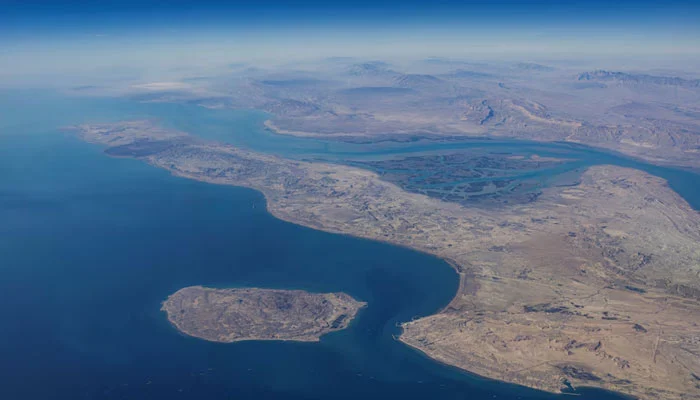
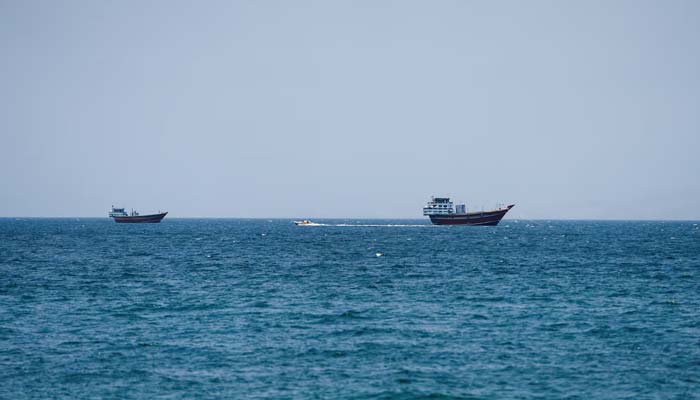
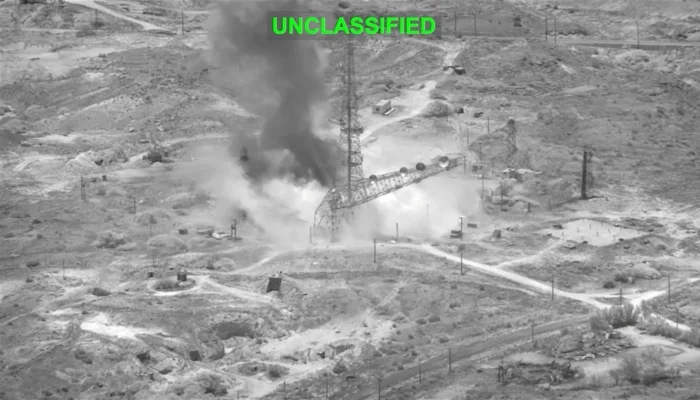
The U.S. responded earlier on Sunday by striking Iranian rocket launchers on a small island in the Strait of Hormuz. Washington said these actions were intended to prevent Iran from deploying sea mines in the crucial waterway, which was cleared of explosives just days prior. The Pentagon’s Central Command described the strikes as precise and limited, aimed at Iran’s Revolutionary Guards’ minelaying units threatening maritime navigation.
Iran’s Revolutionary Guards reported casualties from the U.S. attacks and accused Washington of “aerial aggression” in retaliation for their own missile strikes on Jordan. This exchange of fire occurs as the war reaches the six-month milestone, with overall hostilities having temporarily decreased in recent weeks.
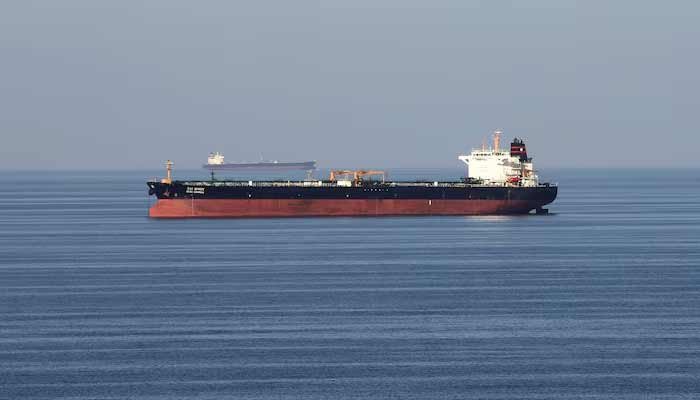
U.S. President Donald Trump’s administration has moved towards economic measures rather than military escalation, including a naval blockade targeting Iranian ports to tighten pressure amid domestic shortages of fuel and energy. Iran has effectively blocked the Strait of Hormuz, through which approximately one-fifth of global oil passes, intensifying global market concerns. The U.S. claims to have completed clearing mines from the strait, with forces closely monitoring the area and ready to intervene if necessary.
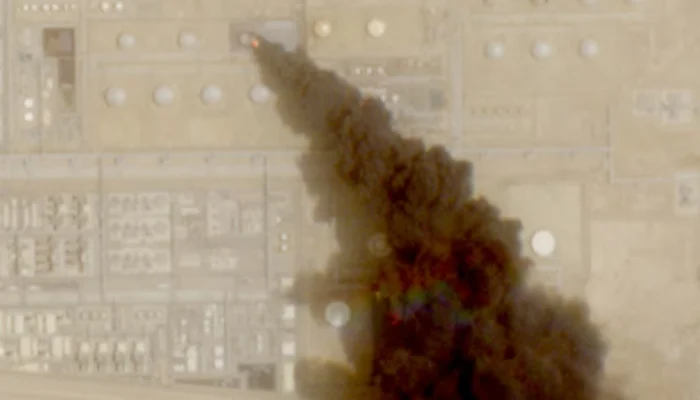
President Trump posted on social media that Kharg Island, Iran’s key oil-export hub, was “being blown to smithereens” after U.S. forces struck two missile launchers in another location. Kharg, which handled the majority of Iran’s oil exports before the conflict, is a strategic target that could severely impact Iran’s energy trade and economy.
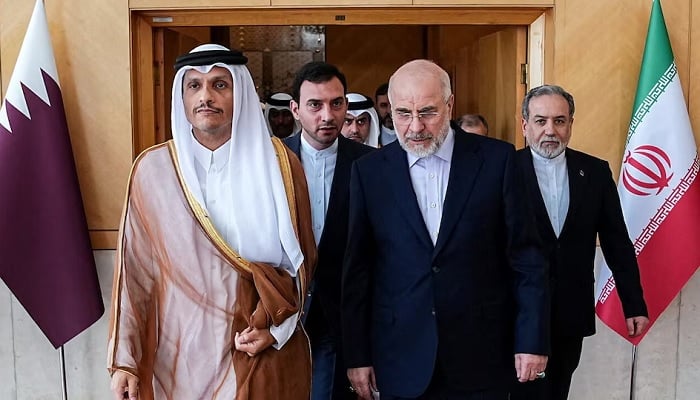
Diplomatic efforts, led by Pakistan and Qatar, attempted to broker peace for months. A ceasefire was reached in April, and a peace agreement was signed in June, but progress stalled. Since then, the U.S. has pursued a strategy of economic warfare, including sanctions and maritime blockades. The war has also involved Iran striking U.S. and allied targets across the Gulf region, including in Kuwait, Oman, Saudi Arabia, and the UAE.
The conflict has adversely affected global oil markets, with prices rising significantly. Brent crude crossed the $90 mark, and West Texas Intermediate climbed above $85 per barrel. Public opinion in the U.S. is largely against the war, especially with midterm elections approaching. A Senate Democrat, Jack Reed, criticized President Trump’s handling of the conflict, noting that no objectives have been achieved after six months and asserting that U.S. influence has diminished globally.