- Rubio states the deal guarantees stable, low-priced oil for America.
- Agreement to attract $100 billion in investments to Venezuela: Rubio.
- Experts raise questions about the legal standing and feasibility of the deal.
On Friday, President Donald Trump announced an unprecedented effort by the U.S. to gain control over one-fifth of Venezuela’s extensive oil reserves, betting that American companies can rejuvenate the Venezuelan energy sector damaged over years of neglect, sanctions, and mismanagement. The move aims to provide a new source of crude oil to help lower fuel prices in the U.S.
Trump offered few specifics about the deal, only mentioning that the U.S. had secured majority control of more than 65 billion barrels of Venezuela’s proven oil reserves through a partnership with private sector businesses.
Venezuela’s government welcomed the agreement, stating it would boost the country’s economy and increase government revenue.
This deal would mark a significant expansion of U.S. involvement in Venezuela’s oil industry as the Trump administration works to revive production and secure more crude for American refineries.
While Venezuela has the world’s largest proven oil reserves, its production remains around 1.25 million barrels per day—far below its potential—due to years of underinvestment, poor management, and sanctions.
Rubio calls the deal a mutual benefit
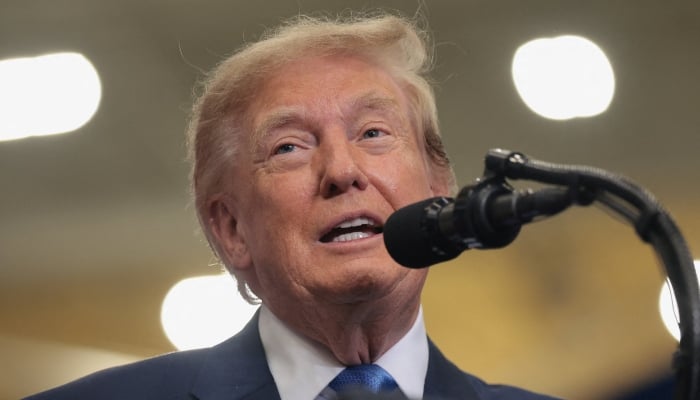
“Under my directive, Secretary of State Marco Rubio and Secretary of Defense Pete Hegseth, working closely with Venezuela’s interim leader Delcy Rodriguez, have secured majority U.S. control over more than 65 billion barrels of proven oil reserves in Venezuela—at no expense to American taxpayers,” Trump wrote on Truth Social.
The announcement follows weeks of negotiations between the U.S. and Venezuela over a deal granting American companies long-term access to certain oil fields, ensuring a steady crude supply to the U.S.
Venezuelan officials are preparing to sign agreements next week that will give rights to explore and produce oil, especially to U.S. companies.
Sources told Reuters that a leasing model is under consideration, which could involve auctioning off fields to U.S. firms. However, such arrangements might face legal and constitutional challenges in Venezuela, where the state maintains control over core oil operations.
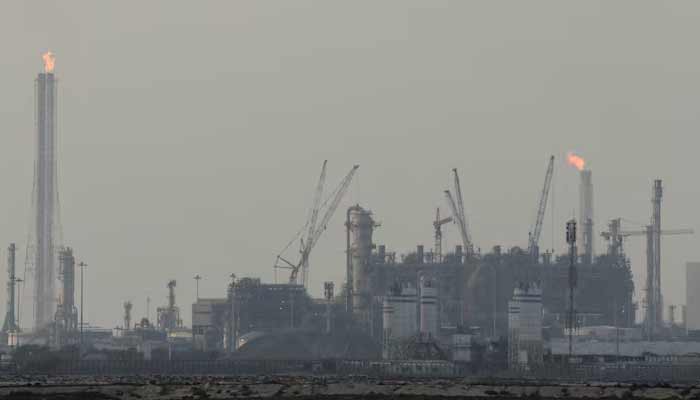
Trump did not specify the structural details of the agreement, including which fields or companies are involved or how the U.S. will exercise control over the reserves. A list viewed by Reuters indicates the targeted fields are located in the Orinoco Belt and Lake Maracaibo regions.
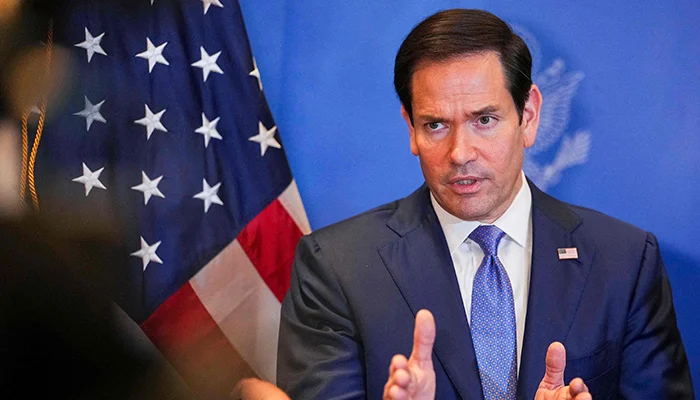
Rubio described the deal as a win-win, asserting on X that it would provide the U.S. with stable, affordable oil and help lower gasoline prices.
For Venezuela, Rubio said this would attract nearly $100 billion in private investment, create thousands of high-paying jobs, and aid in reviving the country’s economy.
Rodriguez, who has led interim authorities since the U.S. detained President Nicolas Maduro in January, stated late Friday that the deal would enable substantial growth through the development of 17 strategic oil fields, generating approximately $209 billion in tax revenue for Venezuela.
“These investments will facilitate the recovery and modernization of our industry, support our economic growth, enhance energy security across our hemisphere, and promote greater market stability worldwide,” she said in a statement.
Legal and financial details remain unclear
Analysts emphasize the need for more information regarding the legal framework and financial structure of the deal before assessing its potential for attracting significant investment.
It is also uncertain whether the deal will have an immediate impact on fuel prices, as developing infrastructure to produce, transport, and refine Venezuela’s heavy crude could take years.
David Goldwyn, president of Goldwyn Global Strategies, questioned whether a lease agreement from the U.S. government would be legally sound under Venezuela’s constitution and hydrocarbon laws. He noted that there’s no precedent for the U.S. government entering into such lease agreements to operate foreign oil fields.
Goldwyn further pointed out that the deal might not address long-standing obstacles like political instability, inadequate power infrastructure, export limitations, and government control that have deterred investment in Venezuela for years.
Since ousting Maduro, the U.S. has aimed to secure a steady flow of Venezuelan crude for American refineries while encouraging investment in Venezuela’s oil sector.
With upcoming midterm elections, the Biden administration faces pressure to mitigate rising gasoline prices. Increasing oil supplies and output could help ease concerns among consumers.
The U.S. is also exploring options to replenish its Strategic Petroleum Reserve, potentially through crude exchanges with domestic producers.
Venezuela nationalized its oil industry back in the 1970s, establishing state-owned PDVSA as the main operator. Under Hugo Chavez, the government intensified control, establishing joint ventures with foreign firms and expropriating assets, including projects formerly operated by ExxonMobil and ConocoPhillips.
Under Maduro’s leadership, Venezuelan oil production has drastically declined.