

Select Language:
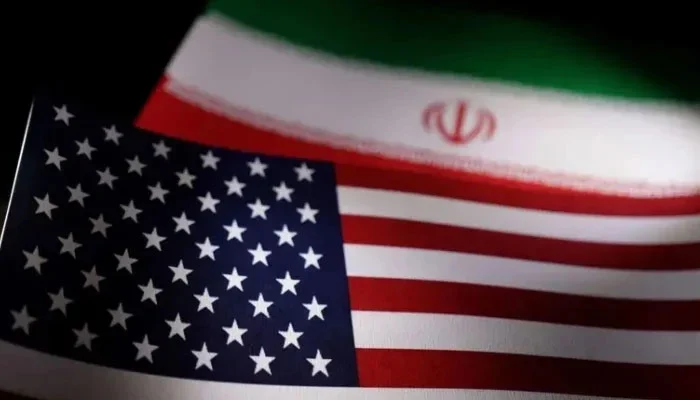
Iran announced on Tuesday that it will not meet with top U.S. officials who traveled to the region amid escalating hostilities, casting doubt on the likelihood of a sustained peace process between the two nations. Iranian representatives also emphasized that both sides need to resolve the terms of the ceasefire signed two weeks earlier before addressing more complex issues, such as potential restrictions on Iran’s nuclear activities.
These updates suggest substantial gaps remain between Iran and the U.S. on key elements of their initial agreement, which aimed for Iran to ease its control over the Strait of Hormuz in exchange for financial incentives. This framework also set a 60-day window for negotiations to establish a permanent peace accord.
U.S. President Donald Trump’s son-in-law, Jared Kushner, along with special envoy Steve Witkoff, arrived in Doha for what the White House described as high-level talks. However, both Iran and Qatar clarified that they would be mediating meetings rather than engaging directly with the Americans. Qatar’s Foreign Minister Sheikh Mohammed bin Abdulrahman al-Thani was among those who met with Kushner and Witkoff.
Iranian Foreign Ministry spokesperson Esmaeil Baghaei stated, “No meetings at any level with the American side are scheduled for the upcoming days.” Meanwhile, Qatar’s foreign ministry indicated that lower-level technical discussions between the countries were set to begin.
In the meantime, U.S. officials are reportedly considering military options to break the deadlock. The Wall Street Journal cited sources familiar with discussions indicating that President Trump has weighed the possibility of resuming full-scale strikes, though he has currently opted to extend diplomatic efforts. Trump has publicly warned Iran of impending attacks but is currently allowing more time for negotiations.
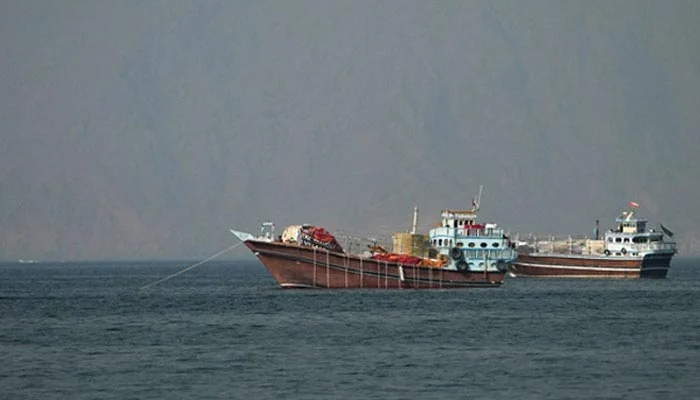
Shipping traffic through the Strait of Hormuz has partially resumed, transporting about 20% of the world’s oil and natural gas before the conflict erupted in late February. Iran claims sovereignty over the strait and plans to manage traffic with Oman, a U.S. ally on the opposite side of the waterway, and intends to impose tolls starting in mid-August when the current 60-day period expires. Iran’s top negotiator, Mohammed Baqer Qalibaf, asserted on state TV, “The sovereignty of the Strait of Hormuz belongs to Iran and Oman, and traffic is subject to arrangements determined by Iran.”
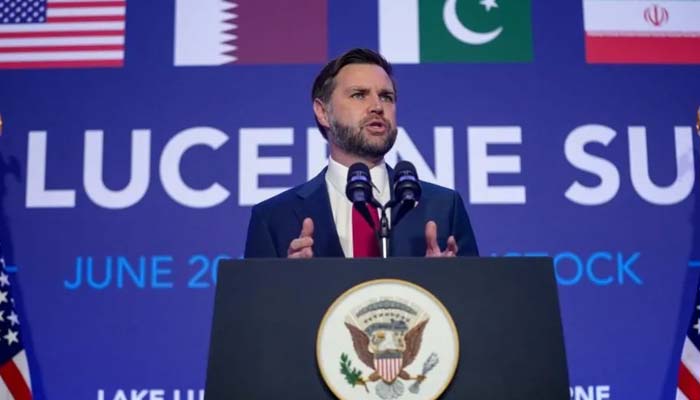
U.S. Vice President JD Vance responded, stating that Iran would not be allowed to collect tolls from ships passing through the strait, emphasizing that “this is not going to end with Iran collecting tolls.” Vance added that oil flows through the strait have returned to pre-war levels, and in some days, even exceeded them, although he did not provide specific figures.
Despite market relief, with oil prices declining since the weekend when the U.S. launched strikes against Iranian military facilities and Iran responded with attacks on U.S. military sites in Kuwait and Bahrain, economic vulnerabilities remain. The UN trade and development agency warned that food and fuel prices may stay elevated, threatening fragile economies. The ongoing conflict has driven up global inflation and created political pressure on Trump ahead of the midterm elections in November, which will determine control of Congress. Trump and Treasury Secretary Scott Bessent have urged gas retailers to lower prices.
An interim agreement between the U.S. and Iran also includes provisions to end hostilities between Israel and Hezbollah, a militant group backed by Iran in Lebanon. However, Lebanon’s influential parliament speaker Nabih Berri, an ally of Hezbollah, expressed skepticism about a separate U.S.-brokered deal between Lebanon and Israel to cease military hostilities. Experts warn that such arrangements risk entrenching a stalemate, especially if Israel’s withdrawal from southern Lebanon remains linked to Hezbollah’s disarmament.
 ChatGPT
 Perplexity
 Gemini AI
 Grok AI