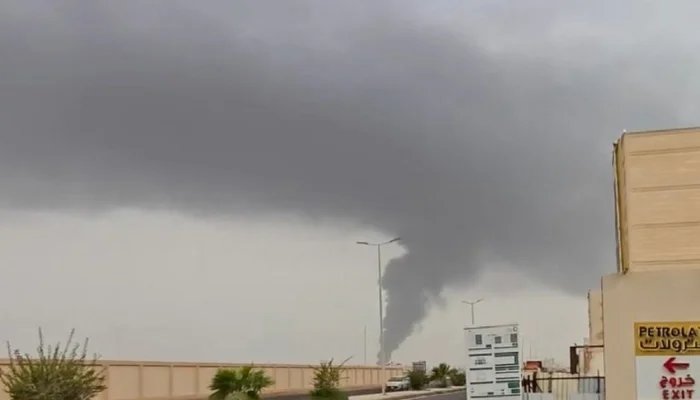
الوسم: Conflict

  • US Strike at Iranian Wedding Kills 4, Including Child, Wounds 50+

    US Strike at Iranian Wedding Kills 4, Including Child, Wounds 50+

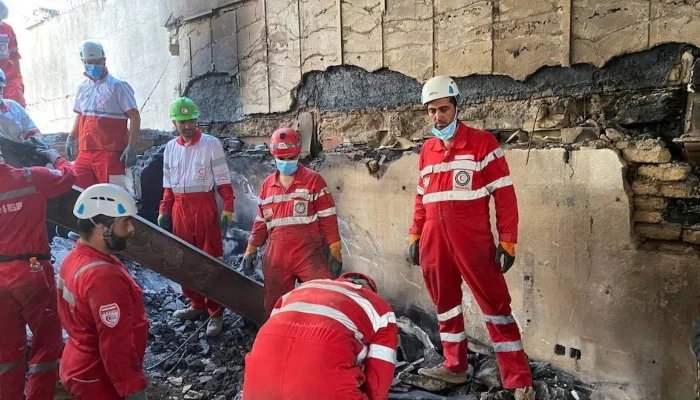
    A US missile strike in southern Iran has resulted in the deaths of four individuals, including a child, and injured over 50 others, according to Iran’s Red Crescent. The attack targeted a wedding celebration in Kuhestak, located in Sirik County within Hormozgan Province. The Red Crescent reported on X that shrapnel from the missile impact struck a residential house during the event, causing considerable casualties and destruction.

    A video circulated by an Iranian government account depicted extensive debris and damage at what was identified as the wedding site in Sirik, with people in the footage heard screaming. Earlier, Ahmad Nafisi, deputy governor of Hormozgan Province, confirmed to state TV that two people had died and several others were wounded. Sirik County, positioned along the vital Strait of Hormuz, is of strategic importance.

    The United States explained that it was conducting targeted strikes against Iranian Revolutionary Guard Corps (IRGC) positions in response to recent attempted attacks on commercial ships and American personnel in the region. Details about specific targets within Sirik County remain unclear.

    Additionally, Iranian media reported explosions in multiple cities across and east of Hormozgan Province, including at an airport in southern Kerman. Tensions have escalated since late February, when US and Israeli strikes killed Iran’s Supreme Leader Ali Khamenei and senior military officials, prompting Iran to retaliate with regional attacks. The initial intense bombing campaign lasted nearly 40 days, but sporadic retaliatory strikes have persisted, complicating prospects for a peace agreement.

    Last year, nearly five million visitors came to the area.

  • US-Iran Tensions Escalate as Trump Warns of Bold Military Action

    US-Iran Tensions Escalate as Trump Warns of Bold Military Action

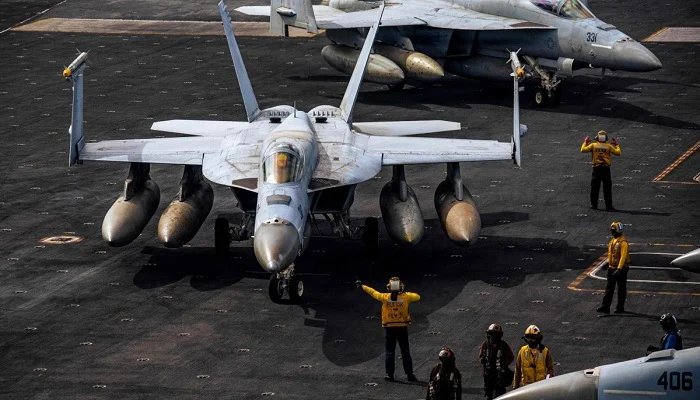
    A photo shows F/A-18E Super Hornets on the flight deck of the USS Gerald R. Ford, dated March 15, 2026. — AFP

    – President Trump states, “There will be a response” following an Iranian attack.
    – Iran claims it launched missiles at U.S. bases in Jordan.
    – Three individuals were killed during a U.S. strike on Larak Island.

    Tensions flared Monday as President Donald Trump vowed to retaliate against Iran after a month of rising hostilities, shifting from economic sanctions to direct military exchanges. Iran responded by firing missiles at two U.S. military installations in Jordan, retaliating for a U.S. attack on its Larak Island, where Washington claimed to have hit Iranian missile launchers involved in mine-laying operations in the Strait of Hormuz.

    This confrontation underscores how swiftly a conflict rooted in sanctions and economic pressure can escalate into military action. Although neither side appears intent on full-scale war, both have indicated readiness to respond to future assaults.

    A Fox News reporter quoted Trump saying, “We’re going to hit them hard. There will be a response.” In the Oval Office, Trump added that the recent strikes don’t mean a return to all-out war, describing Iran as a “failed nation” with a severely weakened economy and military. He stated, “That doesn’t mean we won’t smack them. We’ll see what happens.”

    When asked if nuclear weapons were off the table, Trump responded that there was “no reason” to consider using nukes, since Iran is already “totally defeated militarily.”

    A senior Iranian official told Reuters that the missile exchanges, the first since late July, were a “limited and contained confrontation,” but warned Iran would retaliate harshly if attacked again.

    Trump asserted that U.S. defenses intercepted all Iranian missiles capable of causing damage and claimed that new U.S. sanctions are significantly impacting Iran’s economy, according to Fox News. Earlier, Trump shared AI-generated videos of explosions at Iran’s main oil export terminal with the caption, “Kharg Island being blown to smithereens!!!” However, Iran dismissed the videos as “laughable,” clarifying that no such attack occurred. Vice President JD Vance commented that Trump was “sending a message” with his social media posts and noted his tendency to “switch it up.”

    So far, the U.S. has avoided striking Iran’s major oil and gas infrastructure, fearing Iran’s retaliation against Gulf neighbors in response.

    ### Increasing Economic Pressure

    Instead, the U.S. has intensified efforts to pressure Tehran and its trading partners through secondary sanctions targeting nations that buy Iranian oil. Treasury Secretary Scott Bessent said Iran is “lashing out” because these sanctions are hurting its economy. “They’re in shock over their economic decline,” he told reporters at the G20 finance ministers’ meeting. Bessent mentioned plans to introduce weekly secondary sanctions focusing initially on Iranian banks to accelerate pressure.

    ### U.S. Strikes on Iranian Targets

    U.S. forces targeted two Iranian missile launchers on Larak Island Sunday after observing Islamic Revolutionary Guard Corps forces preparing to launch rockets and mines into the Strait of Hormuz. The attack resulted in three fatalities, including two Revolutionary Guards Navy members, according to Iran’s Tasnim news agency. Larak Island, close to the strategic port of Bandar Abbas, lies in the narrow strait that typically handles 20% of global oil and gas shipments but has been effectively closed since hostilities escalated.

    The U.S. Central Command described the strike as a “limited, precise” operation targeting imminent threats, without providing further details. Iran’s state TV claimed a supertanker caught fire after being hit by mines; the U.S. military later denied that.

    ### Iran’s Position and Ongoing Conflict

    President Trump paused his “Operation Epic Fury” bombing campaign in April with a ceasefire, and in June, both sides agreed to informal talks. However, the peace quickly unraveled, leading to renewed exchanges of fire in July.

    In recent weeks, the U.S. has tried to cripple Iran economically through a blockade of ports, aiming to pressure Tehran into capitulating on its demands. Iran maintains that the Strait of Hormuz remains closed unless reopened under its own terms.

    Iranian President Masoud Pezeshkian expressed willingness to negotiate, advising that continuing the war serves no one’s interests. “We believe that ongoing conflict benefits no one—neither us nor the region or humanity at large,” he told Indian Prime Minister Narendra Modi during a regional security meeting in Kyrgyzstan.

    Despite setbacks, Trump’s objectives—dismantling Iran’s nuclear program, limiting its regional aggression, and enabling regime change—remain unmet.

  • Netanyahu Accuses Iran of Attempting to Kill His Son

    Netanyahu Accuses Iran of Attempting to Kill His Son

    Israeli Prime Minister Benjamin Netanyahu speaks during a press conference, amid the US-Israel conflict with Iran, in Jerusalem, March 19, 2026. — Reuters

    • Israeli Prime Minister offers no specifics regarding alleged Iranian plot.
    • Netanyahu emphasizes that protecting his son’s security isn’t optional.
    • Netanyahu instructs the Shin Bet head to safeguard election candidates.

    Israeli Prime Minister Benjamin Netanyahu claimed Monday that Iran attempted to kill one of his sons, though he provided no details about when the alleged plot occurred, which son was targeted, or how close it came to success.

    His statement highlights rising tensions since the US-Israel conflict with Iran began in February, during which senior Iranian leaders, including Supreme Leader Ayatollah Ali Khamenei, were reportedly targeted and eliminated.

    Netanyahu, whose coalition is trailing in national polls less than two months before the October 27 election, made the assertion during a phone interview with Israel’s Channel 14.

    He responded to reports suggesting that one of Israel’s security agencies refused to offer protection to a political rival ahead of the national vote.

    “Regarding my sons, I find this absolutely unbelievable. Iran targeted one of my sons. Iran tried to murder one of my sons,” Netanyahu said on the conservative channel known for its favorable coverage of the government.

    “Iran tried to assassinate one of my sons, and because of that, security protection is not a luxury,” he added, without elaborating further on the details or how close the plot came to execution.

    It’s unclear which son he referenced. Netanyahu’s older son, Yair, resides in Miami.

    The Iranian Mission to the United Nations in New York did not immediately comment on the accusation.

    Netanyahu also mentioned that he instructed Shin Bet Chief David Zini to ensure that all presidential candidates receive adequate security.

    Earlier reports indicated Zini declined to provide security for Gadi Eisenkot and told Israel’s election authority there was no threat against him.

    Eisenkot’s party is expected to win the most seats in the upcoming election, though Israeli governments are typically formed through coalitions involving multiple parties rather than outright majority control.

  • Washington targets Iran’s key routes amid Tehran’s vow of brutal retaliation

    Washington targets Iran’s key routes amid Tehran’s vow of brutal retaliation

    Iran announced on Friday that any new threats from the United States would be met with a “devastating” response, following Washington’s pledge to impose the harshest financial sanctions in history to unseat the Iranian leadership.

    Treasury Secretary Scott Bessent indicated he would reveal details about the upcoming sanctions on Monday, after President Donald Trump warned of economic repercussions for any country providing “any type of lifeline to Iran.”

    Major General Ali Abdollahi, chief of staff of Iran’s Armed Forces, stated that the country’s reaction would be comprehensive and firm. “With readiness across land, sea, air, air defense, and cyberspace, Iran’s military will respond to enemy threats with crushing, punishing, and destructive measures,” he was quoted as saying by Iranian media.

    Both Iranian officials and Trump have issued statements filled with triumph and threats amid a prolonged conflict that has persisted for nearly six months, initiated by the US and Israel. The conflict has resulted in thousands of casualties, drawn in regional Gulf nations, and driven up global fuel prices.

    US strikes have heavily impacted Iran’s economy and conventional military forces, yet Tehran still retains sufficient missile and drone capabilities to disrupt oil tanker traffic through the Strait of Hormuz and target neighboring rivals.

    ### An Unpopular War

    President Trump has yet to accomplish major objectives he aimed for at the war’s outset, such as dismantling Iran’s nuclear program and creating conditions that might lead Iranians to overthrow their clerical rulers. The conflict has increased gasoline prices and hurt Trump’s popularity; a recent Reuters/Ipsos poll showed his approval ratings falling to their lowest in his current term.

    Mohammad Baqer Qalibaf, Iran’s parliament speaker and lead negotiator in indirect talks with the US, suggested that Washington now sees that direct military confrontation is unlikely to succeed. “We need to prepare to counter these unjust sanctions so we can overcome them,” he said during a visit to neighboring Iraq.

    However, in discussions with Iranian and Iraqi businesspeople, Qalibaf acknowledged the economic strain Iran faces. “No matter our military strength, we won’t survive if people are hungry and if we lack financial activity, economic growth, and domestic production,” he noted, according to official news agency IRNA.

    ### Oil Prices Rise on Sanctions Threat

    Crude oil prices, both internationally and in the US, increased on Friday amid warnings of sanctions on Iran’s trading partners, which could tighten supply in the upcoming weeks. Bessent told CNBC he would detail the sanctions at a Monday press conference, asserting, “We are going to collapse this regime.”

    Despite nearly five decades of sanctions since the Islamic Revolution of 1979, Iran’s population is suffering from high inflation, a declining currency, energy shortages, and damaged infrastructure. Broader international consequences could follow, as Bessent pointed out that China derives half its energy from the Gulf and might be inclined to align with the US against Iran.

    China imports over 80% of Iran’s exported oil, according to 2025 data from analytics firm Kpler. Further US economic measures against Beijing could provoke retaliation, especially as China relaxes restrictions on exports of key rare-earth minerals.

    The Chinese embassy in Washington stated, “Sanctions and pressure do not resolve the problem,” calling for diplomacy instead.

    There are also significant risks for US allies in the Gulf, including attacks on energy infrastructure and desalination plants that supply drinking water. The US and Iran have twice announced ceasefire agreements—with efforts in April and June—to reopen shipping lanes in the Strait of Hormuz, which before February handled about 20% of global oil trade.

    Iran and Oman, the neighboring country across the narrow strait, have been engaged in separate talks aimed at resuming navigation, but the US opposes any deal that would impose tolls on ships passing through.

    NATO’s top commander, US Air Force General Alexus Grynkewich, held a virtual defense summit with allies on Wednesday to discuss supporting free navigation in the Strait. The spokesperson clarified that this is not a NATO mission but utilizes the alliance’s capabilities to assist in safeguarding maritime passageways.

  • Gaza Zoo Animals Suffer Amid War’s Devastation

    Gaza Zoo Animals Suffer Amid War’s Devastation

    When children arrive at the zoo near Gaza’s Nuseirat refugee camp, they often see a lion staring vaguely through the bars and chimpanzees sitting listlessly in their enclosure. Many animals are undernourished and weakened due to shortages of food, medicine, and vaccines, yet they persist, largely thanks to the efforts of zoo owner Mahmoud Gomaa.

    Originally, Gomaa operated the zoo in Rafah, a southern city, but he was forced to flee when Israeli troops attacked and took control of parts of the area in 2024. As the conflict intensified, he relocated the surviving animals from one town to another before settling in Nuseirat in central Gaza earlier this year.

    In Gaza, Gomaa reopened the zoo with hopes of providing some relief for traumatized children after nearly three years of destruction. He shared that at the start of the war, his priority was to save the animals, even more than himself, as the struggle for survival engulfed everyone.

    Prior to the outbreak of conflict between Israel and Hamas, Gaza boasted a number of zoos showcasing exotic and wild animals like lions and eagles, according to municipal records. Now, maintaining such facilities faces enormous obstacles, especially in sourcing sufficient food for the animals amid a strained food supply for the human population.

    Veterinarian Nidal Fadel explained that animals are being fed frozen meat, which is harmful because they naturally hunt fresh prey: “This is a catastrophe and a poor nutritional plan.” The war has taken a direct toll on the animals, with Gomaa recalling leaving behind lions, crocodiles, and ostriches when he fled Rafah. When he returned months later, only bones remained of the crocodiles and ostriches, and the lions were gone.

    The trauma inflicted by the sounds and sights of ongoing conflict profoundly impacts the animals. Veterinarian Amir Khalil, who has organized rescue missions into Gaza, noted that lions are particularly sensitive, detecting sounds and disturbances humans often miss. “Constant bombing and conflict create tremendous stress and fear for them,” Khalil said.

    Inside the zoo in Nuseirat, the solitary lion barely acknowledged visitors, but children found joy in interacting with other animals—parrots perched on shoulders and smaller monkeys that they could pet. Despite the ongoing hostilities and a fragile ceasefire, the zoo provides a rare spot of respite, although Israel’s military, claiming its strikes target Hamas, hasn’t responded to inquiries about civilian infrastructure like zoos and their animals.

    Karam Al-Mazin, a 42-year-old visitor, lamented the current situation: “Today, there’s no place for children to play. All that’s left are rubble, stones, and tents. The kids are bored and going through a tough time.”

  • Iran Warns of Attack Over US Blockade as Ceasefire Ends

    Iran Warns of Attack Over US Blockade as Ceasefire Ends

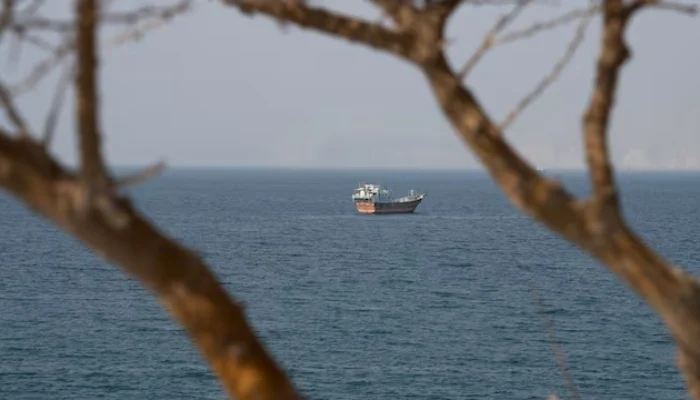
    A ship navigates near the Strait of Hormuz, seen from Musandam, Oman, on August 17, 2026. — Reuters

    – Tehran threatens a precise military strike against the US naval blockade.
    – The US dismisses Iran’s claim that an agreement grants Tehran the right to govern Hormuz.
    – Trump rules out extending the temporary agreement signed in June.

    Iran has issued a warning that it may carry out a military attack to break the US naval blockade if diplomatic efforts to resolve the conflict fail, a senior Iranian official told Reuters on Monday. Meanwhile, Washington has indicated it will not extend the ongoing ceasefire agreement.

    Peace negotiations and the resumption of oil tanker traffic through the vital Strait of Hormuz have come to a standstill, with no indication that the parties involved are nearing a resolution of the conflict initiated by US and Israeli strikes on Iran on February 28.

    “Iranian entities should prepare for heightened tensions in the Strait of Hormuz and the wider region, as Iran is ready to make tough decisions and take action,” the official stated. The official also warned that Tehran would execute a “timely and precise” military strike if diplomacy fails to deliver results.

    Monday was the deadline for Iran and the US to finalize a peace agreement under a memorandum of understanding signed in June, aiming to end hostilities. The agreement, signed on June 17, set a 60-day window for broader negotiations on Iran’s nuclear program and US sanctions.

    However, disagreements over control of the Strait of Hormuz—the narrow waterway through which about 20% of global oil and natural gas exports pass—caused the agreement to unravel quickly. Iran asserts that Section 5 of the deal grants it management rights over the Strait, which it shares with Oman, a position rejected by the US. Hostile actions resumed as Iran began firing on vessels it claimed were passing through Hormuz on unauthorized routes, prompting Trump to declare the pact “over” on July 7.

    Iran has warned that the US must implement all the terms of the agreement within weeks, which it says is a condition for future negotiations. Mediators are expected to notify Washington and regional allies of Tehran’s deadline. Additionally, Iran has been in talks with neighboring Oman over managing the Strait, seen as a key component of a broader deal. Progress has been slow, but Iran states they are close to reaching an agreement. Trump responded by threatening, “If Oman obstructs us, we’ll bomb them.”

    The conflict has resulted in thousands of deaths — primarily in Iran and Lebanon — since the US and Israel initiated strikes against Iran in late February. Iran has also targeted US military bases and infrastructure across Oman, Jordan, Kuwait, Israel, the UAE, and Saudi Arabia.

    Trump has warned that Americans should prepare for ongoing high fuel prices because of the war, while also claiming that “after we finish defeating Iran, I’ll soon declare the Strait of Hormuz territory of the United States.” Earlier, he reaffirmed on social media that his primary goal is ensuring Iran never acquires nuclear weapons.

    Oil prices have surged since the conflict’s start, with Brent crude reaching $126 per barrel at peak — about 75% higher than pre-war levels — amid concerns over disruptions to Gulf oil supplies and shifting peace prospects. On Monday, prices slightly increased to around $89 per barrel.

    Attacks by Iran-backed Houthis in Yemen have intensified fears of a wider regional conflict and its economic consequences. The Houthis recently launched missiles at a Saudi military vessel and four escort ships in the Bab el-Mandeb Strait, a crucial chokepoint connecting the Red Sea and Gulf of Aden, vital for international shipping. No confirmation has yet been provided by Saudi authorities.

  • Defense Minister Asif: US and Iran Near Partial Agreement

    Defense Minister Asif: US and Iran Near Partial Agreement

    Defense Minister Khawaja Asif stated on Tuesday that the United States and Iran are nearing some form of agreement, with Qatar indicating that talks on managing the Strait of Hormuz are in an advanced stage, despite recent reports of new attacks on shipping in the region. These developments have rekindled hope that Iran and the US might resolve a deadlock that has effectively blocked this crucial waterway—through which roughly 20% of global oil and liquefied natural gas previously passed—before the conflict escalated. However, prospects for a deal seemed to diminish Monday following the latest statements and demands from both sides.

    In an interview with Bloomberg, Asif expressed optimism that conditions might be aligning toward a peaceful resolution. “The signs over the past few days suggest we’re close to establishing some kind of agreement,” he remarked.

    Iran’s Foreign Minister Abbas Araghchi met with Pakistani Interior Minister Mohsin Naqvi in Tehran, according to his Telegram channel, though no further details were provided. Meanwhile, Qatar’s Foreign Ministry spokesperson mentioned during a Tuesday briefing that discussions between Oman and Iran regarding the Strait of Hormuz’s management are now at an advanced stage. The Iranian Foreign Ministry did not immediately respond for comments.

    Pakistan and Qatar continue to serve as key mediators in the ongoing conflict, which has resulted in thousands of deaths mainly across Iran and Lebanon since US and Israeli strikes on Iran on February 28. Iran retaliated by attacking US assets and infrastructure in countries including Oman, Jordan, Kuwait, Israel, the UAE, and Saudi Arabia.

    Oil prices retreated on Tuesday after reaching their highest point in a week earlier in the day, though they remain significantly higher than pre-war levels. On Sunday, Iran announced that it was close to finalizing a deal with Oman that would define new shipping routes in the Strait of Hormuz, which lies between the two nations. However, Iran clarified that such a deal would not open the waterway unless the US met certain conditions—conditions largely consistent with a June memorandum of understanding aimed at ending the conflict, which included provisions for compensation, lifting sanctions, and halting military threats.

    Iranian Foreign Minister Araghchi stated Sunday that Tehran and Washington were not engaging in direct negotiations but were exchanging messages through intermediaries. US President Donald Trump responded Monday night, raising new demands, including seeking reparations from Iran for damages accumulated over the past 50 years. Trump indicated that the US’s own payments would cover losses, including deaths of civilians and US forces in the region, asserting, “If damages are to be paid, Iran should pay those damages.”

    Despite these diplomatic signals, new attacks on ships in the Gulf of Oman and the Red Sea have been reported, emphasizing the growing danger to maritime trade. Yemen’s Houthis are suspected of attacking a cargo vessel in the Bab el-Mandeb Strait Tuesday, killing four crew members. The vessel, Tihamah, was Egyptian-owned, and if confirmed, this would be the first death in Houthi attacks on shipping since the Iran conflict began, although the Houthis have not claimed responsibility.

    Additionally, a container ship was reportedly hit by a missile off Pakistan, potentially from a US attack, while navigating the Gulf of Oman. According to sources, the vessel was struck by a US military helicopter after ignoring warnings during a naval blockade aimed at Iranian ports. The US first announced a blockade of shipments heading to Iran’s ports in April, reimposing restrictions in July after the collapse of a peace agreement.

    The Houthis declared a maritime embargo against Saudi Arabia in the Red Sea on July 20, citing a Saudi siege, which Riyadh denies. With US midterm elections approaching, President Trump faces mounting pressure to end the conflict, which polls indicate is deeply unpopular among American voters. Despite weeks of military strikes, including a two-week campaign in July, Iran maintains control over the Strait of Hormuz, contradicting Trump’s claims that the US Navy controls the strategic waterway.

  • Sources: Proposed Hormuz Deal Could Grant Iran Control of Incoming Traffic

    Sources: Proposed Hormuz Deal Could Grant Iran Control of Incoming Traffic

    Vessels can be seen navigating the Strait of Hormuz from Musandam, Oman, on August 3, 2026. — Reuters

    – Gaining control over this strait would be a significant concession to Iran.
    – President Trump claims discussions with Iran are progressing smoothly.
    – Regional sources caution against assuming a deal is close at hand.

    A senior Iranian source and two regional officials informed Reuters on Wednesday that a proposed agreement between Iran and Oman would grant Tehran authority over ships entering the Gulf via the Strait of Hormuz. This marks one of the most substantial concessions made to Iran to date.

    Despite what appears to be a move towards accommodating Iranian demands, the sources dismissed claims by Donald Trump that a deal to reopen the strait was imminent, clarifying that key details remain unsettled.

    “The concession has already been made regarding some level of control over Hormuz,” one regional official stated.

    The other regional source indicated that specifics on how “control” would be defined are still under discussion, with Gulf negotiators pushing for regional oversight of ship inspections and insisting that any fees be voluntary.

    The Iranian senior official mentioned that the draft agreement on the table envisions Iran holding control over ships heading into the Gulf through the strait. A major point of contention is the extent of Iran’s authority over vessels traveling in the opposite direction.

    There has been no immediate response from U.S. officials regarding these revelations about the potential agreement.

    U.S. representatives have repeatedly stated they would never accept any arrangement that allows Iran dominance over the world’s crucial energy trade route.

    However, in recent days, Trump and high-ranking officials in his administration have suggested a deal is near, aiming to end the conflict he initiated in February, which polls indicate most Americans oppose.

    —

    Oil prices increased slightly Wednesday following news that Yemen’s Iran-backed Houthi movement claimed responsibility for firing on a Saudi-flagged tanker in the Red Sea, amid ongoing disruptions to global energy supplies caused by attacks in the region.

    Despite the uptick, global crude prices remain near their lowest levels since early July, having sharply declined over the past two days after Trump announced a halt to upcoming attacks on Iran, citing new negotiations that could bring an end to the conflict.

    While direct negotiations between Tehran and Washington have not resumed, Iran has been in talks with Oman, which controls the opposite side of the strait. Iran rejected an earlier Omani proposal last week, deeming it too limited in its influence.

    —

    Trump stated in an interview with Fox News overnight that negotiations were “progressing well” and that significant talks took place Tuesday.

    He added, “The Strait of Hormuz will be open very soon. If they back out again, they’ll face severe consequences.”

    Over the weekend, Trump explained the decision to halt plans for large-scale strikes on Iran by citing ongoing negotiations, a pattern he’s repeated multiple times during the ongoing conflict.

    The Iranian official downplayed the notion of an imminent agreement, noting that Foreign Minister Abbas Araqchi was currently on holiday.

    “Talks are ongoing, but it’s premature to say a deal with Oman is finalized,” they said.

    Another Iranian source warned that “the devil is in the details,” noting that “a single tweet from Trump could cause everything to fall apart.”

    If Iran secures control over access to the strait, it would signify a major shift favoring Tehran, effectively altering the regional power balance. Prior to the war, the strait was open to all ships without fees.

    Trump, who initially proclaimed “Operation Epic Fury” would force Iran into unconditional surrender, is now under pressure to exit a conflict that most U.S. voters oppose by a two-to-one margin.

    Iran is reportedly demanding between 5% and 7% in cargo fees from ships passing through the strait, while Oman is proposing lower fees around 3%. The U.S. opposes any fees.

    A voluntary fee system, at least in name, might serve as a compromise, although threats of Iranian attacks could deter shippers from risking transit without paying.

    Despite months of U.S. military operations—including a two-week bombing campaign in July—Iran maintains control over the strait. U.S. military officials admitted in July that supplies of certain munitions were running low, and Reuters reported Tuesday that the Army had used nearly all its long-range precision missiles.

    Periodic U.S. escalation responses have prompted stronger retaliations from Iran and its proxies, such as the Houthis in Yemen and the petro-chemical chokepoint at the Red Sea.

    On Wednesday, the Houthis announced they had again targeted a Saudi tanker in the Red Sea, enforcing what they describe as a blockade on Saudi oil shipments through the key route bypassing the Strait of Hormuz.

    Additionally, on Tuesday, an attack near Yemen sank an Indian-flagged vessel; all 14 crew members, including 13 Indians, were rescued. Yemeni government factions opposed to the Houthis accused them of orchestrating that attack.
  • US and Iran Near Hormuz Agreement Amid Recent Maritime Attacks

    US and Iran Near Hormuz Agreement Amid Recent Maritime Attacks

    A top U.S. official stated Tuesday that an agreement to reopen the Strait of Hormuz with Iran could be finalized “today or tomorrow,” causing oil prices to drop due to hopes of increased shipping through this critical waterway.

    Treasury Secretary Scott Bessent told CNBC, “There’s a chance we might have a deal” in the next few hours, echoing President Donald Trump’s optimistic tone.

    Speaking from the White House on Monday, Trump maintained a mix of diplomatic optimism and stern warnings, describing this as Iran’s “last chance before decapitation.”

    Since February 28, when the U.S. and Israel launched surprise attacks on Iran, tensions have been high. Despite a ceasefire and preliminary agreements, diplomatic efforts have yet to fully resolve the conflict.

    The situation remains volatile: a crew member went missing Tuesday after an attack on a merchant vessel in Hormuz, and an Indian ship sank in the Red Sea following an unknown assault.

    The Strait of Hormuz, a vital route for global oil and gas exports, has reignited fighting. Iran aims to control the strait and impose tolls—new moves opposed by the U.S.

    Last week, Trump threatened to strike Iran “very hard”—possibly targeting civilian infrastructure—but later pulled back, hinting that a deal was near.

    Iran’s foreign ministry denied any ongoing negotiations with Washington, despite Trump’s claims.

    Meanwhile, Secretary of State Marco Rubio mentioned that the U.S. is engaged in discussions between Oman and Iran about increasing shipping traffic through the strait.

    Oil prices declined sharply, with Brent North Sea Crude dropping over six percent to below $79 a barrel, reflecting renewed hopes for reopening the strait.

    Qatar, mediating talks, said diplomatic efforts are ongoing but no direct U.S.-Iran negotiations are scheduled. Its leader, Sheikh Tamim bin Hamad Al-Thani, spoke with Trump by phone Tuesday to discuss de-escalation.

    Trump previously predicted he would know by Tuesday whether talks were making progress, emphasizing that the situation is “not very complex.”

    U.S. diplomatic goals include reopening Hormuz and ensuring Iran’s denuclearization—a process Trump acknowledged might take some time.

    The president previously called Iran “duplicitous” for denying negotiation talks and warned that a U.S. blockade of Iranian ports would persist unless a deal or surrender is reached.

    Five months into a costly war, Iran remains capable of launching missiles and drones at U.S. and allied targets, as well as commercial shipping.

    Earlier Tuesday, the UK Maritime Trade Operations reported an unidentified projectile struck an unnamed cargo vessel in the Strait of Hormuz, off Oman.

    Iran continues to enforce an effective blockade and insists ships must coordinate crossings with Iran.

    The turmoil in Hormuz has heightened the importance of alternative shipping routes, particularly through the Red Sea. Iran-backed Houthis in Yemen have declared a maritime blockade against Saudi Arabia, prompting ships to reroute through the southern Red Sea, especially via the Saudi port of Yanbu, to maintain shipments.

    Since the Houthis announced the blockade, they have claimed attacks on several ships they allege were in violation. On Tuesday, the Indian vessel MSV Faize Noore Oliya sank off Yemen after an unspecified attack, but all crew members were rescued.

    The Red Sea serves as a passage to the Suez Canal. Previously, Houthi attacks during the Gaza conflict led shippers to detour around Africa’s southern tip to avoid threats.

  • Trump’s Fluctuating Stance on Iran: His Own Words

    Trump’s Fluctuating Stance on Iran: His Own Words

    Donald Trump has issued some of the most aggressive public threats regarding military action in recent U.S. history, though he has also retracted many of those statements. The 80-year-old Republican’s tone on Iran has changed multiple times since the conflict there began on February 28, often shifting sharply and quickly.

    He has claimed victory repeatedly, asserting that Iran’s military strength was completely defeated, only to later amend the timeline or threaten Tehran with additional strikes. On June 17, Trump praised Iran’s new leaders as “very smart” and “less radicalized” than those who had been killed in U.S. and Israeli attacks. By July 8, however, his tone grew harsher. “I don’t want to deal with them anymore; they’re scum,” he stated.

    Here are some notable examples of Trump’s threats toward Iran and how he later softened his stance:

    March 21:
    “Iran must fully open, without threats, the Strait of Hormuz within 48 hours. If not, the U.S. will target and destroy their power plants, starting with the largest!”
    This warning, broadcast on his Truth Social platform, was alarming because attacking civilian infrastructure like power plants is widely regarded as a war crime.

    March 23:
    Two days later, Trump extended the deadline by five days, citing “productive conversations” with Iran. He then postponed further destruction of energy facilities for ten days, moving the deadline to April 6, to allow ongoing diplomatic negotiations.

    April 5:
    Approaching the end of the extension, Trump posted a profanity-laden message on Easter Sunday, threatening Iran by saying, “Open the damn Strait, or you’ll be living in Hell,” concluding with “Praise be to Allah.”

    April 7:
    Trump declared, “An entire civilization will die tonight,” which many interpreted as a threat to obliterate Iran and its roughly 90 million people. Later that day, he announced a temporary suspension of attacks: “I agree to hold off bombing Iran for two weeks” after discussions with Pakistani leaders.

    June 11:
    Trump warned on social media: “The U.S. will hit Iran very hard tonight,” and mentioned plans to seize Kharg Island along with other oil infrastructure. However, five hours later, he canceled the strikes, attributing the decision to progress with negotiations aimed at ending the hostilities.

    An interim agreement was signed in June, but within a month, tensions rose again—Iran targeted U.S. facilities across the Middle East, and U.S. forces responded by attacking Iranian coastal defenses, along with bridges and infrastructure.

    July 31:
    “Iran will face severe measures soon; at some point, they’ll realize they can’t endure it anymore,” Trump told his cabinet.

    August 1:
    Trump claimed Iran and regional neighbors requested the U.S. to hold off on attacking, stating “a deal has been agreed upon,” though Iranian state media strongly denied making such a request.

  • US launches strikes amid expanding global conflict with Iran

    US launches strikes amid expanding global conflict with Iran

    Smoke rises after an explosion at an unknown site during what U.S. Central Command (CENTCOM) reports are strikes on Iran on July 29, 2026. — Reuters

    – Ambery reports a drone struck a U.S. floating storage tanker.
    – Egypt’s Ministry of Petroleum confirms a fire at a port.
    – Oil prices climb above $90 per barrel as diplomatic efforts stall.

    The U.S. announced new strikes in Iran on Wednesday, escalating a conflict that has already lasted five months and spreading beyond its initial frontlines to involve additional regional countries.

    “U.S. forces began launching strikes against Iran at 8:00 p.m. ET today,” according to a statement from CENTCOM. “These strikes are a strong response to Iran’s attempted attacks on U.S. forces in the Middle East yesterday.”

    Earlier that day, a drone attacked a U.S.-owned gas storage tanker at Egypt’s Damietta port, according to Ambrey, a British maritime security firm. Meanwhile, U.S. and Saudi forces targeted Iran-backed groups in eastern Iraq, and Iran launched missiles at U.S. troops in Jordan.

    Egypt’s petroleum ministry confirmed a fire at the port but did not specify the cause. Responsibility for the attack remains unclear.

    These recent strikes in Iraq and Egypt threaten to expand the conflict, particularly after Yemen’s Houthis declared a naval blockade of Saudi Arabia last week.

    The Wednesday strikes in Iran followed President Donald Trump’s vow earlier in the day to retaliate against Iran for its attacks on U.S. forces.

    “Now it’s our turn,” Trump told reporters at the White House, vowing to “hit them very hard,” while also stating that the U.S. continues to seek peace with Tehran.

    Iran confirmed it fired on U.S. bases in Jordan and at ships in the Strait of Hormuz overnight and rejected an Omani proposal to jointly manage the strait, a vital maritime route for oil and gas.

    The conflict began in February when the U.S. and Israel launched airstrikes on Iran. Trump initially claimed the campaign would last only a few weeks. However, a ceasefire in June collapsed amid renewed fighting over the Strait of Hormuz, which Iran now claims to control.

    Oil prices surged Wednesday, with Brent crude rising over 8% to surpass $90 per barrel—reversing much of a recent decline after Trump unexpectedly halted U.S. strikes.

    For the first time, Riyadh publicly joined U.S.-led strikes in a joint action.

    Iraq’s Popular Mobilization Forces reported at least 20 fighters killed and 32 wounded in U.S.-Saudi strikes targeting several bases across the country. Iraqi civilians shouted “Death to America” as they carried the bodies of killed fighters.

    U.S. and Saudi forces asserted their strikes targeted armed groups in Iraq in retaliation for drone attacks against Saudi oil facilities launched from Iraqi territory.

    Following the joint strikes, Saudi defense officials met with Vice President Vance in Washington to urge caution against escalating the war further, particularly by attacking Yemen’s Houthis or conducting additional strikes in Iraq. They warned that such actions could introduce “major unknown risks.” The White House and the Saudi embassy declined immediate comment.

    U.S. officials have privately warned that resuming full-scale operations against Iran could deplete munitions stocks and carry significant risks.

    The Center for Strategic and International Studies estimates the U.S. currently has fewer than 1,000 Patriot interceptors and under 250 THAAD interceptors, key components of the nation’s air defense system.

    Iran denies it has directly launched strikes from Iraqi territory, but an Iranian newspaper, Hamshahri, reported that four Iranian Revolutionary Guards advisers were killed in strikes on Iraq.

    The strikes reveal a fragile and deeply divided Iraq, which maintains close military and diplomatic ties with both Tehran and Washington—an arrangement that fuels ongoing tensions and unrest.

    Prime Minister Ali al-Zaidi, in office for just two months, called for avoiding escalation and emphasized the importance of keeping Iraq out of regional conflicts.

    The Iraqi president condemned the strikes on paramilitary groups as “an unacceptable violation of Iraq’s sovereignty,” while urging all parties to halt attacks on neighboring countries.

    Iran’s close relationship with Iraq remains evident this week as hundreds of thousands of Iranian pilgrims visit Iraqi shrines for an annual mourning observance.

    Before launching attacks in Iraq, U.S. military officials reported thwarting a surprise Iranian attack on U.S. troops in the region through air defenses.

    Jordan’s military reported shooting down five Iranian missiles. U.S. bases in Jordan have become prime targets recently, with three U.S. service members killed earlier this month—the worst U.S. losses since March.

    Iran’s Revolutionary Guards claimed to have launched multiple ballistic missiles at U.S. military facilities in Jordan and hit three oil tankers attempting to pass through the Strait of Hormuz via an unauthorized route.

  • US Troops’ Phone Footage Assists Iran in Real-Time Strike Assessment

    US Troops’ Phone Footage Assists Iran in Real-Time Strike Assessment

    The top U.S. commander for the Middle East has issued a warning to troops that sharing videos online via cellphones could aid Iran in targeting American military bases. Sources told Reuters that some personnel already deployed might soon be instructed to surrender their phones.

    Any restrictions on mobile device use would introduce a new challenge for the thousands of U.S. troops in the region, many of whom still depend on their phones to stay in touch with loved ones and reassure them of their safety.

    Admiral Brad Cooper, in a previously undisclosed letter, highlighted how Iran benefits from real-time insights into its strikes’ outcomes by analyzing news reports or posts by journalists that include “reactions, photos, and footage from the cellphones of our troops.”

    “The immediate, unavoidable cost of this open-source intelligence could be measured in the lives of American service members and civilians living in the Gulf,” Cooper, who heads U.S. Central Command, wrote on July 28, a copy of which was obtained by Reuters.

    He urged troops to “redouble our focus on operational security” but did not specify particular measures in the memo.

    This warning emphasizes the increasing tension between real-time war reporting—often supported by satellite imagery and first-person accounts—and the military’s effort to limit information that could help Iran target U.S. forces.

    In Jordan, which has frequently been targeted by Iranian strikes, some soldiers have been told their phones will be confiscated in the coming days, according to two sources familiar with the situation. A third source suggested this move is under consideration due to security concerns but did not confirm it as certain.

    When asked for comment, U.S. Central Command spokesperson Captain Timothy Hawkins said, “The message is a general reminder to our service members about the importance of operational security. This is one of many ways Admiral Cooper has communicated operational priorities.”

    Running for Shelter During Iran Attack

    A recent online video shows U.S. soldiers rushing for safety during a deadly Iranian attack on Muwaffaq Salti Air Base in Jordan on July 17. Cooper referenced the footage in his letter, noting it was captured using Meta smart glasses with an integrated camera.

    “Video taken from a service member’s Meta glasses was posted on Instagram, showing how and where they evacuated to a bunker amid missile and drone strikes,” Cooper stated.

    Iran might find it difficult to accurately assess the success or failure of its strikes without such accounts, Cooper explained, as U.S. electronic jamming and other tactics in war zones obscure strike outcomes.

    “While Iran is aware that weapons were fired, they can’t tell if they missed by 50 meters, hit an empty tarmac, or successfully attacked a crowded target,” he said. “Detailed reports, descriptions, and analyses from news outlets essentially serve as Iran’s Battle Damage Assessment—free of charge.”

    Since February 28, around 18 U.S. service members have died in conflicts with Iran, and more than 600 have been wounded. These casualties have deepened American concerns over a potential war, which only about a third of the U.S. population supports.

    Democratic lawmakers are demanding more information about the conflict, including data on damage to U.S. infrastructure at bases—covering radar towers, barracks, and aircraft hangars—and are calling for the release of a U.S. military investigation into an incident involving a suspected strike on a girls’ school in Iran, first reported by Reuters at the war’s outset.

    Is Cell Phone Seizure on the Horizon?

    Rules governing cell phone use among deployed troops differ widely across military branches. Many service members are required to lock away their phones, and in highly sensitive missions—like special operations—cell phones can even be banned altogether.

    The possibility of confiscating phones has caused anxiety among some families, who are already on edge due to Iranian claims of deadly strikes on bases across the Middle East over recent months.

    U.S. officials have long warned that certain mobile applications, such as fitness trackers, could be exploited by adversaries to gather location data and aid in targeting. Reuters reported in May that commercially available location data from smartphones has been used to monitor or target U.S. forces.

    At the same time, the Pentagon has been cautious about releasing detailed information about Iranian attacks or incidents involving U.S. casualties, citing operational security.

    Cooper emphasized that details about strikes could help Iran plan subsequent, potentially more destructive attacks.

    “Publicly sharing detailed information can serve as a green light for Iran to launch secondary attacks that could be far more devastating,” he said.

  • Netanyahu and Trump Hold First White House Meeting Amid Iran Conflict

    Netanyahu and Trump Hold First White House Meeting Amid Iran Conflict

    Prime Minister Benjamin Netanyahu made his first face-to-face visit to the White House since the Iran conflict erupted, engaging in discussions with President Donald Trump. The United States military confirmed they had intercepted several missiles fired by Tehran. The private meeting, described as “positive and productive” by the White House, lasted approximately an hour and a half. It aimed to mend public differences regarding the war and reinforce their alliance.

    Following the meeting, Netanyahu expressed in a video message that it was “one of the best conversations I’ve ever had with the president of the United States” and emphasized their mutual goal: preventing Iran from acquiring nuclear weapons. The Iran conflict, which started in late February with joint US-Israeli strikes, has recently paused, with Washington indicating a preference to see diplomatic negotiations proceed.

    Yemen’s Iran-supported Houthi rebels claimed responsibility for ballistic missile attacks against a Saudi oil tanker, NCC Ghazal, in the Red Sea, accusing it of violating a blockade they imposed on the kingdom’s ports. Saudi Arabia has not yet responded publicly but reported intercepting drones targeting eastern oil facilities, blaming Iran-backed militias in Iraq.

    The U.S. Central Command announced that Iran’s Islamic Revolutionary Guard Corps launched multiple ballistic missiles from Iran aimed at U.S. forces in the Middle East, all of which were successfully intercepted. Tensions had been simmering, with nightly U.S. strikes on Iran and missile and drone attacks from Tehran on U.S. allies around the Gulf, though both the U.S. and Iran had temporarily held fire over the weekend.

    Israel has not participated in the recent hostilities between the U.S. and Iran, which escalated earlier this month after a ceasefire broke down. This was the eighth meeting between Netanyahu and Trump since early 2025, taking place ahead of crucial elections in both Israel and the United States—national elections for Netanyahu and midterms for Trump.

    Netanyahu attended a private memorial dinner in Washington honoring the late Senator Lindsey Graham and also participated in a memorial service for the late Israeli ally. Relations between Trump and Netanyahu were strained during last month’s negotiations over Iran’s ceasefire, with Trump criticizing Netanyahu harshly. Trump later referred to Netanyahu as a “very difficult guy” in an interview. Netanyahu minimized these disagreements, calling them “tactical differences” and reaffirming their shared objectives in the conflict.

    On the agenda for Tuesday’s discussions were the implementation of a US-backed framework agreement signed by Israel and Lebanon last month, though ground-level application remains challenging. They also planned to address the ongoing crisis in Gaza, where reconstruction efforts have stalled, and the humanitarian situation remains bleak. Israel continues its frequent targeting of militants in Gaza, nearly three years after the outbreak of hostilities with Hamas.

    Israeli UN ambassador Danny Danon highlighted the timing of Netanyahu’s visit, stressing the ongoing threats from Iran, which continues to support terrorism and block the Strait of Hormuz. International relations expert Yonatan Freeman explained that the main goal was to demonstrate that the U.S. and Israel remain aligned, countering any notions of a falling-out or major disagreements between the allies.

  • Ukraine’s FM Assures Iran Kyiv Aims to Avoid Escalation

    Ukraine’s FM Assures Iran Kyiv Aims to Avoid Escalation

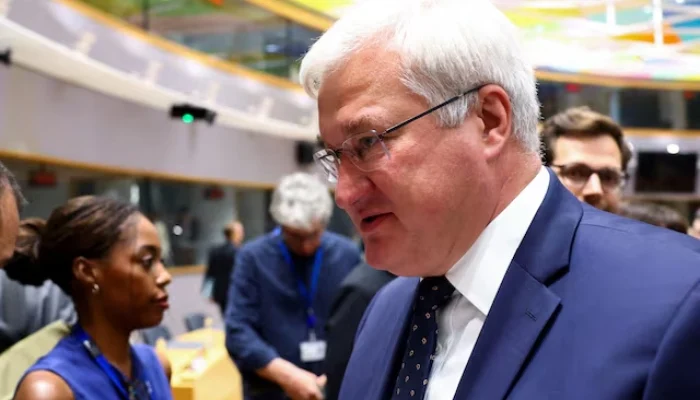
    Ukraine’s Foreign Minister Andrii Sybiha participated in a European Union Foreign Ministers’ meeting in Brussels on July 13, 2026. — Reuters

    – Araghchi states Ukraine assured that the Caspian Sea attack was unintentional.
    – He mentions Ukraine told Iran it aimed to prevent escalation.
    – Calls for compensation for damages caused by the attack.

    KYIV: Ukraine and Iran’s foreign ministers had a phone conversation on Tuesday, Kyiv reported, expressing a desire to prevent any ‘escalation’ following Ukraine’s strike on an Iranian vessel in the Caspian Sea.

    Sybiha, via his X account, shared that he had an open and honest discussion with Iranian Foreign Minister Abbas Araghchi.

    “Diplomacy involves direct dialogue, even when it’s tough. I emphasized that our primary goal is to avoid unnecessary escalation,” Sybiha stated.

    President Volodymyr Zelensky announced on Saturday that Ukraine had launched long-range strikes against vessels transporting military cargo in the Caspian Sea, involving Iran.

    Sybiha reassured Araghchi that Ukraine’s military actions are solely aimed at defending against Russian aggression and were never meant to target civilians or vessels.

    Regarding Iran’s report about the death of one of its citizens and the vessel involved, Sybiha pointed out that Russia is “the fundamental cause of all incidents,” bearing full responsibility for provocations and casualties.

    He stressed the importance of avoiding any steps that could escalate tensions and urged Iran to cease supporting Russia’s war effort in Ukraine.

    Araghchi, in his own X post, confirmed that Sybiha had assured him the attack was “unintentional” and that Ukraine seeks no escalation.

    He reiterated that “Iran does not desire escalation either but maintains that any attack on its citizens or interests is unacceptable and calls for compensation for the damages.”

    The Ukrainian Foreign Ministry’s spokesperson, Georgiy Tykhy, confirmed this was the first official communication between Sybiha, who has been serving since September 2024, and Araghchi.

    Relations between Kyiv and Tehran are tense. Iran, a key ally of Russia in the Middle East, notably supplied Shahed drone technology to Moscow at the beginning of Russia’s full-scale invasion of Ukraine in 2022.

    Kyiv, for its part, claims it has supported efforts to counter Iranian drones used during retaliatory strikes after Israel and the U.S. targeted Iran in late February.

  • Only One-Third of Americans Support Iran War, Uncertain About Trump’s Aims: Poll

    Only One-Third of Americans Support Iran War, Uncertain About Trump’s Aims: Poll

    A recent Reuters/Ipsos poll shows that only one in three Americans support the ongoing war with Iran—the lowest level of support since the conflict began five months ago. Most respondents believe President Donald Trump has failed to clearly communicate his objectives. The survey, conducted from Friday through Sunday, reveals a slight increase in Trump’s approval rating to 37%, up three points from last month, which marked his lowest approval during his presidency.

    Support for the conflict remains fragile, with only about a third of Americans backing the war effort. Trump has provided inconsistent explanations for the conflict, including claims that it aims to help Iranians overthrow their government, disable Iran’s ballistic missile programs, and prevent it from developing nuclear weapons. Despite these statements, 69% of Americans—including 40% of Republicans—agree that Trump has not effectively communicated the goals of US military involvement in Iran.

    Olivia Wales, a White House spokesperson, emphasized that Trump will not alter his decisions based on fluctuating polls and reaffirmed his commitment to preventing Iran from acquiring a nuclear weapon. “What’s most important to Americans is having a leader who takes decisive action to keep them safe,” she said.

    Since the US and Israel launched strikes on February 28, public approval for the war has consistently remained below 40%. This contrasts sharply with the early support seen during previous conflicts, such as the Iraq War from 2003 to 2011, when about 70% of Americans supported the military intervention, and during the initial days of the Afghanistan War from 2001 to 2021, with backing reaching 90%.

    The disapproval of the ongoing war is impacting Trump and the Republican Party as they head into the midterm elections in November. Many Americans remain unsure about why the US engaged in the conflict; for instance, Alex Womack, a retired turbine repair technician from Stockbridge, Georgia, and a former Marine who supported George H.W. Bush during the Gulf War, admits he has no idea why the US started this war. His support for Trump has waned due to the conflict, and he now feels Trump isn’t handling it well.

    To this point, 18 American soldiers have lost their lives in the fight, while thousands have died in Iran and Lebanon, where Iran-backed fighters oppose Israeli forces. The war has also spiked gasoline prices, a financial burden for many Americans, with the national average exceeding $4 per gallon—up from about $3 before the conflict began.

    Political strategist Alex Conant points out that this economic pressure complicates the White House’s messaging, as officials have been emphasizing economic arguments since January. However, these efforts become difficult amid the ongoing focus on foreign policy issues.

    In the latest survey, independent voters favor Democratic congressional candidates over Republicans by 36% to 20% and also prefer Democrats on economic policies.

    Former President Trump has campaigned on avoiding prolonged wars, initially estimating the Iran conflict would last about four to five weeks. He has also criticized comparisons to longer conflicts like Vietnam, which resulted in over 58,000 American deaths over two decades. Independent voter Rhyan Anderson from Georgia, who supported Trump in 2024 but voted for Biden in 2020, suggests Trump should prioritize domestic issues rather than aid Israel or other allies.

    Since mid-March, the poll shows American support for military strikes on Iran at around 37%, compared to 27% support on the day the war started, with roughly 29% undecided. The survey, conducted online among 1,246 adults nationwide, carries a margin of error of plus or minus 3 percentage points.

  • No US Attacks on Iran for Two Weeks as War Expands to Red Sea

    No US Attacks on Iran for Two Weeks as War Expands to Red Sea

    Yemen’s Houthis claimed responsibility for recent attacks on Saudi oil facilities Saturday, with a plume of smoke rising from the targeted sites. According to military spokesperson Yahya Sare, operations targeted Aramco installations in Jizan and Yanbu. In Jizan near the Yemeni border, footage verified by Reuters showed a large column of smoke coming from the refinery, which processes up to 400,000 barrels of oil daily. Multiple sources reported potential damage to fuel and oil storage at Jizan. In Yanbu, Saudi Arabia’s primary Red Sea oil port, two missiles aimed at oil infrastructure were intercepted. Yanbu has become a crucial route for Saudi oil exports, especially as Iran blockades the Strait of Hormuz.

    Meanwhile, the Saudi-led coalition, which supports Yemen’s government, launched airstrikes against Houthi positions in Marib and al-Jawf provinces. Both sides are mobilizing forces along the front lines as the civil war, paused since 2022, shows signs of escalation. The Houthis recently declared a naval blockade of Saudi Arabia, threatening all its oil facilities, amid reports of further attacks that could destabilize regional energy supplies.

    In the broader regional conflict, Iran accused Ukraine of attacking an Iranian vessel in the Caspian Sea, resulting in one sailor’s death and another’s injury. Tehran summoned Kyiv’s charge d’affaires to protest the incident, which Iran described as “hostile and criminal.” Ukrainian President Zelenskiy alleged that Russia has been sharing satellite intelligence with Iran to assist in regional strikes, aligning concerns over the expanding conflict’s reach.

    The US maintains that its naval blockade against Iran remains fully in effect, though it paused a series of 13 nights of escalating strikes over the weekend. No new Iranian attacks on neighboring countries were reported during this period. An administration official stated that President Trump prefers diplomacy but warned Iran of consequences if it refuses to negotiate seriously. Reports by the New York Times suggest Trump has pulled back from plans to intensify military actions against Iran due to fears of widening the conflict, depleting stockpiles, alienating Gulf allies, and disrupting global energy markets.

    During a White House meeting, Vice President JD Vance and Joint Chiefs Chairman General Dan Caine expressed concerns about the US military’s ammunition reserves, leading to operations being temporarily halted, a Department of Defense source confirmed. Despite a lull in Gulf clashes, conflict in Yemen continues with Saudi-backed forces targeting Houthi positions in Marib and al-Jawf.

    Yemen’s civil war, which has caused widespread famine and death, remains fragile despite a ceasefire since 2022. However, recent breakdowns of the truce and the Houthis’ declarations of a naval blockade suggest renewed hostilities. The group’s leader, Abdul Malik al-Houthi, warned that all Saudi oil facilities could become targets as tensions heighten across the region.

  • US strikes persist into 11th night amid Iran warning of retaliation

    US strikes persist into 11th night amid Iran warning of retaliation

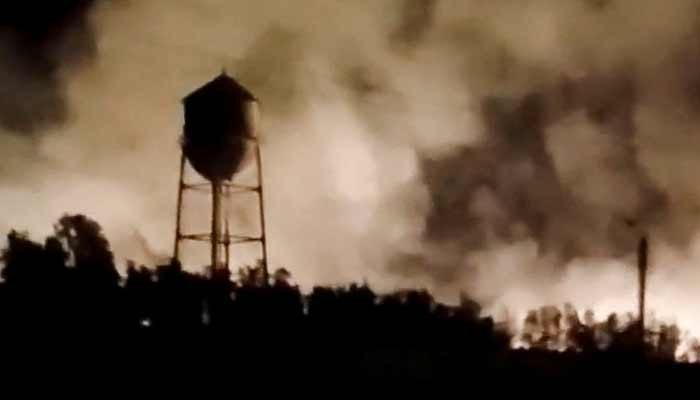
    A water tower stands outlined against smoke rising from a fire following an alleged strike in Behbahan, Khuzestan Province, Iran. — Reuters

    • Negotiations with the U.S. are ongoing through mediators: Baghaei.
    • Iran’s military issues threats of retaliation against the U.S.: report.
    • Regional countries are using Iranian drones in their engagements.

    Fresh American airstrikes prompted anti-air defense responses in Tehran on Wednesday. President Donald Trump warned he isn’t finished with the conflict with Iran, which has already cost the U.S. approximately $37.5 billion.

    Following clashes over the strategic Strait of Hormuz resulting in the collapse of an initial agreement, conflict in the Middle East has extended to include other critical oil transit routes in the region.

    Top U.S. diplomat Marco Rubio reaffirmed that Washington remains open to diplomatic efforts to reach an agreement with Tehran.

    “The challenge we face now is that Iran isn’t taking negotiations seriously,” Rubio stated during a Southeast Asia ministers’ meeting in Manila.

    Iranian Foreign Ministry spokesperson Esmaeil Baghaei mentioned that diplomatic discussions with Washington, mediated by third parties, are still taking place.

    The latest wave of attacks saw U.S. forces target infrastructure including military logistics facilities. Iranian state media reported strikes across the country, including in Bushehr, which is home to a nuclear power plant.

    “Sources just reported hearing air defense activity in the western, eastern, and northeastern parts of Tehran,” state television posted on Telegram.

    As this conflict approaches five months and with November’s legislative elections near, Trump faces mounting political pressure to de-escalate. The war has become increasingly unpopular even among some of his supporters.

    Critics point out the financial toll: Pentagon Chief Pete Hegseth noted Tuesday that costs have risen to $37.5 billion, justifying requests for tens of billions more to support military operations.

    The U.S. military announced it had conducted an 11th night of strikes targeting Iranian military sites with the goal of diminishing Iran’s capacity to threaten maritime traffic through the Strait of Hormuz.

    Earlier, Trump suggested that the next target could be an underground complex called Pickaxe Mountain, near Natanz, where Western intelligence suspects Iran is developing an undeclared uranium enrichment facility.

    Iran has warned of retaliation, with Khatam Al-Anbiya military command stating that any such attack would be seen as an expansion of regional war. The group threatened to strike U.S. interests and allies worldwide, according to state media IRIB.

    This warning coincides with Tehran expanding its strikes against U.S.-aligned Gulf states after its Houthi allies threatened to blockade Saudi ports.

    Two weeks after renewed fighting between longstanding enemies, Trump claimed Iran would need over 20 years to rebuild from the damage inflicted, emphasizing the ongoing conflict.

    “If we withdraw right now, Iran would take 20 to 25 years to recover,” Trump said. “We’re not done yet… we’re not leaving at this moment.”

    Houthi Threats and Regional Tensions

    Kuwait’s military reported engaging with drone attacks believed to be originating from Iran, signaling another round of Tehran’s retaliatory actions.

    Bahrain reported intercepting Iranian assaults last Tuesday, with sirens sounding repeatedly. Kuwait and Jordan also announced intercepting drones and missiles.

    Iran claims it targeted U.S. assets in Kuwait and Bahrain, including air defense systems, radar facilities, and administrative buildings.

    “The enemy should prepare for even stronger waves of drone and missile attacks,” Iran’s Guards announced via state news agency IRNA.

    Trump stated he would intervene if the Houthis carried out their threat to blockade Saudi ports but expressed uncertainty on how they would enforce such a blockade.

    Maritime intelligence providers, like Vanguard Tech, reported that a Singapore-flagged tanker and a Liberia-flagged vessel changed course in the Red Sea after loading crude at Saudi Arabia’s Yanbu port.

    If the Houthis implement the blockade, it could obstruct Saudi Arabia’s ability to export some oil bypassing the Strait of Hormuz, with significant impacts on the global economy.

    Recently, Saudi Arabia and the Houthis exchanged fire, ending a brief lull since the 2022 ceasefire. Still, the rebels have mostly remained silent since Israel and the U.S. launched strikes against Iran in late February.

    Iran’s Revolutionary Guard announced Tuesday that two tankers attempting to traverse the Strait of Hormuz were hit by explosions, causing fires that halted their progress.

    Earlier, the UK Maritime Trade Operations reported an unknown projectile striking a tanker off Oman’s coast.