
Select Language:
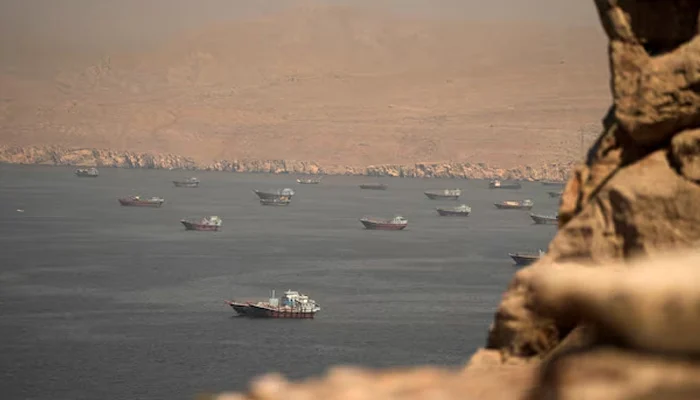
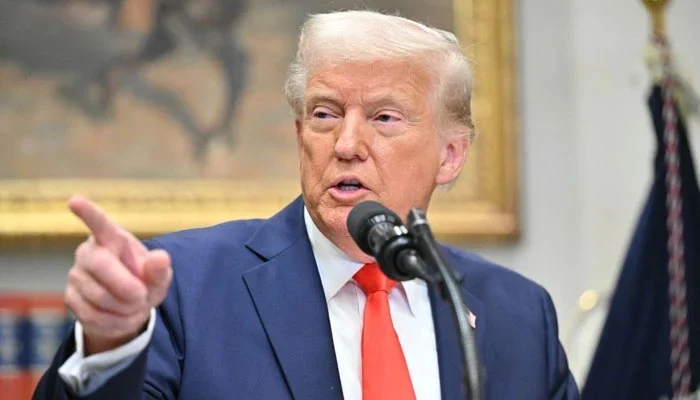
President Donald Trump reimposed a naval blockade on all Iranian ports Tuesday, warning of potential strikes on key infrastructure such as power plants and bridges next week unless Tehran enters negotiations. The US military announced ongoing operations aimed at further degrading Iran’s ability to target commercial shipping in the Strait of Hormuz. Iran claims to have closed the strait again following renewed hostilities last week, which have strained an already fragile ceasefire after months of conflict that resulted in thousands of casualties.
Trump indicated plans to target energy facilities and critical infrastructure if Iran does not negotiate, stating, “I’ll save the energy targets for last, but ultimately we’ll hit energy targets. Next week comes the power plants, next week comes the bridges—unless they get to the table and negotiate.” The 1949 Geneva Conventions prohibit attacking sites vital for civilian welfare. US negotiators have reportedly urged Iran to strike a deal, emphasizing the urgency.
Early Wednesday, Iran’s military claimed to have launched drone attacks against US positions at Jordan’s Azraq base, while Iran’s Islamic Revolutionary Guard Corps reported targeting weapons and storage facilities in Bahrain and Kuwait. Kuwait’s defenses responded to Iranian drone threats, and a fire at a Kuwaiti facility was reportedly contained. Reuters has not independently verified these reports.
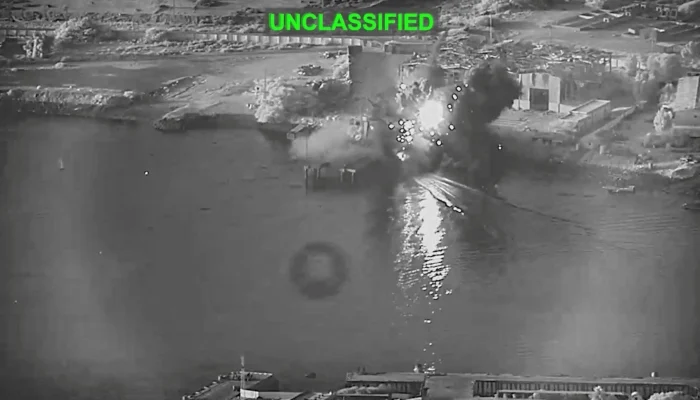
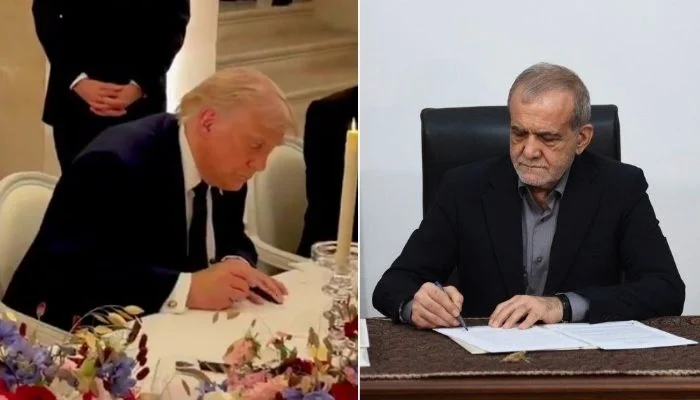
The recent escalation has cast doubt on the effectiveness of a memorandum of understanding signed last month, intended to halt hostilities, as tensions threaten to drag the region back into conflict and further disturb global energy markets. The US said it struck a location near Bandar Abbas in Iran, with Iran reporting a strike near the southern port of Sirik. Iran’s Deputy Foreign Minister Kazem Gharibabadi rejected US pressure, stating, “If the US believes that tightening measures and economic sanctions will force us back to negotiations, it is mistaken.”
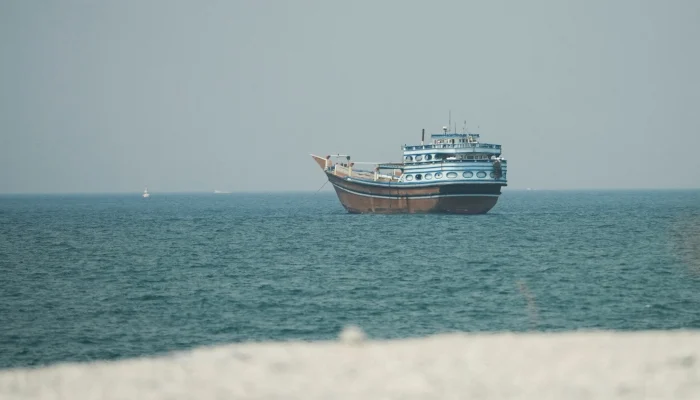
Previously, about 20% of the world’s oil and gas shipments transited the Strait of Hormuz daily. Over the last week, Iran reportedly attacked seven commercial ships, causing injuries and casualties among crew members. The UAE reported the death of an Indian crew member and injuries to others when Iranian cruise missiles struck two Emirati oil tankers. The IRGC claimed responsibility for disabling two “offending” supertankers that ignored warnings, although their identities remain unknown.
US President Trump floated a proposal for a 20% fee on maritime transit through the strait, which was met with criticism, including from the UN shipping agency. The US quickly withdrew the idea and said it would instead pursue investment agreements with Gulf nations. The naval blockade was reimposed at 2000 GMT, restricting Iranian vessel traffic, with more than 20 US Navy ships and hundreds of aircraft operating in the region.
The conflict has become unpopular domestically, affecting fuel prices ahead of midterm elections. Brent crude oil prices have surged 15% over the past week, reaching levels not seen since mid-June at $85 per barrel. Since February, the war has resulted in thousands of deaths in Iran and Lebanon, with Iran retaliating against neighboring nations. While the global economy has largely absorbed the energy disruptions, the IMF warns that prolonged conflict—beyond mid-July—poses significant risks, especially as many countries have depleted their strategic oil reserves.
In recent days, Iran claimed to have attacked a US Army base in Jordan with ballistic missiles, and Bahrain reported repelling an Iranian aerial assault. Iran’s Qeshm Island was reportedly hit by a US projectile, according to local media. Tehran insists it does not seek nuclear weapons, despite US assertions to the contrary. Iran wants sanctions lifted and recognition of its control over the Strait of Hormuz in exchange for negotiations.
Some Gulf states have reportedly considered investment opportunities in the US as an alternative to transit fees, though specifics remain unclear. The situation remains highly volatile as the US intensifies sanctions and military presence in the region.
 ChatGPT
 Perplexity
 Gemini AI
 Grok AI