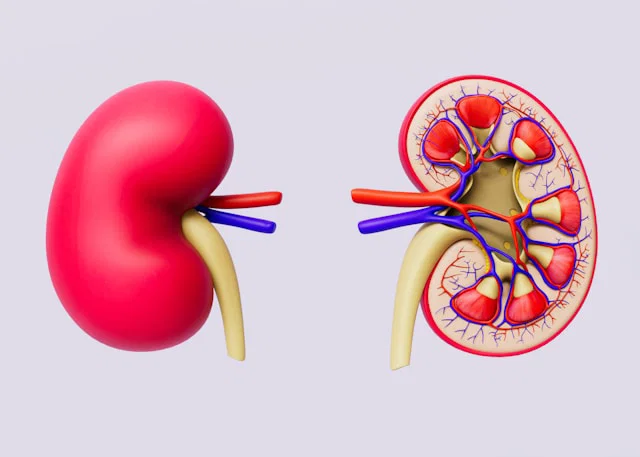
Chronic kidney disease, or CKD, is becoming a significant health concern globally. In the U.S., over 35 million adults live with this condition, many of whom are unaware they have it.
Often developing silently over years, kidney disease may not show obvious symptoms until it’s advanced, meaning the kidneys could have suffered considerable damage by then. For this reason, medical experts emphasize that prevention and early detection are key to protecting kidney health.
The kidneys are two small, bean-shaped organs located on each side of your lower back. Though each is about the size of a fist, they perform critical functions every day.
They filter waste products and excess water from your bloodstream, regulate blood pressure, maintain mineral balance such as sodium and potassium, produce hormones that stimulate red blood cell production, and keep your bones strong. When the kidneys don’t function properly, waste and fluids can accumulate inside your body.
This buildup can raise the risk of cardiovascular disease, stroke, anemia, weakened bones, and eventually lead to kidney failure. Individuals with end-stage kidney disease typically require ongoing dialysis or a kidney transplant to survive.
Dr. Vasil Peev, a nephrology expert at Rush, points out that while many types of kidney illnesses can be managed effectively, only a limited number can be fully cured. Early detection and preventative measures are therefore vital to avoid further damage.
Understanding your personal risk factors is an important first step. Kidney problems tend to be more common in people with diabetes, high blood pressure, obesity, heart disease, a family history of kidney issues, and adults over 60.
Because symptoms might not show until the disease has progressed significantly, routine health exams are crucial. Doctors often suggest simple blood and urine tests that can detect kidney issues long before you start feeling unwell.
Maintaining a nutritious diet also plays a vital role in kidney health. Consuming plenty of fruits, vegetables, whole grains, and healthy foods helps regulate blood pressure, blood sugar levels, and weight.
Cutting back on salt is especially important since excess sodium can elevate blood pressure and add stress to your kidneys. Additionally, limiting sugary and processed foods can lower the risk of developing diabetes and obesity, which are leading causes of kidney problems.
Engaging in regular exercise supports kidney health too. Aim for at least 30 minutes of moderate activity most days, such as walking, cycling, swimming, or jogging. Exercise helps control weight, lower blood pressure, improve blood sugar, and promote heart health—all of which lessen the strain on your kidneys.
Staying properly hydrated is equally essential. Drinking enough water assists the kidneys in flushing out waste. Dehydration can decrease kidney blood flow and increase injury risk. Individual needs vary, but most healthy adults should aim to drink sufficient water daily unless a doctor recommends otherwise.
Managing conditions like diabetes, hypertension, and high cholesterol is among the most effective ways to prevent kidney damage. Since diabetes and high blood pressure are the primary causes of kidney failure, keeping them under control is crucial.
Achieving good control of blood sugar and blood pressure can markedly reduce the likelihood of permanent kidney damage. Losing excess weight, if needed, can further improve these conditions and diminish risk.
Another prevention tip involves avoiding overuse of NSAIDs—nonsteroidal anti-inflammatory drugs such as ibuprofen and aspirin. Although available over the counter, frequent or prolonged use of these medications can harm the kidneys, especially in individuals with pre-existing kidney issues. If pain or fever persists longer than expected, consult a healthcare professional instead of continuing these medications.
Limiting alcohol intake also benefits kidney health. Excessive alcohol consumption can cause kidney damage and increase disease risk. Drinking alcohol in moderation is generally safer for most healthy adults.
Lastly, quitting smoking is one of the best steps you can take for your kidneys and overall health. Smoking reduces blood flow to the kidneys, complicates blood pressure control, and raises the risk of kidney disease. Research shows that stopping smoking can lead to a slower decline in kidney function compared to continuing to smoke.
Protecting your kidneys doesn’t require drastic overnight changes. Small, consistent healthy habits can accumulate over time and make a significant difference.
Regular check-ups, healthy eating, physical activity, staying hydrated, managing chronic illnesses, responsible medication use, limiting alcohol, and avoiding cigarettes can all help maintain kidney function for many years.
If kidney health is a priority, consider exploring recent research on pesticides linked to CKD, and medications that might prevent kidney failure in diabetics.
Additional studies highlight potential treatments for kidney failure and evidence that certain vegetables could offer protective benefits against kidney damage.
Copyright © 2026 Knowridge Science Report. All rights reserved.