Tag: healthy lifestyle

  • Scientists Find Clue Behind Premature Brain Aging

    Scientists Find Clue Behind Premature Brain Aging

    Growing older impacts every part of the body, including the brain. Most people notice slow changes in memory and thinking as they age. These shifts are typically minor, but some individuals’ brains seem to age much faster than expected. Accelerated brain aging has been associated with serious health conditions such as dementia, Alzheimer’s, Parkinson’s disease, stroke, depression, and anxiety.

    Researchers at Jilin University and China Medical University sought to understand the causes behind this phenomenon. Their recent study highlights an unexpected factor that many can measure during a routine health check: blood sugar levels. Glucose, which is the body’s primary energy source, is vital for all cells, especially brain cells. However, consistently high blood glucose over many years can damage small blood vessels, promote inflammation, and disrupt healthy brain activity.

    To explore this connection, the team analyzed MRI scans from thousands of healthy adults using data from the UK Biobank. They employed machine learning techniques to estimate each individual’s brain age, testing various models to find the most accurate one. This approach allowed them to determine the brain age of over 37,000 participants and compare these estimates with blood test results and genetic data.

    Among nine blood components examined, glucose consistently stood out as linked to brain aging. Participants with elevated blood sugar levels showed brains that appeared significantly older than their actual age. Genetic analyses reinforced the idea that glucose might directly influence faster brain aging.

    The study revealed another concerning trend: higher blood glucose levels correlated with increased risk for several brain-related diseases, including Alzheimer’s, vascular dementia, Parkinson’s, stroke, depression, and anxiety. Elevated blood sugar was also associated with reduced cognitive function, diminished mobility, poorer mental health, and smaller brain regions observable on MRI scans.

    These findings underline the importance of blood sugar control, even for those without diabetes. Healthcare professionals already advocate for healthy eating, regular physical activity, weight management, and medical intervention when necessary to keep glucose levels in check. This research suggests these habits might also protect brain health.

    While the study doesn’t establish that lowering blood sugar will definitively slow brain aging, it highlights a promising area for future prevention efforts. Identifying modifiable factors like blood glucose provides a valuable target for lowering the risk of cognitive decline and related diseases.

    For those interested in wellness, exploring nutritional strategies to combat inflammation and support healthy aging is recommended. Recent studies also highlight the link between processed foods and chronic illness, as well as simple dietary changes that could improve health after age 65.

    This research was published in Molecular Psychiatry.
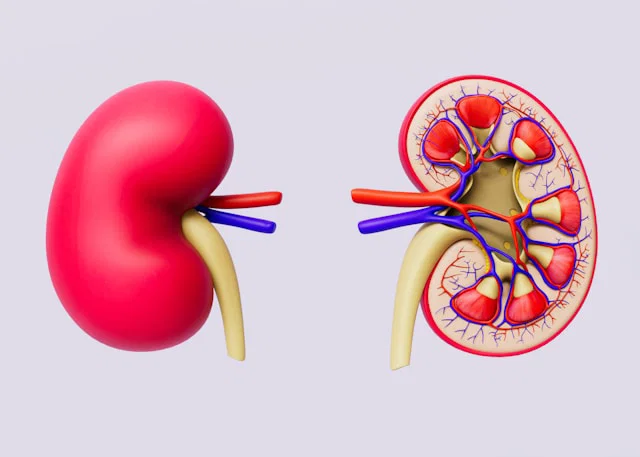
  • 6 Easy Ways to Safeguard Your Kidneys Before Damage Occurs

    6 Easy Ways to Safeguard Your Kidneys Before Damage Occurs

    Credit: Unsplash+


    Chronic kidney disease, or CKD, is becoming a significant health concern globally. In the U.S., over 35 million adults live with this condition, many of whom are unaware they have it.

    Often developing silently over years, kidney disease may not show obvious symptoms until it’s advanced, meaning the kidneys could have suffered considerable damage by then. For this reason, medical experts emphasize that prevention and early detection are key to protecting kidney health.

    The kidneys are two small, bean-shaped organs located on each side of your lower back. Though each is about the size of a fist, they perform critical functions every day.

    They filter waste products and excess water from your bloodstream, regulate blood pressure, maintain mineral balance such as sodium and potassium, produce hormones that stimulate red blood cell production, and keep your bones strong. When the kidneys don’t function properly, waste and fluids can accumulate inside your body.

    This buildup can raise the risk of cardiovascular disease, stroke, anemia, weakened bones, and eventually lead to kidney failure. Individuals with end-stage kidney disease typically require ongoing dialysis or a kidney transplant to survive.

    Dr. Vasil Peev, a nephrology expert at Rush, points out that while many types of kidney illnesses can be managed effectively, only a limited number can be fully cured. Early detection and preventative measures are therefore vital to avoid further damage.

    Understanding your personal risk factors is an important first step. Kidney problems tend to be more common in people with diabetes, high blood pressure, obesity, heart disease, a family history of kidney issues, and adults over 60.

    Because symptoms might not show until the disease has progressed significantly, routine health exams are crucial. Doctors often suggest simple blood and urine tests that can detect kidney issues long before you start feeling unwell.

    Maintaining a nutritious diet also plays a vital role in kidney health. Consuming plenty of fruits, vegetables, whole grains, and healthy foods helps regulate blood pressure, blood sugar levels, and weight.

    Cutting back on salt is especially important since excess sodium can elevate blood pressure and add stress to your kidneys. Additionally, limiting sugary and processed foods can lower the risk of developing diabetes and obesity, which are leading causes of kidney problems.

    Engaging in regular exercise supports kidney health too. Aim for at least 30 minutes of moderate activity most days, such as walking, cycling, swimming, or jogging. Exercise helps control weight, lower blood pressure, improve blood sugar, and promote heart health—all of which lessen the strain on your kidneys.

    Staying properly hydrated is equally essential. Drinking enough water assists the kidneys in flushing out waste. Dehydration can decrease kidney blood flow and increase injury risk. Individual needs vary, but most healthy adults should aim to drink sufficient water daily unless a doctor recommends otherwise.

    Managing conditions like diabetes, hypertension, and high cholesterol is among the most effective ways to prevent kidney damage. Since diabetes and high blood pressure are the primary causes of kidney failure, keeping them under control is crucial.

    Achieving good control of blood sugar and blood pressure can markedly reduce the likelihood of permanent kidney damage. Losing excess weight, if needed, can further improve these conditions and diminish risk.

    Another prevention tip involves avoiding overuse of NSAIDs—nonsteroidal anti-inflammatory drugs such as ibuprofen and aspirin. Although available over the counter, frequent or prolonged use of these medications can harm the kidneys, especially in individuals with pre-existing kidney issues. If pain or fever persists longer than expected, consult a healthcare professional instead of continuing these medications.

    Limiting alcohol intake also benefits kidney health. Excessive alcohol consumption can cause kidney damage and increase disease risk. Drinking alcohol in moderation is generally safer for most healthy adults.

    Lastly, quitting smoking is one of the best steps you can take for your kidneys and overall health. Smoking reduces blood flow to the kidneys, complicates blood pressure control, and raises the risk of kidney disease. Research shows that stopping smoking can lead to a slower decline in kidney function compared to continuing to smoke.

    Protecting your kidneys doesn’t require drastic overnight changes. Small, consistent healthy habits can accumulate over time and make a significant difference.

    Regular check-ups, healthy eating, physical activity, staying hydrated, managing chronic illnesses, responsible medication use, limiting alcohol, and avoiding cigarettes can all help maintain kidney function for many years.

    If kidney health is a priority, consider exploring recent research on pesticides linked to CKD, and medications that might prevent kidney failure in diabetics.

    Additional studies highlight potential treatments for kidney failure and evidence that certain vegetables could offer protective benefits against kidney damage.

    Copyright © 2026 Knowridge Science Report. All rights reserved.