
Select Language:
Blood pressure is one of the most frequently checked indicators of health. Nearly everyone has their blood pressure measured at a doctor’s office, pharmacy, hospital, or even at home.
These readings are crucial because high blood pressure, or hypertension, is a leading cause of heart disease, strokes, kidney problems, and heart attacks.
The issue is that high blood pressure usually doesn’t cause obvious symptoms. Many individuals feel perfectly healthy even when their blood pressure is dangerously high. That’s why accurate blood pressure measurement is so essential.
However, a new study from researchers at the University of Cambridge suggests that the typical way of measuring blood pressure may not be as precise as most assume.
Published in PNAS Nexus, the study’s findings could explain why some cases of high blood pressure go undetected and may lead to improved methods for measuring blood pressure both in clinics and at home.
It’s estimated that up to 30% of hypertension cases may be missed because of inaccuracies in measurement. This means millions of people could be living with untreated high blood pressure without realizing it, putting them at risk for serious health problems over time.
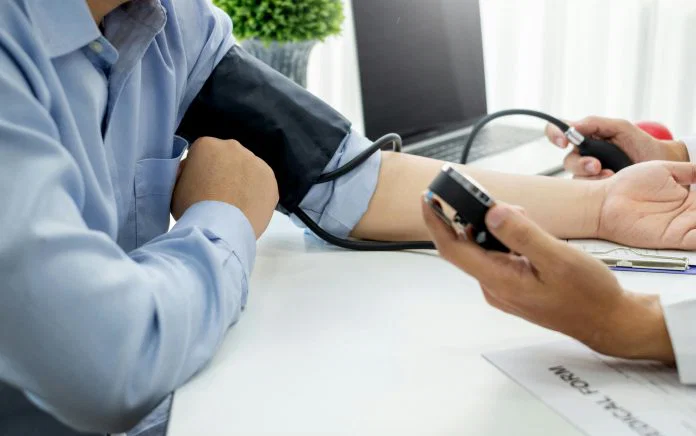
The most common technique for measuring blood pressure is the auscultatory method. It involves wrapping an inflatable cuff around the upper arm and inflating it until blood flow temporarily stops. As the cuff deflates gradually, a healthcare professional listens for tapping sounds with a stethoscope.
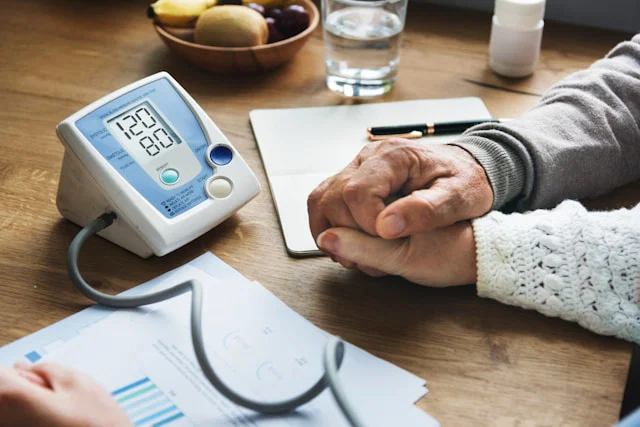
These sounds help determine two key numbers: the systolic reading, which measures pressure during the heart’s contraction, and the diastolic reading, which captures pressure when the heart relaxes. A typical healthy reading is around 120/80 mmHg.
Scientists have long known that cuff-based measurements have limitations. They often underestimate systolic pressure and overestimate diastolic pressure.
While the inaccuracy of diastolic measurements was understood, the reason why systolic readings tend to be lower than actual values wasn’t fully clear.
To explore this, Cambridge researchers created a physical model that mimics blood flow in arteries during measurement. Unlike previous models using rubber tubes that didn’t behave like real arteries, they used flat tubes that collapse similarly to actual blood vessels under pressure.
The results revealed that when the cuff cuts off blood flow, pressure below the cuff drops significantly. This low pressure keeps the artery closed longer than expected as the cuff deflates, delaying the onset of the tapping sounds that signal systolic pressure. Consequently, the reading appears lower than the true systolic value.
This discovery is significant because systolic blood pressure is a critical predictor of future cardiovascular events, especially among older adults. Underestimating it could mean that some individuals with hypertension do not receive the treatment they need.
The good news is that improving measurement accuracy might not require costly new equipment. Researchers suggest that simply elevating the arm before taking a reading can help stabilize pressure below the cuff, making results more accurate. This simple adjustment could be easily adopted in routine healthcare.
These findings could also influence the development of future blood pressure devices. New technology might consider factors like age, body mass index, and tissue characteristics to produce more personalized and precise readings.
The research team plans to conduct clinical studies to test these effects in diverse populations and real-world settings. The study received funding from the UK’s Engineering and Physical Sciences Research Council, part of UK Research and Innovation.
This research highlights that even basic medical tests can have unseen limitations. Accurate diagnosis of high blood pressure is vital because it often develops silently. Small improvements in measurement methods could help identify more individuals who need treatment and improve health outcomes worldwide.
If you’re interested in managing blood pressure, consider reading about how drinking tea may help lower it, or how early time-restricted eating could be beneficial.
Additional studies link added sugar intake to higher blood pressure and suggest vitamin D supplementation might improve blood pressure in people with diabetes.
© 2026 Knowridge Science Report. All rights reserved.
 ChatGPT
 Perplexity
 Gemini AI
 Grok AI