Tag: blood pressure

  • New Blood Pressure Test May Detect Hidden Heart Risks

    New Blood Pressure Test May Detect Hidden Heart Risks

    Blood pressure is a vital measurement used by physicians to assess the health of the heart and blood vessels. It indicates how forcefully blood presses against the artery walls as the heart circulates blood through the body. persistent high blood pressure, if left unmanaged, causes the heart to work harder and gradually damages blood vessels throughout the body.

    Over time, this increases the risk of heart attacks, strokes, heart failure, kidney disease, and other serious health issues. Because high blood pressure often presents no obvious symptoms, it’s often called the “silent killer.” Many individuals feel perfectly fine even when their blood pressure is dangerously elevated. This underscores the importance of regular blood pressure monitoring. Detecting hypertension early allows for lifestyle adjustments or treatment before complications arise.

    Most people are familiar with the typical method of measuring blood pressure. During a doctor’s visit, patients usually sit quietly for a few minutes while a cuff is placed around their upper arm. The cuff inflates briefly, and the device records the reading. This has been the standard procedure for many years and remains common in most healthcare settings.

    However, recent studies suggest that measuring blood pressure solely in a sitting position might not provide the full picture. A presentation at the American Heart Association’s Hypertension Scientific Sessions 2023 revealed that checking blood pressure while lying down could uncover hidden risks that otherwise go unnoticed.

    Led by Duc M. Giao, a medical student at Harvard Medical School, the research analyzed health data from over 11,000 adults who participated in a long-term health study between 1987 and 1989. Participants had their blood pressure measured in a lying position, with researchers tracking their health over nearly three decades to see who developed heart disease or other significant medical conditions later on.

    The findings were eye-opening. Approximately 16% of participants exhibited high blood pressure only when lying down, despite showing normal readings when sitting. This means many individuals could have undetected high blood pressure, potentially putting them at risk without knowing it. Furthermore, those with elevated blood pressure while lying down faced higher chances of developing cardiovascular issues, heart failure, and strokes. They were also more likely to experience premature death compared to those whose blood pressure remained normal.

    Even individuals with high blood pressure only in the supine position faced increased health risks, indicating that blood pressure control is more nuanced than previously understood. Body position can influence readings, and such variations might provide crucial insights into future health risks.

    Giao points out that people already at elevated risk for heart disease or stroke could benefit from measuring their blood pressure in multiple positions. Taking readings while lying down might reveal hidden problems earlier and offer a more comprehensive view of blood pressure behavior, including during daily activities and sleep.

    Because the study mainly involved middle-aged adults, these findings could be especially relevant for this age group. Experts emphasize the need for further research to verify whether similar patterns are observed in older populations or different demographics before officially updating medical guidelines.

    While the study, presented at a prestigious scientific conference, still requires additional validation, it raises an important question: could a simple change in blood pressure measurement techniques enhance early detection of heart disease? If future studies confirm these results, measuring blood pressure both sitting and lying down could become a valuable addition for health screenings, helping physicians identify at-risk individuals before serious issues develop.

    Small adjustments in medical practices, such as incorporating lying-down blood pressure measurements, have the potential to make a significant difference. This approach could lead to earlier intervention, improved risk assessment, and better preventive care for those vulnerable to cardiovascular conditions.

    For those concerned about managing high blood pressure, exploring the impact of vitamins and other dietary strategies may be helpful. Learning how to regulate both blood pressure and diabetes through nutritious foods, including modifications of traditional Chinese cuisine, can play a critical role. Staying informed with recent research on optimal and harmful foods for high blood pressure is essential for proactive health management.

    © 2026 Knowridge Science Report. All rights reserved.
  • Why Both Blood Pressure Numbers Are More Important Than You Think

    Why Both Blood Pressure Numbers Are More Important Than You Think

    Blood pressure is one of the most common health metrics, yet many individuals aren’t clear on what the two numbers actually indicate. The first number, known as systolic pressure, measures the force of blood pressing against the artery walls when the heart beats. The second number, called diastolic pressure, reflects the pressure when the heart relaxes between beats. Together, these readings offer valuable insight into cardiovascular health.

    A large-scale study led by Dr. Michael Hecht Olsen from the University of Southern Denmark points to the importance of paying attention to both numbers. Published in the journal Hypertension, the research tracked over 107,000 adults aged 19 to 97 for 26 years. At the start, none of the participants had any diagnosed heart conditions. Throughout the study, some individuals developed heart disease, experienced heart attacks or strokes, or died from heart-related illnesses. The researchers examined how initial blood pressure readings correlated with these outcomes.

    The findings revealed that systolic blood pressure was generally the strongest predictor of future heart problems across nearly all age groups. This supports existing medical guidelines, which often prioritize the top number because it has been linked to increased risks of heart attacks, strokes, heart failure, and early death.

    However, the study also highlighted that diastolic pressure should not be overlooked. For adults under 50, diastolic pressure provided additional important information about potential heart disease risks. In other words, younger individuals with elevated diastolic readings might already show early warning signs, even if their systolic pressures are within normal ranges.

    The researchers also looked at mean arterial pressure (MAP), a combined measurement that averages the pressure across an entire heartbeat. MAP also proved to be a reliable indicator of future cardiovascular risk.

    High blood pressure is often called the “silent killer” because it usually presents no obvious symptoms until significant damage has been done. Over time, it can harm blood vessels and increase the likelihood of heart disease, stroke, kidney issues, and vision problems.

    These findings serve as a reminder for both doctors and patients that evaluating both systolic and diastolic numbers provides a more comprehensive understanding of heart health. Maintaining good blood pressure levels can be achieved through healthy eating, regular physical activity, weight management, limiting salt intake, avoiding smoking, and adhering to medical advice.

    For those interested in tackling high blood pressure, it’s helpful to explore studies on how dietary choices can help lower these numbers—such as diets rich in certain nutrients or including 3 grams of omega-3s daily. Additional research explores how beverages like tea and coffee impact blood pressure risk, and whether certain oils, like olive oil, can reduce blood pressure in healthy individuals.

  • Scientists: Diabetes Sparks New Rise in Kidney Disease

    Scientists: Diabetes Sparks New Rise in Kidney Disease

    Chronic kidney disease ranks among the most widespread long-term health issues worldwide, yet many remain unaware of it until they receive a diagnosis. The kidneys perform vital functions—they remove waste, regulate fluid levels, balance minerals, and help control blood pressure. When these functions decline gradually, waste begins to accumulate in the body, raising the risk of severe health problems.

    Because kidney disease often progresses slowly and initially presents few symptoms, many don’t realize anything is wrong until significant damage has already taken place. This is concerning because advanced kidney disease significantly raises the chances of heart attacks, strokes, kidney failure, and even early death. As the condition worsens, some patients may eventually require dialysis or a kidney transplant to survive. This makes understanding how common kidney disease is and what causes it critically important.

    A recent study from Boston University revealed that while the overall number of Americans living with chronic kidney disease has stayed relatively steady over the past ten years, the primary causes are evolving. The findings, published in the New England Journal of Medicine, show that approximately one in seven adults in the U.S. had chronic kidney disease in both 2013 and 2023.

    However, the proportion of kidney disease linked to diabetes rose from 4.7% to 5.7%, a roughly 30% increase. Meanwhile, cases not related to diabetes remained mostly unchanged. To analyze these trends, researchers examined health data from 25,106 adults who participated in the National Health and Nutrition Examination Survey from 2013 to 2023. Participants underwent interviews, physical exams, blood tests, and urine analyses.

    Two standard kidney assessments were employed: a blood test to evaluate how well the kidneys filter waste and a urine test to detect protein leakage—a sign of early kidney damage. The study also analyzed how kidney disease varied across different groups based on age, sex, race, education, income, weight, hypertension, diabetes, and heart disease, uncovering persistent health disparities.

    Black Americans continued to experience significantly higher rates of chronic kidney disease than White Americans, with nearly one in five affected. This disparity did not improve over the decade. Men showed a slight increase in kidney disease rates, while women’s rates remained relatively stable.

    An important aspect of the research was the widening gap in kidney disease prevalence between those with lower and higher education levels, indicating social and economic factors—including access to healthcare, nutritious food, and preventative services—may play a critical role, alongside biological ones.

    The study highlighted a growing link between kidney disease, diabetes, and cardiovascular issues. High blood sugar from diabetes damages tiny blood vessels in the kidneys over time, while impaired kidneys increase stress on the heart and vessels, creating a cycle that worsens both conditions. Despite advances like SGLT2 inhibitors and finerenone—medications that can protect kidney function—overall rates of chronic kidney disease have not decreased, suggesting more efforts are needed to improve treatment access and effectiveness.

    This interconnectedness points to what the American Heart Association describes as the cardiovascular-kidney-metabolic syndrome, where these health problems are closely intertwined. Future treatment strategies may need to address all three simultaneously rather than as separate issues.

    While this study offers a comprehensive picture of kidney health trends nationally, it doesn’t pinpoint the exact reasons behind the rise in diabetes-related kidney damage. Further research will be essential to explore whether earlier detection, wider use of protective medications, healthier lifestyle choices, and better diabetes prevention can reverse this pattern.

    Regular kidney testing in people with diabetes remains crucial, as early intervention can slow damage before symptoms emerge. For those interested in health advancements, exploring studies about potential cures for type 2 diabetes and what vegetables might guard against kidney damage can be beneficial.

    Additional recent research discusses new medications that may reduce the risk of developing type 2 diabetes, as well as studies linking higher egg consumption to increased diabetes risk.

  • New Scan Could Aid Some in Lowering High Blood Pressure

    New Scan Could Aid Some in Lowering High Blood Pressure

    High blood pressure impacts millions globally and is a leading cause of heart disease, strokes, kidney problems, and premature death. While many manage their condition through lifestyle changes and medication, some cases are caused by hidden factors deep within the body. Researchers from Queen Mary University of London, along with several other institutions, have developed a new type of CT scan that could help doctors uncover these hidden causes.

    Published in Nature Medicine, the study offers hope for individuals whose high blood pressure stems from tiny growths in the adrenal glands. These small glands, located above each kidney, produce hormones that regulate blood pressure, stress response, and salt-water balance. One key hormone, aldosterone, prompts the kidneys to manage salt and water levels. Excess aldosterone causes the body to retain too much salt and water, elevating blood pressure and increasing the risk of health complications over time.

    For over six decades, clinicians have recognized that some people develop small, benign nodules in an adrenal gland that produce too much aldosterone. Such nodules are estimated to occur in about 5% of people with hypertension. Despite being relatively common, diagnosing these tiny growths has been challenging because conventional scans often miss them due to their small size.

    Previously, the primary method for detection was adrenal vein sampling—a complex procedure involving threading a thin catheter into veins near the adrenal glands to compare hormone levels from each side. This invasive test requires specialized expertise, is limited to certain hospitals, can be uncomfortable, and sometimes yields inconclusive results.

    The new study tested an alternative approach in 128 patients with aldosterone-related high blood pressure. They used a novel CT scan combined with a short-acting radioactive dye called metomidate. This dye temporarily accumulates in hormone-producing tissues, causing small nodules to light up brightly on the scan. As a result, doctors can precisely identify which adrenal gland is overproducing hormones.

    The findings were promising. The scans detected tiny, hormone-secreting nodules in approximately two-thirds of the participants. Remarkably, the technique was successful in every case, providing a quick, non-invasive way to locate problem areas. Many of these nodules would likely have been overlooked with standard imaging methods.

    In addition, researchers paired the scan with a simple urine steroid test. Together, these tests helped identify which patients would most benefit from surgical removal of the affected gland. When only one adrenal gland contains the overactive nodule, surgery can be performed to remove it. Following this procedure, some patients cease their blood pressure medications altogether, while others experience significantly better blood pressure control with fewer drugs.

    This breakthrough could significantly impact healthcare by enabling earlier detection of treatable hormonal causes of high blood pressure. Since hypertension often develops silently and damages blood vessels and organs over years, early diagnosis and targeted treatment could reduce medication dependence, lower the risk of heart attacks and strokes, and improve overall quality of life.

    While larger studies are necessary before the new scan becomes widely available, initial results are highly encouraging. Many patients currently undiagnosed might soon receive more accurate diagnoses and appropriate treatment. Led by Professor Morris Brown, the research underscores the potential for advanced imaging to transform hypertension management.

  • 6 Easy Ways to Safeguard Your Kidneys Before Damage Occurs

    6 Easy Ways to Safeguard Your Kidneys Before Damage Occurs

    Credit: Unsplash+


    Chronic kidney disease, or CKD, is becoming a significant health concern globally. In the U.S., over 35 million adults live with this condition, many of whom are unaware they have it.

    Often developing silently over years, kidney disease may not show obvious symptoms until it’s advanced, meaning the kidneys could have suffered considerable damage by then. For this reason, medical experts emphasize that prevention and early detection are key to protecting kidney health.

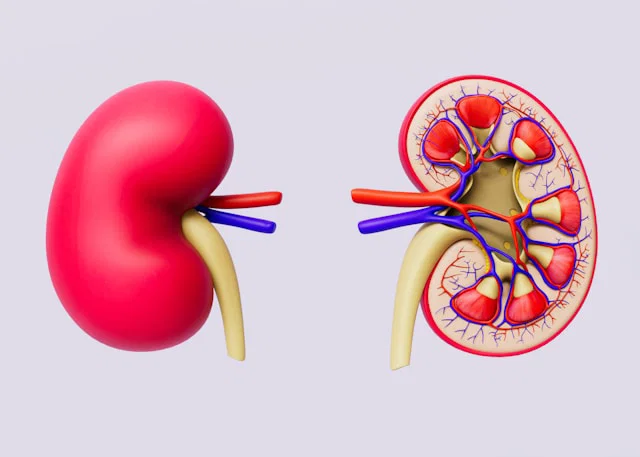
    The kidneys are two small, bean-shaped organs located on each side of your lower back. Though each is about the size of a fist, they perform critical functions every day.

    They filter waste products and excess water from your bloodstream, regulate blood pressure, maintain mineral balance such as sodium and potassium, produce hormones that stimulate red blood cell production, and keep your bones strong. When the kidneys don’t function properly, waste and fluids can accumulate inside your body.

    This buildup can raise the risk of cardiovascular disease, stroke, anemia, weakened bones, and eventually lead to kidney failure. Individuals with end-stage kidney disease typically require ongoing dialysis or a kidney transplant to survive.

    Dr. Vasil Peev, a nephrology expert at Rush, points out that while many types of kidney illnesses can be managed effectively, only a limited number can be fully cured. Early detection and preventative measures are therefore vital to avoid further damage.

    Understanding your personal risk factors is an important first step. Kidney problems tend to be more common in people with diabetes, high blood pressure, obesity, heart disease, a family history of kidney issues, and adults over 60.

    Because symptoms might not show until the disease has progressed significantly, routine health exams are crucial. Doctors often suggest simple blood and urine tests that can detect kidney issues long before you start feeling unwell.

    Maintaining a nutritious diet also plays a vital role in kidney health. Consuming plenty of fruits, vegetables, whole grains, and healthy foods helps regulate blood pressure, blood sugar levels, and weight.

    Cutting back on salt is especially important since excess sodium can elevate blood pressure and add stress to your kidneys. Additionally, limiting sugary and processed foods can lower the risk of developing diabetes and obesity, which are leading causes of kidney problems.

    Engaging in regular exercise supports kidney health too. Aim for at least 30 minutes of moderate activity most days, such as walking, cycling, swimming, or jogging. Exercise helps control weight, lower blood pressure, improve blood sugar, and promote heart health—all of which lessen the strain on your kidneys.

    Staying properly hydrated is equally essential. Drinking enough water assists the kidneys in flushing out waste. Dehydration can decrease kidney blood flow and increase injury risk. Individual needs vary, but most healthy adults should aim to drink sufficient water daily unless a doctor recommends otherwise.

    Managing conditions like diabetes, hypertension, and high cholesterol is among the most effective ways to prevent kidney damage. Since diabetes and high blood pressure are the primary causes of kidney failure, keeping them under control is crucial.

    Achieving good control of blood sugar and blood pressure can markedly reduce the likelihood of permanent kidney damage. Losing excess weight, if needed, can further improve these conditions and diminish risk.

    Another prevention tip involves avoiding overuse of NSAIDs—nonsteroidal anti-inflammatory drugs such as ibuprofen and aspirin. Although available over the counter, frequent or prolonged use of these medications can harm the kidneys, especially in individuals with pre-existing kidney issues. If pain or fever persists longer than expected, consult a healthcare professional instead of continuing these medications.

    Limiting alcohol intake also benefits kidney health. Excessive alcohol consumption can cause kidney damage and increase disease risk. Drinking alcohol in moderation is generally safer for most healthy adults.

    Lastly, quitting smoking is one of the best steps you can take for your kidneys and overall health. Smoking reduces blood flow to the kidneys, complicates blood pressure control, and raises the risk of kidney disease. Research shows that stopping smoking can lead to a slower decline in kidney function compared to continuing to smoke.

    Protecting your kidneys doesn’t require drastic overnight changes. Small, consistent healthy habits can accumulate over time and make a significant difference.

    Regular check-ups, healthy eating, physical activity, staying hydrated, managing chronic illnesses, responsible medication use, limiting alcohol, and avoiding cigarettes can all help maintain kidney function for many years.

    If kidney health is a priority, consider exploring recent research on pesticides linked to CKD, and medications that might prevent kidney failure in diabetics.

    Additional studies highlight potential treatments for kidney failure and evidence that certain vegetables could offer protective benefits against kidney damage.

    Copyright © 2026 Knowridge Science Report. All rights reserved.


  • Childhood Juice & Soda Intake Linked to Higher Blood Pressure Later

    Childhood Juice & Soda Intake Linked to Higher Blood Pressure Later

    High blood pressure is often seen as a condition affecting mostly older adults, but medical professionals are now noticing it increasingly in young adults, teenagers, and even children. This is troubling because high blood pressure can silently harm the body for years before any symptoms appear. Over time, it raises the risk of heart attacks, strokes, heart failure, and kidney problems.

    While some factors like age and genetics can’t be changed, lifestyle choices, especially diet, play a significant role in managing blood pressure. For decades, researchers have known that consuming sugary drinks is associated with weight gain and cardiovascular issues. Yet, less is understood about how beverage choices early in life influence blood pressure decades later.

    Recent research published in Circulation, the official journal of the American Heart Association, indicates that regular consumption of sugary drinks and large servings of fruit juice from childhood into adulthood may increase the chances of developing high blood pressure later in life. The study was led by Dr. Vasanti Malik from the University of Toronto, who also holds a position at Harvard’s T.H. Chan School of Public Health.

    The study analyzed data from over 25,000 young people participating in a long-term U.S. health study, with participants completing questionnaires every one to four years. They reported their intake frequency for sugary drinks, fruit juice, and whole fruits, alongside details about their diet, physical activity, smoking, and body measurements.

    Following these individuals for up to 25 years allowed researchers to explore how eating habits during childhood and adolescence could influence health in adulthood. The findings revealed a distinct pattern: those who drank two or more sugary beverages daily had a 52% higher risk of developing high blood pressure compared to those consuming fewer than three servings weekly.

    Certain drinks posed even greater risks. Each daily soda serving was associated with a 23% increase in risk, while each daily sports drink serving was linked to a 36% increase. Fruit juice consumption also showed unexpected results—people drinking at least one and a half servings of fruit juice daily faced a 35% higher chance of high blood pressure compared to those who rarely drank fruit juice.

    When analyzing specific types of fruit juice, orange juice stood out—each daily serving was linked to a 20% higher risk of elevated blood pressure. However, researchers noted that some participants might have misreported sweetened orange-flavored drinks as genuine orange juice, which could have skewed the results.

    On a positive note, replacing one daily serving of sugary beverages with whole fruits was associated with a 22% lower risk of developing high blood pressure. Similarly, swapping fruit juice for whole fruit reduced risk by 19%. Replacing sugary drinks with water or milk was also linked to up to a 13% risk reduction.

    Importantly, these associations persisted even after accounting for overall diet quality, physical activity, and other lifestyle factors. This suggests that the type of beverage consumed might independently affect blood pressure risk. Whole fruits are generally healthier than fruit juices since they contain fiber, which slows sugar absorption and promotes satiety. Conversely, even 100% fruit juices contain concentrated sugars and lack the fiber found in whole fruit.

    While the study does not prove causation, it adds substantial evidence that early beverage choices can influence long-term heart health. The findings underscore the importance of adopting healthy habits early in life, with whole fruits being a superior option compared to sugary drinks and large quantities of fruit juice.

    Moderate consumption of 100% fruit juice might still be part of a balanced diet, but the evidence suggests that drinking large amounts could be less harmless than many believe. Early dietary decisions can have a lasting impact on cardiovascular health for decades to come.

    For those concerned about blood pressure, it’s worth exploring studies showing that black licorice could cause dangerous spikes, while certain plant nutrients might help reduce it. Additionally, recent research highlights how coffee may influence blood pressure risk and how olive oil could help lower blood pressure in healthy individuals.

    Source: University of Toronto.

  • Rethink: Common Blood Pressure Medication Might Not Be the Best First Option

    Rethink: Common Blood Pressure Medication Might Not Be the Best First Option

    Credit: Unsplash+

    High blood pressure, also known as hypertension, is one of the most common health issues worldwide.

    Millions live with it, often unaware because it typically has no noticeable symptoms in its early stages.

    Though individuals might feel perfectly healthy, elevated blood pressure can gradually damage the heart, arteries, kidneys, and brain. If left untreated, it significantly raises the risk of heart attacks, strokes, heart failure, and other critical problems.

    Medical professionals have a variety of medications to lower blood pressure. Commonly prescribed drugs include thiazide diuretics, ACE inhibitors, angiotensin receptor blockers (ARBs), and calcium channel blockers.

    While these medications all effectively reduce blood pressure, there’s been ongoing debate about which should be prescribed first during initial treatment.

    Current guidelines are often based on expert opinions and smaller studies, prompting researchers at Columbia University to investigate further using data from a much larger patient group.

    Led by Dr. George Hripcsak, the research team examined medical data from approximately five million individuals who recently started high blood pressure treatment. Their findings were published in The Lancet journal. The study compared health outcomes based on the first medication prescribed.

    The results were eye-opening. Nearly half of the study participants were initially prescribed ACE inhibitors, while only around 17% started on thiazide diuretics. Interestingly, those who began with thiazide diuretics experienced better results overall.

    Patients who started with thiazide diuretics had about 15% fewer major cardiovascular events compared to those who began with ACE inhibitors. These serious issues included heart attacks, strokes, and heart failure.

    This suggests that the initial choice of medication can have a long-term impact on health outcomes.

    The study also highlighted differences in side effects. ACE inhibitors were linked with 19 types of adverse effects, including kidney issues and prolonged coughs, which were much less common among patients taking thiazide diuretics.

    Based on estimates, if everyone in the study had started treatment with thiazide diuretics instead of ACE inhibitors, roughly 3,100 severe heart problems might have been prevented. This emphasizes how small adjustments in medication choices could benefit many patients.

    Thiazide diuretics have been around for decades, often called water pills. They work by increasing kidney removal of salt and water, which lowers blood volume and reduces pressure on the heart.

    ACE inhibitors lower blood pressure differently; they block a chemical that constricts blood vessels, allowing them to relax and widen, helping blood flow more easily.

    Both drug types are effective, but this study indicates that thiazide diuretics may offer greater overall benefits for many patients.

    However, the researchers stressed that not everyone on ACE inhibitors should stop their medication. Patients have unique health conditions, and some may benefit more from other options. Any medication changes should be made only after consulting with a healthcare provider.

    Still, the evidence suggests that doctors might consider prescribing thiazide diuretics more often as a first step in treating high blood pressure.

    This study underscores the importance of using large-scale, high-quality research to guide medical decisions. As more is understood about effective treatments, patients could receive therapies that are both more effective and have fewer side effects.

    Since high blood pressure remains a leading cause of illness and death worldwide, even small improvements in treatment strategies could save countless lives. Selecting the most effective initial medication might prevent thousands of heart attacks, strokes, and instances of heart failure, improving health outcomes globally.

    If you’re interested in blood pressure management, consider reading about medications that may increase the risk of sudden cardiac arrest or herbal teas that could help lower blood pressure.

    Additionally, explore recent studies on nutrients that could significantly reduce high blood pressure and innovative antioxidants that might reverse blood vessel aging by up to 20 years.

    Copyright © 2026 Knowridge Science Report. All rights reserved.

  • Why Millions May Get Incorrect Blood Pressure Readings

    Why Millions May Get Incorrect Blood Pressure Readings

    Blood pressure is one of the most frequently checked indicators of health. Nearly everyone has their blood pressure measured at a doctor’s office, pharmacy, hospital, or even at home.

    These readings are crucial because high blood pressure, or hypertension, is a leading cause of heart disease, strokes, kidney problems, and heart attacks.

    The issue is that high blood pressure usually doesn’t cause obvious symptoms. Many individuals feel perfectly healthy even when their blood pressure is dangerously high. That’s why accurate blood pressure measurement is so essential.

    However, a new study from researchers at the University of Cambridge suggests that the typical way of measuring blood pressure may not be as precise as most assume.

    Published in PNAS Nexus, the study’s findings could explain why some cases of high blood pressure go undetected and may lead to improved methods for measuring blood pressure both in clinics and at home.

    It’s estimated that up to 30% of hypertension cases may be missed because of inaccuracies in measurement. This means millions of people could be living with untreated high blood pressure without realizing it, putting them at risk for serious health problems over time.

    The most common technique for measuring blood pressure is the auscultatory method. It involves wrapping an inflatable cuff around the upper arm and inflating it until blood flow temporarily stops. As the cuff deflates gradually, a healthcare professional listens for tapping sounds with a stethoscope.

    These sounds help determine two key numbers: the systolic reading, which measures pressure during the heart’s contraction, and the diastolic reading, which captures pressure when the heart relaxes. A typical healthy reading is around 120/80 mmHg.

    Scientists have long known that cuff-based measurements have limitations. They often underestimate systolic pressure and overestimate diastolic pressure.

    While the inaccuracy of diastolic measurements was understood, the reason why systolic readings tend to be lower than actual values wasn’t fully clear.

    To explore this, Cambridge researchers created a physical model that mimics blood flow in arteries during measurement. Unlike previous models using rubber tubes that didn’t behave like real arteries, they used flat tubes that collapse similarly to actual blood vessels under pressure.

    The results revealed that when the cuff cuts off blood flow, pressure below the cuff drops significantly. This low pressure keeps the artery closed longer than expected as the cuff deflates, delaying the onset of the tapping sounds that signal systolic pressure. Consequently, the reading appears lower than the true systolic value.

    This discovery is significant because systolic blood pressure is a critical predictor of future cardiovascular events, especially among older adults. Underestimating it could mean that some individuals with hypertension do not receive the treatment they need.

    The good news is that improving measurement accuracy might not require costly new equipment. Researchers suggest that simply elevating the arm before taking a reading can help stabilize pressure below the cuff, making results more accurate. This simple adjustment could be easily adopted in routine healthcare.

    These findings could also influence the development of future blood pressure devices. New technology might consider factors like age, body mass index, and tissue characteristics to produce more personalized and precise readings.

    The research team plans to conduct clinical studies to test these effects in diverse populations and real-world settings. The study received funding from the UK’s Engineering and Physical Sciences Research Council, part of UK Research and Innovation.

    This research highlights that even basic medical tests can have unseen limitations. Accurate diagnosis of high blood pressure is vital because it often develops silently. Small improvements in measurement methods could help identify more individuals who need treatment and improve health outcomes worldwide.

    If you’re interested in managing blood pressure, consider reading about how drinking tea may help lower it, or how early time-restricted eating could be beneficial.

    Additional studies link added sugar intake to higher blood pressure and suggest vitamin D supplementation might improve blood pressure in people with diabetes.

    © 2026 Knowridge Science Report. All rights reserved.
  • Easy Home BP Program Could Lower Stroke Risk

    Easy Home BP Program Could Lower Stroke Risk

    Credit: Unsplash+

    For many individuals, checking blood pressure typically involves visiting a healthcare provider several times a year.

    Recent studies indicate that regularly monitoring blood pressure at home could provide significantly greater health benefits than previously thought.

    A comprehensive study conducted in Scotland revealed that individuals with high blood pressure who tracked their readings at home and shared the data electronically with their doctors experienced lower rates of hospital stays and mortality compared to those receiving standard care solely through in-person visits.

    The results, published in the European Heart Journal–Digital Health, point toward a future where digital health tools may become central to preventing serious health conditions.

    High blood pressure affects hundreds of millions globally, often developing slowly without obvious symptoms—a person can carry dangerously elevated levels for years without knowing.

    This silent condition can gradually harm blood vessels and increase the risk of heart attacks, strokes, heart failure, kidney disease, and other severe health issues.

    Since high blood pressure persists for life, managing it requires continuous effort. Medical professionals typically recommend medications, healthier diets, regular physical activity, weight management, and frequent blood pressure checks.

    Researchers from Edinburgh Napier University and the University of Edinburgh aimed to find out if digital telemonitoring could improve long-term outcomes for hypertensive patients.

    They analyzed health data from nearly 450,000 patients across Scotland between 2019 and 2022, including about 9,500 individuals enrolled in a program called Connect Me BP.

    Participants used home blood pressure monitors and uploaded their readings directly to healthcare teams via a digital platform, receiving reminders to measure their blood pressure regularly.

    The study showed that those using telemonitoring saw a reduction in blood pressure within the first three months, and this improvement persisted for over a year.

    More notably, these patients experienced fewer cardiovascular events, fewer hospitalizations, and lower mortality rates compared to those receiving usual care.

    This might be because home monitoring keeps patients more engaged in their health, encouraging adherence to treatment plans and healthier lifestyle choices. Healthcare providers also gain more frequent updates, allowing for timelier medication adjustments if needed.

    The reminder system likely plays a vital role as well, helping patients stay consistent with their measurements—an integral part of effective disease management.

    However, researchers caution that the findings should be interpreted with care. Participants engaging in telemonitoring tended to be younger, needed fewer medications, and faced fewer social disadvantages than the broader population. Despite adjustments for these differences, some variables could have influenced the results.

    Further research is necessary to determine if telemonitoring provides similar benefits to older adults, those with more severe hypertension, or residents of underserved communities.

    These findings are especially relevant as healthcare systems around the world face increasing demands. Digital health solutions that promote active participation can improve outcomes while reducing strain on clinics and hospitals.

    Experts involved in the study believe Scotland is at the forefront of this innovation, with around 130,000 people already using the Connect Me BP system.

    The scientists emphasize that strokes, heart attacks, and heart failure remain leading causes of fatalities and disability. Therefore, strategies that lower these risks deserve serious attention.

    While the study’s results are promising and suggest that simple interventions can significantly enhance health outcomes, they do not prove that telemonitoring alone was responsible for all the observed benefits. Randomized controlled trials remain essential for establishing causality.

    Nevertheless, empowering individuals to monitor their blood pressure at home could become an effective and practical approach to improving cardiovascular health and promoting longer, healthier lives.

    If you’re concerned about high blood pressure, consider reviewing research on unhealthy habits that can increase risk and explore how drinking green tea may help lower blood pressure.

    For additional insights, check out recent studies on foods to eat or avoid for managing high blood pressure and a list of 12 foods proven to help lower blood pressure.

  • Researchers Create Cuffless Blood Pressure Monitor Watch

    Researchers Create Cuffless Blood Pressure Monitor Watch

    Blood pressure measurement has traditionally involved wrapping a cuff around the upper arm, inflating it until it compresses the artery, then gradually releasing it while readings are taken. Although this method is widely accepted and generally accurate, it has a significant limitation: it only provides a single snapshot at one moment in time.

    New research suggests this approach might overlook much of the critical information doctors need. A team from the University of Utah and the University of Illinois Chicago has developed a wearable device capable of continuously tracking blood pressure without the need for an inflatable cuff. Their findings, published in Nature Communications, could mark a major breakthrough in cardiovascular health monitoring.

    Blood pressure is often called a silent threat because individuals can have dangerously high readings without experiencing noticeable symptoms. Over time, unmanaged high blood pressure can damage blood vessels and increase the risk of heart disease, strokes, aneurysms, and kidney problems. Since blood pressure fluctuates throughout the day, medical professionals often recommend multiple measurements rather than relying on just one.

    However, current monitoring devices tend to be bulky, uncomfortable, or inconvenient, making continuous outside-of-hospital monitoring challenging. Researchers aimed to create a simpler, wearable solution similar to an ordinary smartwatch.

    Unlike some consumer devices that estimate blood pressure using light sensors—methods whose scientific accuracy is still debated—the new device employs a different strategy. It transmits a tiny electrical current through the wrist and measures changes in bioimpedance, which indicates how easily electric current passes through blood and body tissues.

    As blood flows through arteries with each heartbeat, these electrical properties shift slightly. The device captures these subtle changes and uses them to estimate blood pressure. What sets this technology apart is its blend of artificial intelligence and fundamental physical science. Instead of letting AI generate predictions unrestricted, the researchers embedded mathematical models of blood flow and electrical behavior directly into the system. This ensures the AI adheres to established physical laws when calculating blood pressure.

    According to the researchers, this approach enhances the realism and reliability of the predictions. By integrating principles from fluid dynamics and electromagnetism, the system avoids generating physically impossible results, making the estimates more trustworthy.

    The device was tested on 150 individuals, including ICU patients and outpatients, providing a broad range of data from healthy individuals and those with medical conditions. One of its most promising features is the ability to continuously record blood pressure waveforms. Traditional measurements yield only two numbers: systolic and diastolic pressures. These are important but represent just a small slice of the full picture.

    This new technology captures a continuous flow of blood pressure data over time. Think of it as watching a movie instead of a single photograph. Such detailed monitoring can detect patterns and changes associated with exercise, stress, sleep, medication, or daily activities—information that static measurements might miss.

    The potential benefits are significant for patients and healthcare providers alike. Continuous blood pressure data could improve early detection of cardiovascular issues and enable more personalized treatments. Moreover, it offers a way for individuals to monitor their health more comfortably at home rather than relying solely on periodic clinic visits.

    Despite the promising results, the technology is still in its early stages. Further studies, regulatory approval, large-scale testing, and real-world validation are necessary before this smartwatch can become commercially available.

    Nonetheless, this research underscores how innovations in engineering, mathematics, and artificial intelligence are reshaping healthcare. Its strength lies in applying scientific principles to guide AI predictions, making the results easier to interpret and Trust.

    With continued development, cuff-free blood pressure monitoring could become a practical, everyday tool that offers a richer understanding of cardiovascular health than current methods provide.

    For those concerned about high blood pressure, recent studies suggest early time-restricted eating may help, and natural options like coconut sugar could potentially reduce blood pressure and improve arterial flexibility. Additional research highlights the impact of added sugar on blood pressure and suggests vitamin D might benefit individuals with diabetes by lowering their blood pressure.

    Source: University of Utah.

  • Lentils & Tofu: Natural Allies Against High Blood Pressure

    Lentils & Tofu: Natural Allies Against High Blood Pressure

    A new comprehensive study indicates that incorporating simple, everyday foods into your diet could provide protection against one of the world’s most dangerous health conditions.

    Researchers suggest that increasing your intake of legumes and soy products might reduce the likelihood of developing high blood pressure, also known as hypertension.

    Published in BMJ Nutrition Prevention & Health, the study pooled evidence from multiple countries across Europe, Asia, and North America. The findings reveal that individuals who regularly consume foods such as beans, lentils, chickpeas, tofu, soy milk, and edamame tend to have a lower risk of developing hypertension compared to those who eat these foods infrequently.

    High blood pressure impacts billions globally and is often called a “silent killer” because many don’t realize they have it. The condition typically develops gradually and may show no symptoms until significant damage has occurred.

    Persistently elevated blood pressure can weaken blood vessels and force the heart to work harder, raising the risk of stroke, heart attacks, kidney issues, and heart failure. It’s also associated with cognitive decline and dementia in later years.

    To manage blood pressure, healthcare providers commonly recommend reducing salt intake, maintaining regular exercise, avoiding smoking, and staying at a healthy weight. Among these, diet plays a pivotal role.

    In recent years, plant-based diets have gained attention for their potential cardiovascular benefits. Legumes and soy foods are particularly notable because they are rich in protein, fiber, vitamins, minerals, and beneficial plant compounds, typically low in unhealthy fats.

    Legumes include foods such as beans, peas, lentils, and chickpeas, while soy foods encompass tofu, tempeh, soy milk, edamame, and miso—staples in traditional diets worldwide for centuries.

    Although earlier research hinted that these foods might help lower blood pressure, results were inconsistent, leading to uncertainty about their true effects.

    To clarify this, scientists conducted a review of studies published up to June 2025, combining their data into a large-scale analysis.

    This analysis included 12 long-term observational studies from countries like the U.S., China, Japan, South Korea, Iran, France, and the UK, with some studies tracking thousands of participants over many years.

    Researchers compared individuals with the highest intake of legumes and soy foods to those with the lowest.

    The results showed a significant trend: those consuming the most legumes had about a 16% lower risk of developing hypertension, while high soy consumers saw a 19% reduction.

    The data also indicated that the benefits increased with intake up to certain levels: for legumes, around 170 grams per day, which roughly corresponds to a cup of cooked beans or lentils, reducing hypertension risk by nearly 30%. For soy foods, about 60 to 80 grams daily—similar to a moderate serving of tofu or edamame—was associated with a 28-29% risk reduction. Consuming more beyond these amounts didn’t seem to add further benefits.

    These findings help explain why traditional diets rich in plant foods are often linked to better heart health and fewer cardiovascular problems.

    Legumes and soy foods may help lower blood pressure through various mechanisms: they contain potassium and magnesium, which relax blood vessels; they’re high in fiber, which can improve cholesterol levels and blood sugar control; and they may influence gut bacteria in beneficial ways by producing compounds called short-chain fatty acids that promote vessel dilation and reduce inflammation. Additionally, soy contains natural isoflavones that might contribute to healthier blood pressure levels.

    Despite some variability across studies, the overall evidence suggests a probable cause-and-effect relationship between higher consumption of these foods and lower hypertension risk.

    However, limitations exist. Differences in cooking styles, overall diet patterns, and how blood pressure was measured could influence results. Self-reported food intake might not always be entirely accurate, and it’s possible that individuals who eat more legumes and soy also lead healthier lifestyles overall.

    Nonetheless, the consistency across diverse populations and countries lends strength to the findings. Dr. Sumantra Ray from the NNEdPro Global Institute noted that this research reinforces the growing understanding that plant-based diets are beneficial for heart health and could inform future dietary guidelines.

    The study also highlights that average legume consumption in Europe and the UK remains well below recommended levels for cardiovascular health, emphasizing a need for increased intake.

    If managing blood pressure is a priority, it’s worth exploring studies about medications that might increase the risk of sudden cardiac events, as well as natural options like certain teas that may help lower high blood pressure.

    Additional recent research explores nutrients with strong potential to significantly reduce hypertension and investigates novel antioxidants that might reverse vascular aging by up to 20 years.

    Source: BMJ Nutrition Prevention & Health.

  • Older Blood Pressure Medication Might Offer Superior Heart Protection

    Older Blood Pressure Medication Might Offer Superior Heart Protection

    High blood pressure, also known as hypertension, ranks among the most widespread health issues globally. Millions live daily with this condition, often unaware they have it. It typically develops gradually over many years without noticeable symptoms, earning it the nickname “silent killer” from healthcare providers.

    When blood pressure remains elevated over time, it can cause damage to various parts of the body. The heart must exert more effort to circulate blood through the vessels, placing additional strain on the entire circulatory system. This prolonged stress can weaken blood vessels and harm vital organs such as the heart, brain, and kidneys. If untreated, hypertension can lead to heart attacks, strokes, heart failure, kidney disease, and even premature death.

    Lifestyle modifications are generally recommended to help control blood pressure. Patients are encouraged to engage in regular physical activity, eat healthily, reduce salt intake, manage stress, avoid smoking, and maintain a healthy weight. However, for many, these changes alone may not suffice, and medication becomes necessary to effectively manage blood pressure and reduce the risk of serious health problems.

    Historically, ACE inhibitors have been among the most common initial medications prescribed for high blood pressure. These drugs work by relaxing blood vessels, enhancing blood flow throughout the body. They have been widely used and have benefited millions worldwide.

    A recent, extensive study from Columbia University suggests that another class of medication might actually be more effective for many people beginning blood pressure treatment. The research indicates that thiazide diuretics could offer stronger protection against major cardiovascular events while also causing fewer side effects.

    Often referred to as “water pills,” thiazide diuretics operate differently from ACE inhibitors. Instead of altering blood vessel chemicals, they help the body eliminate excess salt and water via urine. By reducing fluid volume in the blood vessels, these medications lower blood pressure and ease the workload on the heart.

    To determine which medication provides the best outcomes, researchers analyzed the medical and insurance records of nearly five million individuals who recently started treatment for hypertension. This makes it one of the largest studies ever conducted on blood pressure medications. The scientists compared the health trajectories of patients initiating treatment with either ACE inhibitors or thiazide diuretics, focusing on incidents of heart attacks, strokes, heart failure, and medication side effects.

    The findings were unexpected. Though nearly half of the participants began treatment with ACE inhibitors, fewer started with thiazide diuretics, those on diuretics experienced better overall health results. Patients taking thiazide diuretics saw fewer heart attacks, strokes, and cases of heart failure, with an approximate 15% reduction in serious cardiovascular problems compared to those on ACE inhibitors.

    The study also examined side effects. All medications can cause adverse reactions, but ACE inhibitors were linked to considerably more problems. Researchers identified 19 specific side effects that were more common among ACE inhibitor users, including a persistent dry cough, elevated potassium levels, and kidney-related issues. These side effects can sometimes make it difficult for patients to stay on their medication long-term.

    In contrast, individuals taking thiazide diuretics generally reported fewer side effects. This is particularly important because high blood pressure treatment is often lifelong—patients need medications that are not only effective but also safe and tolerable over many years.

    The researchers estimated that switching to thiazide diuretics as the first treatment could have prevented over 3,000 major cardiovascular emergencies such as heart attacks, strokes, and heart failure episodes.

    Although both drug classes effectively lower blood pressure, they act in markedly different ways. ACE inhibitors influence chemical systems that regulate blood vessel constriction and dilation, while thiazide diuretics focus on reducing body fluid and salt levels. The data suggest that for many, this latter approach may offer superior long-term cardiovascular protection.

    These findings have the potential to influence future treatment strategies. Physicians might increasingly consider prescribing thiazide diuretics as the initial therapy for new hypertension diagnoses. Nevertheless, treatment choices should always be tailored to individual patients, considering factors like age, kidney function, other medical conditions, and overall risk profile.

    For those already on blood pressure medication experiencing side effects, this study provides hope for alternative options. Yet, experts caution patients against stopping or modifying medications without consulting their healthcare providers.

    Overall, the research emphasizes the importance of ongoing scientific investigation in refining treatment for common diseases. By analyzing large populations, scientists gain clearer insights into the long-term benefits and risks of various therapies, ultimately helping millions lead healthier lives.

  • Young Americans Drive Trend Toward Plant-Based Eating for Blood Pressure

    Young Americans Drive Trend Toward Plant-Based Eating for Blood Pressure

    High blood pressure impacts millions across the country and is one of the most dangerous health issues because it often develops quietly without obvious signs. Many individuals only realize they have it after experiencing serious complications such as heart attacks, strokes, or kidney problems. Known as the “silent killer,” high blood pressure can gradually harm the body over many years.

    This condition puts extra stress on blood vessel walls, forcing the heart to pump harder to circulate blood. Health experts note that the problem isn’t limited to adults; increasing numbers of children and teenagers are also affected. Poor diet, obesity, processed foods, lack of exercise, and stress are believed to contribute significantly.

    A recent survey by Morning Consult in collaboration with the Physicians Committee for Responsible Medicine indicates that many Americans are becoming more concerned about blood pressure and are more open to adopting healthier eating habits. According to the survey, 60% of Americans express concern about high blood pressure. Additionally, 65% show interest in trying a plant-based diet during High Blood Pressure Education Month in May.

    Plant-based diets primarily emphasize fruits, vegetables, beans, lentils, nuts, seeds, and whole grains, while limiting or avoiding animal-derived foods. Researchers have studied these diets extensively because they’re linked to lower incidences of heart disease, obesity, diabetes, and high blood pressure.

    One noteworthy finding from the survey is that 64% of adults would consider cutting out meat and poultry if it could help reduce their risk of hypertension. Experts suggest that foods rich in saturated fats may lead to thicker blood and higher pressure within arteries. Diets heavy in processed meats and fatty animal products are also tied to inflammation and cardiovascular issues.

    Young adults in Generation Z showed the highest interest in making dietary changes, with about 73% willing to avoid meat and poultry to lower their blood pressure risk. Experts believe that this generation may drive substantial shifts in future food production, as rising demand for plant-based options could lead to a gradual move away from heavy reliance on animal agriculture.

    This shift could also benefit the environment. Producing more plant-based foods may help reduce greenhouse gases, lessen environmental degradation, and ease pressure on natural resources.

    According to Anna Herby, a nutrition expert at the Physicians Committee, many simple plant foods naturally support healthy blood pressure levels. Leafy greens, beans, berries, bananas, and beets are often associated with heart health. For instance, bananas contain potassium, which helps balance sodium levels and relax blood vessel walls, reducing hypertension caused by excessive sodium retention. Beets are rich in nitrates that convert into nitric oxide, a compound that relaxes blood vessels and enhances blood flow, potentially lowering blood pressure.

    These findings are backed by previous research. A comprehensive review in the Journal of the American Medical Association involving over 21,000 participants showed that those on plant-based diets generally had lower blood pressure. Another study in the American Journal of Lifestyle Medicine revealed that hospital staff adopting plant-based eating plans improved their blood pressure and other cardiovascular markers.

    Experts suggest that the benefits of plant-based diets partly stem from their high fiber, antioxidant, vitamin, and mineral content, along with lower levels of saturated fats and cholesterol. Additionally, individuals who eat more plant foods often consume fewer processed items and excess calories.

    While diet is a crucial factor, it’s only part of managing blood pressure. Regular physical activity, maintaining a healthy weight, managing stress, avoiding smoking, limiting alcohol intake, and ensuring quality sleep are also vital.

    Despite this, many believe dietary adjustments could have a significant impact because people make food choices daily and throughout their lives. The survey’s results reflect a growing awareness among Americans that lifestyle factors strongly influence heart health. The interest among younger populations might suggest a shift in attitudes toward food and long-term wellness.

    Overall, the survey emphasizes increasing public concern about high blood pressure and a strong interest in plant-based diets. Scientific evidence supports the idea that such diets can effectively help regulate blood pressure, especially when combined with healthier lifestyles. However, surveys can’t guarantee that everyone will sustain major dietary changes over the long term.

    It’s also important to recognize that plant-based diets can vary widely in quality. Simply avoiding meat doesn’t automatically make for a healthy diet. Nevertheless, the findings show that many Americans—particularly younger adults—are increasingly considering food choices as a way to protect their heart health over time.

    If managing blood pressure is a priority, it’s helpful to learn about habits that may increase risks, such as unhealthy eating patterns, and how incorporating eggs into a balanced diet might lower the risk of diabetes and hypertension. For additional insights, explore recent studies on how early time-restricted eating could improve blood pressure and a list of 12 foods known to help lower it.

  • Ancient Chinese Exercise Boosts Blood Pressure Health, Study Shows

    Ancient Chinese Exercise Boosts Blood Pressure Health, Study Shows

    High blood pressure remains one of the most widespread health issues globally. Millions live with it daily, often unaware of its potential dangers. Persistent high blood pressure forces the heart and blood vessels to work harder than normal, which over time can cause damage to the heart, brain, kidneys, and arteries. This increases the likelihood of heart attacks, strokes, kidney problems, and heart failure.

    For years, doctors have recommended exercise as a natural method to help manage blood pressure. Regular physical activity can strengthen the heart, boost circulation, and keep blood vessels healthy and flexible. However, many people find it challenging to stick with exercise routines long-term. Gym memberships can be costly, workouts may feel too intense, and motivation often dwindles after a few weeks or months.

    Recent research points to an ancient Chinese exercise called baduanjin as a simple, accessible way to lower blood pressure. A large clinical trial published in the Journal of the American College of Cardiology (JACC) examined this practice. The study found that individuals practicing baduanjin experienced significant drops in blood pressure within just three months, with improvements lasting up to a year.

    Baduanjin, meaning “Eight Pieces of Brocade,” has been performed for over 800 years. It involves eight slow, deliberate movements combined with gentle stretching, controlled breathing, balance, meditation, and mindfulness. Unlike many modern workouts, it requires no special equipment or gym space and can be practiced outdoors in parks or community areas.

    A typical session lasts only about 10 to 15 minutes. Its low-impact, slow movements make it suitable for most adults, including seniors or those unable to perform high-intensity exercises.

    In the study, 216 adults from seven Chinese communities participated. All were at least 40 years old with systolic blood pressure readings between 130 and 139 mm Hg (classified as stage 1 hypertension). Participants were divided into three groups: one practiced baduanjin five days a week, another engaged in brisk walking, and the third followed self-directed exercise routines.

    Over one year, researchers monitored blood pressure at 12-week and 52-week intervals. Results showed that those practicing baduanjin lowered their 24-hour systolic blood pressure by approximately 3 mm Hg and reduced blood pressure readings at the doctor’s office by about 5 mm Hg compared to self-guided exercisers. These reductions are comparable to those achieved by some blood pressure medications.

    Importantly, improvements appeared quickly and persisted throughout the study. Baduanjin performed as well as brisk walking after a year and offers a more accessible alternative for people who dislike or cannot perform strenuous exercise.

    One significant advantage observed was the high adherence rate; participants successfully maintained the routine over the long term. Since many lifestyle programs falter due to complexity or inconvenience, this simple, inexpensive practice could be a sustainable option for many.

    Dr. Jing Li, a senior researcher and director at Beijing’s National Center for Cardiovascular Diseases, highlighted that baduanjin could become a practical lifestyle intervention for blood pressure management. The practice’s combination of physical movement, mindfulness, and controlled breathing may also help reduce stress—a known factor in high blood pressure.

    The findings gained attention among cardiology experts worldwide. Dr. Harlan Krumholz of Yale Medicine described the results as particularly promising, noting that this gentle exercise produced benefits similar to medication without the associated costs or side effects. Its low resource requirements make it especially valuable in areas with limited healthcare access.

    While these results are encouraging, experts caution that baduanjin should not replace medical treatment prescribed by healthcare professionals, especially for individuals with severe hypertension or heart disease. Those with serious health conditions should continue to follow their doctor’s advice.

    Overall, this study suggests that simple, gentle exercises like baduanjin can have significant health benefits. For many, particularly older adults or those struggling with traditional workouts, it provides a safe, manageable way to improve heart health and keep blood pressure under control.

  • Scientists uncover hidden eye risk in common blood pressure medications

    Scientists uncover hidden eye risk in common blood pressure medications

    Millions of people worldwide take medication daily to manage high blood pressure, also known as hypertension. It’s one of the most prevalent health issues, especially among older adults. If left untreated, hypertension can increase the risk of heart attacks, strokes, kidney disease, and other severe health problems. To help reduce these risks, doctors often prescribe medications to lower blood pressure and safeguard long-term health.

    One common class of these medications is called Calcium Channel Blockers, or CCBs. These drugs work by relaxing and widening blood vessels, making it easier for blood to flow throughout the body. Examples like amlodipine and nifedipine are widely used and generally safe for long-term use, playing a crucial role in hypertension treatment.

    However, recent research indicates a possible link between Calcium Channel Blockers and an eye condition known as glaucoma. This serious eye disease gradually damages the optic nerve, which is vital for transmitting visual signals to the brain. If glaucoma isn’t treated, it can lead to permanent vision loss. The study, led by Dr. Alan Kastner from Moorfields Eye Hospital and University College London, examined health records from over 427,000 adults in the UK. Around 33,000 of these individuals were taking Calcium Channel Blockers.

    Results showed that people using these medications had a higher chance of being diagnosed with glaucoma compared to those not on these drugs. Notably, this increased risk persisted even after accounting for factors like age, smoking, lifestyle habits, and other health conditions. Interestingly, this connection was specific to Calcium Channel Blockers; other types of blood pressure medications did not show the same association with glaucoma.

    Glaucoma primarily harms the optic nerve, slowly deteriorating vision over many years. Often, symptoms are unnoticed until significant and irreversible vision loss occurs, earning it the nickname “the silent thief of sight.” While elevated eye pressure has long been considered a leading cause of glaucoma, this new research suggests that people on Calcium Channel Blockers may develop early signs of the disease even when their eye pressure appears normal. This hints at other possible mechanisms, such as alterations in blood flow or impacts on inner eye structures, though more studies are needed to understand these effects.

    The findings highlight how both hypertension and glaucoma can develop quietly without obvious symptoms. Regular medical check-ups and eye exams are critical, especially for older adults and those with other risk factors like a family history or diabetes. Experts caution against stopping prescribed blood pressure medications abruptly, as uncontrolled hypertension poses significant health dangers. Instead, patients are advised to consult their physicians about these findings and consider routine eye screenings, particularly if they belong to higher-risk groups.

    Early detection of glaucoma allows for treatments that can slow or stop vision loss, reinforcing the importance of routine eye exams, optic nerve assessments, and intraocular pressure measurements. While the study presents important insights, further research is necessary to confirm the connection, particularly since some authors have ties to pharmaceutical companies. Independent studies will be essential in verifying these findings and guiding clinical practice.

    Ultimately, this research underscores how medications targeting one part of the body can sometimes produce unexpected effects elsewhere. As scientists learn more about the relationship between blood pressure medications and eye health, future treatments may become safer and more personalized.

    For individuals concerned about hypertension, exploring lifestyle changes—such as reducing unhealthy habits—and drinking green tea might help manage blood pressure levels. Additionally, understanding what foods to eat or avoid to control high blood pressure, along with incorporating blood pressure-lowering foods, can be beneficial.

    This study was published in the journal JAMA Ophthalmology.

    Copyright © 2026 Knowridge Science Report. All rights reserved.

  • Eating Beans and Tofu Could Help Lower Blood Pressure

    Eating Beans and Tofu Could Help Lower Blood Pressure

    High blood pressure is one of the most widespread health issues globally today. Many individuals live with it undiagnosed because it often develops silently over years. If not managed, high blood pressure can gradually damage blood vessels and elevate the risk of heart attacks, strokes, kidney disease, and heart failure.

    Healthcare providers have long recommended eating healthier foods, staying active, managing stress, and avoiding smoking to control blood pressure. Recent research, however, suggests that increasing the intake of legumes and soy foods in your diet might also help lower the risk.

    This new study, published in BMJ Nutrition, Prevention & Health, analyzed data from worldwide research. It found that people who regularly consume more legumes and soy products are less likely to develop high blood pressure.

    Legumes include beans, peas, lentils, and chickpeas. Soy foods such as tofu, soy milk, edamame, tempeh, and miso are also part of this group. These foods are common in many Asian diets and are gaining popularity globally as interest in plant-based eating grows.

    Researchers searched scientific databases for studies up until June 2025 and selected ten publications involving 12 large observational studies. Participants came from various countries, including the US, China, Iran, South Korea, Japan, France, and the UK. Some studies followed both genders, while others focused solely on men or women.

    The total number of participants ranged from just over 1,000 to more than 88,000 individuals. When combining the results, a clear trend emerged: higher legume consumption was linked to a lower chance of developing high blood pressure. Those with the highest intake of legumes were about 16% less likely to develop the condition, and those consuming more soy foods were approximately 19% less likely.

    The ideal amounts appeared to be around 170 grams of legumes daily—that’s roughly one cup of cooked beans, lentils, peas, or chickpeas. For soy foods, benefits were most notable at intake levels between 60 and 80 grams per day, equivalent to a serving of tofu, soy milk, or a handful of edamame. Consuming more beyond this range didn’t seem to add extra advantages, though further research is needed to understand why.

    Nutrient content likely explains these findings. Legumes and soy foods are rich in potassium, magnesium, and fiber—all vital for heart health. Potassium helps balance sodium and relax blood vessels, magnesium supports vessel function, and fiber improves overall cardiovascular and metabolic health. Additionally, fiber from these foods can promote healthy gut bacteria, which produce substances called short-chain fatty acids that may help vessels relax and improve circulation.

    Soy foods also contain natural plant compounds called isoflavones, which previous studies suggest could help lower blood pressure and increase vessel flexibility. The evidence indicates a likely connection between eating more legumes and soy foods and maintaining healthier blood pressure levels.

    Nevertheless, the studies had limitations. Variations in legume types, preparation methods, serving sizes, and definitions of high blood pressure could influence results. Since the research is observational, it cannot definitively prove cause and effect. Lifestyle factors might also play a role; for example, people who eat more beans and tofu could generally be healthier overall.

    Despite these caveats, the findings are significant because high blood pressure is becoming more common worldwide. Many individuals still consume far less legumes than recommended—average intakes in the UK and Europe are only about 8 to 15 grams daily, well below levels linked to heart health benefits.

    Professor Sumantra Ray from the NNEdPro Global Institute noted that the study reinforces the value of plant-based diets in potentially reducing global blood pressure burdens. It also offers practical dietary targets that health professionals might incorporate into future guidelines.

    The strength of this research lies in the large, diverse populations studied and the considerable number of participants, boosting confidence in the findings. However, more long-term studies and clinical trials are needed to confirm whether legumes and soy directly prevent high blood pressure.

    Still, the accumulating evidence suggests simple dietary choices—adding more beans, lentils, chickpeas, tofu, and soy—to your meals could be an accessible and cost-effective way to improve cardiovascular health over time.

    For those concerned about high blood pressure, exploring studies on early time-restricted eating, natural coconut sugar, and their potential benefits might be worthwhile. Additionally, research indicates that reducing added sugars in your diet could help lower blood pressure, and maintaining adequate vitamin D levels may benefit individuals with diabetes.

    Source: BMJ Nutrition, Prevention & Health.

  • One daily pill may cut repeat stroke risk by 40%

    One daily pill may cut repeat stroke risk by 40%

    Recovering from a stroke is often just the beginning of a much longer recovery process. Many stroke survivors remain at risk of experiencing another stroke, especially if their blood pressure isn’t well managed. This risk is particularly high for individuals who have had a stroke caused by bleeding in the brain, known as intracerebral hemorrhage. Elevated blood pressure is the main risk factor for this type of stroke. Persistently high pressure in the blood vessels can weaken their walls over time, increasing the likelihood of rupture and bleeding in the brain. Therefore, keeping blood pressure under control is crucial in preventing a second stroke.

    Despite this, many patients find it challenging to manage their blood pressure effectively. Treatment typically requires taking multiple medications at different times each day, which can be complicated, especially for elderly individuals or those with other health conditions. Missing doses or taking the wrong combinations of medicines can diminish their effectiveness.

    A new study has investigated a more straightforward approach. Researchers tested a single pill, called GMRx2, which combines three commonly prescribed blood pressure medications in low doses. The goal was to simplify treatment without sacrificing its effectiveness.

    This research was part of the TRIDENT trial, involving over 1,600 patients from various countries. All participants had previously experienced a brain hemorrhage stroke and had blood pressure levels above the recommended range. They were randomly assigned to take either the combination pill or a placebo, alongside their usual medical care.

    The findings, published in The New England Journal of Medicine, demonstrated significant benefits. Patients taking the combined pill had nearly a 40% lower risk of experiencing another stroke compared to those who did not receive the treatment. This reduction is especially meaningful given how serious recurrent strokes can be. Additionally, blood pressure control was better in the group taking GMRx2, highlighting that even small decreases in blood pressure can lead to substantial health benefits over time.

    The study also examined other health outcomes, revealing that the combination pill lowered the risk of major heart events, such as heart attacks and deaths related to heart disease. This indicates that the treatment might offer broader cardiovascular protection beyond just preventing strokes.

    Safety was also evaluated, and the results showed no significant increase in severe side effects. Mild issues like dizziness or fatigue occurred infrequently and at similar rates in both groups, supporting the safety of using low doses of multiple medications together.

    While these results are promising, some limitations remain. The study tracked patients for several years, but the long-term effects are still uncertain. Additionally, the treatment may not be suitable for everyone; healthcare providers will need to tailor recommendations based on individual circumstances.

    Another important aspect is accessibility. This single-pill approach could be especially beneficial in areas with limited healthcare resources, as it might improve medication adherence and make ongoing treatment easier for patients.

    Overall, this research underscores a practical, effective strategy to reduce the risk of recurrent strokes. Simplifying medication regimens and better managing blood pressure could help many patients live healthier, longer lives. Small adjustments in treatment design can lead to significant improvements in real-world health outcomes.

    For those interested in stroke prevention, exploring dietary habits is also important. Diets rich in flavonoids—found in foods like berries, dark chocolate, and tea—may help lower stroke risk. Additional studies suggest that the Mediterranean diet could support brain health, and consuming wild blueberries might benefit both your heart and brain.

    Source: The George Institute for Global Health.