

Select Language:
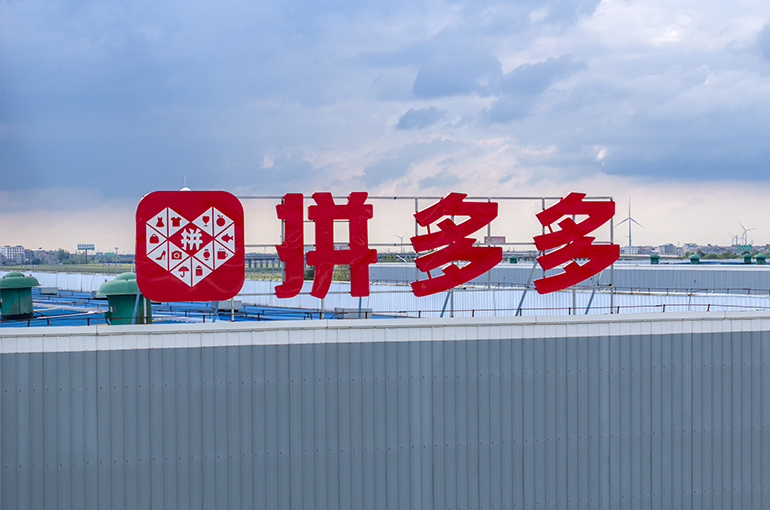
On July 13, a major tech-driven company in China, known for its discount shopping platforms, completed the purchase of the DBS Bank Tower in downtown Shanghai. This move continues the trend among top domestic technology firms to heavily invest in new office spaces.
“The owner didn’t publicly list the DBS Bank Tower before the sale, so this was essentially an off-market deal,” a source from a real estate investment fund shared. Several office buildings along the Lujiazui Riverside area, where the tower is situated, have been offered for sale in recent years, with prices significantly lower than in previous cycles. Buyers who pay the full amount upfront often find they have more leverage to negotiate the terms,” the source explained.
The DBS Bank Tower is a prime office building with approximately 46,000 square meters of space, consisting of 19 floors above ground and three underground levels. The Singapore-based bank signed long-term lease agreements for multiple floors and secured the naming rights after the tower was completed in 2009.
Previously, the company relied mainly on leased office spaces, with locations spread across complexes such as Golden Hongqiao International Center, Yifeng Center, and Jingyao Hongqiao. Last month, it also purchased an office building in Xiongan New Area, Hebei province.
Other major tech companies are also expanding their physical footprint. TikTok owner ByteDance has established headquarters and R&D facilities in key cities including Beijing, Shanghai, Shenzhen, and Hangzhou. JD.com has opened its headquarters, logistics hubs, and innovation centers across cities like Beijing, Suqian, Hangzhou, and Nanjing. Additionally, AI startups such as Zhipu AI and Moonshot AI are actively seeking permanent headquarters locations.
In recent years, the prices for large-scale office property transactions have generally experienced a correction. Meanwhile, many technology companies are sitting on substantial cash reserves, according to analysts from a global real estate services company. Purchasing headquarters during a market downturn helps lock in long-term costs and provides potential for future appreciation.
“This period presents a good opportunity to acquire Grade A office assets in prime cities like Shanghai,” one analyst commented. As of the end of last year, the company in question held cash totaling around CNY 422.3 billion (roughly USD 58.5 billion). Its recent multi-billion-yuan investment in a core office property in Shanghai aligns with its strategy for sustainable expansion and asset growth,” the analyst added.
Owning office properties allows companies to avoid the impact of future rent increases, strengthen their fixed asset bases, and improve financial stability, the insider explained.
Meanwhile, job postings related to real estate and campus asset management have surged among internet and AI firms in recent years, a market expert told this publication. This trend reflects the particular needs of the AI industry, the expert noted.
“AI companies require office environments capable of supporting advanced computing infrastructure and data centers, prompting them to prefer purpose-built headquarters over scattered leased offices,” the expert said. Furthermore, local governments often provide land and industrial policy incentives to attract tech headquarters projects, making it more cost-effective for these firms to develop and own their office spaces,” they added.
 ChatGPT
 Perplexity
 Gemini AI
 Grok AI