How Africa Has Transformed from 1914 to 2018
1. Economic Growth and Diversification
Africa has experienced significant economic transformation over the past century. In 1914, much of the continent’s economy was dominated by colonial extractive industries such as mining, agriculture, and raw material exports. Today, many African nations have diversified their economies, with sectors like technology, finance, manufacturing, and services gaining prominence.
Countries like Nigeria, South Africa, Kenya, and Ethiopia have become emerging economic hubs, attracting substantial foreign investment. The growth of mobile banking, especially platforms like M-Pesa in Kenya, symbolizes Africa’s leap into the digital financial age. This economic diversification has played a vital role in reducing reliance on traditional resource exports and promoting sustainable development.
2. Urbanization and Infrastructure Development
Urban centers across Africa have expanded exponentially since 1914. While colonial cities like Cape Town, Cairo, and Lagos remain vital, new megacities such as Kinshasa, Addis Ababa, and Johannesburg have emerged as dynamic urban hubs. Modern infrastructure projects, including new highways, ports, airports, and urban housing, reflect this progression.
In 2018, African cities embraced smart city initiatives, improved public transportation, and increased access to electricity and clean water. These developments have contributed to enhancing living standards, attracting international businesses, and encouraging innovation hubs.
3. Advances in Education and Healthcare
Access to education in Africa has improved dramatically. While literacy rates and school enrollment were low in 1914, by 2018, many nations had made substantial progress. Countries such as Rwanda, Ghana, and Botswana invested heavily in education systems, resulting in increased literacy and skilled labor.
Healthcare systems similarly advanced, with increased vaccination coverage, maternal healthcare, and disease control programs. Notably, efforts toward eradicating diseases like Ebola, HIV/AIDS, and malaria have bore fruit, leading to increased life expectancy and healthier populations.
4. Political Changes and Stability
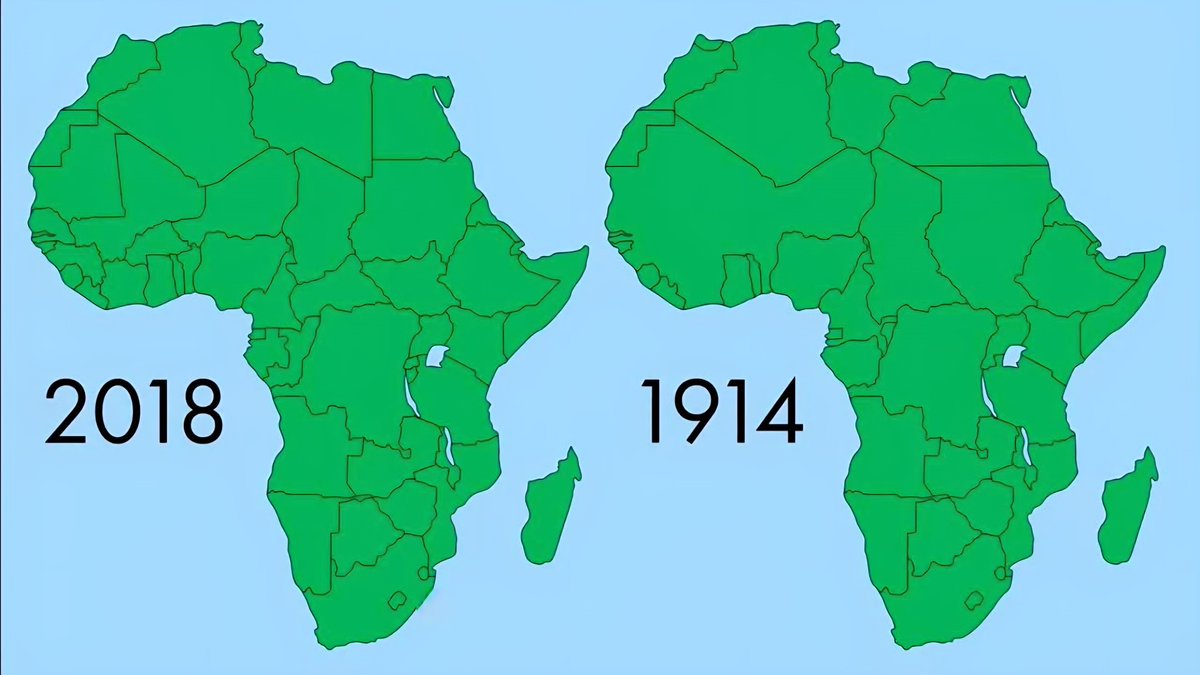
The political landscape of Africa has undergone an enormous shift. In 1914, most countries were under colonial rule, with independence movements only beginning to stir. Fast forward to 2018, most African nations are independent states, with some experiencing democratic consolidation, peace agreements, and transitions of power.
However, challenges such as political instability, conflicts, and governance issues persist in certain regions. Nevertheless, the trend toward greater political stability and regional cooperation, exemplified by organizations like the African Union, has contributed to overall progress.
5. Cultural Revival and Innovation
Africa’s rich cultural heritage has found new expressions through arts, music, film, and fashion. From traditional music to contemporary genres like Afrobeats, the continent’s cultural identity has gained global recognition. The rise of African film industries, including Nollywood in Nigeria, has gained international acclaim.
Additionally, African entrepreneurs and innovators have emerged as global players, pushing technological boundaries. Startup ecosystems in cities like Lagos, Nairobi, and Cape Town are burgeoning, creating opportunities for youth and fostering creative solutions to local problems.
6. Environmental and Climate Challenges
Despite remarkable progress, Africa faces significant environmental and climate challenges. Droughts, deforestation, and desertification threaten agricultural productivity and water security. Rising sea levels and pollution also pose risks to coastal and urban communities.
In recent years, efforts to combat climate change have intensified, with initiatives focusing on renewable energy, conservation, and sustainable farming practices. Prominent projects like solar energy farms and reforestation initiatives aim to preserve the continent’s natural resources.
7. Technological Adoption and Innovation
Technology adoption has skyrocketed in Africa. The widespread use of mobile phones and internet access has transformed communication, commerce, and social interaction. Tech hubs and innovation incubators have sprouted across the continent, nurturing startups and entrepreneurs.
Innovations like mobile financial services, e-commerce platforms, and health tech solutions are solving local problems efficiently and cost-effectively. Africa’s burgeoning tech scene is increasingly seen as a catalyst for socioeconomic growth.
8. Demographic Shifts and Youth Power
Africa’s population has grown significantly, reaching over 1.4 billion in 2025. The continent is the youngest in the world, with a median age around 20 years. This youthful demographic engine is fueling innovation, entrepreneurship, and cultural expression.
The youth are increasingly engaged politically and socially, advocating for change and development. While challenges such as unemployment and access to education remain, the youth’s energy and creativity are seen as key drivers for future progress.
Africa’s journey from 1914 to 2018 illustrates a continent of immense resilience and rapid change. From colonial territories to emerging economic powerhouses, African nations are forging a path toward sustainable development, technological innovation, and cultural renaissance. As the world continues to watch, Africa’s future looks promising, driven by its young population, resourcefulness, and evolving infrastructure.