الوسم: Technology

  • T-Mobile’s Satellite Service Is Ready For Testing

    T-Mobile’s Satellite Service Is Ready For Testing

    T-Mobile made a commitment back in 2022 to eliminate mobile dead zones across the nation. This initiative was made possible through a partnership with SpaceX, which utilizes Starlink satellites to ensure connectivity throughout the U.S. Just this September, the carrier successfully transmitted an emergency alert via satellite, showcasing the viability of the service.

    With that success, T-Mobile is now poised for more extensive trials.

    Earlier today, the company announced the launch of beta registration for its Starlink direct-to-cell satellite service. This signup is available to all customers, including first responders and businesses, and it comes at no cost to postpaid subscribers.

    Priority during this phase will be given to emergency personnel and related organizations. According to the press release, testing is set to begin “early next year.” Initially, the satellite-to-cell communication will be limited to text messaging, with data and voice calling options to follow in subsequent phases.

    One of the key advantages of T-Mobile’s service, especially when compared to what companies like Apple have offered on their devices, is its user-friendly nature. Customers will not need to worry about finding a clear view of the sky or adjusting their phone to connect with the satellite network.

    The carrier states, “Both inbound and outbound messages are sent and received just like any other message.” This integration means the direct-to-cell satellite service will work seamlessly with T-Mobile’s existing ground network.

    The ultimate objective is to provide connectivity in areas such as during flights, in remote locations, and in terrains where T-Mobile’s terrestrial coverage is limited. The company has already conducted preliminary tests to assist individuals impacted by hurricanes Helene and Milton.

    Once the satellite network is fully operational, T-Mobile anticipates that its new service will span an area of over half a million square miles. Notably, customers will not need special hardware or high-end phones to utilize these features.

    Satellite Communication

    T-Mobile has also confirmed that most smartphones will be compatible with the service when it becomes widely available. This means that users won’t have to spend extra on specialized devices or invest in separate gadgets like the Motorola Defy Satellite Link.

    “During the beta, to ensure a great customer experience, we are optimizing the service for select smartphones and will expand availability as more satellites are launched,” the FAQ page from the company states here.

    Apple has been a pioneer in adopting satellite technology, recently expanding its functionality beyond emergency services to offer greater options for users lacking terrestrial network access. Furthermore, there are expectations that the upcoming Apple Watch Ultra will integrate satellite communication capabilities.

    In addition, Google recently rolled out satellite messaging with Android 15, setting the stage for a broader rollout with its Pixel 9 series. As for T-Mobile, a broader launch of its direct-to-cell satellite service is anticipated sometime in 2025.

  • Apple’s Giant Foldable iPad Plans Sound Really Exciting

    Apple’s Giant Foldable iPad Plans Sound Really Exciting

    Apple, a leading player in the consumer electronics market, has yet to explore the world of foldable devices. Recent reports suggest that the company’s foldable ambitions might surpass those of its competitors. As noted by Bloomberg, Apple could be gearing up to launch a significant new product—a large foldable iPad.

    The report describes a concept for “a giant iPad that unfolds to the size of two iPad Pros placed side by side.” A considerable hurdle for Apple has been addressing the prominent crease that typically appears in the center of foldable screens. Fortunately, sources indicate that Apple engineers have made significant progress in overcoming this obstacle.

    The prototype is believed to feature “a nearly invisible crease.” While manufacturers like OnePlus, Vivo, and Samsung have introduced phones with foldable screens that appear more seamless than before, the crease remains visible, even as improvements have been made over the last few years.

    Asus ZenBook 17 Fold laptop.

    According to the report, Apple aims for its device to present as a single, uninterrupted piece of glass. The company has reportedly been researching this design for some time, with a potential launch date around 2028.

    As mentioned by Bloomberg’s Mark Gurman, there are indications that the foldable iPad may come equipped with an 18.8-inch flexible display. Additionally, the device could operate on a version of iPadOS infused with elements from macOS.

    However, this device will likely not fulfill the long-held dreams of many iPad Pro users for a harmonious iPadOS-macOS hybrid. That said, there is optimism that by the time this foldable iPad arrives, the underlying operating system will be more robust, providing expanded options for productivity and computing beyond current capabilities.

    Microsoft Surface Neo
    Microsoft’s Surface Neo concept was abandoned after a hyped reveal. Jeremy Kaplan / Digital Trends

    The closest devices currently resembling Apple’s planned offering are the Asus Zenbook Fold OLED and the HP Spectre Foldable laptops, both of which carry a hefty price tag, starting around $3,500 in the U.S. market. Huawei’s recently released triple-fold phone is similarly priced.

    In contrast, the most powerful iPads featuring M-series chips begin at about $1,000. Apple will need exceptional engineering and supply chain management to ensure that the foldable iPad is accessible for consumers, particularly enthusiasts, without breaking the bank.

    The Vision Pro headset has already been an expensive venture for Apple, failing to disrupt the augmented reality (AR) and virtual reality (VR) markets due to its steep price of $3,500. Meanwhile, rumors persist about the development of a foldable iPhone, though it will likely take some time before it becomes available for purchase.

  • Best Look Yet At The Nintendo Switch 2 Emerges

    Best Look Yet At The Nintendo Switch 2 Emerges

    For quite some time, the Nintendo Switch 2 has sparked considerable buzz among fans eager for the latest updates. Various leaks have surfaced, each met with varying degrees of credibility. Over this past weekend, two significant leaks caught attention: one from Reddit and the other from accessory maker Dbrand.

    Reddit user u/NextHandheld shared a post titled “I’ve come from the future,” claiming to possess details about the finalized version of the Nintendo Switch 2 and its accompanying dock. They promised to provide proof on Christmas Day, but subreddit moderators required verification, warning of account deletion if no evidence was presented. Thankfully, it seems u/NextHandheld met the requirements, as the moderators deemed the proof credible enough to allow the post to remain up.

    The second leak originated from Dbrand’s accessory listings, which appears to have been somewhat intentional. You can view the announcement on X below.

    We will not be answering any questions at this time. pic.twitter.com/kBQcbB2PfV

    — dbrand (@dbrand) December 12, 2024

    Dbrand informed Insider Gaming that the device showcased inside their case is indeed the Nintendo Switch 2. The brand, recognized for its cheeky approach, also provided a link to their product page. The page features a spinning animation of the console, which closely resembles prior leaks regarding the Switch 2’s design.

    In addition, another Reddit thread by u/stardew92 included images that align with the latest leak, showcasing a design that matches the curved aesthetic noted in other purported Switch 2 leaks.

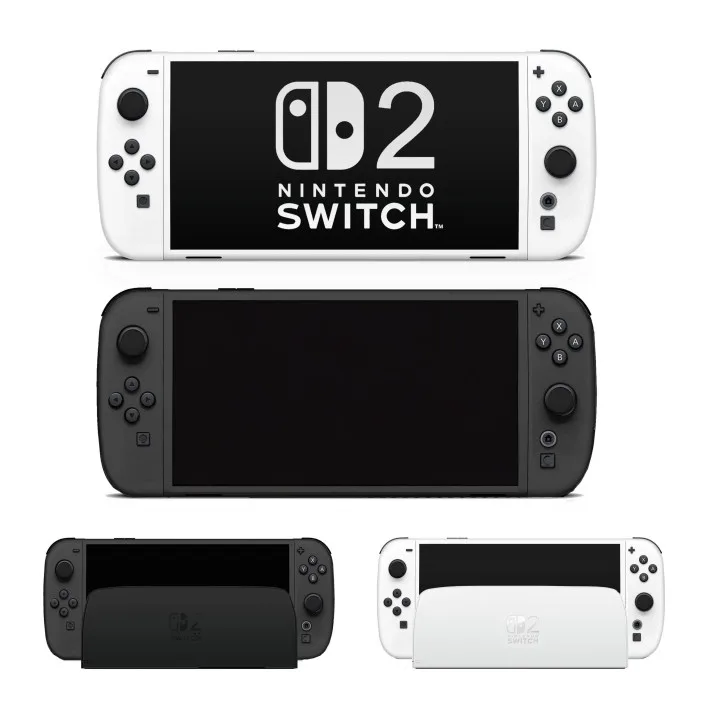
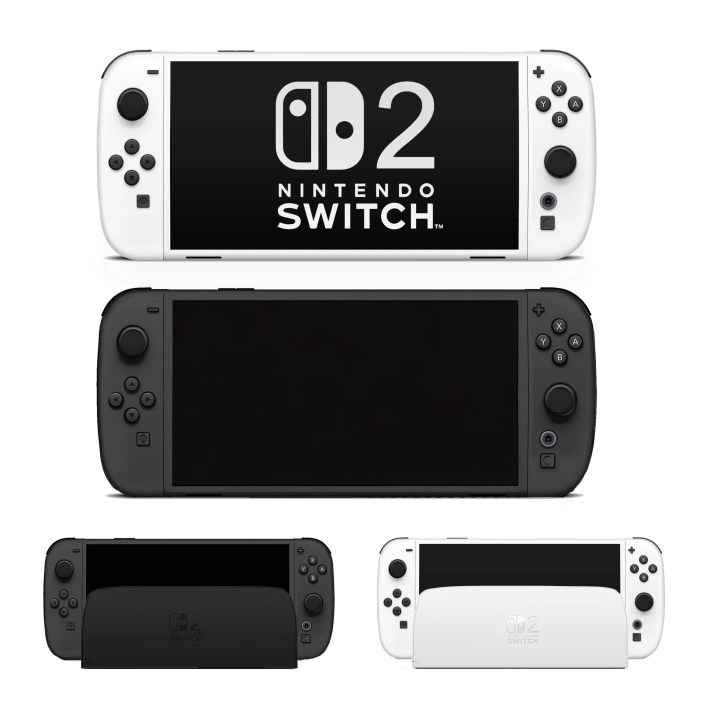
    A look at the Nintendo Switch 2.
    Reddit

    Referring back to the initial Reddit post by u/NextHandheld, they addressed several inquiries. While moderators have confirmed the validity of the evidence, it’s advisable to maintain a skeptical perspective—however, the details shared so far are the most compelling we’ve encountered yet.

    The reported features of the Nintendo Switch 2 include a curved dock and Joy-Cons, while retaining the basic structure of the original dock. It reportedly has two USB-A ports on the side, along with USB-C, HDMI, and Ethernet connections inside. An additional button marked “C” beside the Home button has sparked speculation among users, with guesses ranging from camera controls to a Cast function that could let the Switch 2 function similarly to a Wii U gamepad.

    As for when we might get an official announcement, u/NextHandheld mentioned that they’ve heard a Nintendo meeting is set for January, but this information remains unconfirmed.

    As always with early leaks, approach the information with caution—however, the evidence presented thus far appears substantial, so it’s perfectly fine to feel a spark of excitement.

  • Apple To Stop Selling Several iPhones In Europe Here’s Why

    Apple To Stop Selling Several iPhones In Europe Here’s Why

    At the close of this year, the iPhone SE and iPhone 14 series will no longer be offered in Europe. This change stems from a European Union mandate that requires all mobile devices to utilize USB-C for charging, as reported by iGeneration. While newer models in Apple’s range already comply with this standard, both the iPhone SE and the iPhone 14 do not.

    Although the iPhone SE and iPhone 14 series are not the latest models, they have still been available for purchase in Europe. However, as the deadline looms, these devices will be removed from store shelves. Although customers have various alternatives, this decision means the European market will lack an iPhone SE option until the next model arrives in 2025.

    Typically, Apple continues selling the iPhone 14 until the release of the iPhone 17, after which the iPhone 14 would be phased out. As a result of this change, Apple stands to lose nearly a year’s worth of sales on the more affordable iPhone. However, many customers may have already upgraded due to the demands of newer features that require a more advanced processor.

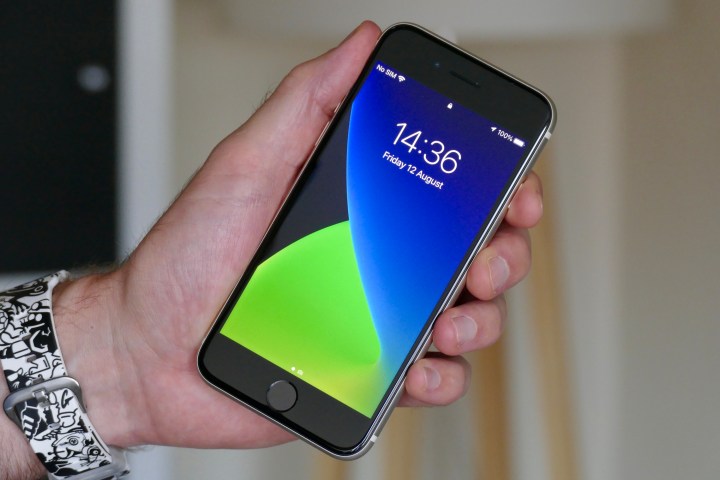
    The Apple iPhone SE (2022) being held in a man's hand.
    Andy Boxall / Digital Trends

    While these models will still be purchasable in other regions until their successors are launched, by the end of next year, the Lightning cable will officially become an obsolete charging method. This transition is advantageous for consumers, simplifying the charging process since all devices can use the same type of cable. Furthermore, the EU aims for all laptops to adopt similar charging cables, a shift that Apple has already initiated ahead of the 2026 deadline.

    Utilizing a universal standard like USB-C enhances user experience and mitigates issues resulting from proprietary charging technologies. USB-C not only offers faster charging speeds than Lightning but also supports data transfer and allows for reversible plug orientation, making it user-friendly.

  • Flic Buttons Simplify Smart Home Control

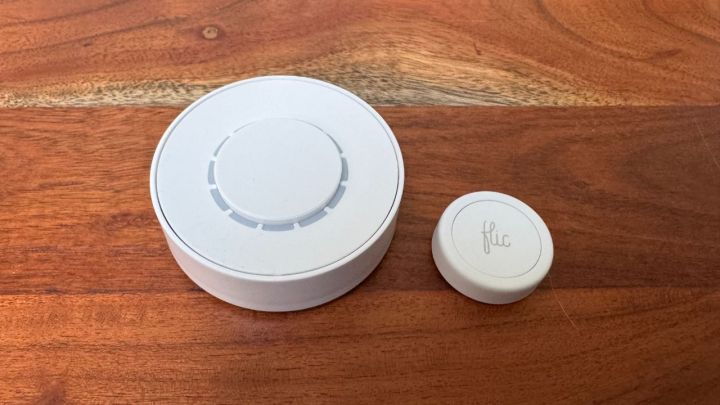
    The Flic Smart Button placed on a table.
    Jon Bitner / Digital Trends

    One of the key challenges with today’s smart home technology is its reliance on digital interfaces. From smart lights to robot vacuums, many interactions depend on using a smartphone, which can be inconvenient for other household members or guests. This is where Flic steps in, providing a range of physical buttons and dials that allow everyone to control their favorite smart devices without needing a screen.

    I’ve been putting the Flic Smart Buttons and Flic Twist through their paces, and while they do have limitations, they can add a fun element to most smart homes. This is particularly true for users of Alexa or HomeKit, as both platforms are compatible with these innovative smart buttons.

    The Flic app simplifies setup

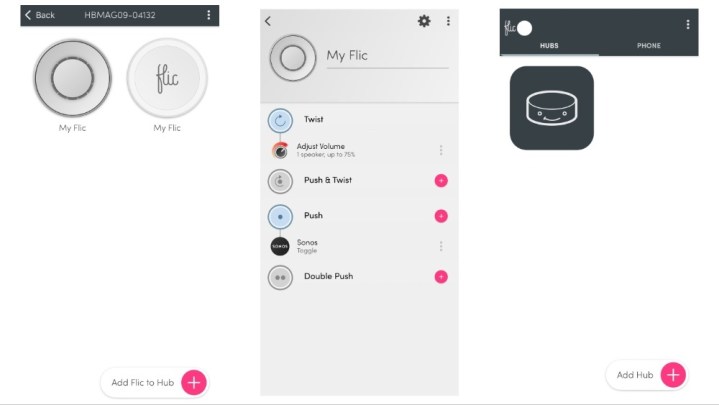
    Screenshots from the Flic app showing various features.
    Jon Bitner / Digital Trends

    Setting up my Flic system was a surprisingly straightforward process. Even with multiple products, I managed to get everything up and running, including my first automation, in just a few minutes. My setup consisted of a Flic Twist, Smart Buttons, and a Flic Hub.

    The Flic Twist functions as a dial that can be pressed or rotated, allowing you to adjust features like volume on your smart speaker or the brightness of your lights. The Smart Buttons serve as standard push buttons, enabling you to program them for three different actions (press, double press, or hold). The Flic Hub acts as the central control unit for everything, and it is necessary for the Flic Twist. The Smart Buttons can sync either to the Hub or directly to your smartphone.

    Once my devices were linked, configuring actions was incredibly easy. The Flic app allows you to create actions without needing to access additional applications. For instance, I set up my Flic Twist to manage my Sonos speaker without ever touching the Sonos app. In a matter of seconds, I could play, pause, and adjust the volume — a remarkable advantage over other controllers that often require cumbersome third-party apps for setup.

    Your experience may vary depending on what devices you’re intending to connect to the Flic system, but I found it a hassle-free process without the typical headaches associated with smart home setups.

    Missing essential features

    The Flic Twist and Smart Buttons displayed on a wooden tabletop.
    Jon Bitner / Digital Trends

    The primary limitation of the Flic system is its overall functionality. While the company has made significant progress over the years by supporting platforms like Alexa and Matter, it is still lacking compatibility with major brands like Google Home. Additionally, certain functionalities are limited to specific Flic devices, and the Flic Twist does not support all products and capabilities. For a comprehensive list of compatible devices and actions, see the Flic Applications list.

    Another significant drawback is that each Twist or Button can only be programmed for a limited number of controls simultaneously. For example, with my Twist, I set it so that twisting adjusts the speaker volume and pressing the button toggles the music. There are still “Double Push” and “Push & Twist” actions available, which enables a total of four programmable actions for the $80 device.

    This stands in contrast to competitors like the Linxura Smart Controller, which supports up to 52 devices through a built-in display and doesn’t require a hub. Linxura’s compatibility with Google Home is particularly useful for my current setup, as it allows for extensive automation of multiple gadgets with a single device.

    Although programming the Flic may be simpler than the Linxura and I personally find the design of the Flic Twist more appealing, it falls short in terms of overall versatility.

    Physical buttons for your smart home

    Your experience with Flic will largely depend on your specific smart home ecosystem. If you utilize compatible products like Sonos, HomeKit, or Alexa, you’ll discover numerous ways to seamlessly integrate the Twist and Smart Buttons into your daily routine. The setup process only takes a few moments, and the companion app is user-friendly.

    Incorporating physical buttons and dials into your smart home can enhance convenience, and their usefulness becomes apparent when used effectively. While the limitation of programming only a handful of actions might be disappointing, if you want to provide your family with an uncomplicated way to access frequently used functions, investing in a Flic product could be beneficial. The company continues to add new features and compatibility options, and with Matter support, Flic is likely to remain relevant for the long haul.

  • Nvidia Hints at RTX 50-Series Excitement

    Nvidia Hints at RTX 50-Series Excitement

    Nvidia is gearing up for an exciting announcement. The company has officially hinted at the forthcoming RTX 50-series with an elaborate fan event leading up to the big reveal scheduled for January. Under the theme of #GeForceGreats, Nvidia is celebrating its legendary graphics cards while eagerly looking ahead. Here’s how you can get involved in the excitement.

    After a prolonged period of silence, Nvidia’s GeForce social media channels have started buzzing with updates regarding their participation at CES 2025. Fans are invited to tune into the keynote presentation on January 6, 2025. While we knew the keynote was on the calendar, this marks the first concrete indication that there will be substantial news concerning next-generation gaming GPUs, in addition to Nvidia’s data center focus.

    This announcement comes in tandem with Nvidia celebrating a remarkable milestone: it has been 25 years since the launch of its inaugural GPU, the GeForce 256. To honor this legacy, Nvidia encourages gamers and fans to engage on social media using the “GeForceGreats” hashtag, with opportunities to win exciting prizes for active participation.

    A poster teasing the RTX 50 series at CES 2025.
    Nvidia

    By liking, commenting, and sharing posts with the designated hashtag, participants can contribute to Nvidia’s GeForce Hype Meter, which will be visible live on Nvidia’s Twitch channel. Although Nvidia hasn’t revealed the specifics of the prizes, it’s clear that as the hype meter fills, the incentive will grow, so keep an eye out for more details.

    Nvidia is also reviving a memorable event from 2011: the GeForce LAN party. This exciting online and in-person gaming marathon will stretch over 50 hours, culminating just before CEO Jensen Huang’s keynote at CES 2025. The choice of a 50-hour duration is certainly intentional.

    A screenshot from Nvidia's RTX 50-series GeForceGreats stream.
    Nvidia

    The original LAN party took place aboard a retired USS Hornet aircraft carrier. This time, much of the action will occur online, kicking off at 4:30 PM PT on January 4. Nvidia has hinted at “epic online GeForce LAN Missions,” offering in-game rewards alongside other opportunities to engage with the GeForceGreats hype. Live events will also be hosted in various global cities, including Las Vegas, Beijing, Taipei, and Berlin. While registration for these events isn’t open yet, fans can look forward to signing up through Nvidia’s LAN 50 website.

    What’s next on the horizon? Fans can elevate Nvidia’s Hype Meter by actively engaging with their social media profiles, including GeForce, GFN, Studio, and AI_PC, utilizing the GeForceGreats hashtag. Additionally, keep your eyes peeled for potential leaks as anticipation mounts for the RTX 50-series. According to a recent leak, the RTX 5090 could potentially see performance increases of up to 70% compared to the RTX 4090.

  • Nvidia RTX 5090 Could Be 70% Faster Than Previous Model

    Nvidia RTX 5090 Could Be 70% Faster Than Previous Model

    With the anticipated announcement of Nvidia’s RTX 50-series just around the corner, likely occurring during CES 2025 in January, excitement is building. Although we are less than a month away from the reveal, we haven’t seen any benchmark leaks yet, leaving the performance details largely speculative. However, a well-known leaker has provided some insights, suggesting that Nvidia’s top-tier graphics card could see up to a 70% increase in performance.

    The insider, known as OneRaichu on X (formerly Twitter), has not been very active with leaks lately but has offered valuable information in the past. As with any leaks, it’s wise to approach these claims with skepticism until we have official confirmation regarding the new GPUs.

    Responding to inquiries about the upcoming generation of graphics cards, OneRaichu stated that the flagship models should achieve performance boosts between 60% and 70%. In contrast, “high-level” models like the RTX 5080 may only see improvements of around 30% to 40%. While it remains to be seen how each GPU will be categorized, the RTX 5090 is likely the crown jewel, while the RTX 5080 appears to fit into the “high-level” bracket.

    A tweet concerning RTX 50-series GPUs.
    Image used with permission by copyright holder

    Additionally, OneRaichu mentioned that “midlevel” products could achieve performance enhancements of 20% to 30%, likely referring to the RTX 5070 and RTX 5060. This raises questions about other rumored models such as the RTX 5070 Ti and RTX 5060 Ti, along with potential versions like the RTX 5090 Ti or RTX Titan AI, which some leaks suggest could exist.

    While these projections are not definitive, they could align closely with the actual performance benchmarks we’ll see once the RTX 50-series launches. Previous insights from leakers like RedGamingTech indicated a possible 63% boost for the rumored RTX Titan AI and a 48% improvement when comparing the RTX 4090 to the RTX 5090. OneRaichu’s estimates are more optimistic, although many insiders anticipate that the increase in performance may not be as substantial.

    It seems increasingly likely that there will be a significant performance disparity between the flagship RTX 5090 and the RTX 5080. Some reports suggest that the RTX 5080 may perform similarly to the RTX 4090, which would still represent a notable advancement. The real question is how much less powerful it will be compared to the 5090. With the announcement approaching in just three weeks, we can expect to see more precise leaks soon.

  • First Look At The iPhone 17 Pro’s Big Redesign

    First Look At The iPhone 17 Pro’s Big Redesign

    The iPhone 17 has been at the center of numerous leaks lately, and we now have what could be an early glimpse of its redesign. If the information holds true, Apple might be making a significant change to how it arranges the cameras on the rear, switching to a horizontal alignment that evokes the look of a Pixel phone.

    This new design was initially revealed on Weibo and subsequently shared on X by well-known leaker Jukanlosreve. The leak showcases what’s described as part of the frame from the iPhone 17’s supply chain. According to the Weibo post, this arrangement places the ultrawide camera in the center, likely to accommodate the “front structured light,” which we infer is related to Face ID. As the translation from Chinese may not be perfect, some nuances could be missing.

    In the comments section, the leaker hinted that this design layout is intended for “space video,” presumably a reference to Spatial Video—a feature that enables users to scan objects and view them within the Apple Vision Pro headset.

    A metal frame for a phone, potentially an iPhone 17.
    Shrodinger’s British Shorthair / Weibo

    A design change like this for the iPhone feels quite unprecedented. While Apple has made minor adjustments over the years, the company rarely undertakes such bold transformations. Most design updates have been incremental, focusing on thinner builds, additional cameras, or larger screens, rather than rethinking camera placements like this.

    The original poster on Weibo isn’t the only source corroborating this information. Digital Chat Station, another reliable insider, has also supported these claims and shared a rendering that conceptualizes what the iPhone 17 might look like.

    A fan rendering of the iPhone 17's redesign.
    Digital Chat Station / Weibo

    Interestingly, the upcoming Pixel device is also rumored to undergo a design change that may make it resemble an iPhone more closely than before. It appears the two companies might be trading design philosophies, which could be a refreshing update. The Pixel has consistently featured a more sophisticated camera arrangement, and if Apple adopts a similar approach, it may result in more visually appealing devices.

  • Google’s Gemini 2.0 AI Model Is Set To Take Over

    Google’s Gemini 2.0 AI Model Is Set To Take Over

    Gemini 2.0 logo
    Google DeepMind

    Just under a year after the launch of Gemini 1.5, Google’s DeepMind division returned on Wednesday to unveil its next-generation AI model, Gemini 2.0. This updated version brings with it the capability for generating images and audio, promising to help develop new AI agents that align with the company’s goal of creating a universal assistant, according to their post on the official blog.

    Starting Wednesday, Gemini 2.0 is accessible across all subscription levels, including a free tier. As Google’s premier AI model, it will gradually be integrated into various AI functionalities within the company’s ecosystem. However, similar to OpenAI’s earlier o1 model, the initial version of Gemini 2.0 is classified as an “experimental preview,” set to evolve into a more robust version over the next few months.

    “In a way,” shared Google DeepMind CEO Demis Hassabis with The Verge, “it matches the capabilities of the current Pro model. You can view it as an entire tier ahead, with equal cost efficiency, performance, and speed. We’re thrilled with the result.”

    Additionally, Google is introducing a streamlined version of this model, called Gemini 2.0 Flash, aimed specifically at developers.

    This latest iteration marks a significant step forward in Google’s ambitions for AI integration, where smaller, specialized models will perform tasks autonomously on behalf of users. Gemini 2.0 is anticipated to greatly accelerate Google’s Project Astra, which seeks to merge Gemini Live’s conversational abilities with real-time video and image analysis, allowing users to receive insights about their environment through smart glasses.

    On the same day, Google also presented Project Mariner. This Chrome extension emulates human-like interaction with desktop computers, managing tasks such as keystrokes and mouse clicks. Furthermore, the introduction of an AI coding assistant known as Jules aims to assist developers in optimizing their code, while a new feature called “Deep Research” allows users to generate comprehensive reports based on online searches.

    Deep Research, which resembles the functionality of Perplexity AI and ChatGPT Search, is currently in use by Gemini Advanced subscribers who communicate in English. The system starts by drafting a multi-step research plan, which is presented to the user for approval prior to execution.

    After receiving the go-ahead, the research agent will probe into the specified topic and explore related avenues. Upon completion of its investigation, it delivers a report detailing its findings, complete with key insights and citation links. Users can choose this option from the model selection menu at the top of the Gemini homepage.

  • Will The Samsung Galaxy S25 Be More Expensive It’s Complicated

    Will The Samsung Galaxy S25 Be More Expensive It’s Complicated

    As we continue to follow the developments regarding the Samsung Galaxy S25, we discussed yesterday the possibility that it could be priced higher than its predecessor. However, new information indicates that the situation is more complicated. It appears that pricing may vary across different regions globally, but the base models of the Galaxy S25 and Galaxy S25 Plus are expected to maintain their prices similar to the previous generation in European markets.

    The Galaxy S25 is anticipated to retail for 899 euros for the 128GB model, matching the launch price of the Samsung Galaxy S24. The 256GB variant will be available for 959 euros. The Galaxy S25 Plus is projected to start at 1,149 euros for the 256GB version and rise to 1,269 euros for the 512GB option. Again, these prices align with those of the earlier generation, indicating no significant cost increases in this segment.

    However, this trend may not hold true everywhere. Reports from South Korea have suggested an expected increase in prices, and given the volatility of exchange rates, the prices for various regions may fluctuate closer to the actual launch date.

    In terms of pricing within the Western market, speculation abounds. Samsung lacks production facilities in the United States, primarily assembling its devices in Vietnam and India. If tariffs proposed by the U.S. government are enacted, it could elevate the price significantly in America. Nonetheless, this is purely conjecture and should be taken with caution.

    Person holding the Samsung Galaxy S24 Plus, displaying the weather application.
    Joe Maring / Digital Trends

    Additionally, manufacturing costs are on the rise. Qualcomm, the manufacturer of the Snapdragon 8 Elite chip, has indicated a potential price hike of up to 30%. Such increases in production costs typically lead to higher retail prices for consumers.

    The Galaxy Unpacked event is expected to be held in January, where the Galaxy S25 is likely to be officially unveiled. By that time, we hope to have clearer insights into the pricing for the various models.

  • TBM Framework Transforms: Unifying Tech Leadership for AI Era

    TBM Framework Transforms: Unifying Tech Leadership for AI Era

    Embracing Modern Technology Leadership

    As technology leadership continues to evolve, adopting a comprehensive approach has become increasingly essential, moving beyond traditional organizational hierarchies.

    “We’re witnessing a significant change where Chief Information Security Officers often operate independently from the CIO. There’s a notable increase in technology budgets managed by AI and digital officers,” Matthew emphasizes, pointing out the decentralized nature of contemporary technology governance.

    The council’s framework is designed to go beyond conventional organizational structures, centering on technology practices and their resulting impact on business outcomes.

    This strategy allows organizations to assess their technological capabilities and link them using Technology Business Management (TBM) methodologies, fostering a continuous feedback mechanism with business stakeholders.

    “This feedback loop enables us to collaborate with the business to determine if we’re aligning with their objectives. If we are, we push forward with innovation. If not, we revisit the investment portfolio to identify avenues for improved results,” Matthew elaborates.

    Execution and Assistance

    The council has crafted an intricate approach to implementation, acknowledging that different organizations evolve at varying paces.

    “We’ve moved away from categorizing organizations strictly as novices or advanced,” Matthew clarifies. “Instead, we concentrate on the developmental journey—providing a playbook for enhancing your capabilities and strategies for accelerating progress once you’ve laid the foundational groundwork.”

    To aid this journey, the council acts as an impartial advisory entity for organizations contemplating TBM adoption.

    “We encourage businesses to consult us before reaching out to vendors,” Matthew advises. “We assist in building a solid internal business case, offer insights on vendor selection, and provide guidance through framework implementation and taxonomy decisions.”

    The council has brought together a varied standards committee made up of experts from diverse fields, including state government and prominent financial institutions, to ensure their frameworks are relevant and beneficial across various contexts.

    They are actively working to shorten implementation timeframes by creating industry-specific taxonomies that organizations can utilize as initial frameworks.

    “For example, when an insurance company engages with us, we’re able to offer pre-designed taxonomies instead of requiring them to start from scratch. They can implement these frameworks and make adjustments as needed over time,” Matthew explains.

  • WhatsApp Will Soon Help You Avoid Missing Important Texts

    WhatsApp Will Soon Help You Avoid Missing Important Texts

    Recently, WhatsApp rolled out an updated feature that encourages users to check for status story updates from their contacts. In a new enhancement, the platform has now integrated reminders for messages as well.

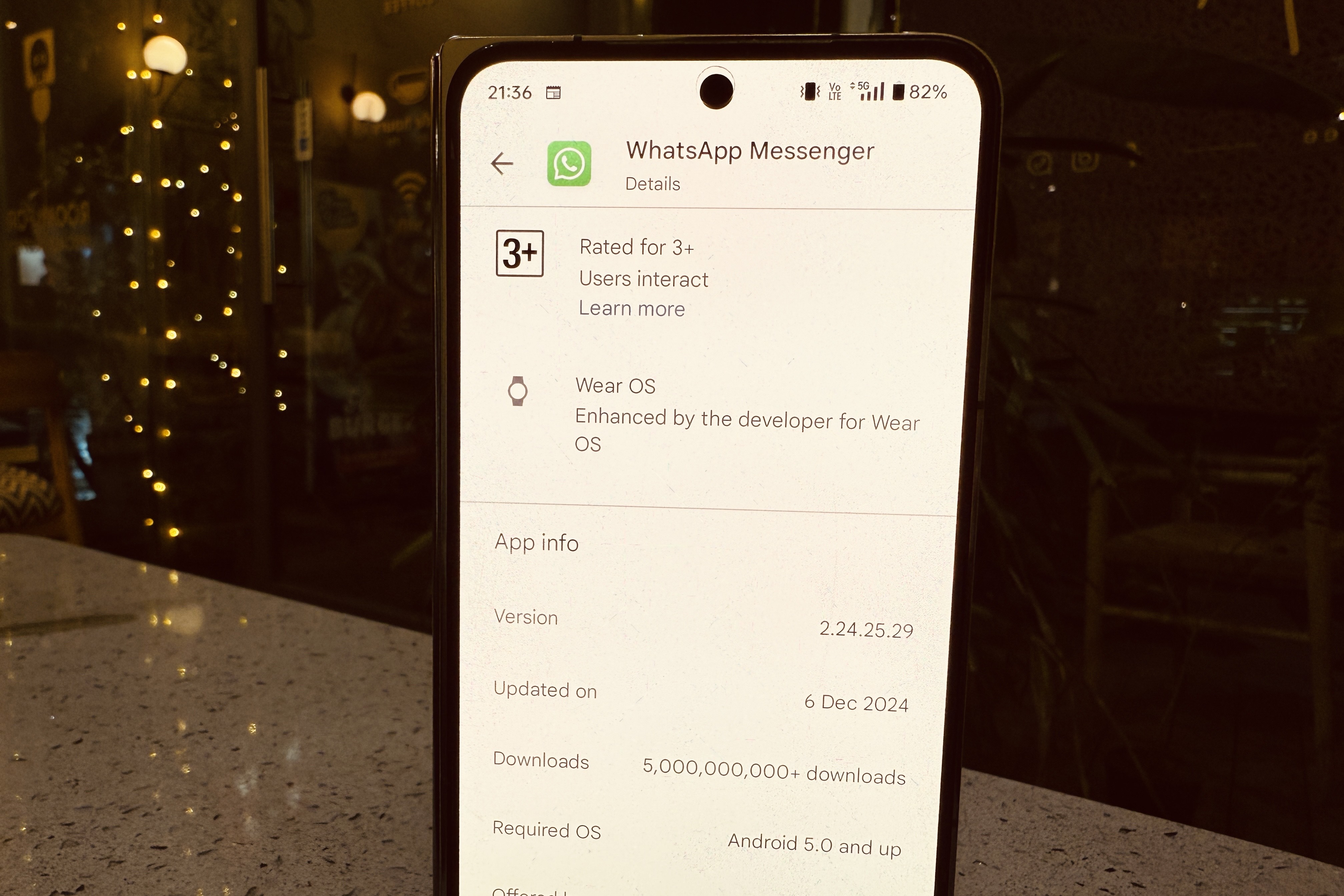
    Currently undergoing testing with the v2.24.25.29 build on Android, this feature was initially identified by the update tracker WABetaInfo. Our team at DigitalTrends has verified that it is available in the latest beta version through the Google Play Store.

    Users can toggle this feature on in the Notifications settings, allowing the app to send occasional nudges regarding “messages or status updates” that haven’t been viewed for some time. The specific frequency of these alerts—whether they are displayed as in-app reminders or stand-alone notifications—remains unclear.

    Furthermore, the app doesn’t clarify how these notifications are prioritized, especially whether they focus on contacts with whom users frequently interact. However, according to WABetaInfo, this functionality appears to rely on an algorithm based on user engagement patterns.

    “If a user reinstalls the application, WhatsApp will need to reassess these interactions since none of this data is retained in backups or stored on their servers,” the report states. The primary aim is to ensure that users don’t overlook important messages from friends and family.

    Latest beta build of WhatsApp on the Play Store.
    The Reminders feature is now available with the latest beta update on the Play Store. Nadeem Sarwar / Digital Trends

    While this new feature may not seem revolutionary, it holds significant potential, especially in regions where businesses—from banks to telecom services and grocery delivery giants—rely heavily on WhatsApp for critical communications and alerts.

    Numerous small businesses and marketplaces also utilize WhatsApp for customer outreach, including digital payment integrations. As a result, the influx of messages from various services can quickly overshadow personal messages, making this Reminders feature a beneficial addition.

    The concept is reminiscent of the “nudge” system found in Gmail, which first appeared in 2018 and was later adopted in Google’s Messages app. In that framework, users receive alerts about texts that need follow-up or reminders about birthdays.

    As of now, there’s no indication of when this Reminders feature will be made available to WhatsApp users through the stable release. With nearly three billion users globally, according to estimates from Statista, WhatsApp serves as a vital communication tool in both personal and business contexts, particularly in areas like Asia and Latin America. Providing users with the chance to catch up on potentially missed messages is certainly a positive advancement.

  • OnePlus May Bring Back Mini Flagship in 2025

    OnePlus May Bring Back Mini Flagship in 2025

    OnePlus is just a few weeks away from unveiling its latest flagship device globally while also preparing to launch the Ace 5 series smartphones in China. However, there’s an exciting twist for fans of the brand.

    As reported by Digital Chat Station, a trusted source for information on Chinese smartphone brands, OnePlus is currently working on a compact phone featuring a 6.53-inch display. For context, the OnePlus 13 boasts a larger 6.82-inch screen.

    This isn’t the first instance of OnePlus releasing a smaller phone. In 2019, the OnePlus X was launched, showcasing a sleek glass and metal design, a 5-inch display, high-end Qualcomm processing power, and an appealing price tag of $250.

    Currently, companies like Google and Apple continue to push the boundaries of phone sizes, maintaining models with screens exceeding 6 inches while still being pocket-friendly. Interestingly, this trend is gaining momentum, with Vivo recently introducing the X200 Pro mini, which integrates top-notch hardware into a more compact form.

    According to the latest leaks, which originated on the Chinese microblogging platform Weibo, OnePlus’s upcoming device is said to come equipped with Qualcomm’s flagship Snapdragon 8 Elite processor. The display will have a 1.5K resolution, and one of its primary rear cameras is expected to utilize a 50MP Sony sensor, housed in a newly designed horizontal camera layout at the back.

    A fingerprint sensor will be embedded beneath the display, but it appears that the phone will forgo a periscope-style zoom lens. The rumored specifications and design suggest it will stand apart from the China-only Ace series models.

    So far, OnePlus has not issued any official statements regarding the development of this device. It’s also worth noting that Oppo, which collaborates closely with OnePlus in research and development, is purportedly planning a “mini” smartphone for the Chinese market, as reported by the same leak source.

    The connection between the two brands is significant; for example, the Oppo Find N3 is essentially identical to the OnePlus Open. While it remains unclear which brand will lead this new market segment, OnePlus could very well be the first to release a mini flagship, given their recent track record.

  • Hands-On With The Radical New Design Of Google Pixel 9a

    Hands-On With The Radical New Design Of Google Pixel 9a

    The Anticipated Google Pixel 9a: Latest Insights from Leaks

    Although the Google Pixel 9a is still several months away from its official release, a multitude of leaks has already shed light on its possible design. Recent real-world images of the Pixel 9a reinforce previous speculations about the device, hinting at design tweaks like a more streamlined camera module.

    Well-known leaker OnLeaks posted a series of photographs on X that purportedly display a prototype of the Pixel 9a. These images reveal both the front and back of the device and are consistent with earlier leaks, which include hands-on photos and digital mockups.

    The prototype is marked as “not for sale” and features a logo different from Google’s, similar to those seen in earlier Pixel prototypes. Additionally, an IMEI number check confirms that this number is associated with a Google device, further legitimizing the leak with a model number of “GTF7P.”

    The unit showcases Google’s evolving design philosophy, characterized by a flat frame and rounded corners. The back of the phone highlights a newly designed camera setup that bears a closer resemblance to the Nothing Phone 2 than to the existing Pixel 9 series. Instead of the bulky camera island found on the Pixel 8a and Pixel 9 series, there’s a much slimmer section that sits almost flush against the back of the phone.

    Both the back and frame of the Pixel 9a exhibit a matte grayish-black finish, a change from the glossy appearance seen in earlier models, which was also reflected in the recent Pixel 9 series released in August.

    The front image of the Pixel 9a reveals some noticeably thick bezels surrounding the display, which may stand out more than intended, especially considering the phone’s budget-friendly price point.

    The upcoming phone is expected to run on Google’s Tensor G4 chip, likely a slightly less powerful variant compared to the main Pixel 9 series. In addition to this new chip—which isn’t the device’s most exciting feature—the Pixel 9a may include an improved primary camera, borrowing a 48MP sensor from the Pixel 9 Pro Fold. Reports also suggest a larger battery with a capacity of 5,000mAh.

    Google is also likely to maintain its promise of extended software support for the Pixel 9a, aiming for seven years of updates as it has with the Pixel 8a. While the exact launch date is yet to be revealed, based on historical patterns, we can anticipate that the Pixel 9a will make its debut sometime in Spring 2025.

  • Motorola Razr Plus Launches Eye-Catching New Color

    Motorola Razr Plus Launches Eye-Catching New Color

    Are you prepared to broaden your appreciation for the color brown? That’s what Motorola aims to achieve with the newly introduced color option for the Motorola Razr Plus 2024, which now sports the 2025 Pantone Color of the Year. Alongside the Razr Plus 2024, this rich mocha hue is also featured on the Motorola Edge 50 neo in select regions.

    “Mocha Mousse emphasizes the significance of enjoying the moment—a gentle nudge to appreciate life’s small joys. Inspired by this shade, we also developed a new soft inlay made from coffee grounds. Its warm and inviting quality captures the essence of this color,” stated Ruben Castano, VP of customer experience and design at Motorola.

    While I might not grasp all of the nuances, I can certainly recognize the allure of this color. The soothing warm tones are quite captivating. It’s a deep, rich brown that truly stands out.

    Brown is not typically a go-to color for smartphones, nor is it common in any other category beyond accessories like shoes and belts. Usually, manufacturers favor futuristic shades such as silver, black, and white, or they choose brighter colors like Koala Grey, Beach Sand, and Spritz Orange, which are currently available for the Razr 2024. It would be refreshing to see major brands like Apple and Samsung experiment with more diverse color palettes.

    Although you can always safeguard your device with a case, if you choose to invest in a distinctive color, ensure that the case is transparent to showcase it.

    The Mocha Mousse option for the Razr Plus 2024 will soon be available for purchase. If you’re interested, feel free to register to order it on Motorola’s site.

  • iPhone 18 Might Have A Big Unseen Redesign

    iPhone 18 Might Have A Big Unseen Redesign

    The iPhone’s design is truly iconic. Its rectangular form has significantly influenced smartphone aesthetics since the original iPhone launched in 2007, and that trend shows no signs of fading. However, the internal design of the device may undergo substantial changes. Reports suggest that Apple plans to reconfigure iPhone hardware to enhance its AI capabilities.

    In essence, Apple’s new approach involves incorporating discrete memory instead of integrated memory. These terms refer to memory components that are either separated or combined. In the system on a chip (SoC), memory that is directly built into the chip is classified as integrated memory. Discrete memory, on the other hand, would involve RAM that is packaged independently from the SoC. If the speculation holds true, Apple is expected to introduce discrete memory systems in 2026, leading to improved data speed and enhanced AI functionality, as noted by The Elec.

    The current architecture utilizing integrated memory debuted with the iPhone 4 and quickly gained popularity due to its compact design. However, this arrangement limits connection points, which can result in slower speeds.

    Someone holding the iPhone 16 Pro, showing the home screen.
    Joe Maring / Digital Trends

    Switching to discrete memory in the upcoming iPhone 18—the first model slated for this upgrade—could enable faster data transfer rates. Additionally, separating the RAM from the SoC could improve heat management, which is crucial given the intense energy demands of on-device AI processing.

    Nevertheless, unless there are physical size increases in the iPhone, certain components may need to decrease in size, specifically the battery. While battery technology is rapidly progressing, achieving consistent battery life remains a challenge for manufacturers. If Apple needs to downsize the iPhone 18’s battery to support additional RAM, it may adversely affect overall usage time.

  • Amazon Introduces New Nova Foundational Models

    Amazon Introduces New Nova Foundational Models

    Pasta City
    AWS

    During the re:Invent conference held on Tuesday, Amazon’s CEO Andy Jassy unveiled an array of six new generative models, collectively known as Amazon Nova. These models are capable of producing text, images, and videos.

    This innovative suite of multimodal generative AI comprises different variants: Nova Micro, a text-exclusive model optimized for quick and cost-efficient responses; Nova Lite, a budget-friendly multimodal model capable of processing text, image, and video inputs; and Nova Pro, designed for versatility and efficiency across various tasks, emphasizing speed, accuracy, and affordability, as highlighted in the official announcement. Additionally, Nova Premier stands out as Amazon’s most advanced model for complex reasoning tasks, Nova Canvas is a specialized text-to-image generator, and Nova Reel is dedicated to video creation.

    These text-based models have been refined to support 15 different languages. Micro provides a context window of 128,000 tokens, while Lite and Pro models can handle up to 300,000 tokens, equivalent to about 225,000 words or around 30 minutes of video content. There are plans to enhance the context capacities of the larger models to reach 2 million tokens by early next year.

    Canvas allows users to create and modify images through natural language prompts. Reels has the capability to produce clips up to six seconds long, utilizing both text prompts and reference images. Moreover, the video generator includes features for controlling camera motions, such as zooms and pans.

    Pasta City, created with Amazon Nova Reel by Amazon Ads

    Jassy expressed, “We’ve been refining our frontier models, and they have shown remarkable advancements over the last four to five months. We believe that if we’ve found value in these developments, you will likely benefit from them as well.”

    Additionally, Jassy asserted that these models rank among the fastest and most cost-effective in their category, although specific benchmark data backing these assertions has not yet been made public. “We’ve designed these models to integrate seamlessly with proprietary systems and APIs, enabling a more efficient orchestration of automated operations,” he explained. “I believe these models present very appealing options.”

    The Micro, Lite, and Pro models, along with Canvas and Reels, are currently accessible to AWS users. Nova Premiere is expected to launch in the first quarter of 2025.