الوسم: Technology

  • Smartwatches May Predict Genetic Psychiatric Illnesses

    Smartwatches May Predict Genetic Psychiatric Illnesses


    In recent years, the medical research community has increasingly focused on wearables, spurred by their widespread adoption. This shift has resulted in impressive advancements in the effectiveness and capabilities of these devices.

    The latest breakthrough comes from the team at the University of Barcelona. They published a study in the Cell journal, outlining how smartwatches can effectively identify psychological disorders through biomarkers.

    By utilizing continuous monitoring data from smartwatches, the researchers identified 16 critical genetic loci and 37 genes associated with psychiatric disorders.

    “Our methodology has enabled, for the first time, the simultaneous analysis of the relationship between genetics and the various metrics provided by smartwatches,” explained Diego Garrido Martín, one of the study's co-authors.

    The team developed an AI model that analyzed physiological data collected by smartwatch sensors. The study included over five thousand participants, aged 9 to 14, who wore Fitbit devices for data collection.

    Experts examined metrics such as heart rate, calorie expenditure, step counts, exercise intensity, and sleep patterns. When this data was processed through an AI model, it allowed the researchers to create a digital phenotype—a collection of observable traits captured in a digital format.

    Linking Smartwatch Data to Genetics

    For the first time, these digital phenotypes offer an innovative approach to predicting or diagnosing psychiatric issues, which typically require in-person evaluation by healthcare professionals. More importantly, this wearable-focused methodology integrates the genetic aspects of these conditions.

    “One significant benefit is that we can utilize the digital phenotype almost like a diagnostic instrument or biomarker, allowing us to connect disease to genetics,” said Jason Liu, another co-author of the study.

    The primary challenge lies in developing a robust system capable of processing the data generated by smartwatches to draw accurate conclusions. The research team asserts that the sensor data contains enough details about physical and behavioral patterns to correlate them with psychiatric disorders reliably.

    “These measurements quantify a person’s physiological responses and real-time adaptations to environmental changes, providing essential insights into their behavior,” the research paper states.

    For instance, sleep analysis emerged as a critical factor for diagnosing anxiety, while heart rate measurements were particularly useful for predicting developmental issues such as Attention-Deficit/Hyperactivity Disorder (ADHD).

    A New Era for Psychiatry

    This research signifies the first time that digital phenotype data, collected through real-time smartwatch monitoring, has been associated with psychiatric illnesses and an individual’s genetic profile.

    This connection represents a fundamental shift in how psychiatric conditions are diagnosed and treated, moving beyond traditional behavioral assessments into a realm where biomarkers and physiological data assume a critical role.

    “Their findings may inspire a transition from conventional clinical diagnoses to more quantitative behavioral measurements that could help in identifying genetic biomarkers,” the research team noted.

    At the center of this transformation are smartwatches. Notably, the biomarkers derived from the Fitbit devices used in the study can also be obtained from many other mass-market wearables, including fitness bands and smart rings.

    “Our precise predictions indicate that these quantitative features could be beneficial for exploring other aspects of psychiatric disorders, including their underlying genetic frameworks,” the study concluded.

    The researchers wrapped up by asserting that the biomarker data captured through smartwatches could enhance the classification of patients across various diagnostic levels, ultimately improving the quality of medical treatment.

  • OnePlus 13 Introduces AI Features and Camera Fixes

    OnePlus 13 Introduces AI Features and Camera Fixes

    Only a few days after releasing a significant software update for its latest flagship device, OnePlus has initiated the rollout of an additional incremental patch for the OnePlus 13. The OxygenOS 15.0.0.405 build is currently being distributed to users across all major markets and introduces a range of practical AI enhancements, along with other feature adjustments.

    The AI enhancements prioritize improving the translation capabilities of the device. A notable feature allows users to view live translations of speech right on the screen. Additionally, in a move reminiscent of Samsung’s Galaxy AI functionalities, the new update introduces a “face-to-face translation feature.”

    Similar to Samsung’s implementation, this mode features a split-screen interface that dedicates one side to text translations, facilitating conversations between two people. For those who prefer auditory feedback, plugging in headphones allows users to hear the translated speech.

    However, when it comes to managing bilingual translations, users might find themselves overwhelmed while trying to distinguish between the translated text and the often inaccurate machine-generated output.

    Galaxy AI features on Samsung Galaxy Z Flip 6.
    Samsung has introduced various AI translation features, and OnePlus is drawing some significant inspiration from its competitor.

    To alleviate this issue, OnePlus offers a one-tap function for specific headphones, enabling seamless initiation of conversations using the face-to-face translation feature.

    “The translation of one language is delivered through the phone’s speaker, while the translation of the other language is conveyed through the headphones,” states OnePlus.

    The latest OxygenOS update, being rolled out gradually to OnePlus 13 devices, also improves the stability and compatibility of various wireless network protocols.

    In addition, the update brings several camera enhancements, including improved color accuracy for images taken in Master Mode. Personally, I’ve noticed a clear difference in color reproduction between photos captured in the default Photo mode and those taken in Master mode.

    OnePlus claims to have fine-tuned the camera zoom functionality, while also enhancing overall camera stability. So far, I haven’t experienced any focus-hunting issues or lens-switching problems on my OnePlus 13, though there have been a few instances where the camera struggled with tracking moving subjects.

  • Warning Fake Reddit Sites Spread Harmful Malware

    Warning Fake Reddit Sites Spread Harmful Malware

    Fake Reddit thread
    Bleeping Computer

    Cybercriminals are distributing a harmful malware known as Lumma Stealer by deceiving users into clicking links within counterfeit Reddit threads that claim to offer solutions to common issues, as reported by Bleeping Computer. Once victims click the link, they are redirected to a fraudulent WeTransfer site that mimics the legitimate website’s design.

    Researcher crep1x discovered a total of nearly 1,000 websites involved in this scheme and even published a comprehensive list of these sites. Specifically, 529 sites imitate Reddit while 407 masquerade as the official WeTransfer page. These fraudulent websites employ a mix of random characters and numeric strings alongside the brand name, often ending with .org or .net domains.

    Alongside the misleading threads, the attackers create fake Reddit posts where users seek assistance in downloading specific software. Another user then claims to have uploaded the file to WeTransfer and provides a link to download it, often with a follow-up thanking them for their assistance. To create urgency, the impersonating user may note that the link is set to expire in 48 hours.

    The researcher could not specify the exact early infection methods but confirmed the malware’s rapid proliferation. Potential avenues for spreading this threat include social media direct messages, search engine optimization manipulation, and malicious sites, leading to the Lumma Stealer payload hosted on “weighcobbweo[.]top.”

    So what makes Lumma Stealer particularly perilous? Its sophisticated data theft techniques and evasion strategies contribute to its threat level. Hackers exploit these vulnerabilities to propagate the malware through deceptive avenues like deepfake nude generator websites, discussions on GitHub, and malicious advertisements. To protect yourself, using a reputable antivirus program and remaining cautious about clicked links is essential.

  • Hatch Restore 3 Compared To Hatch Restore 2

    Hatch Restore 3 Compared To Hatch Restore 2

    Hatch


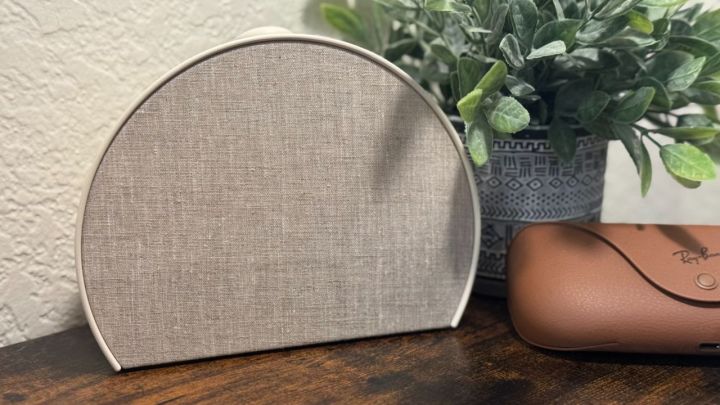
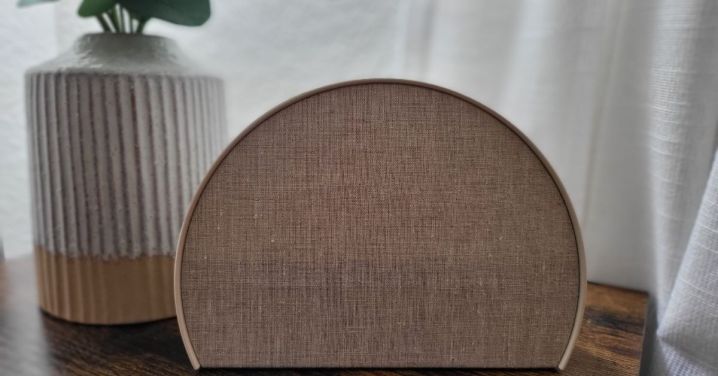
    The Hatch Restore 3 serves as an excellent bedside companion. Primarily functioning as a smart alarm clock, it also offers music playback to help you relax at night and simulates a sunrise to gently ease you into waking. Our review highlighted it as one of the top smart alarm options available, but how does it stack up against its predecessor, the Hatch Restore 2? More importantly, should those who own the Hatch Restore 2 consider upgrading?

    This overview of the Hatch Restore 3 and Hatch Restore 2 will assist you in determining whether the newer model is a worthwhile investment.

    Pricing and Availability

    The Hatch Restore 3 on a nightstand.
    Jon Bitner / Digital Trends

    Both models are priced at $170, and they both support the Hatch+ membership plan, which is available for $5 per month. This subscription unlocks exclusive routines, including new meditations, soundscapes, and music. However, as the Hatch Restore 2 is now solely available through third-party retailers, it’s simpler to purchase the Hatch Restore 3 directly from the Hatch website.

    Winner: Hatch Restore 3

    Design and Buttons

    A collage showing the top and side of the Hatch Restore 3
    Hatch

    The Hatch Restore 3 sports a design similar to its predecessor but includes several enhancements for improved usability. Notably, it introduces a “Big Button” on the top. This versatile feature allows you to initiate and navigate through your Unwind routines, silence and snooze your alarms, and even serves as a rotating dial to adjust volume levels.

    Other controls on the Restore 3 include a Swap button to cycle through your Unwind routine, a Pause button, an alarm toggle to disable alarms, and a Light button that can reset the device or sync via Bluetooth.

    In contrast, the Hatch Restore 2 is limited to just two buttons and an alarm toggle, making it somewhat cumbersome to operate, particularly in low-light settings.

    Winner: Hatch Restore 3

    Features

    The Hatch Restore 2 on a nightstand.
    Jon Bitner / Digital Trends

    Both devices come equipped with virtually identical features. Here’s a quick summary of their notable capabilities:

    • Set alarms
    • Play meditations, soundscapes, and other audio to enhance your morning and sleep rituals
    • Illuminate their faces with various colors to mimic a sunrise

    While the Hatch Sleep app features slightly different interfaces (for instance, the Restore 2 has a Morning Moment feature, which is supplanted by a two-step sunrise routine on the Restore 3), both effectively achieve similar outcomes. Many users may find the Restore 3 offers slightly more customization, though the Restore 2 remains quite functional.

    Ultimately, both devices can seamlessly play various soundscapes to help you relax and simulate a sunrise in the morning, providing a gentle wake-up experience.

    Winner: Tie

    Verdict

    With its revamped design and added buttons, the Hatch Restore 3 is a clear advancement over the Hatch Restore 2. Maintaining the same price of $170 is certainly a plus, minimizing concerns about inflation despite significant enhancements.

    If you don’t already own a Hatch device, opting for the Hatch Restore 3 is undoubtedly the way to go. However, for current Restore 2 users, there’s probably no immediate need to rush into an upgrade. While the Restore 3 offers slight customization improvements and user-friendliness, it may not justify the $170 expense if you’re satisfied with your current model. Consider maximizing the use of your Restore 2, and when you’re finally ready for an upgrade, the Restore 3 will be a fantastic choice.


  • Microsoft Unveils Another Anti-Google Strategy

    Microsoft Unveils Another Anti-Google Strategy

    At the start of this month, Microsoft sparked controversy when it implemented a deceptive search bar reminiscent of Google’s, which appeared when users searched for its competitor on Bing. Now, it seems the tech giant is setting its sights on the Chrome browser, too. As noted by Windows Latest, some users may encounter a prominent promotional banner for Edge when they search for Chrome while using Microsoft’s browser.

    The questionable aspect of this banner is that it obscures part of the Chrome download link behind a “See more” button.

    Screenshot of Microsoft Edge concealing a Google link.
    Windows Latest

    I attempted to replicate this issue myself but couldn’t, so I can’t confirm if it’s still happening. Such experiments are often not rolled out to every user. Nevertheless, as illustrated in the image from Windows Latest, the majority of the Chrome link is dimmed and quite easy to overlook.

    The strategy of using a “fake Google” search bar could be argued as a means to steer users toward Bing, as many associate Google with the act of searching itself. However, this argument doesn’t hold up here. If someone searches for Chrome while using Microsoft Edge, it indicates a desire to switch browsers. It’s troubling for a search engine to obscure a link that the user intentionally sought, regardless of its rationale. A search engine should prioritize functionality before promotion.

    This banner is particularly unsettling; no user wants their computer to manipulate their internet searches. Microsoft’s focus on self-promotion overshadows the user experience, making it feel akin to searching for “chocolate shop near me” only to get a response, “There’s no need for you to eat chocolate.”

    The deceptive search bar strategy has been discontinued, but not before Google seized the opportunity to position itself as the more ethical player with this post on X: “Imitation is the sincerest form of flattery, but Microsoft’s imitation of the Google homepage is merely another tactic in its long-running history of confusing users and restricting options. A new year; a new low for @Microsoft.”

    Imitation is the sincerest form of flattery, but Microsoft spoofing the Google homepage is another tactic in its long history of tricks to confuse users & limit choice. New year; new low @Microsoft https://t.co/LKSNNKB7Hy

    — Parisa Tabriz (@laparisa) January 6, 2025

    I wouldn’t be shocked if this latest tactic vanishes just as quickly. Whether Microsoft has any more “boundary-pushing” advertising methods planned is anyone’s guess. Perhaps its next move will involve redirecting users to Bing when they click on the Google link.

  • AMD’s Delay Of RDNA 4: Here’s What We Know So Far

    AMD’s Delay Of RDNA 4: Here’s What We Know So Far

    AMD has been somewhat reticent about sharing details regarding its RX 9000 series graphics cards. However, there’s new information shedding light on the anticipated launch delay until March. The company’s rationale points to software optimization and the implementation of FSR 4 as key factors influencing the postponement of the RDNA 4 rollout. But could there be more at play? Might AMD also be biding its time to observe Nvidia’s leading graphics cards before finalizing the launch of the RX 9070 XT?

    This update is conveyed by David McAfee, AMD’s vice president and general manager of the Ryzen CPU and Radeon graphics division. Recently, McAfee took to X (formerly Twitter) to express AMD’s enthusiasm about the RX 9000 series launch slated for March. This announcement sparked considerable discussion among gaming enthusiasts, raising questions about the prolonged wait.

    I really appreciate the excitement for RDNA 4. We are focused on ensuring we deliver a great set of products with Radeon 9000 series. We are taking a little extra time to optimize the software stack for maximum performance and enable more FSR 4 titles. We also have a wide range…

    — David McAfee (@McAfeeDavid_AMD) January 22, 2025

    McAfee elaborates that AMD is “taking a little extra time to optimize the software stack for maximum performance and enable more FSR 4 titles.” Although this explanation may seem a bit vague, it aligns with speculation from various insiders indicating that the RDNA 4 hardware is ready, but there’s an emphasis on enhancing it through software adjustments. While this approach is certainly valid, it hints at the possibility of underlying factors influencing the timeline.

    Interestingly, preorders for these GPUs became available on January 22, and multiple retailers reportedly have them in stock. Acknowledging this, McAfee noted: “We also have a wide range of partners launching Radeon 9000 series cards. While some have commenced building initial inventories at retailers, expect many more partner cards available at launch.”

    An advertisement for the AMD RX 9070 XT.
    Reddit / VideoCardz

    Further signs indicate that AMD might have initially planned a different release timeline for the RDNA 4 series. A Reddit advertisement from the official AMD account hinted that the GPUs are already available, stating, “When the stakes are high, every play counts — play now with the ultimate performance of AMD Radeon RX 9000 series graphics cards.” This ad also showcased the RX 9070 XT in its Made By AMD (MBA) design.

    If late January was the originally intended launch period for the RX 9000 series, it appears that AMD opted to delay. While enhanced driver support and increased availability for FSR 4 titles are solid reasons for this decision, it’s plausible that AMD is also waiting to see how Nvidia’s RTX 5070 Ti performs once it is released, likely in February.

    On the bright side, McAfee suggests that there will be ample RDNA 4 cards available upon launch, which is encouraging news, especially considering the potential scarcity of Nvidia’s RTX 50 series cards at debut.

  • iOS 18.3: Upcoming Features in the Next iPhone Update

    iOS 18.3: Upcoming Features in the Next iPhone Update

    Table of Contents

    • The Most Significant New Feature
    • Additional New Features

    The Most Significant New Feature

    With the installation of iOS 18.3 on your iPhone, one of the first changes you’ll notice is the refined Notification Summaries. Originally introduced with iOS 18, this feature was designed to streamline the way users review incoming messages, news highlights, and notifications. Although it aimed to enhance user experience, early iterations received enough feedback regarding their limitations.

    In iOS 18.3, users will find that managing notifications is more effective, with messages becoming more relevant and less disruptive. Notably, you can now turn off notification summaries for individual apps directly from the lock screen. As someone who has tested the release candidate version of iOS 18.3, I can attest that the Notification Summaries have improved significantly, which should be a welcome change for many iPhone users.

    Additional New Features

    Beyond the enhancements to Notification Summaries, iOS 18.3 introduces at least three other intriguing features worth mentioning. One of the highlights is the ability to create personalized Genmojis directly from the emoji menu with a new “+” button. This simplifies the process, reducing steps and making it much easier for users to access this feature. With the Genmoji option now readily available, we can anticipate a quicker uptake of this innovative offering from Apple.

    Apple has also enhanced privacy features in mobile Safari within this update. When cropping screenshots to save as PDFs, the system will notify you if any cropped-out content might remain visible in certain apps before you finalize the document. This alert gives you the option to decide if sharing the cropped PDF is appropriate.

    While the Calculator app is not introducing any brand-new features, it has reinstated a function that was removed in earlier versions. Users can now reapply their last calculation by pressing the equals button multiple times—a previously available option that many will appreciate.

    Additionally, the camera interface for the iPhone 16 Pro has received a subtle tweak. The terminology has shifted from “AE/AF Lock” and “Clean Preview” to “Lock Focus and Exposure,” streamlining the user experience.

    iOS 18.3 also brings along bug fixes from prior versions and enhancements for battery performance, although the full impact of these updates may take some time to grasp.

    If you own a supported iPhone, you can download iOS 18.3 next week. Keep in mind that some of Apple’s new Intelligent features are exclusive to the iPhone 16 series as well as the iPhone 15 Pro and iPhone 15 Pro Max.

  • Nvidia Claims Melting Power Connectors Are No Longer An Issue

    Nvidia Claims Melting Power Connectors Are No Longer An Issue

    Nvidia has reassured users that the melting problems associated with the 12VHPWR power connectors seen in some RTX 40-series graphics cards will not be an issue with the upcoming RTX 50-series.

    According to a report by QuasarZone, during the recent Nvidia RTX AI Day 2025 event held in South Korea, company representatives expressed their confidence that the overheating and melting problems of the RTX 4090’s 12VHPWR connector have been successfully addressed in the new RTX 50 series. “We don’t expect that to happen with the RTX 50 series. We made some changes to the connector based on the problems we encountered, and we’ve seen no signs of trouble now, nearly two years later,” stated an Nvidia spokesperson.

    The 12VHPWR connector, also referred to as the PCIe 5.0 16-pin connector, first appeared with the RTX 4090 and 4080 models. While it was designed for compactness and could deliver high power levels of up to 600W, it soon garnered negative attention due to reports of overheating and subsequent GPU damage. Investigations revealed that improper seating of the connector was a significant contributor to these issues. In response, Nvidia and its partners established guidelines to ensure correct usage, though customer concerns remained.

    In response to the feedback, Nvidia introduced several modifications with the 12V-2×6 connector. This new connector maintains the same design as the 12VHPWR but features slightly shorter sensing pins (by 0.1mm) and longer conducting terminals (by 0.15mm), enhancing the connector’s ability to establish a secure connection, thereby ensuring reliable power delivery. Importantly, the 12V-2×6 connector is backwards compatible with the 12VHPWR, alleviating the necessity for new cables.

    As Nvidia gears up to launch the RTX 50-series GPUs—boasting increased total graphic power (TGP) ratings of up to 575W for the RTX 5090—it claims to have proactively tackled any potential issues. While Nvidia appears confident, users are encouraged to utilize modern power supply units (PSUs) that adhere to the ATX 3.1 standard, which natively supports the 12V-2×6 connector.

  • IPhone SE 4 May Have Dynamic Island Instead Of Notch

    IPhone SE 4 May Have Dynamic Island Instead Of Notch

    Recently leaked images from tipster Evan Blass indicate that the upcoming iPhone SE 4 may indeed feature Dynamic Island technology. In addition to this, Blass disclosed code snippets that suggest several forthcoming Apple products, including the 11-inch iPad Air with the M3 chip, the 13-inch iPad Air with M3, the 11th-generation iPad, and the fourth-generation iPhone SE. Following his initial leak, he further shared visual assets for these devices; among them, the iPhone SE 4 prominently displays Dynamic Island.

    The appearance of the Dynamic Island is subtle in the images. For a clearer view, it’s advisable to view the image in full-screen mode. Blass mentioned that he altered the image’s colors to enhance visibility. Specifically, he noted that this editing confirms the presence of the Dynamic Island in the images he shared.

    Concept render of the iPhone SE 4.
    Evan Blass

    Interestingly, the design of the iPhone SE 4 closely resembles that of the iPhone 16, with both models expected to sport the A18 chip, 8GB of RAM, and various features powered by Apple Intelligence. Traditionally, the iPhone SE has been a more budget-friendly option, but given the advanced specs, a price increase is plausible.

    The similarities are significant enough that 9to5Mac has even speculated that the device might be referred to as the iPhone 16E instead of the iPhone SE 4.

    This revelation contrasts with earlier leaks that claimed the iPhone SE 4 would only feature a standard notch, not Dynamic Island. While its inclusion is a delightful surprise, it makes sense when considering that the notch could become nearly obsolete soon, especially with the iPhone 14 being phased out of the market later this year. Why would Apple want to revitalize an outdated design element in a new device?

    That said, it’s important to remember that the iPhone SE 4 is still some time away from its official launch, so these early insights should be taken with caution, as features and specifications are subject to change before the final version is released.


  • The Saros Z70 Is The Most Amazing Robot Vacuum Yet

    The Saros Z70 Is The Most Amazing Robot Vacuum Yet

    Roborock

    When it comes to robot vacuums in 2025, Roborock stands out as my top choice. This brand has consistently delivered high-quality, reliable, and powerful vacuum solutions for years, earning spots in numerous top picks for robot vacuums and mops. At CES 2025, there were many exciting developments in smart home technology, but the Roborock Saros Z70 truly captured my attention. Featuring a robotic arm designed to pick up small items in its path, it represents one of the most innovative home cleaning devices I’ve encountered, and I’m eager to see how it influences the market.

    While robot vacuums are meant to be independent helpers that maintain clean floors with minimal involvement from us, this is often not the reality. Many struggle with inadequate sensors that lead to getting stuck, weak suction that fails to handle more stubborn debris, or poor navigation that leaves them entangled in cords or other obstacles. As a result, some devices do not deliver the expected hands-free experience.

    That said, Roborock has seemingly perfected the fundamentals with its current Qrevo Curv model, which boasts impressive suction capabilities, outstanding mapping technology, and a self-cleaning dock so efficient I often forget it’s even operating in my home.

    The Saros Z70 placing an object in a designated location.
    Roborock

    With the basics in check, Roborock is now shifting its focus towards enhancing the versatility of smart home products. A perfect example of this initiative is the robotic arm, which is intended to clear obstacles it encounters. It’s important to note that the Saros Z70 is not capable of picking up larger items like gym shoes or clothes. Instead, its current lifting capacity is limited to 300 grams. Should it attempt to lift something heavier, its sensors will detect the weight and carefully lower the object back down.

    Currently, the robotic arm exhibits a slower reaction time, as demonstrated during the CES 2025 presentation, which showcased a few missed grabs and generally sluggish actions. However, this innovation is one of the first significant advancements in the robot vacuum market, making it an exciting development to follow.

    Before the advent of robotic arms, self-cleaning docks were the standout feature, and now they are common in nearly every high-end device. They perform exceptionally well, alleviating concerns about mold or unpleasant odors. The introduction of a robotic arm, no matter how gradual its functionality, could pave the way for transformative advancements in the near future. Imagine a world where robot vacuums seamlessly manage all of our messes, with no worries about picking up toys or clothes prior to cleaning cycles. That could lead to a thorough clean, even with clutter left behind.

    Roborock has a proven track record when it comes to crafting top-notch robot vacuums. I have always been impressed with their prior models, and if there’s any brand capable of successfully integrating a robotic arm into a vacuum cleaner, it’s Roborock. I look forward to seeing how the Saros Z70 evolves, and I hope this is merely the beginning of more groundbreaking developments from the company.


  • Another Annoying Reason To Upgrade To Windows 11

    Another Annoying Reason To Upgrade To Windows 11

    Windows 11 and Windows 10 operating system logos are displayed on laptop screens.
    Beata Zawrzel / NurPhoto/Getty Images

    If you were in need of more motivation to transition to Windows 11, here’s another reason to consider making the switch.

    The latest update for Windows 10, labeled KB5048239, is not just having installation problems—it’s repeatedly attempting to install itself successfully each time. Originally released in November 2024 for versions 21H2 and 22H2, Microsoft is resurfacing this update once more this month, as reported by TechRadar.

    This irritating installation loop is affecting many users and is part of Microsoft’s January 2025 patch updates. Designed to address issues with the Windows Recovery Environment (WinRE), the installation failed for some because they lacked the necessary 250MB in their Windows 10 recovery partition.

    Users have publicly expressed their frustrations regarding this installation loop on Microsoft Answers. One user wrote, “I checked for updates this morning, and once again, KB5048239 is waiting to be installed! I ran the troubleshooter and it installed once more; I even checked ‘View updates,’ and the installation date changed from yesterday to today! It’s like a merry-go-round. I can feel a migraine coming on!” from Brian Lofthouse.

    Another complaint came from Dean Wortmier, who stated, “This specific update installed successfully for me back in November 2024, and now it’s trying to install again — repeatedly claiming ‘successful’ each time.” This sentiment has been echoed by 353 other users dealing with the same problem. Adding to the frustration, there has been no official update from Microsoft regarding a resolution to this issue.

    Attempts to resolve this problem have been unsuccessful for many. Users who have tried to uninstall previous iterations of the update before initiating this one still find themselves in the loop. Even those with adequate WinRE setups encounter this issue, and there appears to be no workaround available. With the end-of-life for Windows 10 approaching later this year, this is another compelling reason to finally upgrade away from Windows 10.


  • Watch DJI Unveil Its New Flip Drone in 260 Seconds

    Watch DJI Unveil Its New Flip Drone in 260 Seconds

    Introducing the DJI Flip – The Versatile Vlog Drone

    Just four months after the launch of the compact Neo drone, DJI has rolled out another innovative product — the more sophisticated Flip drone.

    Combining safety, portability, and impressive imaging capabilities, the Flip is designed particularly for vloggers and content creators. It is also an appealing choice for beginners who want an easy-to-use drone that won’t break the bank.

    Launched on Tuesday, DJI’s new Flip features a 1/1.3-inch CMOS sensor that captures stunning 48MP images and records 4K HDR video at 60 frames per second. For vertical shots, it can capture at 2.7K and supports 4K slow-motion recording at 100 fps. Additionally, the Flip is equipped with Dual Native ISO Fusion, enhancing its performance under low-light conditions.

    Among its notable safety features are foldable, full-coverage propeller guards made from lightweight carbon fiber. Furthermore, it includes DJI’s advanced forward-facing 3D Infrared Sensing System and downward-facing sensors to help avoid obstacles during flight.

    Transporting the drone is effortless; it neatly folds into a compact form, making it easy to carry between shoot locations.

    The Flip drone folded.
    The Flip drone folded. DJI

    As expected from DJI, the Flip comes equipped with six intuitive shooting modes — Dronie, Circle, Rocket, Spotlight, Helix, and Boomerang. These allow users to create dynamic shots without needing extensive piloting skills. It also includes advanced options like Hyperlapse and FocusTrack, enabling users to capture captivating footage with minimal effort.

    This latest drone sits between the Neo and Mini 4 Pro in terms of features and capabilities. It offers a maximum flight time of up to 31 minutes on a single charge, a control range of up to 8.1 miles (13 kilometers), and can operate at altitudes as high as 9,840 feet (3,000 meters). Designed for stability, the Flip can withstand wind speeds of up to 10.7 meters per second, which is an improvement compared to the Neo’s resistance of 8 meters per second.

    Weighing in at less than 249 grams (0.55 pounds), users in some regions won’t have to undergo the hassle of registration.

    “Building on the success of our consumer camera drones, we are introducing the DJI Flip, which combines the simplicity of the DJI Neo with the remarkable photo capabilities of the DJI Mini to make aerial photography and close-up portraits more accessible,” said DJIs Ferdinand Wolf in a press release. “DJI Flip includes creative features like AI subject tracking and intelligent shooting modes alongside safety innovations such as our foldable propeller guards and automatic braking, making it easier than ever for anyone to capture stunning aerial visuals, regardless of their photography or drone flying experience.”

    The base model of the DJI Flip drone is currently available for $439, which includes the RC-N3 joystick controller that allows your smartphone to serve as a display. The price with DJI’s RC 2 controller is $639, and the Fly More Combo with the DJI RC 2 is priced at $779.

  • FBI To Remove Nasty Malware Affecting 2.5 Million PCs

    FBI To Remove Nasty Malware Affecting 2.5 Million PCs

    A person surrounded by multiple computers working on a laptop.
    Digital Trends

    A malware strain traced back to China has been successfully neutralized following an FBI court order that facilitated the removal of its harmful code from thousands of Windows-based computers.

    This operation has effectively brought an end to the PlugX malware in the United States, which had impacted over 2.5 million devices worldwide by compromising infected USB drives, according to PCMag.

    Working alongside the FBI, the Justice Department announced that it received judicial approval to expunge the malware from around 4,260 computers and networks across the country as of Tuesday. Consequently, the FBI plans to alert the owners of affected devices through their respective internet service providers.

    This case highlights the efforts by federal agencies to tackle significant cybersecurity threats. The Justice Department clarified that the assailants behind this incident are a group of state-sponsored hackers from China known as “Mustang Panda,” who created a tailored version of the PlugX malware for this ongoing campaign.

    Initially identified in 2008, PlugX served as a backdoor vulnerability, allowing cybercriminals to remotely control compromised Windows machines. By 2020, updates to the malware enabled it to infiltrate USB drives and connected computers, making it “wormable,” meaning it could spread between PCs through infected peripherals.

    Cybersecurity firm Sekoia noted that Mustang Panda eventually lacked the necessary resources to manage the large number of systems infected with PlugX and ultimately abandoned the undertaking.

    Additionally, cybersecurity company Sophos detected numerous PlugX infections originating from a single IP address. In September 2023, in conjunction with Sekoia, Sophos spent just $7 to gain insights into the IP address and the affected devices. This investigation revealed a self-deletion command embedded within the PlugX code.

    In July 2024, French law enforcement authorized the use of this self-deleting feature to rectify the infected computers, and since then, 22 additional countries have adopted similar measures.

    While specific methods for removing the malware from U.S. systems are not yet clear, the FBI confirmed in an affidavit that it has verified the self-delete command’s effectiveness, ensuring that it exclusively removes the malware without impacting any other functions on the device or transmitting any unauthorized code.

  • ChatGPT Just Started Exploring AI Agents

    A high-angle view of OpenAI's ChatGPT blog post displayed on a computer screen.
    Photo by Alan Truly / Digital Trends

    It seems OpenAI is experimenting with various ideas to find a profitable venture. Recently, the company unveiled a new addition called ChatGPT Tasks for its subscribers. This feature is designed to allow users to create single and recurring reminders right within the ChatGPT interface.

    As the name suggests, Tasks enable you to instruct ChatGPT to perform specific actions in the future. For instance, you can schedule a weekly news summary every Friday afternoon, check the weather in New York City tomorrow at 9 a.m., or remind yourself to renew your passport by January 20. In addition, ChatGPT will send push notifications containing pertinent details. To get started, simply select “4o with scheduled tasks” from the model picker menu, then specify your action and the desired time.

    This new feature will enter beta for Plus, Team, and Pro users over the next few days. During this initial phase, users can set up to 10 different tasks on desktop, web, and mobile platforms, although the task manager will only be accessible through the web interface. The AI will be able to push notifications via the macOS desktop app, web browser, and Android and iOS mobile applications. The concept behind Tasks closely resembles what many existing native and third-party reminder applications already offer, albeit through a different branding approach.

    Tasks represents OpenAI’s first step into the realm of AI agents, which are specialized models designed to execute independent actions and automate repetitive daily chores. This sector is expected to see significant growth by 2025. In contrast, competitors like Anthropic’s Claude have already introduced similar technologies, with Microsoft launching its Copilot Actions. Moreover, Google is reportedly developing its own agent, codenamed Project Jarvis, and recently announced that its automotive agent will enhance the next generation of Mercedes-Benz MBUX navigation and entertainment systems.

  • Nvidia CPUs May Arrive In Laptops Sooner Than Expected

    Nvidia CPUs May Arrive In Laptops Sooner Than Expected

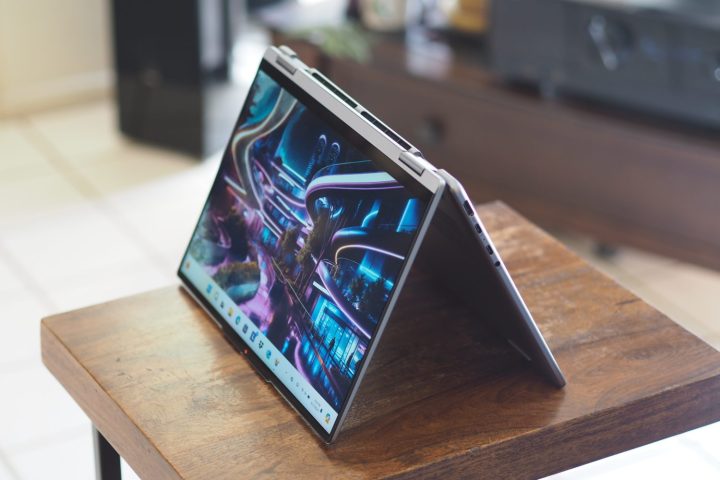
    Showcasing the Lenovo Yoga 7 14 Gen 9 in tent mode with the display and hinge visible.
    Mark Coppock / Digital Trends

    Nvidia, the prominent semiconductor manufacturer, is positioning itself as a key player in the AI PC market by 2025. They are set to launch a system on a chip (SoC) that will likely be incorporated into a forthcoming Lenovo laptop, potentially making its debut by mid-year.

    Previously, Nvidia ventured into the CPU market with Project Digits, a desktop PC capable of running ChatGPT directly on the device. Now, the company appears poised to explore additional consumer-focused segments.

    With various chip manufacturers like AMD, Intel, and Qualcomm actively collaborating with hardware makers to create AI PCs, recent leaks suggest that Nvidia is working on a chip utilizing the Blackwell architecture, designed to outperform its competition — and it may not be too far off.

    Receive your weekly insights into the technology powering PC gaming


    Check your inbox!

    Report/Rumor about NVIDIA WoA SoC:
    – Architecture: Blackwell, 180-200 TOPS
    – Launch/Announcement: Computex 2025
    – Collaborate with: MediaTek
    – Lineup: N1x (High-end), N1 (Mid-range)
    – Production Estimates: Q4 2025: 3 million units
    FY 2026: 13 million units https://t.co/zezO8XZRHU

    — Hoang Anh Phu (@AnhPhuH) January 13, 2025

    Data mining insights from Walking Cat suggest that Lenovo might incorporate a new Nvidia chip with an updated naming convention for its Yoga 2-in-1 16 2025 laptops. The leaks highlight an Nvidia N1x chip related to this model based on recent job postings by Lenovo. Additionally, Hoang Anh Phu reiterated that the chip is built on the Blackwell architecture and could be unveiled during Computex 2025, expected in late May.

    According to Videocardz, Lenovo may be following a naming pattern where the first letter from each component partner’s name is included in its product line’s nomenclature. For instance, an AMD-powered Yoga model is labeled Yoga a, while an Intel-powered version is called Yoga i, and a Qualcomm-based one is designated Yoga q. Thus, a device powered by Nvidia would be termed Yoga n.

    Lenovo utilizes a "platform code" system to denote the CPU, such as A?? for AMD, I?? for Intel, Q?? for Qualcomm, but the Yoga 2in1 16 2025 features the intriguing platform code "N1X", raising questions. 🥸 https://t.co/AvYchIelVG pic.twitter.com/tU09V4p1lV

    — WalkingCat (@_h0x0d_) January 13, 2025

    Furthermore, there could be multiple tiers in this chip lineup, with a high-end N1x and a midrange N1 variant, as noted by Phu. This new Blackwell architecture is projected to deliver between 180 and 200 tera operations per second (TOPS) of neural processing unit (NPU) capability, significantly outperforming existing leading chips. Nvidia is also expected to collaborate with MediaTek and utilize TSMC’s 3nm fabrication process to produce this SoC.

    Despite the leaked details, it is worth noting that Nvidia’s CEO, Jensen Huang, clarified at a CES Q&A session that there are currently no specific timelines for product launches.

  • How Thin Will The iPhone 17 Air Be A New Report Reveals

    How Thin Will The iPhone 17 Air Be A New Report Reveals

    From the moment the first rumors of the Apple iPhone 17 Air emerged, our curiosity was piqued, and we’ve been eagerly seeking more details. How does this anticipated ultra-slim iPhone integrate into Apple’s current product range? According to recent insights, this model might serve as a precursor to gauge consumer interest in a thinner phone prior to the introduction of a folding variant. Now, we have a clearer picture of just how slim the iPhone 17 Air is designed to be.

    Reports suggest the iPhone 17 Air could measure just 5.5mm in thickness, as indicated by Ming-Chi Kuo. Mark Gurman also supports this claim in his Power On! newsletter, noting that the iPhone 17 Air represents a step toward achieving an even slimmer chassis. Not only is the iPhone 17 Air reportedly thinner than its predecessors, but it also dwarfs current competitors. For context, the iPhone 6 is Apple’s skinniest model at 6.9mm, making the upcoming Air a significant leap forward.

    In comparison, the upcoming Samsung Galaxy S25 Slim is rumored to fall between 6 and 6.9mm. If these details hold true, the iPhone 17 Air will outpace it by a noticeable margin. The S25 Ultra is anticipated to be 8.2mm, while both the S25 and S25 Plus are expected to measure around 7.2mm.

    Someone holding the white iPhone 16.
    Joe Maring / Digital Trends

    Meanwhile, the Google Pixel 9 measures approximately 8.5mm thick, and the iPhone 16 boasts a thickness of 7.8mm. To put this in perspective, the iPhone 16 is roughly 0.31 inches thick, similar to the height of a standard sheet of bubble wrap. In contrast, the iPhone 17 Air, at just 5.5mm, is akin to the average thickness of a sliced tomato.

    We’ve gathered substantial information about the iPhone 17 Air already, including the possibility of a 120Hz display. Kuo has also mentioned that the iPhone 17 Air will do away with a physical SIM tray, opting for eSIM technology across all variants. However, as Kuo points out, this could lead to complications since eSIM is not currently supported in China, which might mean the iPhone 17 Air won’t be available in that market.

    The open Google Pixel 9 Pro Fold, showing the thin chassis.
    The Pixel 9 Pro Fold measures approximately 5.1mm when unfolded. Andy Boxall / Digital Trends

    Despite the buzz surrounding the new model, Kuo’s sales forecasts are rather surprising. He suggests that the addition of the iPhone 17 Air will likely have a minimal effect on overall sales due to its anticipated higher price and lesser specifications, predicting a potential 10% drop in iPhone shipments over the next year.

    The iPhone 17 Air is set to represent the most significant design shift Apple has made in years, particularly regarding the device’s main body. As we await Apple’s official announcement, the prospect of the world’s thinnest iPhone excites us, but it’s essential to keep in mind that details may evolve.

  • OnePlus Open 2 May Be Thinnest Foldable, Forget Galaxy S25 Slim

    OnePlus Open 2 May Be Thinnest Foldable, Forget Galaxy S25 Slim

    As the Galaxy S25 series prepares for its imminent release, rumors about the upcoming S25 Slim are swirling. However, it might be premature to celebrate this release, as a credible insider suggests that the forthcoming OnePlus Open 2 — known as the Oppo Find N5 in China — could emerge as the thinnest foldable smartphone ever created.

    Digital Chat Station, a leaker with a solid reputation for accuracy, has asserted that the OnePlus Open 2 may outshine even the currently slim Honor Magic V3, which measures just 9.2mm when folded and 4.35mm when opened. If the OnePlus Open 2 is able to pack its components into an even slimmer profile, it will undoubtedly break new grounds in smartphone design. Furthermore, the leaker notes that the device’s body will be crafted from titanium.

    While some aspects of the OnePlus Open 2 are becoming clearer, numerous questions still linger. It is anticipated that the smartphone will run on the Snapdragon 8 Elite chipset and offer IPX8 water resistance, along with a potential 6,000mAh battery. Wireless charging might also be included, a feature notably absent from its predecessor. Speculation suggests the device could feature a triple-camera setup on the rear, alongside a possible 50MP telephoto lens, although reports on this feature remain mixed. Many of these characteristics were hinted at earlier this year, but the latest insights lend further credibility to these claims.

    OnePlus Open Apex Edition Crimson Shadow red versus black.
    Tushar Mehta / Digital Trends

    At this point, the OnePlus Open 2 lacks a confirmed price or release date. Given that the original OnePlus Open retails for $1,300, a price of at least $1,500 seems likely, particularly if OnePlus opts for a more premium design featuring a titanium chassis. It’s important to remember that much of this information is based on unofficial sources, and could potentially be inaccurate. Until OnePlus provides an official update regarding the specifications of the Open 2, these details should be approached with caution as they may evolve ahead of the launch.


    Please enable Javascript to view this content

    As the trend for foldable smartphones continues, devices are becoming increasingly slender while packing enhanced power and capabilities. The OnePlus Open 2 aims to utilize a “book-style” foldable design as opposed to a flip-style, and initial rumors hint at a launch in February. This timing could give OnePlus a significant advantage over Samsung, as the S25 Slim isn’t anticipated to debut until later in the summer.