Following the announcement of the new iPad Air, Apple has made an exciting update regarding the base iPad: it now features double the initial storage and is powered by the A16 chip. This upgrade translates to a significant boost in performance, speed, and battery life; Apple claims users can see a 30% increase in performance compared to the previous iPad models running on the A13 Bionic chip.
However, this enhanced functionality comes with a notable downside. Despite the upgraded hardware, the iPad does not support Apple Intelligence. This may come as a surprise, considering Apple’s recent focus on artificial intelligence in its marketing efforts. The reason for this absence is straightforward: the A16 chip contains only 6GB of RAM, while Apple Intelligence requires a minimum of 8GB to operate.
This omission may feel like a lost opportunity for Apple, especially since the A16 boasts a Neural Engine that’s even more capable than the one found in the M2 chip. Apple could have tweaked this chip to accommodate the necessary RAM for the feature, but it seems that Apple Intelligence is not deemed essential for all users.
Apple
Another intriguing aspect is that the base iPad is still compatible only with the first-generation Apple Pencil and Apple Pencil (USB-C). While the second-generation Apple Pencil offers several desirable features, users will have to make do with the original version for now.
Despite these limitations, the enhanced speed makes the entry-level iPad more appealing than ever. Individuals looking to boost their productivity can expect a smoother, more responsive experience, while mobile gamers will benefit from the improved hardware that guarantees steady frame rates.
Importantly, the price of the iPad remains unchanged, making it an even better value proposition in comparison to Android tablets of a similar price point. Because of this attractive value, many educational institutions are acquiring entry-level iPads for their students. Apple’s history of targeting the educational sector dates back to the 2018 launch of the 9.7-inch iPad at a school event in Chicago.
Whether you’re a student or simply in search of a cost-effective tablet, the iPad has become an even more compelling choice than before.
Lenovo Unveils Innovative ThinkBook Flip AI PC Concept at MWC 2025
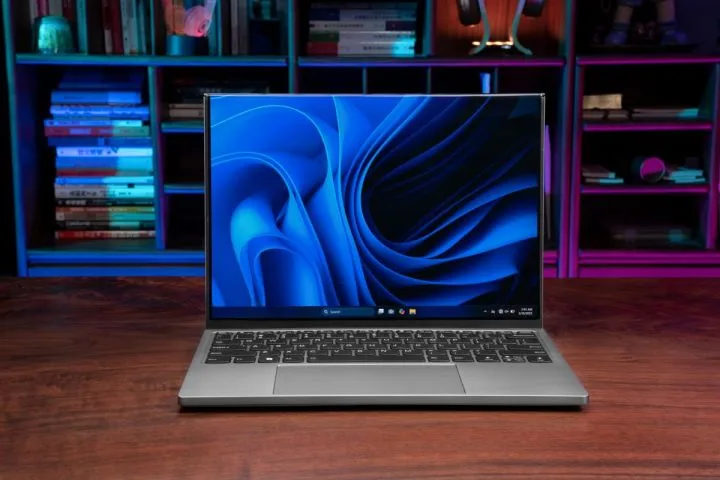
Lenovo is once again pushing the boundaries of computing with its latest concept showcased at the Mobile World Congress (MWC) 2025 in Barcelona. Introducing the ThinkBook Flip AI PC, a versatile 5-in-1 laptop that features five distinct display configurations tailored to a variety of use cases.
While many are accustomed to 2-in-1 devices that transition between traditional clamshell and easel modes, the ThinkBook Flip AI PC leverages recent advancements in Lenovo’s foldable and rollable technology. It incorporates a dual hinge that supports various modes, enhancing display functionality for optimization, productivity, multitasking, and seamless collaboration.
The device boasts a standard clamshell setup, featuring a 13.1-inch OLED display with a 16:10 aspect ratio. It can then transform into a vertical mode, offering an 18.1-inch OLED display with a stunning resolution of 2000 x 2664 in a 3:4 format.
One unique capability of the ThinkBook Flip AI PC is the outward folding share mode, which presents dual 16:10 aspect ratio panels of 13.1 inches and 12.9 inches, making it easy for multiple users to interact with the screen simultaneously. In read mode, the outer display panel flattens against the device’s cover, showcasing a 12.8-inch 2000 x 1258 display. When folded closed, it takes on a tablet form that reveals only the 12.9-inch display.
Lenovo envisions the ThinkBook Flip AI PC as a tool for enhancing workflows with AI capabilities while negating the need for additional external monitors.
In terms of hardware, this device is powered by Intel Core Ultra 7 processors, equipped with 32GB LPDDR5x RAM and PCIe SSD storage. It also includes Thunderbolt 4 ports and a fingerprint reader for secure access. The compact laptop measures 11.3 x 8.2 x 0.7 inches and weighs just 3.1 pounds, making it highly portable and user-friendly.
The ThinkBook Flip AI PC draws inspiration from earlier Lenovo creations, such as the ThinkPad X1 Fold and the upcoming rollable ThinkBook Plus Gen 6 set for release in June. While it remains uncertain whether this concept will eventually go into production, Lenovo is known for showcasing cutting-edge technologies. Last year, for instance, they presented a transparent display laptop at MWC 2024, along with a voice-controlled Auto Twist AI PC during IFA 2024.
It's time to make a choice. After considerable anticipation following its announcement, the iPhone 16e has finally hit the shelves. This latest budget offering from Apple comes with plenty of appealing features, especially for those who resonate with the brand's target audience. However, if you’re in the market for a new iPhone, you might find that the iPhone 14 could be a better option for you.
Upon the announcement of the iPhone 16e, it became evident that it bears more resemblance to the iPhone 14 than to the iPhone SE 3, which many initially thought would be replaced by the rumored "iPhone SE 4." The iPhone 16e is poised to be a substantial upgrade overall. Unsurprisingly, this led to the discontinuation of both the iPhone SE 3 and the iPhone 14.
Why might you choose the iPhone 16e over the iPhone 14, which was first introduced in 2022? Here are some factors to consider.
Reasons to buy the iPhone 16e
Image used with permission by copyright holder
Let’s explore what the iPhone 16e has to offer.
Affordability
The foremost advantage of the iPhone 16e is its pricing. You can purchase a brand-new model for $200 less than the previous price point. While the 128GB version retails for $599—$170 more than the base price of the now-discontinued iPhone SE 3—it's essential to compare the iPhone 16e directly with the iPhone 16 for a fair evaluation.
Battery Performance
Battery life is crucial when deciding on which iPhone to buy. The iPhone 16 Pro Max boasts an impressive 33 hours of battery life, but most consumers shopping for an affordable model likely aren't willing to pay $1,200. The iPhone 16e offers an excellent 26 hours of use, surpassing the iPhone 16 by four hours and just shy of the iPhone 16 Pro. In comparison to the iPhone 14, the iPhone 16e affords six hours more battery life, making it a compelling choice.
Apple Intelligence
Apple's AI capabilities are still evolving. While it has a way to go to compete with alternatives like Google’s Gemini, the addition of Apple Intelligence to the budget model is promising. This ensures the device will remain relevant for years, which is vital for anyone planning to keep their phone long-term.
A18 Chipset
Another notable feature is the A18 processor paired with 8GB of RAM, similar to the other iPhone 16 models. It has one less GPU core, which might affect gaming performance, but this detail may not be a concern for the average buyer of the iPhone 16e.
Long-Term Software Support
Both the iPhone 16e and the iPhone 14 support iOS 18, but the former comes pre-loaded with the latest version. Being two years younger, the iPhone 16e will likely receive more software updates over its lifespan. Apple provides between five to seven years of updates, making this a vital consideration for long-term users.
Visual Intelligence
The iPhone 16e also features Visual Intelligence, powered by Apple's AI. This feature utilizes machine learning to recognize and provide information on objects captured by the camera, making it useful for identifying animals, plants, and landmarks, and even extracting text from images. It enhances productivity by allowing users to add events to calendars with a simple photo.
Reasons you might want to consider the iPhone 14
Digital Trends
The 2022 iPhone 14 might still appeal to buyers for various reasons, and these factors could significantly influence which iPhone you ultimately choose.
Affordability
Launched at $799, the iPhone 14 saw a price reduction to $699 a year later with the introduction of the iPhone 15. Up until recently, the price was set at $599, now the cost of the iPhone 16e. While there are compelling reasons to prefer the $599 iPhone 16e, Apple’s discontinuation of the iPhone 14 may lead to even lower prices on the older model as inventory diminishes.
Currently, prices are already dropping; for instance, an unlocked 128GB iPhone 14 can be found for $529 at Best Buy, with even lower prices for renewed models on Amazon. Expect these prices to continue to decrease. Hence, if you can snag an iPhone 14 for under $450, it could prove to be the better deal.
Ultra-Wide Camera
The lack of an ultra-wide camera on the iPhone 16e may deter some potential buyers. An ultra-wide camera, which is present in the iPhone 14, enhances photography by allowing for more expansive landscapes and innovative shots. Additionally, since the iPhone 16e does not support two features found on the iPhone 14—cinematic mode and Action mode—video enthusiasts might prefer the older model.
MagSafe Capability
MagSafe wireless charging, a feature available on the iPhone 14, is absent from the iPhone 16e. While Apple believes this will not deter most buyers, MagSafe provides a convenient and efficient way to charge wirelessly, enabling faster and more reliable recharging compared to traditional Qi charging. However, with the iPhone 16e's superior battery life, the absence of MagSafe may not be a significant concern.
Color Options
The iPhone 14 also shines in terms of variety, offering six color options, whereas the iPhone 16e is limited to just black and white. For many users, this limited color palette could be a deciding factor in favor of the iPhone 14.
The Bottom Line
Ultimately, there are valid reasons to favor the iPhone 16e over the iPhone 14, and vice versa. If the prices are equivalent, it's usually wiser to opt for the newer model. However, should you find the iPhone 14 at a considerably lower price, it’s worth serious consideration.
The iPhone 16e excels in areas such as battery life, chipset performance, and software support. Meanwhile, the iPhone 14 appeals to those looking for a more advanced camera system and MagSafe compatibility. The array of color choices available with the iPhone 14 may also sway your decision. Ultimately, weigh these factors based on your priorities and preferences.
TikTok is enhancing the experience of watching popular short videos on desktop. The company has announced a new modular layout for its web app, which features a full-screen LIVE video feed and a unique floating player optimized for desktop users.
On the left side of the screen, users will find a persistent panel that includes essential controls such as For You, Explore, Messages, account settings, and your live options, among others.
In contrast to mobile, the desktop client organizes features that typically require a swipe or tap on a mobile device into a neatly arranged Home Screen. Engagement tools like likes, comments, and sharing options are conveniently located on the right side of the video display.
TikTok
To enhance the desktop experience, TikTok will allow users to create custom categories for saving videos, enabling easy revisiting whenever desired. This feature is reminiscent of Instagram’s collections, which can be both personal or shared with friends.
Content creators will benefit from the ability to initiate live broadcasts in both landscape and portrait modes. Mobile viewers can conveniently rotate their devices to match the orientation of the broadcast.
Drawing inspiration from the picture-in-picture feature seen in web browsers, TikTok’s floating media player keeps the platform accessible while users multitask, allowing them to engage with content without interruption. Currently, this floating feature is exclusive to the Chrome browser, leaving uncertainty about its availability on other browsers that use the Chromium engine, such as Microsoft Edge.
Recently, TikTok made its return to both Google Play and Apple’s App Store in the U.S. after a brief hiatus. However, the possibility of a ban still looms over the platform following a temporary executive order that extended the deadline for potential restrictions.
The Cloud Computing Surge: An In-Depth Look at Generative AI’s Impact
As technology continues to advance, the migration of IT services to the cloud has seen remarkable growth. The rise of generative AI has further accelerated this trend, sparking significant changes in the cloud infrastructure market. This post delves into the current cloud landscape, the influence of generative AI, and the market dynamics at play.
The Evolution of Cloud Infrastructure Services
Historical Growth Trends
The cloud infrastructure services market has evolved dramatically over the last few years. According to research by Synergy Research, revenues from cloud infrastructure services skyrocketed to $330 billion in the past year. This is a staggering increase from less than $50 billion recorded in 2017. The growth trajectory reflects a fundamental shift in how businesses operate, largely driven by increasing digital transformation demands.
2023: A Year of Slowdown
Despite the robust growth, 2023 marked a subtle slowdown in the cloud services market, with growth rates dipping slightly to just under 20%. This period of stabilization was expected as markets mature and competition intensifies, necessitating innovation to maintain growth momentum. However, a seismic shift was just around the corner.
The Role of Generative AI in Cloud Services
A Catalyst for Growth
The introduction and widespread adoption of generative AI technologies have revitalized the cloud services landscape. The impact of generative AI on cloud infrastructure revenue has been significant. Notably, it is estimated that since the launch of ChatGPT, generative AI has accounted for at least half of the recent growth in cloud service revenues.
John Dinsdale, chief analyst at Synergy Research Group, emphasized this point by stating, "Our assessment is that since ChatGPT was launched, GenAI has been responsible for at least half of the increase in cloud service revenues." This growth can be attributed to two main factors: new generative AI and GPU services entering the market and AI-driven enhancements to existing cloud services.
The Emergence of AI-Driven Services
Companies are not only leveraging new AI services but also enhancing existing cloud offerings with AI capabilities. This includes optimizing resource management, improving data analysis, and streamlining customer support, thereby increasing the value proposition of cloud services.
Market Dynamics: Key Players and Revenue Insights
Leading Market Share
In the realm of cloud infrastructure services, Amazon Web Services (AWS) and Microsoft Azure dominate the market landscape. Amazon, in particular, stands out, commanding approximately 30% of the total cloud infrastructure revenue. This translates to an impressive $100 billion in annual revenue from its cloud arm alone.
Financial Performance of AWS
The financial implications of AWS’s leadership are significant. In 2024, AWS generated $40 billion in operating profit, which accounts for nearly 60% of Amazon’s total operating profit. This high-margin revenue stream underscores the critical role that cloud services play in Amazon’s overall business strategy and profitability.
Competitive Landscape
With the rapid growth of the cloud infrastructure market, competition is intensifying. Both established players and newer entrants are continuously innovating to capture market share. Tech giants like Google Cloud and smaller niche providers are also vying for business, employing distinct strategies to differentiate their offerings and appeal to diverse customer needs.
Future Outlook: What Lies Ahead for Cloud Infrastructure
The convergence of generative AI and cloud computing is set to shape the future of various industries. As the demand for innovative AI-driven solutions continues to rise, cloud infrastructure services will play an increasingly pivotal role in enabling businesses to remain competitive and agile. The coming years will undoubtedly see further advancements in cloud technologies powered by AI, leading to an even more dynamic market landscape.
Speculation regarding Valve’s new wireless VR headset, codenamed Deckard, began back in 2022, revealing only a handful of details since then. However, a recent report by Wccftech has emerged, courtesy of known Valve leaker Gabe Follower. The leak suggests the headset could launch at $1,200 in late 2025.
The leak states:
“Multiple sources indicate that Valve is targeting a launch for the standalone, wireless VR headset (code-named Deckard) by the end of 2025, with a total bundle price of $1200. This includes several “in-house” games or demos that are reportedly ready. Valve aims to provide the optimal experience without cutting corners. Even at this price point, it is expected to be sold at a loss. Recently, we noted the appearance of leaked controller models (codenamed Roy) in a SteamVR update. The headset will be powered by the same SteamOS found in the Steam Deck but modified for VR use. A key feature is the capability to play flat-screen games that are currently available on Steam Deck but in a virtual reality format without needing a PC. Closed-door presentations may commence soon.”
Like the Valve Index, which debuted in 2019, the anticipated $1,200 price point for Deckard is significant. The Index was marketed with the mantra “fidelity first,” and it appears Valve intends to maintain that high standard with this new product aimed squarely at VR enthusiasts.
Follower’s mention of “in-house” games and demos seems logical. Even though VR remains a niche market, the immense success of Half-Life: Alyx provided a substantial sales boost for the Index and sparked considerable buzz, even among those who didn’t purchase it. It wouldn’t be surprising if Valve is developing another revolutionary launch title for this headset, designed specifically to push the technology to its limits and entice more users to explore VR.
Images of the recently leaked controllers show a design quite distinct from the Index controllers, yet they bear a notable resemblance to the Meta Quest 3 controllers. Patent illustrations of the headset itself don’t reveal much, but they do support the notion that it will indeed be a wireless device.
An intriguing aspect of this headset is the adapted SteamOS that will allow users to enjoy Steam Deck games on a larger VR screen. This additional feature has the potential to significantly bolster sales, as it offers users a consistent use case for the headset, even during slower periods for VR-related game releases.
Follower has suggested that presentations could take place soon, and if Valve is truly planning to launch this product by the end of the year, an official announcement should be on the horizon.
The Apple iPhone 16e has officially been revealed and is now available for preorder. This long-anticipated device slots neatly between the premium iPhone 16 and more budget-friendly alternatives, offering many of the flagship features without a hefty price tag.
Does the iPhone 16e have a headphone jack?
Apple
If you’re considering whether to invest in AirPods or stick with an older pair of wired headphones, it's essential to determine if the iPhone 16e includes a headphone jack. The answer is no; much like its predecessors, Apple has maintained its stance against including a headphone jack, making it clear that you cannot expect one with the 16e.
With Apple discontinuing its Lightning to 3.5mm adapter and transitioning to USB-C, users can opt for third-party USB-C to 3.5mm adapters for wired headphones or utilize USB-C headphones directly. This change allows you to keep enjoying your favorite music through a wired connection, even without the standard headphone jack.
The go-to choice for most Apple users seeking a wireless experience is the Apple AirPods. However, there is a wide range of excellent wireless earbuds available in 2025 that are worth checking out.
Do you have any other options?
Simon Cohen / Digital Trends
Since the iPhone 16e lacks a headphone jack, you'll either need to make use of adapters or invest in Bluetooth earbuds. Many Bluetooth headphones surpass even the best AirPods in sound quality. While Apple AirPods Max is an option for those who prefer to stay within the Apple ecosystem—albeit at a premium price—there are also high-quality alternatives available from brands like Sennheiser and Sony that provide great sound without breaking the bank. For better noise cancellation, over-ear headphones often outperform earbuds, making them ideal for busy environments, whether in the office or at home.
Listening is not limited to personal enjoyment; if you wish to share your music with friends or family, consider exploring the best wireless speakers to enhance your audio experience.
The iPhone 16e may introduce some exciting updates to the lineup, but don’t expect a return of the headphone jack in this model or in any future iterations.
The iPhone 17 Pro is set to introduce a more flexible approach to wireless charging. This new feature will not only enable the phone to recharge its internal battery but will also permit accessories—like earbuds, smartwatches, or even another iPhone—to receive power wirelessly.
According to recent leaks from China, the iPhone 17 Pro will support reverse wireless power transfer, allowing it to charge other devices wirelessly. If this rumor proves accurate, Apple will be addressing a gap that has existed in its smartphone lineup for the past five years.
When Apple unveiled the iPhone 12 with MagSafe technology, a regulatory filing hinted at an exciting capability: two-way wireless power transfer. While more patent applications surfaced in 2022, the function never became a reality.
Apple
While it was possible to charge another device using the iPhone 12 lineup with the help of Apple’s MagSafe power banks, users were limited compared to options available on Samsung devices. Samsung phones can wirelessly supply power to accessories like earbuds, whereas Apple has historically lacked this capability even for its own products.
The upcoming iPhone 17 Pro may correct this oversight. According to leakster Instant Digital, Apple has been testing a 7.5W wireless power transfer feature, which is half of the maximum transfer rate permitted for Qi2-certified charging devices.
In reality, Apple could have rolled out this feature years ago and executed it more effectively than competitors. For instance, Samsung’s latest Galaxy S25 can achieve peak Qi2 transfer rates, but it lacks magnetic support above the wireless charging coil.
This could be the future for the iPhone 17 Pro.Nadeem Sarwar / Digital Trends
This absence of magnetic force means that any device placed on top can easily slide off unless both surfaces are completely flat. For example, while I enjoyed charging my Galaxy Watch by placing it on my Galaxy S22 Ultra, I often had to find a stable spot due to the bulging biosensor of the smartwatch. Conversely, wireless earbud cases generally worked fine.
Apple’s smartphones have utilized a magnetic ring for years, which could enhance the wireless power transfer experience. Had Apple activated reverse wireless charging across its product ecosystem, it would have undoubtedly provided a better experience than its Android counterparts.
A look at the effective wireless power system between the Apple Pencil and iPads highlights this potential, as the magnetic connection ensures that devices stay securely attached. It will be fascinating to see how Apple rolls out reverse wireless charging on the iPhone 17 Pro, provided it actually happens later this year.
The highly anticipated launch of the iPhone SE 4 is expected to take place today, February 19. Last week, Apple CEO Tim Cook hinted at the reveal of “a new family member,” and the buzz surrounding leaks and rumors has built up the excitement for the upcoming device.
As Apple’s flagship models often take center stage, the iPhone SE remains an attractive option for budget-conscious consumers. For those seeking a cost-effective iPhone without compromising on quality, the SE is an appealing choice.
Initially launched in 2016, the iPhone SE received updates in 2020 and 2022, incorporating newer hardware to keep pace with modern demands. Apple typically refreshes the iPhone SE every two years rather than annually, hinting that we may witness the introduction of a new model in 2025.
Here’s what we know about the iPhone SE 4 so far.
iPhone SE 4: Expected Release Date and Pricing
Andy Boxall / Digital Trends
Tim Cook recently teased a new product launch scheduled for February 19. Reports from reliable sources like Bloomberg suggest this event is likely focused on the fourth generation of the iPhone SE, consistent with prior rumors and expert forecasts.
Following the launch announcement, pre-orders will likely become available, and public sales could be expected by late February or early March. Analysts predict a starting price ranging from $450 to $500 for the new model.
Is the iPhone SE 4 Actually the iPhone 16E?
Most leaks concerning Apple’s next budget phone indicate it will be named the iPhone SE 4. However, some sources speculate about a potential name change to align with the current iPhone series, suggesting it could be branded as the iPhone 16E.
iPhone SE 4: Design Details
Leak-based iPhone SE 4 mockups.Majin Bu
Early leaks indicate the iPhone SE 4 may adopt a design similar to that of the iPhone 14, with a notable exception being the camera configuration on the back. Reports suggest it will feature a single rear camera and do away with the physical Touch ID button, opting instead for Face ID. Other design mockups shared on social media reinforce the notion of a modern aesthetic with a single rear camera.
Unlike previous iterations, which were based on older iPhone designs, the SE 4 might finally see a shift in its overall design. Speculation points to a 6.1-inch display, a significant upgrade from the smaller 4.7-inch screen of the 2022 model.
This larger design would eliminate the home button for Touch ID and align with Face ID featured on contemporary devices. Although it is unlikely to include the Dynamic Island, the notch design is expected to return.
Additionally, the iPhone SE 4 might introduce an Action button, initially seen on the iPhone 15 Pro, replacing the traditional silent/ring toggle. Furthermore, Apple appears poised to transition the charging port from Lightning to USB-C.
iPhone SE 4: Display Specifications
Joe Maring / Digital Trends
Historically, previous iPhone SE models have utilized LCD technology for their displays. However, there is potential for the iPhone SE 4 to feature an OLED display, as it draws design inspiration from the iPhone 14.
Apple has been employing OLED panels in its flagship iPhones since the iPhone 12, and this upgrade would enhance the SE 4’s visual performance, offering deeper blacks and better contrast. However, considering Apple’s tendency for cost-cutting measures, it remains uncertain whether this change will materialize.
iPhone SE 4: Specifications Overview
Andy Boxall / Digital Trends
Traditionally, the iPhone SE has adopted a prior-generation chip to keep costs down, but rumors suggest the upcoming model may be powered by the same A18 chip found in the iPhone 16. This could enable Apple Intelligence features, albeit in a more limited capacity compared to flagship devices.
Speculations also indicate that Apple could unveil its own in-house 5G chip in the iPhone SE 4, thanks to their acquisition of Intel’s modem technology. Bloomberg’s Mark Gurman has claimed that Apple is transitioning to its own modems, similar to the shift seen with M-series chips, and the iPhone SE 4 is expected to be the first device to implement this development.
iPhone SE 4: Camera Features
Andy Boxall / Digital Trends
Traditionally, all iPhone SE models have featured a single-lens camera, and it’s likely that the SE 4 will maintain this trend. A recent report indicates the rear camera will be upgraded to a 48-megapixel sensor while the front will feature a 12-megapixel TrueDepth camera, aligning with the expected introduction of Face ID.
This upgrade would allow for improved photography capabilities, potentially including Smart HDR 5, enhanced portrait options, and advanced video recording features.
iPhone SE 4: Battery Life Insights
Andy Boxall / Digital Trends
A notable limitation of the iPhone SE has been its battery life, particularly due to its compact size. The SE 3 is equipped with a 2,018mAh battery, which underperforms compared to larger, flagship iPhones. However, redesigning the iPhone SE to a larger format could create opportunities for a more substantial battery.
Potentially adopting the iPhone 14’s design could allow for a larger battery in the SE 4, although increased processing demands from features like Apple Intelligence and an OLED display could offset this benefit.
As it stands, these insights reflect early speculations. Apple has a well-known history of surprises, so the finalized specifications won’t be known until the official announcement. Nevertheless, the iPhone SE 4 is poised to be a significant upgrade over previous models.
Since Apple phased out the 27-inch iMac in 2022, the company has been silent on any plans for a revival or a new model. The iMac Pro also faced a similar fate that year and remains an unanswered question in Apple’s lineup.
However, it looks like Apple’s ambitions for a large-screen all-in-one (AIO) desktop are still alive. In the latest edition of his PowerOn newsletter, Mark Gurman from Bloomberg suggests that the tech giant might be eyeing the launch of an oversized desktop in the future.
The report indicates that Apple continues to place importance on the professional market, planning updates to both the Mac Pro and Mac Studio. The idea of a larger-screen iMac could eventually come to fruition, according to the newsletter.
When Apple first revamped the iMac design with the M1, many speculated about the possibility of a larger version joining the existing 24-inch model. Unfortunately, those expectations and whispers within the industry have yet to materialize into a reality.
Caleb Denison / Digital Trends
What about the return of the 27-inch iMac or even a larger version? It appears there may be a wait ahead. The company is reportedly busy refreshing the Mac Studio Display, which could be available next year.
As for producing a successor to the Pro Display XDR, which debuted at a steep price of $5,000, Apple does not seem to be in a hurry. This model was never designed for the masses, so it is unlikely that we will see a new version anytime soon, especially given that it has been available since 2019.
The status of a larger iMac remains uncertain. In 2023, analyst Ming-Chi Kuo mentioned that Apple was preparing a 32-inch iMac for potential release around 2024 or 2025, but this has not yet occurred.
This anticipated model was expected to feature a mini-LED display similar to that of the current MacBook Pro laptops. Will Apple finally release a 27-inch or 32-inch iMac this year? So far, discussions surrounding such a machine have been relatively sparse and vague.
Looking ahead, Apple is planning to refresh its MacBook Air with the upcoming M4 chip. Later this year, the transition to M5 silicon will begin with the MacBook Pro. Additionally, updated versions of the Mac Pro and Mac Studio are on the horizon, alongside an M5-equipped iPad Pro expected next year.
Google Pixel devices are equipped with an emergency SOS feature designed to alert emergency services while notifying friends and family about your situation. Additionally, there’s an optional video recording capability that captures your environment during an emergency and shares the footage with your designated contacts.
In case you have this feature activated—preferably after heeding Google’s caution to proceed with care—let’s hope it never activates by mistake. A particular individual found this out the hard way when the SOS function was unintentionally triggered, sending intimate footage of themselves to a dozen friends.
This comical incident was shared on Reddit, along with a screenshot and the video that their Pixel phone inadvertently broadcasted, showcasing them in the buff.
Nadeem Sarwar / Digital Trends
“Suddenly, my phone starts ringing and texts flood in. Friends appear concerned, but more about the fact that MY PIXEL JUST SENT EVERYONE A PHOTO/VIDEO OF ME NAKED,” reads the post.
Apparently, the emergency SOS feature was mistakenly activated while the user attempted to silence their morning alarm, repeatedly pressing the power button. On Pixel phones, pressing the power button five times in quick succession activates the emergency function.
Upon activation, a countdown begins to place a call to 911. Additionally, if emergency sharing is enabled, a notification is dispatched to all emergency contacts set up in advance.
Nadeem Sarwar / Digital Trends
It’s important to note that Pixel’s Personal Safety app includes the option for sharing video. This feature captures footage while conversing with emergency responders, sharing your location, or even while using other applications.
These emergency recordings can last up to 45 minutes, and once uploaded, a link is shared with all your emergency contacts. You have the option to disable the link at any time, and if it receives excessive visits (over 120, per Google’s policy), the link will automatically expire.
Nadeem Sarwar / Digital Trends
This video-sharing feature is only active if you have set up emergency contacts and enabled it within the Personal Safety app. It’s particularly beneficial for those who have medical conditions, travel often, or otherwise might need to quickly communicate their circumstances to receive assistance.
However, in this instance, it turned out to be an amusing faux pas. “My embarrassment provided a light-hearted shock to everyone that morning or turned into a fun late-night call, depending on their time zone,” the Reddit user noted, drawing several similar stories from other users in the comments section.
It seems that emergency alerts have caught several individuals in rather intimate predicaments.
“My ex triggered it when the SOS feature first debuted. For some reason, she decided to test it while in the restroom and ended up sending me some rather awkward images from both cameras. Thankfully, she had only listed me as an emergency contact, and we both had a good laugh about it,” recounted a fellow Redditor.
Nadeem Sarwar / Digital Trends
“You’re not alone. My friend did something similar! Both her husband and I received a nude image of her,” commented another user in the thread. It seems that mistakenly activating emergency helplines is a pattern that extends beyond just Pixel phones, also affecting Apple products like the iPhone and Apple Watch.
In one instance, someone’s Apple Watch unintentionally triggered an emergency alert during an intimate moment. Another user shared that their dog activated a 911 call while they were engaged in playful interaction, causing an unintended call for help.
An Apple Watch user reported accidently summoning emergency services a staggering 43 times. Emergency responders are aware of this situation and suggest that individuals answer the call to clarify it was a mistake rather than disconnecting, which prompts them to check on the caller’s well-being.
Amazon is gearing up to showcase its AI enhancements for Alexa during an event scheduled for February 26, but according to the Washington Post, the actual rollout of these updates may not occur for at least another month. An anonymous Amazon insider provided this information, indicating that the upgraded version of Alexa is not expected to launch until March 31.
The article elaborates that Amazon initially aimed to release the revamped version of its virtual assistant this month. However, the company postponed the launch to rectify persistent issues related to “incorrect answers” during testing.
The postponement has sparked concerns among investors. The significant capital required for advancing AI technology makes it a precarious investment, and achieving profitability in this area can be challenging. Nevertheless, Amazon is optimistic that a more refined Alexa could boost sales of Echo devices and various smart gadgets that incorporate the assistant. The strategy involves offering most Alexa functionalities for free while reserving advanced features for subscribers.
Nick Mokey / Digital Trends
The forthcoming version of Alexa is anticipated to possess the ability to develop its own personality and remember past conversations. It may also take on more complex tasks, like ordering takeout for users who prefer not to make calls or hailing a taxi. Such hurdles are not entirely surprising; other tech companies have encountered similar challenges with AI providing erroneous responses. For instance, Apple faced backlash when users reported unsettling interpretations of messages and news alerts from its Notification Summaries.
An enhanced, more capable version of Alexa would be beneficial for smart home technology. However, these delays underscore the hurdles that still need to be overcome before full integration of the technology becomes a reality.
Nvidia began this year with the release of two exceptional graphics cards, while AMD chose to remain quiet. As we step into 2025, the competitive landscape is about to intensify. Recently, Nvidia set the release date for its upcoming GPU, the RTX 5070 Ti. In a swift response, AMD unveiled significant news regarding the RX 9070 XT. Here’s what we’ve discovered so far.
Nvidia’s RTX 5070 Ti is Almost Here
The RTX 5070 Ti from Nvidia is just around the corner, reinforcing the predictions made by numerous insiders regarding its launch date. Set to debut on February 20 and starting at $749, it may prove challenging to locate one at the manufacturer's suggested retail price. Beyond pricing, the RTX 5070 Ti boasts 8,960 CUDA cores, a boost clock reaching up to 2.45GHz, and 16GB of GDDR7 VRAM across a 256-bit memory bus with a total graphics power (TGP) of 300 watts.
GeForce RTX 5070 Ti availability starts February 20th at 6AM PT from our add-in-card partners and system integrators. pic.twitter.com/T2LzKfEjHz
While the RTX 5070 Ti is a step down from the RTX 5080, it remains a formidable option given both cards feature 16GB of video memory, which is increasingly essential in modern gaming. However, the RTX 5070 Ti will utilize slower memory modules compared to its more powerful counterpart, dropping the memory speed from 30Gbps to 28Gbps. This slower memory speed applies across the RTX 50-series lineup, with the RTX 5080 being the only exception featuring faster memory for now.
An interesting note is that the RTX 5070 Ti will not be available in Nvidia’s Founders Edition. Instead, it will only be sold through Nvidia’s add-in board (AIB) partners, which means the prices may vary significantly based on clock speeds and additional cooling options.
AMD Strikes Back
AMD wasn’t going to let Nvidia enjoy the spotlight for too long. David McAfee, AMD’s VP and general manager of the Ryzen CPU and Radeon graphics division, took to social media to announce an update regarding the RX 9000 series. The good news—details are forthcoming; the bad news—further specifics remain unclear.
“The wait is almost over,” McAfee shared in a post, inviting followers to tune in to AMD’s YouTube channel on February 28 at 8 a.m. Eastern Time. Although he didn’t specify which RX 9000 series card is set to be unveiled, he did clarify that these cards will be available in early March, aligning with existing leaks.
It’s highly probable that we will see the RX 9070 XT and RX 9070 announced. The RX 9060 XT is likely to be absent for now. AMD appears to be mirroring Nvidia’s course, as it’s reasonable to expect midrange cards to launch in April, coinciding with the anticipated release of the RTX 5060.
Timing the announcement of its GPU for a week after Nvidia’s RTX 5070 Ti could be a strategic maneuver for AMD, allowing them to adjust pricing based on the reception of Nvidia’s release. If the RTX 5070 Ti achieves positive reviews, AMD might need to consider competitive pricing for their own offerings to differentiate themselves. Additional information will be revealed in the upcoming weeks.
Samsung is set to implement significant changes to the stylus input for its upcoming foldable device, moving towards a sleeker phone design. According to a report by ET News, the Galaxy Z Fold 7 will adopt a stylus format akin to the Apple Pencil.
Industry insiders indicate that Samsung plans to eliminate the digitizer component from the display assembly of this new device. The digitizer is a pressure-sensitive layer responsible for capturing the physical strokes of a stylus and translating them into digital signals.
This change allows Samsung to reduce the phone’s thickness by 0.6 millimeters, resulting in a design that measures under 10 millimeters in thickness. This slimmer profile is inspired by the Galaxy Z Fold Special Edition and surpasses the current Galaxy Z Fold 6 in terms of compactness and internal display size.
Samsung Galaxy Z Fold 3 with the Fold Edition stylus.Ajay Kumar / Digital Trends
For the Galaxy Z Fold 7, Samsung is aiming for a slightly larger 8-inch internal display while omitting the digitizer layer to maintain a slim profile.
The challenge lies in how to incorporate stylus functionality without the digitizer. Samsung appears to be overhauling the entire stylus system and plans to adopt an active electrostatic (AES) technology.
Unlike traditional digitizers, AES technology requires specialized sensors embedded in the display to create an electrostatic grid. This grid interacts with a stylus fitted with its own transmission unit, among other components.
This is what the Galaxy Z Fold 7 could look like.Samsung
Wacom explains the interaction in an AES stylus setup: “One sensor grid, along with the pen, acts as the transmitting unit that generates an electrical field; other grids serve as receiving units. The pen’s position is determined by the differences in the charge detected across the sensor grids.”
This method minimizes input lag to mere milliseconds while maintaining high accuracy and features like pressure sensitivity. However, the stylus’s weight may increase as a result.
This added weight isn’t necessarily a drawback, as thicker styluses like the Apple Pencil are popular for both basic note-taking and intricate sketching, finding a strong following among creatives who regularly use iPads.
Samsung
The main concern is that the stylus will need regular charging for its internal battery, and how Samsung will approach this aspect remains unclear. Apple’s styluses either recharge wirelessly via magnets or use a wired USB-C connection to charge their batteries.
Currently, Samsung offers a custom stylus called the “Fold Edition” designed specifically for the Galaxy Z Fold series, which differs from the slimmer options provided with the Galaxy S series and the older Galaxy Note series.
It will be fascinating to see the design direction and pricing strategy Samsung chooses for its new foldable-friendly stylus. A price increase seems likely, given the added features and technology involved.
Users who purchased the Samsung Galaxy S25 Ultra early on are facing a bug related to its camera. Fortunately, Samsung has recognized the issue and is working on a resolution.
As reported on Reddit and Samsung’s community forum, the camera issue primarily disrupts the night mode functionality, resulting in unexpected artifacts and blurriness. Tom’s Guide further verified that the glitch specifically involves the device’s 200MP main camera.
Users have described the problem as stemming from the night mode’s image processing, highlighting “strange artifacts appearing near the edges” of captured images.
The images shared demonstrate three visible bands running horizontally across the photos:
A Samsung representative stated, “We are aware of a small number of reports where images taken in Night Mode on the Galaxy S25 Ultra appear blurry. A fix will be included in the upcoming software update, which is set to roll out this week.”
It’s not uncommon for newly released phones to encounter bugs, especially related to camera software. Similar issues were reported with the Samsung Galaxy S23 Ultra and Galaxy S24 Ultra shortly after their launches.
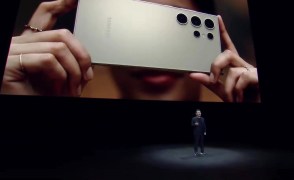
The Galaxy S25 Ultra boasts several upgrades compared to its predecessor, including the Qualcomm Snapdragon 8 Elite chipset, a revised camera system, a new feature called “Now Brief,” and enhanced AI capabilities. The new lineup also includes the standard Galaxy S25 and the Galaxy S25 Plus.
An update to resolve the camera issue for the Galaxy S25 Ultra is anticipated to be released by Samsung shortly.
Building on the success of its Firefly Image model, Adobe has unveiled a beta version of its new Firefly Video model, along with two subscription options that provide access to its video and audio generation capabilities. The recently announced Generate Video aims to “equip creative professionals with tools to create video clips from text prompts or images, manipulate camera angles for capturing shots, produce high-quality images from 3D sketches, craft atmospheric components, and develop customized motion design elements.”
The initial output quality of the model will be 1080p, with plans to introduce a 4K version for higher-end production work in the future. Similar to its image generator, Firefly Video is trained exclusively on Adobe’s own stock, licensed, and public domain content, ensuring that its outputs can be utilized in commercial projects without the risk of copyright issues. Additionally, unlike some of its competitors, the model has a very low likelihood of generating any unlawful or offensive content.
Firefly Video will be available through Adobe Premiere Pro (as the Generative Extend tool) and a new web application at Firefly.Adobe.com. Users will have the ability to produce video clips using both written prompts and reference images, as well as to add ambient effects and personalized motion design elements. The model also allows users to lock the first and last frames of a clip, which helps maintain visual consistency, color integrity, and character details throughout the video.
A new Scene to Image functionality will enable creators to “seamlessly produce production-ready assets” using a 3D sketching tool that transforms concept art into high-resolution images and structural references that can be utilized in generated video clips. Furthermore, Firefly Video has the capacity to generate audio that can translate spoken dialogue into any of 20 different languages.
To support Firefly Video, Adobe is rolling out two subscription plans that give users comprehensive access to the new model. The $10 per month Firefly Standard plan offers 2,000 video/audio credits each month, allowing for up to 20 five-second video generations at 1080p. The $30 per month Firefly Pro plan provides 7,000 video/audio credits, enough for up to 70 five-second clips at the same resolution. Additionally, Adobe has indicated that it is developing a “Firefly Premium” plan tailored for professionals seeking to produce high quantities of video and audio; details on pricing and availability have not yet been released.
Adobe initially previewed the Firefly Video model in April of last year, offering a glimpse of its features by September. It enters a competitive market featuring both paid and free models, including offerings from Kling AI, Meta’s Movie Gen, and OpenAI’s Sora.
This article is part of our coverage on Samsung Galaxy Unpacked 2025.
Updated just now
Samsung has made strides in recent years to adopt a more consumer-friendly stance on device repairs, though achieving that goal hasn’t been without its challenges. The Galaxy S25 Ultra is notable for being labeled the “most repairable Galaxy phone in years” by iFixit. Here’s what makes it stand out.
The Galaxy S25 Ultra incorporates four small tabs that secure the battery, allowing for effortless removal by simply pulling them. This straightforward approach contrasts with the iPhone’s more complex electrochemical battery release, although there’s still a considerable way to go before Galaxy phones can achieve optimal repairability.
According to iFixit, this development may stem from the recent Right to Repair legislation in Europe rather than a genuine aim to enhance consumer accessibility. They also highlight that every point of entry into the phone—which includes the front or back panel—requires additional adhesive during repairs, which could complicate matters.
Another benefit of the Galaxy S25 Ultra for users is its modular camera design, which simplifies the process of opening the camera housing and replacing internal components. This enables users to opt for third-party replacement parts if they prefer.
In terms of scorable metrics, iFixit assigned the S25 Ultra a provisional rating of 5 out of 10 for repairability. While this marks an improvement over prior models, it’s still trailing behind the iPhone 16 Pro Max, which received a 7/10, and significantly lower than the impressive 9/10 awarded to the HMD Skyline. Samsung has made advancements, yet there remains ample opportunity for enhancement in future iterations, particularly by eliminating the reliance on adhesive for the display and back panels.