الوسم: Technology

  • Robot Vacuum Now Includes Cordless Vacuum For Better Cleaning

    Robot Vacuum Now Includes Cordless Vacuum For Better Cleaning

    The K10+ Pro and a cordless vacuum
    SwitchBot

    Last August, SwitchBot introduced the K10+ Pro robot vacuum, a compact device that delivers impressive performance at an affordable price. Its small size allows it to navigate areas that larger models often overlook, making it an attractive option for those on a budget. Now, the company has unveiled the K10+ Pro Combo — a versatile package that includes the robot vacuum, a cordless vacuum, and an auto-emptying base station.

    While robot vacuums have become a popular feature in many smart homes, they are not a complete substitute for traditional vacuum cleaners. For instance, they typically struggle with stairs and intricate spaces that require manual cleaning, such as around valuable home decor or in cluttered areas. This is where the SwitchBot K10+ Pro Combo excels; you can use the cordless vacuum for those tricky spots while the K10+ Pro takes care of the rest of your space.

    The robot vacuum included in this bundle is similar to the one released last year, offering 2,500Pa of suction power. Its compact design makes it highly maneuverable, allowing it to weave around obstacles with ease. The true addition to this combo is the cordless vacuum, which boasts 20,000Pa of suction and a five-stage filtration system, making it perfect for manual cleaning tasks.

    The K10+ Pro Combo with all vacuums in the dock.
    SwitchBot

    One of the standout features of the docking station is its ability to automatically empty the dust containers of both the robot and cordless vacuums, keeping your hands tidy after each cleaning session. Additionally, the dock has a compact design, taking up about the same space as a standard sheet of paper, making it ideal for small apartments or homes, especially compared to some of the bulkier robot vacuums available.

    According to SwitchBot, the dock can hold debris for up to 70 days, which will likely vary based on the size of your living space and the frequency of use. Other key features include Matter compatibility, voice command functionality, and a mobile app for further customization.

    The SwitchBot K10+ Pro Combo is currently available for $800, with a $200 discount for early buyers. Alternatively, you can find the standalone K10+ Pro robot vacuum priced at $600. It’s also worth considering the Ecovacs Deebot T30S Combo and Ecovacs Deebot X2 Combo, which offer similar capabilities with stronger suction power.

  • Is Your Apple Watch 10 Quieter Than Before You’re Not Alone

    Is Your Apple Watch 10 Quieter Than Before You’re Not Alone

    Users are reporting issues with the Apple Watch Series 10’s speaker functionality. If you browse through the Apple Support Community or the Apple Watch subreddit, you’ll find multiple threads from users, some dating back four months, expressing concerns that the speaker volume is too low. Those affected are having trouble hearing phone calls and music after extended use of the device.

    Apple has not released an official statement about this speaker issue, and it’s uncertain how widespread the problem is. Numerous posts on various forums indicate that this isn’t an isolated incident. Many consumers who purchased a new Apple Watch 10 have reported experiencing the same muffled, static sound just a week after acquiring the watch.

    Some users speculated that using the Water Lock feature might help clear any moisture that could be affecting sound quality, while others pointed to hand lotions and cosmetics that might have accumulated on the device due to colder weather. Nevertheless, despite these efforts to clean the speaker, users have not experienced any noticeable improvement.

    A person wearing the aluminum Apple Watch Series 10.
    Andy Boxall / Digital Trends

    This isn’t the first time Apple has faced a widespread bug with one of its devices. Typically, the company initiates a service program to address the issue, but this is contingent upon whether the problem is hardware-related. If it turns out to be a software glitch, Apple might be able to resolve it through a watchOS update. Given the nature of the complaints, it appears that the problem may stem from a hardware issue within the smartwatch.

    If you’re encountering similar problems with your device, a potential workaround is to route music and calls through AirPods or any other Bluetooth device instead of relying on the built-in speaker.


  • Beatbot Launches AquaSense 2 Series With SailGP Team

    Beatbot Launches AquaSense 2 Series With SailGP Team

    Beatbot

    Beatbot has officially launched the AquaSense 2 Series robotic pool cleaners, first unveiled at CES 2025. With three different models available starting at $1,499, the most advanced option incorporates AI technology to optimize pool mapping, sensing, and cleaning—ensuring your pool remains in pristine condition. In addition to this launch, Beatbot has formed a new alliance with the U.S. SailGP Team.

    SailGP is a prestigious global sailing league that competes in some of the most renowned locations around the globe. According to Beatbot, this partnership unites two teams that are committed to innovation and exceptional performance.

    “At Beatbot, we are dedicated to achieving the best by consistently pushing the limits of innovation and efficiency,” stated York Guo, CMO of Beatbot. “Our collaboration with the U.S. SailGP Team captures our relentless quest for excellence and our commitment to raising the bar while considering our environmental influence. The AquaSense 2 Series exemplifies our dedication to providing cutting-edge technology that enhances both functionality and user satisfaction.”


    Please enable Javascript to view this content

    Kyle Whittingham, Vice President of Marketing and Content at U.S. SailGP, echoed this sentiment.

    “We are truly excited about this partnership because of how closely Beatbot aligns with our values—our dedication to excellence, our continuous aim for improvement, and our shared commitment to sustainability. Beatbot is at the forefront of developing products that resonate with our philosophy of breaking boundaries and creating extraordinary experiences for both users and fans.”

    The Beatbot AquaSense 2 Ultra positioned beside a pool.
    Beatbot

    While it remains uncertain if any exclusive products or designs will emerge from this collaboration, the partnership itself is an exciting development. Currently, the AquaSense 2 Series lineup is available for exploration. Each model is designed to cater to a wide array of above-ground and in-ground pools, covering up to 300 square meters, and feature a multitude of sensors to accurately track and clean all areas of your pool.

    The AquaSense 2 Ultra stands out as the most captivating option at $3,450, offering substantial capabilities for your investment. Its standout feature, HybridSense AI Pool Mapping, utilizes 27 sensors to enhance the cleaning of the pool’s surface, waterline, floor, and walls. It also performs clarification tasks and includes two side brushes to increase its cleaning efficiency as it navigates your pool.

    For more information and to take advantage of a 30% discount during the early bird special, check out the Beatbot website.


  • Google Assistant Car Mics May Soon Be Discontinued

    Google Assistant Car Mics May Soon Be Discontinued

    If you use Google Assistant with devices like the JBL Link Drive or the Anker Roav Bolt, you might want to pay attention: a recent code discovery in the Google app’s beta version suggests that the microphones could soon be disabled. The team at 9to5Google unearthed these code snippets during an APK teardown, hinting at the future of Google Assistant for automotive use.

    A specific string labeled “assistant_car_accessory_deprecation” states: “By the way, Google Assistant on your car accessory will be discontinued in coming weeks. To keep using Assistant, invoke queries either on your Mobile or via Android Auto.” These particular accessories were launched in 2019 to allow drivers of older vehicles to access Google Assistant, meaning even the earliest users have utilized them for just about six years.

    This development isn’t shocking given Google’s track record of discontinuing services, but there’s another factor at play. Android Auto has gained popularity over recent years and has emerged as a competitor to Apple CarPlay. Additionally, Google Assistant is poised for a significant shift, as many of its current capabilities will be integrated into the upcoming Gemini platform.

    A render of Android Auto running in a car.
    Google / Google

    It’s important to note that APK teardowns do not definitively predict the future; they showcase early-stage code, and the final outcome might differ from what’s initially discovered. While it seems highly likely that these devices will soon lose compatibility, Google has not yet specified a timeline for when this will take place. The company has also not updated its support documentation to indicate an end to service for either the Link Drive or the Roav Bolt.

    Nonetheless, Google encourages users to transition to Android Auto. The Assistant Driving Mode remains available, though it has become much simpler than it used to be. For a more comprehensive experience, Android Auto is recommended as the best alternative.

    In response to this situation, some users have proposed that these devices be configured to activate Gemini instead of the standard Assistant; however, uncertainty remains about the future of these accessories.

  • Musk-Backed Group Offers $97 Billion Unsolicited Bid For OpenAI

    Musk-Backed Group Offers $97 Billion Unsolicited Bid For OpenAI

    Sam Altman at The Age of AI Panel in Berlin.
    Technische Universität Berlin

    In an ongoing feud between two tech titans, the Wall Street Journal reported on Monday that a group led by xAI CEO Elon Musk has made an unsolicited bid of $97.4 billion for a controlling stake in OpenAI, a direct competitor. This offer arrives just months after Musk initiated legal action against OpenAI over its shift to a for-profit model.

    Musk expressed his intentions through his lawyer, Marc Toberoff, stating, “It’s time for OpenAI to return to its roots as an open-source, safety-focused entity that benefits society. We will ensure that happens.”

    The Wall Street Journal indicates that this proposal is supported by xAI, which may lead to a merger with OpenAI if the deal is finalized. Although the board of OpenAI has not reached a decision on the offer, Sam Altman, CEO of OpenAI, has publicly dismissed Musk’s advances, humorously suggesting the purchase of Twitter (now officially known as X “The Everything App”) for the same amount instead.

    No thank you, but we will buy Twitter for $9.74 billion if you want.

    — Sam Altman (@sama) February 10, 2025

    The rivalry between Musk and Altman spans several years. The duo co-founded OpenAI in 2015, but Musk resigned from the board in 2018 after his demands for substantial control and leadership were rejected. He later founded xAI in 2023, known for the Grok chatbot, and has consistently targeted both OpenAI and Altman since then.

    In March 2023, several months before launching xAI, Musk co-signed an open letter urging AI labs to pause the development of systems more powerful than GPT-4 for six months. Notably, xAI was publicly launched almost exactly six months later.

    Later that year, after Altman’s brief removal from OpenAI’s leadership, Musk shared an anonymous letter accusing Altman of unethical practices, with sources traced back to an unverified online message board.

    In 2024, Musk initiated multiple lawsuits against OpenAI. In March, he targeted Altman and the company’s President, Greg Brockman, claiming they violated the founding principles in their pursuit of profit, but he withdrew the lawsuit just before a ruling was to be made. He reinstated the lawsuit in August, alleging that OpenAI’s shift from a nonprofit to a multibillion-dollar for-profit entity was a betrayal of its original mission.

    The lawsuit expanded in November to include Microsoft as a defendant, with Musk naming Shivon Zilis, the mother of three of his children, as a co-plaintiff. OpenAI responded with a statement revealing Musk’s initial support for the for-profit transition, backing it up with email documentation. The court has yet to make a ruling, and with the ongoing hostilities between Musk and Altman extending over six years, it seems unlikely that this latest development will be their final confrontation.

  • Apple’s AR Smart Glasses Might Still Be Under Development

    Apple’s AR Smart Glasses Might Still Be Under Development

    It appears that Apple’s ambitions to develop augmented reality (AR) glasses remain alive, although it may be a while before these products make their debut. According to recent reports from Bloomberg, Apple has paused its AR glasses initiative, reminiscent of its previously stifled car project.

    However, the publication indicates that Apple hasn’t completely abandoned the idea. Mark Gurman stated in his latest installment of the PowerOn newsletter that Apple’s ultimate vision for standalone AR glasses remains unchanged. The company intends to continue developing the essential technologies, such as screens and chipsets, that would support the viability of such a device.

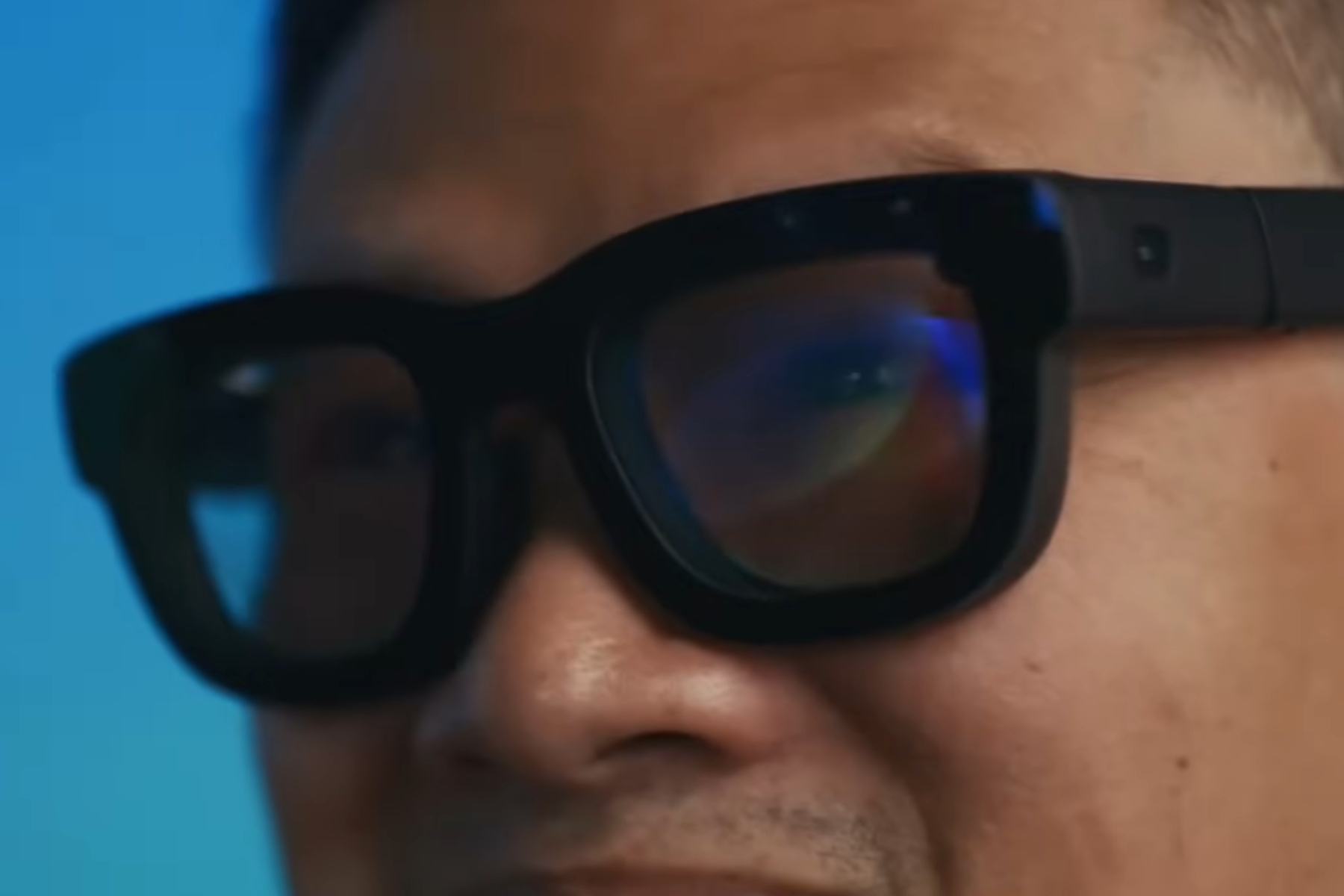
    Closeup view of Meta Orion smart glasses.
    A person wearing the Meta Orion AR smart glasses. Meta

    The news of Apple potentially shelving its smart glasses project seemed unexpected, especially as the demand for this technology is beginning to grow. The smart glasses sector is buzzing with activity, proving to be more dynamic than traditional devices like smartphones and laptops at their core.

    Companies like RayNeo, Xreal, and TCL are developing glasses with integrated display units that provide new opportunities for immersive computing and content consumption. Meanwhile, Razer and Amazon have introduced Bluetooth-connected glasses that do not feature a display. Instead, they allow users to manage calls and listen to music through their phones.

    The Even G1 smart glasses have optional clip-on gradient shades.
    The Even G1 smart glasses have optional clip-on gradient shades. Photo by Tracey Truly / Digital Trends

    Even more innovative concepts are emerging from smaller companies. For instance, the Halliday Glasses depart from traditional display technologies, incorporating an “invisible” optical module. Additionally, the Even Realities G1 glasses merge optical and display lenses seamlessly, offering a remarkably minimalist approach to information display.

    The industry giants are also making strides. Meta recently unveiled its Orion smart glasses, featuring holographic technology that layers both 2D and 3D content over users’ real-world environments. Google’s wearable ambitions have also been evident through glimpses shared over the past couple of years.

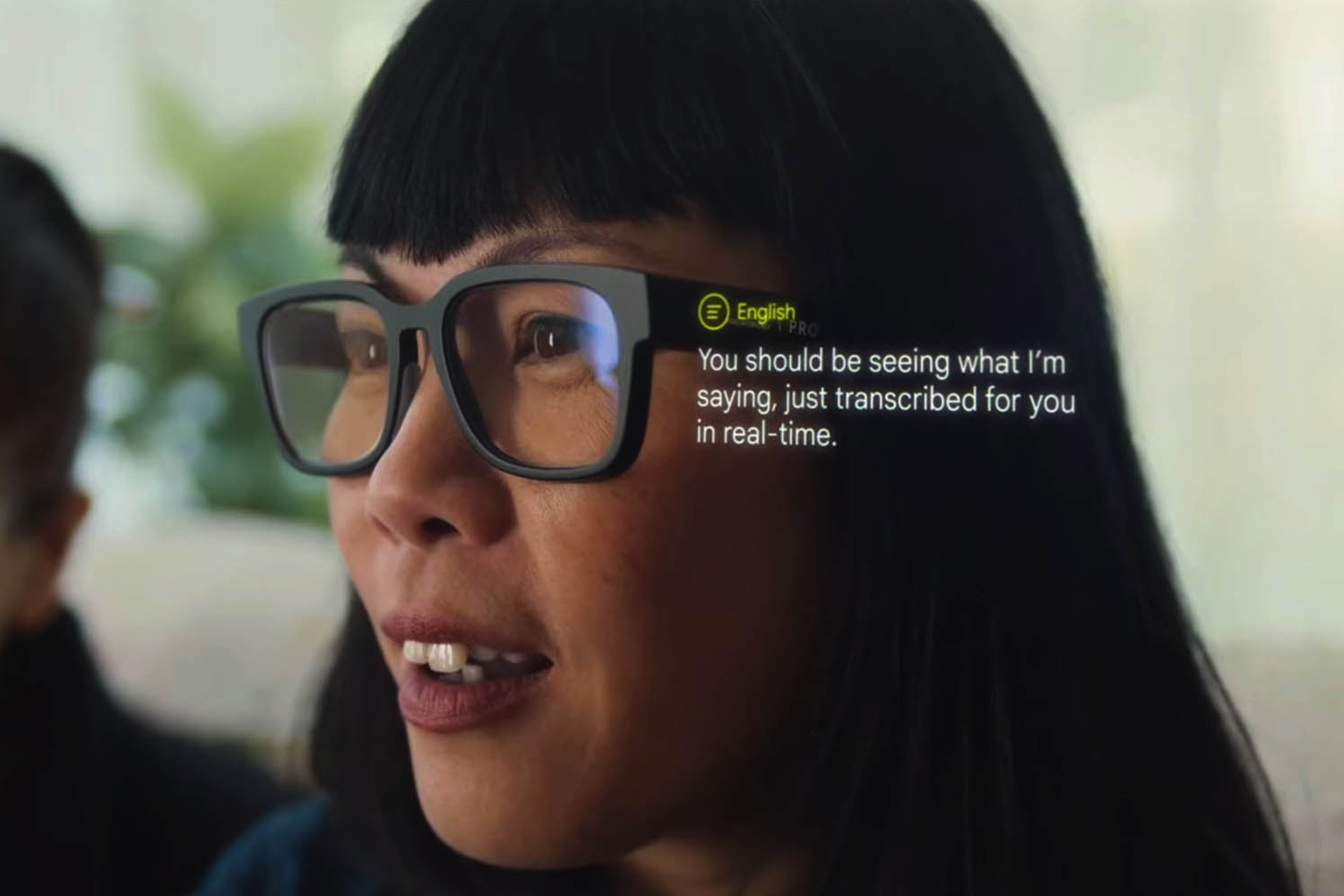
    Google's AR smartglasses translation feature demonstrated.
    Google’s AR smart glasses teaser from the Google I/O 2022 event. Google

    Apple’s own foray into smart glasses, which was under the internal codename N107, was reportedly promising. The N107 prototypes were said to contain sophisticated projectors designed to relay information, images, and videos within the wearer’s field of vision, akin to the AR glasses being explored by Meta and others. Additionally, these internal units featured lenses capable of automatically adjusting their tint, enhancing usability.

    Despite the reported pause, Apple plans to persist in refining the core technology necessary for developing its envisioned smart glasses, striving to achieve an appealing blend of comfort, performance, and immersive experience.

  • OnePlus Timeline Leak Hints At Four New Devices This Year

    OnePlus Timeline Leak Hints At Four New Devices This Year

    OnePlus appears to have many exciting projects underway, with a recently leaked roadmap hinting at the potential unveiling of new devices in April, May, October, and November. This information was shared by Oneline Technology on Weibo and aligns with several anticipated launches, prominently featuring the OnePlus 13 Mini, which may be rebranded as the OnePlus 13T.

    The leak identifies four upcoming devices: the OnePlus 13T, Ace 5S, OnePlus 14, and both the OnePlus Ace 6 and Ace 6 Pro. The source notes that these names are “temporary” and might change before the official announcement, leaving room for speculation regarding their final titles. If OnePlus opts for the 13T designation, it would mark the first time the company has utilized this naming convention since the OnePlus 10T debuted in 2022.

    Interestingly, the OnePlus Open 2 is not mentioned in the forthcoming releases, although many predict that it will launch around May.

    OnePlus Open camera module.
    Christine Romero-Chan / Digital Trends

    However, the absence of the OnePlus Open 2 in this list doesn’t suggest it won’t be launched. This list primarily covers phones anticipated to release in China, with the OnePlus Open 2 expected to serve as the global variant of the Oppo Find N5. Therefore, it makes sense that OnePlus would not include it in this lineup; the OnePlus Open 2 would be the name used for the international version, distinguishing it from the Chinese market.

    The leak also hints at some design changes within the devices, notably suggesting an alteration to the traditional three-stage alert slider. It implies a possible transformation into an Action Button similar to those found on newer iPhones.

    As usual, it’s wise to approach this information cautiously. Oneline Technology has established a credible reputation for insider insights, but until official confirmation is provided by OnePlus, the details—name and specifications—could potentially alter.

  • Google Claims Quantum Computing Applications Are Five Years Off

    Google Claims Quantum Computing Applications Are Five Years Off

    A few weeks ago at CES 2025, Jensen Huang, the CEO of Nvidia, suggested that practical applications of quantum computing might still be around 20 years away. In contrast, Google’s quantum lead, Hartmut Neven, recently told Reuters that we could see tangible uses for quantum computing much sooner—potentially within five years. So, who’s got it right?

    Huang argues that the existing quantum systems are lacking in “qubits,” estimating a shortage of about five or six orders of magnitude. But why is there such a high demand for qubits? Research indicates that a higher number of qubits leads to fewer errors, resulting in more precise quantum computers. Let’s delve into this issue.

    A qubit, or quantum bit, is fundamentally different from the standard binary bits found in traditional computers because it can represent multiple data values simultaneously. However, qubits are based on quantum particles, which often behave unpredictably. When quantum computations are performed, about one in every thousand qubits tends to “fail”—essentially deviating from their intended function—thereby disrupting the calculations.

    Historically, traditional computers faced a similar challenge. Take the ENIAC computer, for instance; it relied on over 17,000 vacuum tubes to convey bits. These tubes frequently malfunctioned, which resulted in errors. The solution back then was relatively simple: we phased out vacuum tubes in favor of silicon transistors, achieving a remarkably low failure rate of one in a billion.

    Unfortunately, that kind of straightforward solution isn’t applicable to quantum computing. Because qubits are quantum particles, their characteristics can’t be altered or controlled in a conventional sense; we have to work with their inherent properties.

    This brings us back to the issue of inadequate qubit numbers. Just last year, Google’s Willow quantum chip demonstrated that adding more qubits reduces errors. Essentially, Google created a system of mega qubits from several physical qubits that share the same information. This setup acts as a safeguard—if one physical qubit fails, there are others that can maintain the calculation. The greater the number of physical qubits present, the more failures can be absorbed, resulting in improved accuracy.

    However, since qubits are prone to failure and high accuracy is crucial for real-world applications, we’ll need a substantial quantity of qubits to make quantum computing viable. Huang believes it could take as long as 20 years to reach the required number, while Neven is optimistic, claiming it could happen in five.

    So, does Google have insights that Nvidia lacks, or is this a friendly rivalry stirring the pot? At this point, the answer remains elusive. Perhaps Neven’s comments were motivated by a desire to buoy quantum computing stocks after Huang’s earlier remarks led to about an $8 billion loss in that sector.

    Whenever the breakthrough occurs, Google envisions leveraging quantum computing to devise enhanced batteries for electric vehicles, develop new medications, and potentially discover alternative energy sources. While the idea of these projects materializing within a five-year time frame seems ambitious, it won’t be long before we find out just how right or wrong Neven’s predictions are.

  • Galaxy S25 Breaks Records Before Its Official Release

    Galaxy S25 Breaks Records Before Its Official Release

    galaxy unpacked 2025
    Samsung Galaxy Unpacked 2025
    This article is part of our Samsung Galaxy Unpacked 2025 coverage
    Updated just moments ago

    The Samsung Galaxy S25 has gained remarkable popularity, with pre-orders in South Korea exceeding those of the Galaxy S23 series. Samsung reports that from January 24 to February 3, a total of 1.31 million Galaxy S25 units have been pre-ordered, compared to 1.21 million pre-orders for the previous model in the same timeframe.

    When breaking down the pre-orders by model, the Galaxy S25 Ultra stands out as the top choice, attracting 52% of buyers. The standard Galaxy S25 follows with 26%, while the Galaxy S25 Plus is the least favored, accounting for 22% of the pre-orders.

    While these statistics are limited to the South Korean market, they likely reflect similar trends globally. The Galaxy S25 Ultra boasts enhanced features, including a more advanced camera system, the S Pen stylus, a larger display, and various other advantages. All three models are equipped with Samsung’s latest AI functionalities, which the company is promoting heavily as a major selling point.

    Although the Galaxy S25 Ultra offers top-tier specifications, it’s not necessarily the immediate choice for all consumers. Many experts advocate for the Galaxy S25 Plus as a more balanced option that is $300 less expensive. Given that some South Korean customers appear to be hesitant about pre-ordering, it’s worth considering the Plus version before making a final decision.

    The Galaxy S25 series remains available for pre-order, with an official launch date of February 7. If you’re in the market for a new smartphone and want to weigh your options, check out our list of the top smartphones. Don’t overlook competitors like the OnePlus 13 and Google Pixel 9 Pro, which are poised to give Samsung a run for its money this year.


  • EU Gives Guidance on Avoiding AI Act ‘Prohibited Use’ Rules

    EU Gives Guidance on Avoiding AI Act ‘Prohibited Use’ Rules

    European Union AI Act Compliance Guidelines for Companies

    Businesses around the globe are now officially mandated to adhere to the European Union’s comprehensive AI Act, which aims to address potential risks associated with emerging technologies. Recently, the EU Commission released updated guidance detailing how companies can align their generative models with the Act’s stipulations and avoid falling into its "unacceptable risk" category, which includes practices that are now prohibited within EU borders.

    This AI Act, which was enacted in March 2024, has seen its first compliance deadline pass as of February 2, 2025. Notably, the EU prohibits eight specific applications of AI, including:

    1. Harmful manipulation and deception using AI.
    2. Exploiting vulnerabilities through AI-related means.
    3. Social scoring systems.
    4. Assessing or predicting risks of individual criminal offenses.
    5. Untargeted data scraping of internet and CCTV sources to enhance facial recognition databases.
    6. Emotion recognition technologies in workplaces and educational settings.
    7. Biometric categorization aimed at inferring protected characteristics.
    8. Real-time biometric identification for police use in publicly accessible areas.

    Organizations that fail to comply with these prohibited practices may incur fines amounting to 7% of their global revenue or €35 million, whichever is higher. This marks the beginning of a series of compliance deadlines that will continue to unfold as AI technology develops further.

    While the Commission acknowledges that these guidelines are not legally obligatory, they emphasize that their purpose is to promote a consistent, effective, and uniform application of the AI Act throughout the EU. The guidance offers legal interpretations and practical examples intended to clarify compliance for stakeholders. However, companies should not anticipate immediate legal repercussions, as the implementation of the AI Act will take place incrementally over the next two years, with the final phase scheduled for completion by August 2, 2026.

  • Great News About AMD’s RX 9070 XT

    Great News About AMD’s RX 9070 XT

    Last month, AMD unveiled its upcoming graphics card, the RX 9070 XT, but information has been limited. Fortunately, there seems to be a positive development on the horizon. According to VideoCardz, AMD is expected to host a press conference later this month that will provide insights into the new RDNA 4 architecture and the performance capabilities of the forthcoming GPU.

    While it’s well-known that AMD would step back in the competition with Nvidia’s RTX 5090, there was a noticeable absence of specifics during the RX 9070 XT announcement. The company refrained from disclosing technical specifications, leaving that task to its board partners. Additionally, there are reports suggesting that the launch of the card has been postponed. Initially, AMD indicated a release in just a few weeks, but has since shifted its focus to a March debut.

    As reported by VideoCardz, this information comes from Benchlife, a Chinese source, though locating the original report has proven challenging. The mention of an architecture event for RDNA 4 in late February aligns with AMD’s indications of a possible March launch.

    Even though AMD has not made any official announcements, it appears logical for the company to time an event for this period. Nvidia is gearing up to roll out its RTX 5070 Ti and RTX 5070 graphics cards soon, and AMD may wish to leverage this moment to draw attention away from its competitor. This would be an ideal time for AMD to elaborate on the RDNA 4 architecture. Although specifications have been partially disclosed by board partners, AMD has yet to provide details regarding the architecture itself.

    Irrespective of whether AMD holds an event or not, the coming months are set to become increasingly competitive in the graphics card market. Both AMD and Nvidia are launching new GPUs, and it looks like they will compete closely in terms of performance and price. Let’s hope consumers benefit when these cards are released, avoiding the disappointment experienced with Nvidia’s recent RTX 5080.

    Get your weekly breakdown of the technology behind PC gaming


    Check your inbox!

  • Nvidia Upgrades Its GPUs Significantly But No One Noticed

    Nvidia Upgrades Its GPUs Significantly But No One Noticed

    The latest 1.2.8 update for Alan Wake 2 has arrived, marking it as one of the initial titles to incorporate Nvidia’s innovative RTX Mega Geometry technology. According to a comparative analysis shared by Compusemble and reported by Wccftech, players can expect an average 13% decrease in VRAM consumption alongside an increase in frames per second, all while utilizing an RTX 4090 graphics card.

    The comparison featured gameplay from both version 1.2.7 and the new 1.2.8 side by side, employing DLAA for one instance and DLSS for the other. The tests were conducted at 4K resolution with maximum settings on an RTX 4090. Observers can easily notice the drop in CPU usage percentages and the uplift in frame rates by examining the data closely.

    While RTX Mega Geometry was launched alongside the new RTX 50-series GPUs, it is compatible with all RTX graphics cards. This indicates significant enhancements even for older models. The new RTX 5090 and 5080 GPUs, which feature fourth-generation ray tracing cores specifically designed to work with Mega Geometry, are anticipated to deliver even more impressive results.

    You might not be familiar with RTX Mega Geometry, but this technology significantly boosts both performance and visual fidelity in ray-traced games. It achieves this by increasing the number of triangles that developers can ray-trace while reducing the CPU overhead involved. This efficiency is largely due to the application of artificial intelligence.

    One of the major costs associated with ray tracing relates to the various levels of detail (LOD) each in-game object possesses. Objects that are closer to the camera display high-detail meshes with a greater number of small triangles, which are referred to as LOD 0. As objects recede into the distance, the LOD level rises, resulting in less detail and fewer triangles, which is more suitable for distant items.

    As players navigate through the environment, the LODs of various objects continually adjust based on their distance from the camera. The overall performance improves as the number of triangles increases, allowing for more LODs to switch between seamlessly.

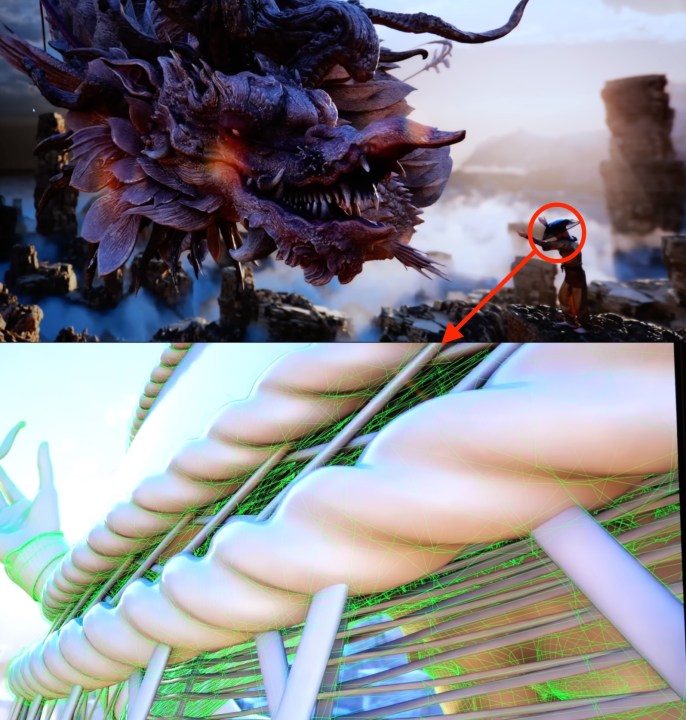
    RTX Mega Geometry demo from CES 2025.
    Images from an Nvidia demonstration at CES 2025, illustrating the vast number of triangles utilized in a fully ray-traced scene using RTX Mega Geometry. Digital Foundry

    The traditional method of handling LODs has been in place for quite some time. However, as technology like ray tracing and Nanite progress, the complexity has escalated. Unreal Engine 5’s Nanite system enhances geometry detail dramatically, resulting in numerous triangles and levels of detail. In games designed with Nanite, each single frame could potentially involve hundreds or thousands of LOD transitions.

    The challenge arises because, in ray-traced environments, a complete rebuild is necessary each time one LOD replaces another to apply ray tracing to the updated mesh. This process can be extremely resource-intensive; thus, an excessive number of LOD changes might hinder the ability to maintain real-time frame rates.

    RTX Mega Geometry addresses this issue by updating clusters of triangles in batches, intelligently determining which ones to refresh and when to do so for maximum efficiency. The aim is to empower developers utilizing Nanite to apply ray tracing to every triangle in their projects while achieving viable real-time frame rates. The ultimate outcome? Enhanced ray tracing capabilities and improved performance for users! For the time being, this technology is exclusive to Nvidia RTX users, but it is likely to expand throughout the industry in the future.

    With the integration of RTX Mega Geometry in Alan Wake 2, players can experience these enhancements automatically upon updating the game, provided they have an Nvidia RTX graphics card.

  • RTX 5060 Ti Could Hit VRAM Limits Again

    RTX 5060 Ti Could Hit VRAM Limits Again

    Nvidia appears to be adopting a familiar strategy with the impending launch of the RTX 5060 Ti, planning to offer it in two versions: one with 8GB of memory and another with 16GB. This news stems from a recent entry on the Eurasian Economic Commission (EEC) website, identified by @Olrak29_ (X, formerly Twitter). Additionally, it has been confirmed that the standard RTX 5060 will be available only in a single configuration featuring 8GB of VRAM.

    While Nvidia has not officially announced the RTX 5060 and 5060 Ti, the GPUs are anticipated to debut around March. This aligns with a previous report from last month that hinted at similar memory configurations and the use of the PG152 printed circuit board (PCB) with the GB206 GPU die.

    If we recall, both the 16GB and 8GB versions of the RTX 4060 Ti garnered harsh criticism for delivering only minor enhancements compared to the previous generation. The RTX 5060 Ti might face a similar fate, although the transition to GDDR7 memory could result in notable improvements. Both models are expected to provide 448 GB/s of bandwidth, marking a 55% increase over the RTX 4060 Ti, which could equate to significant performance gains.

    A point of concern is Nvidia’s decision to limit the lower segment of its GPU lineup to just 8GB of RAM once again. As highlighted in a review by my colleague Jacob regarding the RTX 4060 Ti, modern gaming experiences are continually pushing boundaries. With only 8GB of VRAM, particularly on a 128-bit memory bus, the performance may fall short in titles such as Indiana Jones and the Great Circle, Resident Evil 4, The Last of Us Part One, and Halo Infinite.

    How much of a performance increase can we expect from the forthcoming RTX 5060 and 5060 Ti compared to their predecessors? It remains to be seen. However, by examining the performance enhancements observed in the RTX 5090 over the 4090, it’s reasonable to anticipate that the RTX 5060 and 5060 Ti will offer a similar uplift in performance.

  • Microsoft Confirms Audio Issue Affects Various Windows Versions

    Microsoft Confirms Audio Issue Affects Various Windows Versions

    The Surface Pro 11 sitting on a white table in front of a window.
    Luke Larsen / Digital Trends

    Microsoft has acknowledged a recent issue affecting multiple versions of its Windows operating system and has stated that a resolution will be forthcoming. In the meantime, users can implement a manual workaround.

    This glitch impacts the audio systems of both Windows 11 and Windows 10, particularly for users who have installed the January 2025 security update. The problem causes audio output to fail, especially if a USB-connected digital-to-analog converter (DAC) is in use.

    According to Windows Latest, the bug was first reported earlier this month, affecting versions 24H2, 23H2, and 22H2 of Windows 11, as well as Windows 10 after the latest January update.

    After reaching out for clarification, Microsoft confirmed, “Following the installation of this security update, users may face complications with USB audio devices, particularly if they are using a USB 1.0 driver-based DAC.”

    While a permanent solution is currently being developed, Microsoft has not yet released any fixes. For those seeking a prompt remedy, it is advisable to connect audio devices directly to the computer instead of through a DAC, if possible.

    As noted by TechRadar, it is surprising that a routine security update, which doesn’t introduce significant new features, has led to such a bizarre issue affecting Windows software. Although it is expected that a fix will be implemented soon, the widespread nature of these bugs is concerning, especially considering that Windows 10 will soon lose its support for security updates.

  • Pebble, The Original Smartwatch, Is Making A Comeback

    Pebble, The Original Smartwatch, Is Making A Comeback

    The visionary behind the Pebble smartwatch—widely considered the pioneer of the smartwatch revolution upon its release in 2012—is making a comeback to create a true successor. In a recent blog update posted on his personal website, Eric Migicovsky declared, “A small team and I are diving back into the world of hardware to bring Pebble back!”

    This announcement coincides with Google’s recent move to open-source the original Pebble smartwatch software, known as PebbleOS. This development enables passionate Pebble users to adapt the software for compatibility with today’s smartphones and systems more easily. A dedicated community already exists to support the ongoing functionality of Pebble smartwatches, and the introduction of an open-source library is expected to enhance the usability of older devices.

    Migicovsky elaborated on his vision for the forthcoming smartwatch, stating, “The new device we are developing will essentially retain the same specifications and features as the original Pebble, but with some exciting new elements. It operates on open-source PebbleOS and will be compatible with all existing Pebble apps and watchfaces. If you were a fan of Pebble, this upcoming smartwatch will be perfect for you.”

    He further outlined the “core set of features” he envisions for this smartwatch, emphasizing the importance of an always-on, e-paper display that remains visible in sunlight while being less power-hungry than traditional OLED or LCD screens. He also mentioned the inclusion of physical buttons on the device and a straightforward user interface built on “hackable” software. Among his aspirations is the ability for developers to create custom watch faces for users. While these features are part of his wishlist, it is highly likely they will be incorporated into the final product.

    Migicovsky refers to the initiative as a “Pebble replacement”—although it remains uncertain whether the original name will be retained. Pebble was sold to Fitbit, which was subsequently acquired by Google. While the software has become open-source, obtaining the rights to the Pebble name might prove to be a challenge. In addition to Google’s interest, another smartwatch company is also branding its watches under the Pebble name.

    At this stage, Migicovsky is focusing on finalizing the product specifications and roadmap before revealing purchasing details. He concluded with the assertion that the new smartwatch will closely resemble the original Pebble “in almost every way,” a sentiment likely to resonate with longtime enthusiasts. However, with the smartwatch market evolving since Pebble’s heyday from 2012 to 2016, the landscape now includes a broader array of options, ranging from Casio’s G-Shock DW-H5600 to the Apple Watch Series 10.

    In the time since Pebble’s decline, Migicovsky has launched Beeper, a universal messaging app that enables iMessage functionality on Android while mitigating the associated blue bubble/green bubble conflict, all while preserving user privacy. In 2024, Beeper was acquired by Automattic, the parent company of WordPress.

  • AI Battles Cyber Threats With Its Own Advanced Tools

    AI Battles Cyber Threats With Its Own Advanced Tools

    Hands on a laptop.
    EThamPhoto / Getty Images

    The rapid growth of the generative AI (GenAI) sector has given cybercriminals an advantage in exploiting vulnerable targets. Organizations have become more susceptible to breaches due to this swiftly evolving technology, yet many businesses are increasingly incorporating GenAI into their cybersecurity frameworks.

    A recent Splunk CISO 2024 report sheds light on the current landscape of cybersecurity, highlighting differing perspectives among board members and security professionals on addressing emerging threats. Cybercriminals now have more tools at their disposal, utilizing GenAI in sophisticated ways, such as employing AI chatbots to create malware or crack passwords.

    According to recent findings, GenAI has enhanced existing attacks by 32%, led to a 28% rise in overall attack frequency, and introduced 23% new forms of cyber threats into the ecosystem.

    Moreover, 52% of Chief Information Security Officers (CISOs) expressed an interest in using comparable GenAI technologies to tackle cybersecurity challenges, while only 33% of board members shared this sentiment. Although security professionals seek innovation, many find the pace of evolving requirements challenging, with 41% indicating that demands are increasingly difficult to manage amidst the rising frequency and complexity of cyberattacks.

    In terms of practical applications, 39% of CISOs reported using GenAI tools for risk identification, another 39% for threat intelligence analysis, and 35% for threat detection and prioritization.

    The dual-use nature of GenAI presents a significant challenge, as the perspectives of CISOs and board members often diverge on critical issues that could jeopardize enterprise security. The report found that only 29% of CISOs believed they had sufficient budget support for effective cybersecurity measures, in contrast to 41% of board members who felt their funding was adequate. Overall, 64% of CISOs linked inadequate resources directly to the cyberattacks they’ve had to deal with.

    Currently, AI-driven cyberattacks rank as the top concern for CISOs at 36%, followed by cyber extortion at 24% and data breaches at 23%. As previously noted, hackers swiftly adopted AI tools, such as ChatGPT, to refine their malware creation abilities, drawing attention from governmental agencies like the FBI. Additionally, in the wrong hands, advanced technologies like Generative Adversarial Networks (GANs) can be harnessed to crack passwords with alarming speed.

    Security analysts from TechRadar highlight the importance of maintaining security through robust passwords, multi-factor authentication (MFA), password management solutions, cybersecurity education, and careful assessments of third-party vendor vulnerabilities to safeguard against cyber threats.

  • Galaxy S24 Ultra Aids Coral Reef Conservation Efforts

    Galaxy S24 Ultra Aids Coral Reef Conservation Efforts

    When considering Samsung, many might not immediately think of the company’s initiatives focused on environmental sustainability. However, Samsung has shown a strong dedication to rehabilitating damaged marine ecosystems, and this mission is being advanced through a new project centered on the 2024 Galaxy S24 Ultra.

    Exploring underwater reefs.
    Samsung

    The tech giant has unveiled a new Ocean Mode for the smartphone, aimed at aiding coral reef conservationists and researchers in coastal areas. This feature enhances the mapping process of impacted regions, which is vital for institutions like UC San Diego’s Scripps Institution of Oceanography, as they utilize photogrammetry for data collection to assess coral reef health and growth.

    Capturing underwater images of reefs can present various difficulties. One significant problem is motion blur, which occurs when divers hover above reefs to photograph them. Additionally, the water’s absorption of warmer colors, such as reds and oranges, can cause images to appear darker and more blue than what the human eye perceives. Such obstacles can lead to imprecise data collection.

    Exploring underwater reefs.
    Samsung

    To tackle these challenges, Samsung has integrated advanced technologies into the Ocean Mode. This new feature optimizes the existing Galaxy camera on the Galaxy S24 Ultra, ensuring high-quality underwater photography of coral reefs. It reduces motion blur and fine-tunes white balance settings, enhancing the quality of images taken below the water’s surface. This improvement is crucial for accurately transmitting data to researchers, ultimately facilitating more effective coral restoration strategies.

    Reports from ZDNet Korea reveal that the Ocean Mode automatically captures photos every two seconds. The images this mode generates have reduced blue tones and less motion blur, thanks to advanced processing and adjustments in shutter speed.

    A Growing Partnership

    Photos taken using Ocean Mode on a Galaxy S24 Ultra.
    Sample images captured with Ocean Mode on a Samsung Galaxy S24 Ultra. Samsung

    Since last year, Samsung has been providing smartphones to various organizations for underwater research, eliminating the need for expensive underwater cameras. This initiative is part of Samsung’s “Coral in Focus” program, collaborating with numerous non-profits, including the U.S.-based Seatrees and Scripps Institution. While the Galaxy S24 Ultra is still available for consumers, it has recently been succeeded by the Galaxy S25 Ultra, the company’s latest flagship model. Utilizing the older device for researchers, alongside a crucial new application, maximizes the functionality of the phone.

    Even prior to the introduction of Ocean Mode for the Galaxy S24 Ultra, the “Coral in Focus” initiative had already led to the restoration of over 11,000 coral reefs across 4,500 square miles. This commitment to marine conservation isn’t a new endeavor for Samsung, which began incorporating recycled discarded fishing nets into Galaxy devices starting with the Galaxy S22 series three years ago, addressing ecological damage caused by these nets.

    Coral reefs, known as the “rainforests of the sea,” play a significant role within marine ecosystems. As indicated by the U.S. National Oceanic and Atmospheric Administration (NOAA), these reefs sustain 25% of all marine life despite covering only 1% of the ocean floor. Samsung’s efforts warrant recognition; although it is typical for tech companies to use recycled materials to cut down on raw material usage and aim for net-zero emissions, it is less common for them to repurpose older devices for environmentally sound projects.

    It will be intriguing to observe whether Samsung’s Ocean Mode will be accessible on other devices or if it might eventually be offered as an update for consumer versions.