
Select Language:
When Apple launched the iPhone 17 in September, it marked the beginning of a new chapter in flagship history, aiming to beat a record that has stood for over 15 years. While it will take more than a year to surpass this milestone, current rumors suggest that the iPhone 17 has the potential to be the first to break it.
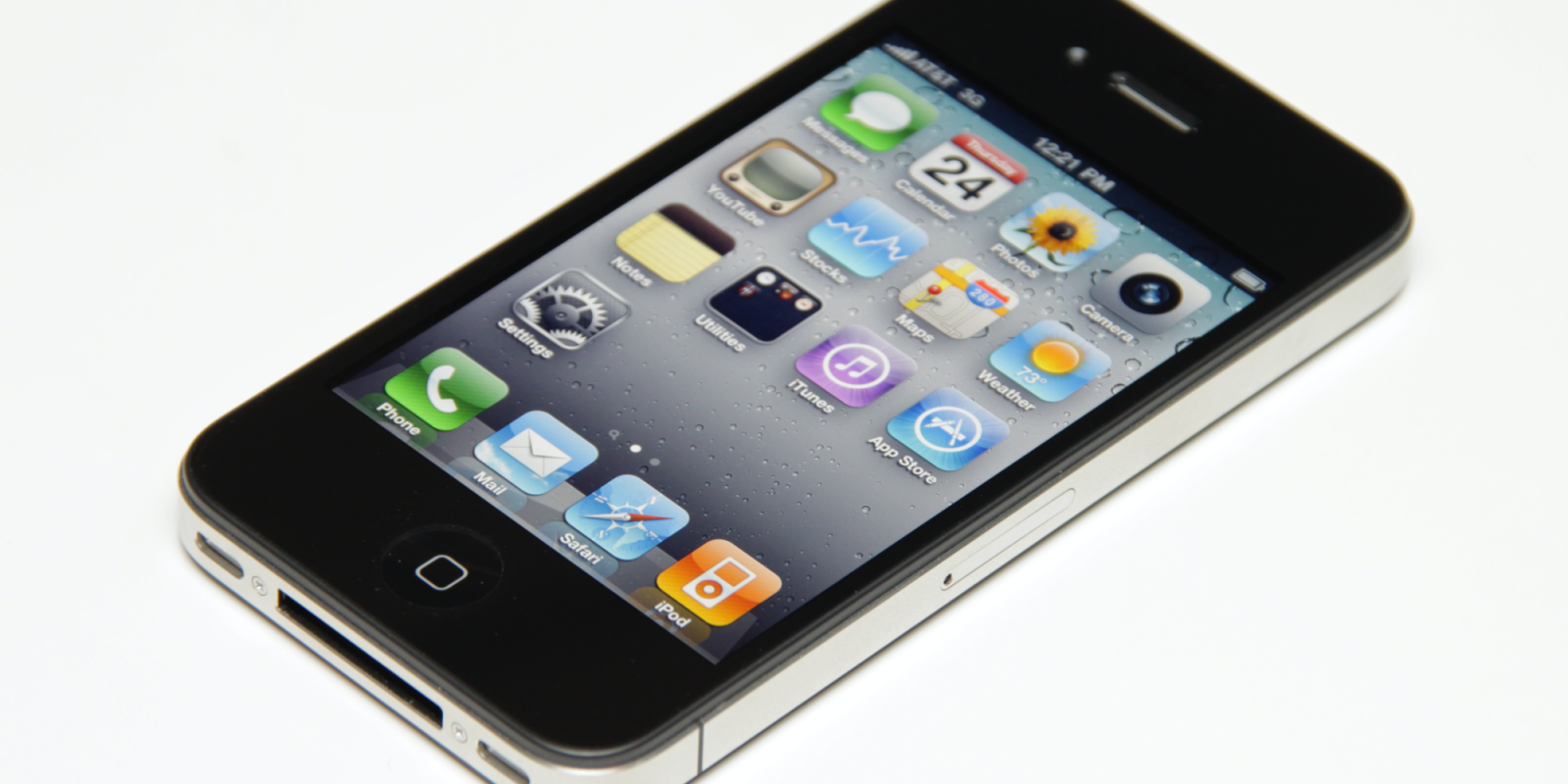
The longest-lasting flagship was the iPhone 4, which debuted in June 2010 and remained Apple’s premier device until October 2011. Due to a shift in Apple’s launch schedule from summer to fall, the iPhone 4 maintained its status for nearly 16 months. This period was particularly frustrating for consumers holding out for the iPhone 5, only to be introduced to the iPhone 4S, which was visually similar but brought internal upgrades like Siri, an improved camera, and better performance.
The iPhone 4 also experienced multiple significant release moments—initially exclusive to AT&T in the U.S., which launched it first. Verizon then became the second U.S. carrier six months later. Additionally, the long-anticipated white model finally arrived after ten months of delays.
Since then, no other iPhone has matched the 15-month record set by the iPhone 4. The closest was the iPhone 11 Pro, which held its top spot for 13 months following the launch of the iPhone 12 during the pandemic’s disruption. Other exceptions, like the gap between the iPhone SE models and the iPhone 16e, exceeding four years, were primarily due to product strategy rather than standard flagship refresh cycles.
Looking ahead, the iPhone 17 is scheduled to be available until spring 2027, suggesting it will be on the market for about 18 months. This extended period could surpass the iPhone 4’s record, establishing a new standard for flagship longevity.
| Model | Launch | Replacement | Duration at top |
|—————-|——————————|——————————|—————————-|
| iPhone 17 | September 2025 | Expected Spring 2027 | Approximately 18 months |
| iPhone 4 | June 24, 2010 | October 14, 2011 | About 15.7 months |
| iPhone 11 Pro | September 20, 2019 | October 23, 2020 | Roughly 13 months |
| iPhone (2007) | June 29, 2007 | July 11, 2008 | Just over a year |
One notable distinction between the era of the iPhone 4 and the current lineup is the introduction of the Pro models. The period between the iPhone 4 and 4S saw a gap where customers eagerly awaited significant updates, which didn’t arrive immediately.
The shortest iPhone upgrade cycle is also interesting; for example, the transition from iPhone 12 to iPhone 13 took just 11 months, as Apple adjusted following pandemic-related delays. Similarly, the iPhone X, announced in September 2017, was replaced by the iPhone XS after only 10 months, due to the release time of the original model in November 2017.
 ChatGPT
 Perplexity
 Gemini AI
 Grok AI