الوسم: Apple

  • آبل تكشف عن آيفون قابل للطي بسعر يتجاوز 3,000 دولار وتزيد أسعار هواتفها

    تغطية شاملة لحدث أبل الخريفي الكبير: الكشف عن الآيفون القابل للطي والأسعار الجديدة

    مقدمة عن الحدث والتقاليد الأبلية
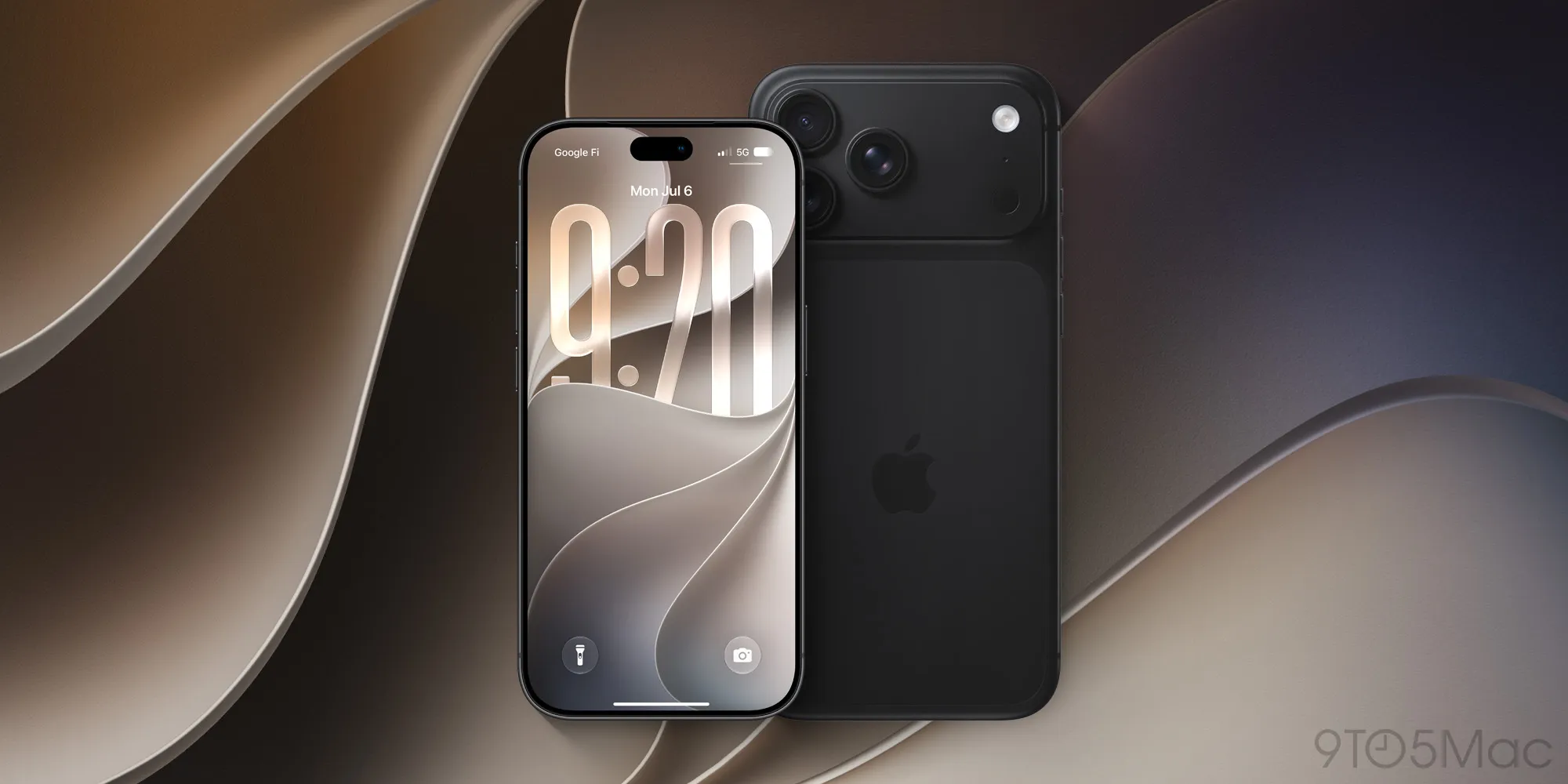
    شهد حدث أبل الكبير الذي أقيم يوم الأربعاء مجموعة من الإعلانات المثيرة والمفاجآت، حيث بدأ العرض بعرض سينمائي تم تصويره باستخدام أحد أجهزة الآيفون، وهو أسلوب تعودت عليه أبل في تقديم فعالياتها بشكل فني وملهم. بعد ذلك، قام المدير التنفيذي الجديد، جون تيرنوس، بإلقاء الضوء على أهم المنتجات الجديدة، والتي تركزت على تطوير وتحسين المنتجات السابقة، مع إضافة ميزات جديدة تعتمد على الذكاء الاصطناعي.

    المنتجات الجديدة وتحديثات الماكينات
    عرضت أبل خلال الحدث تحديثات مهمة لكل من آيفون 18 برو، وسماعات AirPods 5، وساعة أبل Series 12/Ultra 4. على الرغم من أن هذه المنتجات تأتي بنفس الوظائف الأساسية، إلا أن التعديلات والتحسينات الجديدة جعلتها أكثر كفاءة وفاعلية، مع التركيز على تقديم تجارب مستخدم محسنة من خلال ميزات الذكاء الاصطناعي الجديدة.

    ميزة “شيء واحد” وتاريخ أبل في الابتكار
    أحد أبرز اللحظات في الحدث كان الإعلان عن “شيء واحد” جديد، وهو التقليد الذي تتبعه أبل منذ سنوات، والذي يتمثل في الكشف عن مفاجأة غير متوقعة تسرق الأضواء. هذه المرة، كانت المفاجأة هي الهاتف القابل للطي، والذي طال انتظاره من قبل محبي الشركة والعملاء حول العالم.

    تقديم الهاتف القابل للطي: آيفون duo وإعادة تعريف التجربة

    بدأت أبل عرضها لهذا المنتج بالحديث عن كيفية سماح المنافسين باستخدام الهواتف القابلة للطي لسنوات، وأوضحت أن أبل تهدف من خلال آيفون ديو إلى “إعادة تعريف” تجربة المستخدم لهذه الأنواع من الهواتف، من خلال تحسين نسب الأبعاد للشاشة الخارجية والداخلية ومواءمتها بشكل متناسق وسلس.

    تصميم فريد ومميزات مبتكرة

    يتميز هاتف آيفون ديو بتصميم فريد يجمع بين الأناقة والعملية، مع استغلال المساحة الإضافية للشاشة بشكل ذكي ومبتكر. أبل عرضت طرقًا ذكية للاستفادة من الميزات الجديدة، حيث يمكن تقسيم الشاشة وتعدد المهام بطريقة لم يسبق لها مثيل، مما يفتح آفاقًا جديدة للاستخدام اليومي والإنتاجية.

    السعر: مغامرة في عالم فلكي

    أحد أكثر الأمور لفتًا للانتباه هو السعر. يبدأ سعر النسخة الأساسية من آيفون ديو من 1999 دولارًا، وهو سعر يعادل سعر آيفون 17 برو ماكس بسعة تخزين 2 تيرابايت، والذي كان يُعد حتى وقت قريب من أغلى هواتف أبل على الإطلاق. ومع ذلك، فإن السعر يتصاعد ليصل إلى 3199 دولارًا عند اختيار سعة 2 تيرابايت، مما يجعله من أغلى الهواتف المحمولة في السوق على الإطلاق.

    مقارنة السعر بالمنافسين

    على الرغم من ارتفاع السعر، إلا أن آيفون ديو يتفوق على بعض المنافسين من حيث السعر مقابل المواصفات، إذ أنه يقل سعر Galaxy Z Fold8 Ultra بمقدار 100 دولار في جميع خيارات السعة التخزينية. يُعَد هذا السعر المثير للجدل مجرد خطوة ذكية من أبل لدخول سوق الهواتف القابلة للطي بمخزون قوي وأسعار تنافسية، على عكس سامسونج التي لم توفر نسخة بسعة 2 تيرابايت بعد.

    رفع أسعار هواتف أبل الحالية بعد الحدث

    وفي سياق التحديثات، أعلنت أبل عن زيادة أسعار هواتفها الحالية، حيث تراوحت الزيادة بين 100 و 300 دولار، حيث زاد سعر آيفون Air بسعة 1 تيرابايت بمقدار 300 دولار. كما أن خط آيفون 18 برو الجديد سيكون أغلى بين 100 و 500 دولار عن سابقيه، مع ارتفاع قياسي قدره 500 دولار على نسخة تخزين 2 تيرابايت.

    أسباب الزيادة في الأسعار

    أوضح المدير التنفيذي السابق، تيم كوك، أن هذه الزيادات كانت “لا مفر منها” نتيجة لنقص الرامات وشرائح التخزين على مستوى العالم، والذي وصفه بـ”طوفان القرن المئة”، وهو ما أثر بشكل كبير على سلاسل الإمداد والتوريد، مما أدى لارتفاع الأسعار النهائية للمنتجات.

    ختام وتوقعات مستقبلية

    هكذا، تكون أبل قد أطلقت منتجًا ثوريًا من حيث التصميم والميزانية، مع المحافظة على تقاليدها في تقديم المفاجآت والتحديثات المستمرة. يبقى المستقبل مشرقًا مع التقنيات الجديدة، حيث يتوقع أن تستمر أبل في ريادتها لمجال الابتكار التقني، مع استمرارية المنافسة الشرسة في سوق الهواتف الذكية القابلة للطي.

  • ارتفاع سعر الآيفون أفضل من المتوقع واثنين لدفع طلب السوق

    ارتفاع سعر الآيفون أفضل من المتوقع واثنين لدفع طلب السوق

    نقلاً عن مذكرة استثمارية اطلعت عليها 9to5Mac، أشار المحلل جيف بو إلى أن الزيادة في سعر الآيفون هذا الأسبوع كانت أقل من المتوقع، حيث كانت التوقعات تتراوح بين 200 إلى 250 دولارًا، بينما جاءت الزيادة فقط بمقدار 100 دولار على موديلات iPhone 18 Pro الجديدة. ورغم ذلك، يرى أن الطلب على طراز iPhone Duo لا يزال قوياً، مع اهتمام واضح من المستهلكين في بداية المبيعات. إليكم التفاصيل.

    وفقًا لجيف بو من شركة GF Securities، فإن زيادة السعر بقيمة 100 دولار على موديلات iPhone 18 Pro جاءت أقل من توقعات السوق التي كانت تقدرها بين 200 و250 دولارًا. وأوضح أن سلسلة iPhone 18 قد تواجه ضغوط هوامش ربحية؛ نظراً لافتقار التحديثات الداخلية الكبيرة والتغييرات في التصميم. وأضاف أن الشركة تظل حذرة بشأن دورة المنتج الخاصة بـ iPhone 18 Pro.

    أما فيما يخص جهاز iPhone Duo، فذكر أن سعره الذي يقارب 1999 دولارًا جاء في أدنى نطاق التوقعات الذي كان يتراوح بين 2000 و2500 دولار، ويتوقع أن تبيع شركة أبل حوالي 7 ملايين وحدة منه حتى نهاية العام.

    وفيما يلي مقتطف من التقرير:
    “نتوقع أن تدعم عائلة iPhone 18 في النصف الثاني من 2026 جهاز iPhone Duo بحوالي 7 ملايين وحدة، مع وجود شكوك حول الطلب على iPhone 18 Pro وPro Max وتأثير ذلك على الهوامش. يبدو أن اهتمام المستهلكين بـ iPhone Duo قوي، مدفوعاً باعتبارها أكبر ابتكار في التصميم منذ سنوات وتجربة شاشة كبيرة مميزة، مما يجعل منه محفزاً رئيسياً للطلب على عائلة iPhone 18. نتابع مواعيد الشحن قبل الإطلاق والتعديلات على سلاسل الإمداد كمؤشرات رئيسية.”

    وحدد المحلل توصية بـ “الانتظار” على سهم شركة أبل، مشيراً إلى أن سلسلة iPhone 18 تعتبر دورة معتدلة، حيث يتم تعويض الضغوط على الهوامش والتحديثات المحدودة إلى حد ما من خلال دعم جهاز iPhone Duo.

    وتعني تصنيفات GF Securities أن “الانتظار” يشير إلى توقع أداء نسبي للسهم يتراوح بين خسارة نسبتها -10% وربحها 10%.

  • iPhone 18 Pro Release Date: When Apple’s New Flagship Arrives

    iPhone 18 Pro Release Date: When Apple’s New Flagship Arrives

    Apple’s upcoming flagship models, the iPhone 18 Pro and iPhone Ultra, are set to be introduced soon, continuing the longstanding release schedule the company follows. Here’s the expected timeline for the announcement, launch, and details about the lineup.

    iPhone 18 Pro Launch Event Expected in September, but There’s a Twist

    Apple products coming 2025

    The iPhone remains Apple’s most vital product, generating a significant portion of the company’s revenue. To sustain its success, Apple typically introduces new flagship models annually.

    For numerous years, these introductions have taken place in September, and current indications suggest that this pattern will continue this year.

    Here are the dates of the last three iPhone launches:

    Observing these dates reveals Apple’s consistent scheduling for iPhone announcements, usually in the second week of September.

    One deviation this year is the late Labor Day, falling on September 7, which makes a September 8 event less likely, as Apple typically avoids scheduling on holidays.

    This suggests the announcement could be scheduled for as early as Wednesday, September 9.

    Overall, the big reveal for the iPhone 18 Pro is anticipated in early to mid-September.

    A notable change expected this year is that the standard iPhone 18 might not be available until early 2027, with only the flagship trio launching in the fall:

    Expected Release Date of the iPhone 18 Pro

    Historically, once Apple announces a new iPhone, the devices are usually available for pre-order two days later, with shipments commencing on the following Friday.

    Assuming the launch occurs on Wednesday, September 9, pre-orders are likely to start on September 11 (or September 12 to avoid dates like September 11). The new phones are then expected to ship out on Friday, September 18.

    This pattern aligns with recent iPhone launches:

    2025: iPhone 17

    2024: iPhone 16

    2023: iPhone 15

    Unless Apple changes its usual schedule, September 18 looks set to be the official release date for the iPhone 18 Pro.

    Summary of iPhone 18 Pro Release Date

    To sum up, based on Apple’s typical timetable, we expect the launch event and subsequent release of the iPhone 18 Pro to occur in early September, with the devices available in stores by the third Friday of the month—likely September 18.

    Lineup expectations for 2026 include: iPhone 18 Pro, iPhone 18 Pro Max, and iPhone Ultra. There’s speculation that the Ultra may arrive later than the other models, but nothing is confirmed yet.

    Which version of the iPhone 18 are you planning to buy? Share your thoughts in the comments below.

    *Shop at Apple with a 15% discount on certified refurbished devices

    Top Accessories for Your iPhone

    Add 9to5Mac as a preferred source on Google
    Add 9to5Mac as a preferred source on Google
  • iPhone 18 Won’t Launch Next Month Here’s When It’s Coming

    iPhone 18 Won’t Launch Next Month Here’s When It’s Coming

    Apple’s highly anticipated September event is just around the corner, yet reports unanimously suggest that the standard iPhone 18 will not be part of the upcoming lineup. The launch is expected to proceed without this particular model, with its debut now pushed back to early 2027.

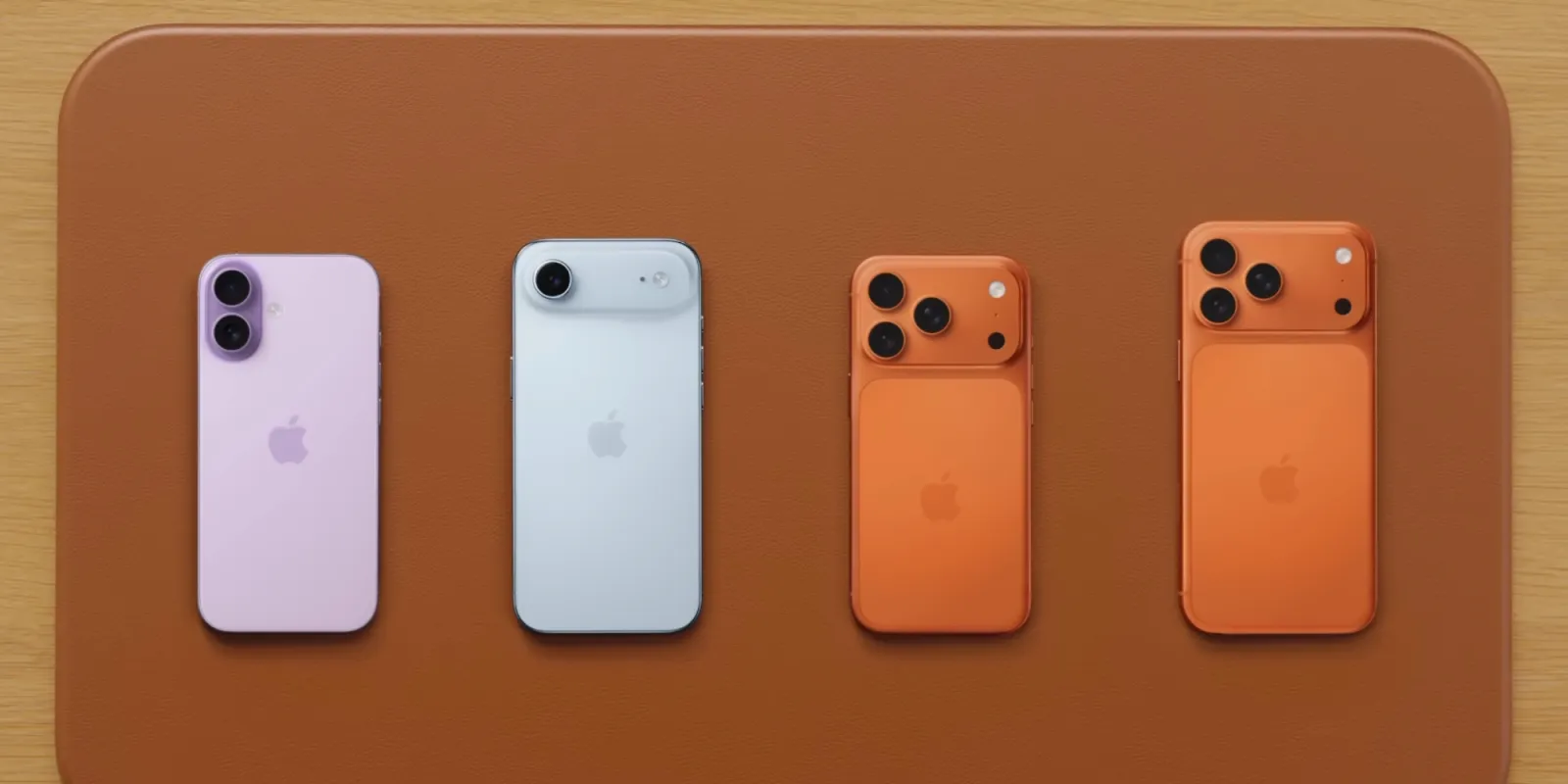
    According to credible sources, plans have been shifted, and the entry-level iPhone 18 is slated for release early next year, likely around March. Visible mockups and leaks indicate that the upcoming models will include the iPhone 18, iPhone 18e, and iPhone Air 2, marking a departure from traditional annual launches of all models at the same time.

    This strategic change means consumers interested in a more affordable iPhone experience might have to wait a few additional months beyond the usual September unveiling. Historically, Apple introduced its e-series phones in February or March, such as the iPhone 16e in February and the iPhone 17e in March. The upcoming early 2027 launch continues that pattern.

    The decision to omit the base iPhone 18 from this year’s event is unusual and has sparked widespread speculation. While the exact reasoning remains unclear, potential explanations might include manufacturing delays, shifting market strategies, or a focus on more premium models for the September event.

    If you’re eager for the next-generation iPhone but don’t want to spend on top-tier Pro or Ultra variants, you’ll need to exercise patience and hold out until early 2027 for the standard model.

    Are you surprised by this revamped launch schedule? Share your thoughts below.

    Shop at Apple with a 15% discount on certified refurbished products.

    Explore the top accessories available for iPhone to enhance your user experience.

  • Apple Plans To Expand Smart Home With New Displays Cameras And HomePods

    Apple Plans To Expand Smart Home With New Displays Cameras And HomePods

    Apple seems to be gearing up for a significant expansion into smart home technology, with multiple new products in the pipeline as part of its efforts to go beyond the current HomePod mini and Apple TV offerings, according to a recent report from 9To5Mac.

    The development roadmap includes upgraded versions of existing devices, a new smart home hub equipped with a display, an enlarged HomePod model, and eventually, Apple’s inaugural line of dedicated security devices for the smart home. The report highlights that upcoming AI enhancements to Siri could eliminate some previous barriers, potentially making new HomePod models more functional and appealing.

    ### Apple is finally focusing on the smart home

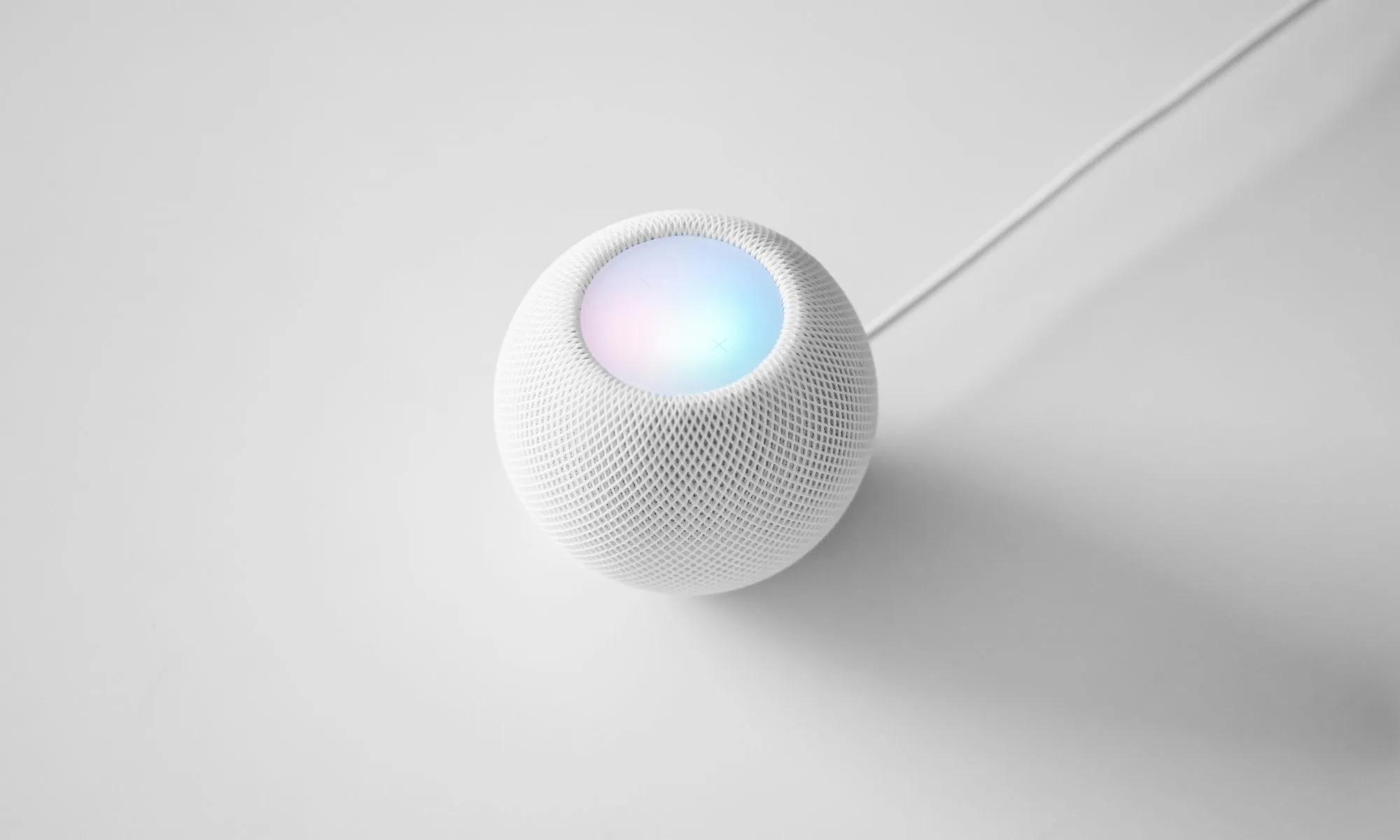
    The initial launches are expected later this fall, featuring updated models of the HomePod mini and Apple TV 4K. The HomePod mini might transition from the S5 chip to the more recent S9, along with possible improvements in wireless connectivity and new color options. Most notably, software enhancements are anticipated, particularly improvements to Siri’s AI capabilities, which could significantly boost the speaker’s intelligence.

    Similarly, the Apple TV 4K is expected to receive a processor upgrade, possibly moving from the A15 Bionic to the A17 Pro chip, which could enable Siri AI features to operate locally on the device. A redesigned remote control is also under consideration.

    Current pricing stands at $129 for the HomePod mini and $199 for the Apple TV 4K, and it’s suggested that Apple might maintain these prices for the upcoming refreshed models. The most intriguing product in development is reportedly the company’s first dedicated smart-home hub, internally codenamed “HomePad,” which could debut between October and early 2027. There are two versions under consideration: a wall-mounted display and a speaker-based device similar to Google’s Nest Hub.

    This device is expected to feature a 7-inch square touchscreen and operate on a new system called homeOS. It could support FaceTime calls, facilitate control of smart devices, and work seamlessly with Siri AI, powered by an A18 chip.

    ### Cameras, doorbells, and an upgraded HomePod are also on the horizon

    Apple’s ambitions for the smart home extend beyond speakers and displays. A full-size HomePod model is also in development, although no official release date has been set. This newer version is expected to incorporate a more powerful chip to enable enhanced Siri AI interactions.

    Further along the development path, Apple is reportedly working on its first line of smart home security products, including a security camera and a smart doorbell. Additionally, a more advanced smart display with a larger 9-inch screen and a robotic arm—potentially transforming the device into a tabletop robot—is also in development.

    For users already invested in Apple’s ecosystem, the overall strategy indicates a move toward building a comprehensive smart home platform rather than simply updating existing gadgets. The key question remains whether the improvements in Siri AI will be sufficient to make these devices truly valuable and integrate seamlessly into everyday life.

  • Cheap and Useful iPhone 17 Pro Accessories to Try

    Cheap and Useful iPhone 17 Pro Accessories to Try

    While I usually prefer using my iPhone without a case or screen protector, I’ve actually found myself enjoying both on the iPhone 17 Pro and can recommend giving them a try. They’re affordable options that won’t require a long-term commitment.

    A few years back, Apple introduced Ceramic Shield glass to the iPhone screen, claiming it offered four times better drop resistance and fewer shattered screens. Although I haven’t broken my iPhone screen yet, I do notice deep scratches after about a year of use. The latest Ceramic Shield 2 on this year’s models promises triple the scratch resistance.

    Apple has also improved the anti-glare properties of the front panel, although it doesn’t match the nano-texture treatment seen on iPad Pro and MacBook Pro screens.

    To make the display more matte, I use the Mothca matte glass screen protector. It doesn’t quite eliminate the rainbow effect or brightness drop, but it significantly reduces glare and reflections.

    For protective cases, I prefer a minimal design for those just-in-case moments like kayaking or mounting my phone on a motorcycle handlebar. I decided on a gray case that pairs nicely with the Cosmic Orange and gives a futuristic vibe, avoiding the Halloween-like starkness of black with orange.

    I found a case in-store from Spigen called Thin Fit, available in black, gunmetal, or abyss green—the gray version I chose matches my aesthetic. It costs around $39.99, but you can find it cheaper on Amazon for about $34.99.

    Many cheaper cases lack MagSafe compatibility, limiting the effectiveness of magnetic accessories like battery packs and mounts. The Spigen Thin Fit supports MagSafe and features a capacitive Camera Control cover instead of just an opening, which helps protect the camera bump—a concern given its exposure to potential drops.

    Additionally, this case covers the full camera “mountain range,” enhancing durability. It also conceals the orange aluminum border around the display, which can be visually distracting when paired with darker cases and screens.

    For budget-friendly accessories, the Mothca screen protector and Spigen Thin Fit case balance cost with functionality. They help preserve your phone’s appearance and functionality, all without breaking the bank.

  • iPhone 17 to Break 15-Year Flagship Record

    iPhone 17 to Break 15-Year Flagship Record

    When Apple launched the iPhone 17 last September, it marked the beginning of a new record for flagship device longevity, potentially breaking a 15-year-old benchmark. Although it typically takes over a year for such records to be surpassed, current rumors suggest the iPhone 17 could be the first to do so.

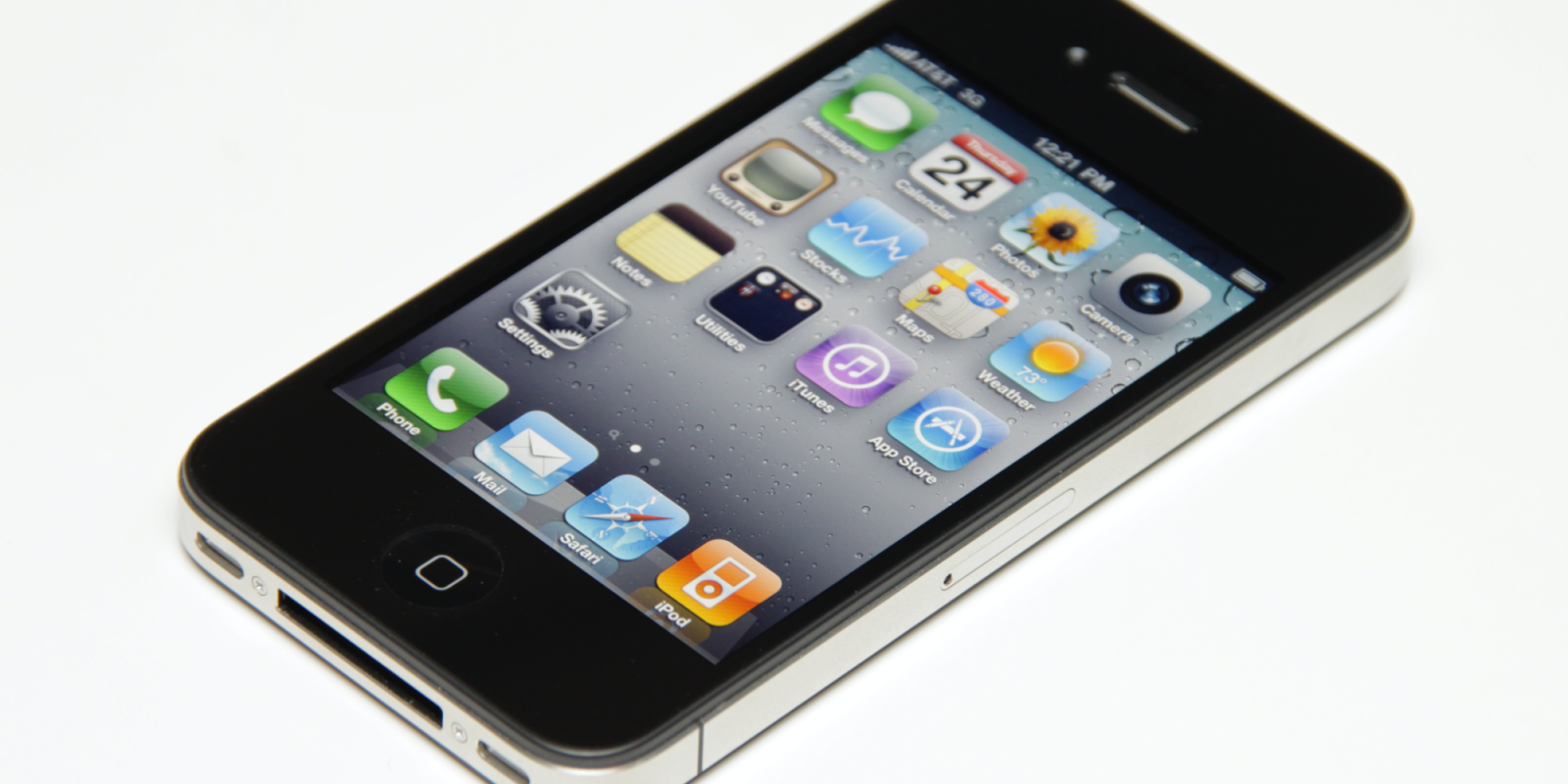
    This achievement is reminiscent of the iPhone 4, which debuted in June 2010 and held its position as Apple’s leading iPhone until October 2011—a span of nearly 16 months. During that year, Apple shifted its major launch window from summer to fall, making the iPhone 4’s tenure particularly notable.

    The period was frustrating for those expecting the iPhone 5, as Apple instead introduced the iPhone 4S, which was visually similar to its predecessor but featured internal upgrades like Siri, an improved camera, and better performance. The iPhone 4 also had multiple notable release milestones: launched exclusively through AT&T, then later on Verizon six months afterward, and finally, the white model arrived after a lengthy 10-month delay.

    No other iPhone has matched the 15-month flagship run of the iPhone 4 since. The closest was the iPhone 11 Pro, which remained at the forefront for 13 months before the iPhone 12’s release, which was delayed during the pandemic. There are anomalies such as the gaps between the iPhone SE, SE 2, and iPhone 16e models, which exceed four years each, but these are not standard flagship cycles.

    Looking ahead, the iPhone 17 is expected to be the dominant flagship for about 18 months, until the anticipated spring 2027 release of the iPhone 18, thereby setting a new record for the longest period a flagship remains at the top of Apple’s lineup.

    | Model | Launch Date | Replacement Expected | Duration at Top |
    |—————-|———————————|————————|—————————–|
    | iPhone 17 | September 2025 | Spring 2027 (expected)| Approximately 18 months |
    | iPhone 4 | June 24, 2010 | October 14, 2011 | About 15.7 months |
    | iPhone 11 Pro | September 20, 2019 | October 23, 2020 | About 13.1 months |
    | iPhone (2007) | June 29, 2007 | July 11, 2008 | Roughly 12.4 months |

    A significant contrast from the iPhone 4 era is the introduction of the Pro line, which has helped prevent lengthy upgrade cycles by offering more frequent innovations.

    In terms of the shortest upgrade intervals, the transition from iPhone 12 to iPhone 13 stands out, with only an 11-month gap following delays caused by the pandemic. Similarly, the iPhone X, announced in September 2017, was quickly succeeded by the iPhone XS just 10 months after its November 2017 release, despite the initial model still being quite new.

    The evolution of Apple’s flagship longevity has been impacted by product differentiation, especially with the Pro series, and sometimes by strategic delays, leading to notable variations in upgrade cycles.

  • iPhone 17 Price Might Rise Next Week Rumor

    iPhone 17 Price Might Rise Next Week Rumor

    Apple is anticipated to raise prices for the upcoming iPhone 18 Pro, expected to launch next month. However, recent rumors suggest that the iPhone 17 might also see a price hike as early as next week.

    Specifically, there are claims that the cost of the iPhone 17 could increase on Monday, August 10. A Weibo insider known as Fixed Focus Digital mentioned in a recent post that “rumors indicate the iPhone 17 will become more expensive starting August 10.”

    While a price increase on this date would be unexpected—since Apple previously avoided raising prices earlier this summer—it is not completely out of the realm of possibility. Earlier in the season, Apple opted not to increase the prices of its devices, including the iPhone, expecting they would change in September along with the launch of new models. Now, indications suggest the company might be accelerating this process.

    The source of this rumor isn’t officially confirmed, but Fixed Focus Digital has shown reliable connections in the past, which adds some credibility to the speculation.

    If Apple indeed moves forward with adjusting the prices of remaining models like the iPhone 17 before the end of the year, it could signify a shift in timing, opting to implement changes sooner rather than later.

    You can also explore discounts on certified refurbished Apple products here.

    For those interested in enhancing their iPhone experience, check out some of the best accessories available on the market.

  • iPhone 17 Set To Break Long-Standing Flagship Record

    iPhone 17 Set To Break Long-Standing Flagship Record

    When Apple launched the iPhone 17 in September, it marked the beginning of a new chapter in flagship history, aiming to beat a record that has stood for over 15 years. While it will take more than a year to surpass this milestone, current rumors suggest that the iPhone 17 has the potential to be the first to break it.

    The longest-lasting flagship was the iPhone 4, which debuted in June 2010 and remained Apple’s premier device until October 2011. Due to a shift in Apple’s launch schedule from summer to fall, the iPhone 4 maintained its status for nearly 16 months. This period was particularly frustrating for consumers holding out for the iPhone 5, only to be introduced to the iPhone 4S, which was visually similar but brought internal upgrades like Siri, an improved camera, and better performance.

    The iPhone 4 also experienced multiple significant release moments—initially exclusive to AT&T in the U.S., which launched it first. Verizon then became the second U.S. carrier six months later. Additionally, the long-anticipated white model finally arrived after ten months of delays.

    Since then, no other iPhone has matched the 15-month record set by the iPhone 4. The closest was the iPhone 11 Pro, which held its top spot for 13 months following the launch of the iPhone 12 during the pandemic’s disruption. Other exceptions, like the gap between the iPhone SE models and the iPhone 16e, exceeding four years, were primarily due to product strategy rather than standard flagship refresh cycles.

    Looking ahead, the iPhone 17 is scheduled to be available until spring 2027, suggesting it will be on the market for about 18 months. This extended period could surpass the iPhone 4’s record, establishing a new standard for flagship longevity.

    | Model | Launch | Replacement | Duration at top |
    |—————-|——————————|——————————|—————————-|
    | iPhone 17 | September 2025 | Expected Spring 2027 | Approximately 18 months |
    | iPhone 4 | June 24, 2010 | October 14, 2011 | About 15.7 months |
    | iPhone 11 Pro | September 20, 2019 | October 23, 2020 | Roughly 13 months |
    | iPhone (2007) | June 29, 2007 | July 11, 2008 | Just over a year |

    One notable distinction between the era of the iPhone 4 and the current lineup is the introduction of the Pro models. The period between the iPhone 4 and 4S saw a gap where customers eagerly awaited significant updates, which didn’t arrive immediately.

    The shortest iPhone upgrade cycle is also interesting; for example, the transition from iPhone 12 to iPhone 13 took just 11 months, as Apple adjusted following pandemic-related delays. Similarly, the iPhone X, announced in September 2017, was replaced by the iPhone XS after only 10 months, due to the release time of the original model in November 2017.

  • Apple TV And HomePod Mini With Apple Intelligence Coming In 2027

    Apple TV And HomePod Mini With Apple Intelligence Coming In 2027

    The next phase of Apple Intelligence might unfold right in your living room. While speculation persists around foldable iPhones, smart glasses, and camera-equipped AirPods, Bloomberg’s Mark Gurman indicates that two of Apple’s most recognizable products could incorporate Apple Intelligence sooner than anticipated.

    This suggests that updated versions of the Apple TV and HomePod mini are currently in advanced testing stages and could be released by 2027. However, if you’re expecting a major redesign, it’s worth adjusting those expectations.

    The core technology is evolving, not the hardware

    Apple isn’t planning significant physical redesigns for these devices. Instead, the emphasis appears to be on integrating Apple Intelligence and enhancing Siri’s capabilities within products already present in millions of households. This strategy makes sense; the current Apple TV is already among the top streaming devices, and the HomePod mini remains a reliable smart speaker within Apple’s ecosystem. Neither device seems to require a visual overhaul, but both could benefit from a smarter assistant.

    Apple Intelligence could enable features like asking Siri to summarize lengthy podcasts, locate specific scenes from movies you’ve watched, or interpret natural language commands in your smart home. These enhancements would make these devices feel new without altering their physical forms.

    A slight upgrade for the remote

    The only hardware change mentioned involves a potential update to the Apple TV remote. While it might not sound groundbreaking, Apple TV users are familiar with the remote’s history of revisions, often drawing considerable attention when new models are released.

    The bigger picture, however, is Apple’s ongoing effort to extend Apple Intelligence beyond the iPhone, iPad, and Mac. If these new devices launch as expected, Apple’s AI expansion could soon move from your pocket and desk into your living room. Unlike some other rumored products, this upgrade feels like a natural progression that’s hard to deny.

  • Why iPhone 17 Misses Out On iOS 27 Features

    Why iPhone 17 Misses Out On iOS 27 Features

    Apple is set to introduce several exciting new features with iOS 27, particularly in the realm of Apple Intelligence. However, accessing some of these advanced capabilities will require the latest, most powerful iPhones, and unfortunately, the iPhone 17 will not be among them. This pattern echoes what occurred in 2024, when the base iPhone models were excluded from certain features.

    Back in June 2024, Apple announced Apple Intelligence with limited device support, specifically for the iPhone 15 Pro and iPhone 15 Pro Max. The older iPhone 15 and iPhone 15 Plus units weren’t compatible, marking a departure from Apple’s usual tradition of supporting older devices for extended periods. This shift was primarily driven by the hardware demands of AI—particularly on-device AI—which necessitated at least 8GB of RAM, a specification the more affordable models lacked.

    Now, with the release of iOS 27, this trend appears to be continuing. The newest base model iPhone, the iPhone 17, will again be excluded from certain AI features due to hardware limitations. For example, some of the most powerful on-device AI models supported by iOS 27 require the iPhone 17 Pro, Pro Max, or the iPhone Air.

    Additionally, a new Siri AI voice customization feature will not be available on the iPhone 17. This consistent trend of recent devices being left out hints at a significant shift in how Apple is deploying its AI technology—favoring newer, more capable hardware to deliver these advanced features.

    While it’s encouraging that many AI features will still be accessible to iPhone 17 users, the fact remains that they will miss out on certain cutting-edge capabilities enjoyed by the Pro and Air models. This shift marks a notable change in Apple’s support strategy and highlights the increasing hardware requirements needed to power its latest AI innovations.

  • iPhone Production Up 20% in Q1 Amid Global Drop

    iPhone Production Up 20% in Q1 Amid Global Drop

    A recent TrendForce report highlights a notable surge in Apple’s iPhone manufacturing during the first quarter, despite rising memory prices that have affected the overall smartphone industry. Here are the key insights.

    According to various sources, including Apple’s earnings reports and independent industry analyses, the iPhone 17 series has been surpassing expectations and outperforming the wider market trends.

    The latest report from TrendForce provides additional evidence, indicating that Apple’s iPhone production increased by nearly 20% year-over-year in Q1, even as global smartphone production saw a 1.7% decline during the same period.

    The data shows that while Samsung still leads as the world’s top smartphone producer, with a 2.3% growth resulting in approximately 62.6 million units produced, Apple secured the second spot with around 60.2 million units manufacturing during the quarter.

    Apple’s impressive production performance has been driven by the launch of the iPhone 17e and an ongoing increase in production capacity for new models.

    Furthermore, industry insights suggest Apple has been better insulated from the impacts of rising memory prices, largely because it has refrained from raising its prices amid the market shortages. The company has kept its pricing steady and has left the door open for potential future increases if the situation persists.

    Looking forward, TrendForce estimates that worldwide smartphone production may decrease by about 16.2% year-over-year, reaching around 1.05 billion units in 2026. This decline could become more severe if memory prices stay high, prompting brands to hike retail prices further to compensate.

  • Apple Home App’s Smart New Features to Simplify Your Life

    Apple Home App’s Smart New Features to Simplify Your Life

    At WWDC 2026, Apple showcased how Apple Intelligence is integrating into the Home app. While the Siri AI updates drew most of the attention, these Home app enhancements could be the quiet improvements that simplify your daily routines. Here’s everything you need to know about the updates coming to the Home app with iOS 27.

    Tired of Notification Overload?

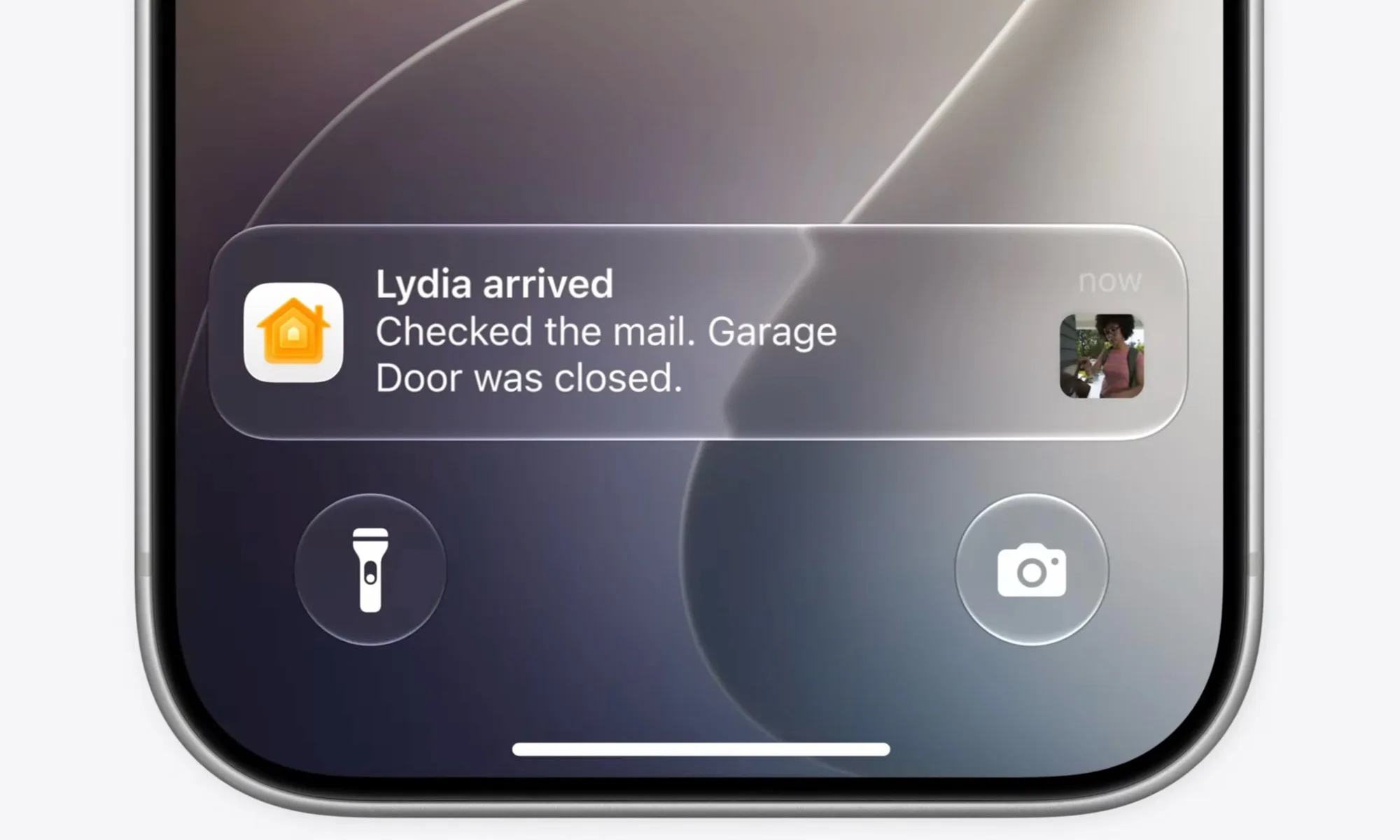
    If you have numerous smart home devices, you know how quickly notifications can accumulate. They’re useful for staying informed, but they can also become overwhelming. Apple addresses this by leveraging Apple Intelligence to group related notifications into a single activity.

    Instead of receiving multiple alerts, you’ll get one notification that updates in real-time as the activity progresses. This small tweak significantly declutters your Lock Screen, making it easier to stay focused.

    Your Cameras Can Now Better Interpret Your Footage

    This is one of the most exciting features. The Home app can now analyze recordings from compatible HomeKit cameras using Apple Intelligence and generate summaries of what occurred.

    Because it understands the content of the videos, it can fetch relevant footage from your various cameras and compile them to give you a comprehensive view. This feature will be highly appreciated by users.

    Additionally, you’ll be able to search through your camera recordings based on what was captured. Before you even start typing, relevant clips are prioritized at the top of the search results. If you’re trying to locate a specific event, like a package delivery, you can find it across multiple cameras within seconds.

    And for supported cameras, you can view recordings in stunning 4K resolution. These enhancements promise to make managing and reviewing your home security footage more efficient and enjoyable.

  • New Free Phone Scam Joins List

    New Free Phone Scam Joins List

    ‘Free phone’ scams are on the rise, and a new variation has emerged that demands attention. In this latest scheme, a brand-new phone is inexplicably left at your doorstep—without your payment or involvement in its purchase.

    This adds to the ongoing list of scams where new phones are delivered directly to your residence under suspicious circumstances.

    The traditional ‘free phone’ scam involves a scammer impersonating you to your mobile service provider and ordering a new device. The carrier then ships the phone to your address, often while the scammer waits nearby to snag the package before you can retrieve it. Essentially, this is a form of porch piracy—an opportunistic theft where the scammer knows the shipment details beforehand and benefits by acquiring the free device.

    Protect yourself by enabling two-factor authentication (2FA) on your mobile account and other online services to reduce the risk.

    Another common scam occurs when you’ve ordered a phone, receive a call claiming an error, and are instructed to return or ship the device back. In reality, you’re unknowingly sending a new phone directly into the scammer’s hands.

    The newest ‘free phone’ scam, as reported by CNET, involves activating an unsolicited device and entering your personal information. The device then either locks up or goes completely dark, rendering it useless. Meanwhile, your details are compromised, and the scammer gains access to your personal data.

    This type of scam typically begins with actions like plugging in the phone, turning it on, scanning a QR code, or inserting a SIM card. Each step can potentially grant scammers access to your accounts, identity, or phone number. Experts warn that cheap phones preloaded with malware, SIM cards designed for fraudulent activities, or QR codes dropping credential-harvesting pages are common vectors. It’s best to handle such devices with caution or leave them alone altogether.

    Have you encountered other clever or malicious scams? Feel free to share your experiences in the comments.

    Photo credit: James A. Molnar, via Unsplash.

  • Two Cheap iPhone 17 Pro Accessories To Try

    Two Cheap iPhone 17 Pro Accessories To Try

    Although I typically prefer using my iPhone without any case or screen protector, I’ve found that both can be quite enjoyable on the iPhone 17 Pro. They are affordable enough to experiment with without a long-term commitment.

    Back in 2019, Apple introduced Ceramic Shield glass for the iPhone display, claiming it offered four times better drop resistance and fewer cracked screens. While I haven’t shattered my screen yet, I do notice persistent deep scratches after a year of use. The latest Ceramic Shield 2 promises triple the scratch resistance, which is a promising upgrade.

    Apple also reports an enhanced anti-glare coating on the screen, although it doesn’t quite match the nano-texture finish seen on iPad Pro and MacBook Pro models.

    To give the display a more matte appearance, I use a product I tried previously—the Mothca matte glass screen protector. While it’s not perfect—it introduces a slight rainbow effect and reduces brightness—it significantly improves anti-glare performance.

    For protection in active scenarios such as kayaking or when mounting the phone on a motorcycle handlebar, I opt for a minimalist case. I was concerned about chipping the orange aluminum edges near the camera bump, so I chose a more subdued color: gray, which pairs well with the Cosmic Orange and adds a futuristic vibe.

    A recent find in a retail store was the Spigen Thin Fit case, available in black, gunmetal, or abyss green. I went with the gray option, which aligns nicely with my aesthetic considerations. It retails for $39.99 but can be found on Amazon for around $34.99.

    Many budget cases lack MagSafe compatibility, which I find limiting when using magnetic accessories or battery packs. The Spigen Thin Fit supports MagSafe, and instead of just a cutout, it includes a capacitive Camera Control cover, offering better protection for the camera module, especially the prominent “mountain range” area, which is critical for durability.

    This case also features a cool design element: orange circles reminiscent of the Digital Crown on the Space Black Apple Watch Ultra. The orange accents are visible around the buttons and port, giving the gray case a subtle yet striking orange-gray aesthetic.

    Interestingly, it does not display the orange aluminum border around the display, which can be distracting when a dark case is applied, especially between the screen and bezel. Removing the border creates a cleaner, more seamless look.

    For affordable accessories, I recommend the Mothca matte screen protector for anti-glare benefits and effective scratch resistance, and the Spigen Thin Fit case for a sleek, protective cover that doesn’t add much bulk. Both are excellent options to enhance your experience and safeguard your device without breaking the bank.

  • Apple Ships 31% More IPhones In Latin America Led By Mexico

    Apple Ships 31% More IPhones In Latin America Led By Mexico

    A recent Omdia analysis reveals that iPhone shipments in Latin America surged by 31% compared to the previous year in the first quarter of 2026, largely propelled by the strong sales of the iPhone 17 and an impressive 80% increase in Mexico.

    In the regional market, Samsung maintained its lead with 12.9 million units shipped, capturing a 37% market share, marking a 9% growth from the prior year. Following closely, Xiaomi secured second place with 6 million units and a 17% share, surpassing Motorola’s 4.9 million units and 14%. HONOR ranked fourth with 3.4 million units, accounting for 10%, while Apple completed the top five with 1.8 million units, representing 5% of the market.

    Despite a modest rise of 400,000 units in shipment volume, Apple’s growth rate was the highest among competitors at 31%, just marginally ahead of HONOR’s 30%. The overall market experienced a slight 3% increase, with total shipments reaching 34.8 million units, hindered by shortages and rising memory component prices that constrained the availability of affordable devices, as explained by Omdia’s Senior Analyst Miguel Ángel Pérez.

    Regionally, the top five markets constituted 73% of the shipments during this period, with Brazil and Mexico being the only nations where Apple registered notable presence. In Brazil, Apple held a 5% market share, whereas in Mexico, it climbed to third place with a significant 16%, driven by exceptional sales growth of 80% year-over-year and positive reception of the iPhone 17 series.

    For more detailed insights, refer to Omdia’s full report via the provided link.

  • iPhone 17 Pro Has Fastest Charging Among 33 Phones

    iPhone 17 Pro Has Fastest Charging Among 33 Phones

    Among 33 smartphones tested, the iPhone 17 Pro demonstrated the fastest overall charging capabilities, combining both wired and wireless charging speeds into a single performance metric.

    Apple secured four out of the top five positions in wireless charging speed, with manufacturing precision likely contributing to this dominance.

    According to CNET, comprehensive testing was conducted over the past year on 33 current models from brands such as Apple, Samsung, Google, and Motorola, including international variants, to assess their fast-charging performance.

    The testing involved scenarios where devices had a battery life of around 10%, measuring how much charge could be gained within a 30-minute period.

    In wired charging, the iPhone 17 Pro ranked second, with Samsung’s Galaxy S26 Ultra taking the top spot, capable of reaching 76% charge in just half an hour. Other high performers included the Moto G Stylus (2025) and the OnePlus 15, both achieving 74% during the same timeframe. The iPhone 17, iPhone 17 Pro Max, and Samsung Galaxy S25 FE each reached approximately 69%.

    For wireless charging, the iPhone 17 Pro led the pack, achieving a 55% charge increase in 30 minutes, earning it the CNET Labs Award for fastest wireless charging. The iPhone 17 Pro Max followed with 53%, the standard iPhone 17 reached 49%, the iPhone Air attained 47%, and the Samsung Galaxy S26 Ultra achieved 39%, rounding out the top five.