
Select Language:
The conflict between the U.S. and Israel against Iran commenced earlier this year on February 28, with synchronized strikes targeting multiple sites across Iran. The hostilities rapidly escalated into a broader regional crisis, involving Lebanon, the Gulf countries, Yemen, the Strait of Hormuz, and global energy markets.
In the subsequent months, the situation transitioned from overt military confrontations to a delicate ceasefire and maritime standoff. Pakistan took on a mediating role, attempting to broker a resolution amid disagreements over the Strait of Hormuz, the U.S. embargo, Iran’s nuclear activities, sanctions, and the Lebanon front.
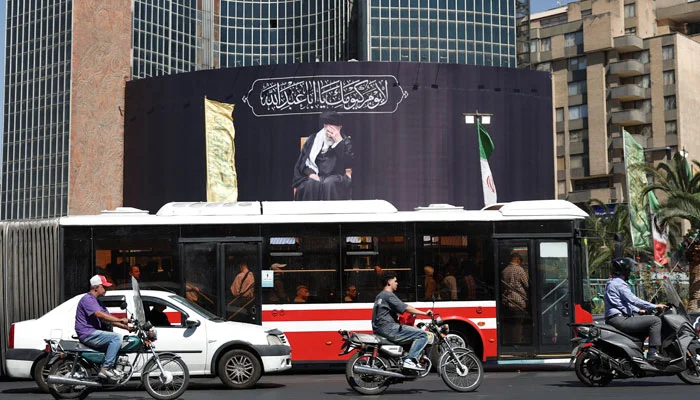
The first phase, from the start of the conflict to April 8, was characterized by direct military actions, including the martyrdom of Iran’s Supreme Leader Ayatollah Ali Khamenei, Iran’s retaliatory strikes, the closure of the Strait of Hormuz, and the emergence of the Lebanon front.
From April 8 to June, the second phase saw a fragile ceasefire punctuated by intense diplomatic efforts, frequent violations, a naval blockade by the U.S., and ongoing disputes concerning Lebanon, Hormuz, and Iran’s nuclear program.
Recently, Pakistan, the U.S., and Iran announced they had reached a preliminary agreement to end hostilities. The deal, facilitated by Pakistan, was formalized via an electronically signed memorandum of understanding by President Trump, Iranian President Masoud Pezeshkian, Prime Minister Shehbaz Sharif, and all involved parties earlier today.
Below is a timeline of major events from the onset of the war:
Phase 1 – Military escalation and initial strikes
February 28 – March 1
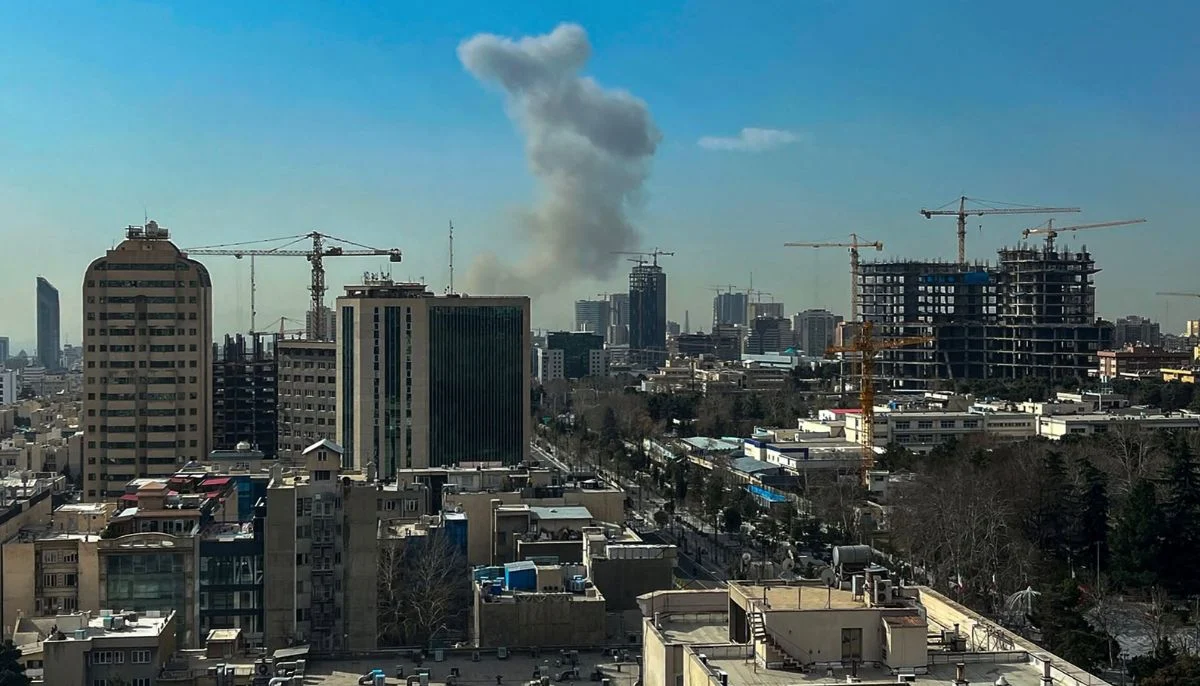
- The U.S. and Israel coordinated airstrikes across Iran, targeting military installations, missile facilities, air defenses, and command centers. Iran’s Supreme Leader, Ayatollah Ali Khamenei, was designated a martyr, along with high-ranking Iranian officials.
- A girls’ primary school in Minab, southern Iran, was hit during these opening operations, resulting in significant civilian casualties—one of the earliest and most sensitive incidents.
- Iran retaliated with missile and drone attacks against Israeli and U.S.-linked military sites across the Gulf, including Bahrain, Qatar, Kuwait, and the UAE.
- An Iranian missile strike hit Beit Shemesh, causing casualties and marking a deadly early attack within Israel.
March 2
- Iran declared the Strait of Hormuz closed to international shipping, transforming the conflict into a worldwide energy crisis.
- Hezbollah launched projectiles from Lebanon toward Israel following Khamenei’s martyrdom. Israel responded with strikes in Lebanon, opening a secondary front.
March 3
- Israel launched a ground operation in southern Lebanon, aiming to create a security zone, which complicated ceasefire negotiations.
March 4-8
- Iranian forces increased attacks on ships attempting to pass through Hormuz, causing a sharp decline in maritime trade and higher insurance premiums.
- President Trump publicly demanded Iran’s “unconditional surrender” and threatened further strikes if Iran refused to accept U.S. terms.
- Mojtaba Khamenei, son of Ayatollah Khamenei, was appointed Iran’s new Supreme Leader, signaling regime continuity.
March 19
- The U.S. initiated focused aerial campaigns against Iranian naval vessels and drone infrastructure around Hormuz to reopen the strait.
March 21-23
- Iran struck targets near Israel’s nuclear site, including Arad and Dimona, while Israeli strikes targeted Tehran.
- Trump extended the deadline for Iran to reopen Hormuz.
March 27-30
- Iran denied passage to Chinese-linked ships at Hormuz, exercising control over the waterway.
- Yemen’s Houthi movement rejoined the conflict by resuming missile attacks on Israel, adding to the regional complexity.
- Trump expanded threats to include Iran’s main oil terminal, Kharg Island, and key desalination plants, setting a deadline of April 7.
April 1
- Trump suggested the conflict could resolve within weeks but hinted at the possibility of ground interventions.
April 3
- Iranian forces shot down a U.S. F-15E over southwestern Iran, prompting a rescue mission, escalating tensions again.
Phase 2 – Ceasefire and mediation
April 5
- Islamabad proposed a phased ceasefire. Iran rejected the initial draft, insisting that Lebanon be included in any ceasefire agreement.
- On April 7, U.S. forces attacked Kharg Island before Trump’s final deadline. Pakistan later brokered a tentative two-week ceasefire between the U.S. and Iran.
April 8
- Both sides agreed to an immediate ceasefire, though disagreements persisted—Israel continued operations in Lebanon, and the ceasefire was strained.
April 9
- Israel and Lebanon experienced continued hostilities despite the ceasefire. Hezbollah launched rockets into Israeli border areas.
April 11-12
- High-level talks in Islamabad aimed at resolving disputes failed due to unresolved issues like Hormuz and Iran’s nuclear program.
April 13
- After failed negotiations, the U.S. imposed a naval blockade on Iran’s ports. Iran responded by increasing pressure around Hormuz, turning the ceasefire into a maritime standoff.
April 14
- The U.S. facilitated diplomatic talks between Israel and Lebanon, but these did not fully resolve hostilities.
April 16-17
- A U.S.-brokered ceasefire between Israel and Lebanon was implemented, although some violations persisted.
April 19
- U.S. forces seized an Iranian-flagged cargo ship attempting to evade the blockade near Hormuz. Iran claimed this was a violation of the ceasefire.
April 21
- The U.S. extended the ceasefire indefinitely, despite ongoing disagreements on Iran’s nuclear activities, sanctions, and maritime control.
April 22-23
- Iran seized vessels crossing Hormuz without permits, asserting its dominance over the strait.
April 24-27
- The ceasefire in Lebanon was extended by three weeks, though some violations persisted, and oil prices remained high amid ongoing tension.
April 28
- Trump warned Iran about targeting mine-laying boats in Hormuz, keeping maritime tensions high despite the ceasefire.
April 30
- Iran offered to ease control over Hormuz if the U.S. lifted sanctions and ended hostilities, delaying nuclear talks for later.
May 1
- Iran withdrew from planned peace negotiations in Rome, citing U.S. restrictions on shipping as the primary obstacle.
May 3-5
- President Trump announced “Project Freedom,” an effort to reopen Hormuz, but paused it to see if an agreement could be finalized with Iran—though sanctions remained in place.
May 14-15
- High-level talks between Trump and China sought Chinese mediation, but no breakthroughs resulted.
May 20-23
- An investigation into the Minab school strike was close to conclusion, with Iran emphasizing the human toll.
- Iran established the “Persian Gulf Strait Authority” to control the strait and proposed transit fees.
- Backchannel talks through Pakistan and Oman intensified, focusing on ceasefire stability, nuclear restrictions, sanctions, and Hormuz reopening.
- Trump announced that a comprehensive peace agreement was close and that Hormuz might reopen soon.
May 30
- U.S. Defense Secretary Pete Hegseth indicated readiness to resume military strikes if negotiations faltered, emphasizing that the U.S. would not sign a weak deal.
June 1-3
- Heavy exchanges resumed: Iran temporarily halted involvement in Islamabad-mediated talks, citing increased Israeli ground and air attacks in northern Lebanon.
- Iran launched missiles at Kuwait, including strikes on the airport, causing casualties.
- Iran retaliated against Israeli strikes in Beirut.
June 9-10
- A dangerous incident occurred when Iran shot down a U.S. helicopter near Hormuz, leading to retaliatory U.S. airstrikes on Iranian radar sites and water reservoirs, risking full-scale escalation.
June 11
- Recognizing the risk of broader war, Trump called off targeted strikes against Iran, signaling a possible deal. Backchannel negotiations advanced a tentative agreement.
June 12-13
- The final text of a peace deal was reportedly agreed upon by Pakistan, with plans for initial electronic signing. Iran expressed skepticism about the timing.
Phase 3 — Implementing the peace agreement
June 14
- Washington and Tehran announced a preliminary accord to end the war, mediated by Pakistan.
- Both sides agreed to cease military operations immediately.
- Trump declared the Strait of Hormuz reopened and the U.S. naval blockade lifted.
- A 60-day window was set to resolve Iran’s nuclear stockpile, sanctions, and asset issues.
June 16-17
- Iran-linked Hezbollah indicated the peace process would include Israeli withdrawal from southern Lebanon.
- The U.S. Senate narrowly rejected a resolution to limit Trump’s war powers.
- Details of the interim agreement, including economic incentives, reconstruction, sanctions, and nuclear restrictions, continued to emerge.
- Trump and Iranian President Masoud Pezeshkian signed the Islamabad Memorandum of Understanding (MoU).
June 18
- Prime Minister Shehbaz Sharif formalized the peace treaty by signing the Islamabad MoU, marking a historic milestone in Iran-U.S. relations.
 ChatGPT
 Perplexity
 Gemini AI
 Grok AI