
Select Language:
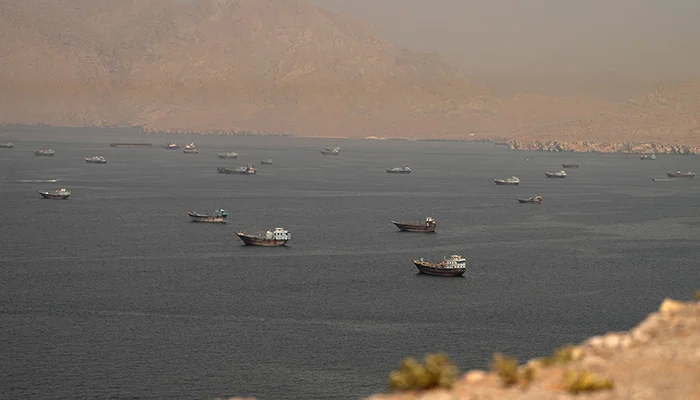
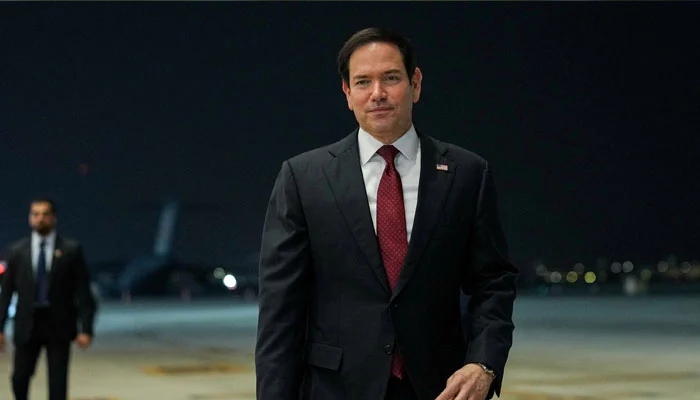
U.S. Secretary of State Marco Rubio arrived in Abu Dhabi on Tuesday, marking the first stop on a tour of Gulf nations aimed at demonstrating support for key allies impacted by the ongoing Middle East conflict. The mission is delicate, as Gulf states have suffered significant economic setbacks due to the U.S. and Israel’s decision to engage in a conflict with Iran, despite regional opposition. Tehran has responded aggressively, with actions such as closing the Strait of Hormuz, which previously allowed around 20% of global oil and natural gas shipments to pass freely without charge, and launching drone and missile attacks that have undermined regional security.
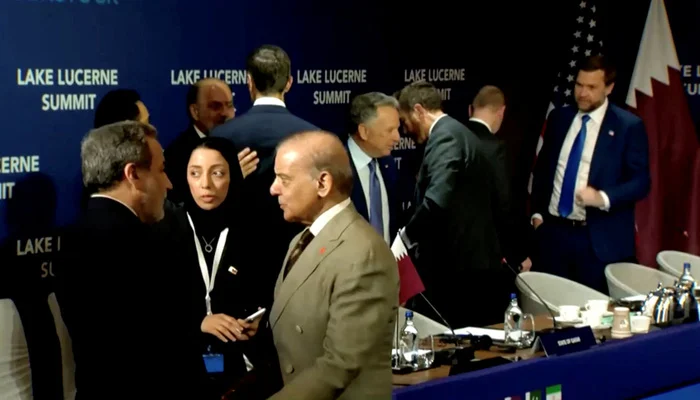
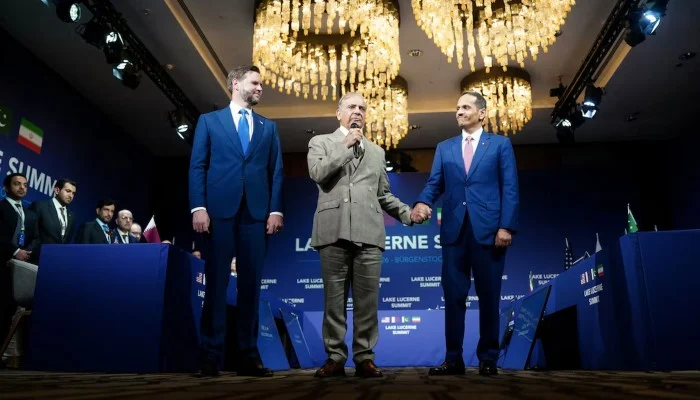
Rubio’s visit coincides with recent negotiations, ongoing in Switzerland, between Washington and Tehran, which aim to reach a long-term settlement to end hostilities. While Vice President JD Vance has taken a leading role in these discussions, Rubio has yet to comment publicly. Upon his arrival in Abu Dhabi, Rubio emphasized that no country is permitted to levy tolls or fees on the Strait of Hormuz, stating, “It’s an international waterway. No country is allowed to charge tolls or fees on an international waterway. That’s international law.” He added, “I don’t think we have anyone to convince around here on that matter. All regional countries likely agree with us.”
Iran is now attempting to introduce fees for ships passing through the Strait, raising concerns among Gulf nations about their maritime security and regional stability. Rubio’s discussions will include Iran’s recent agreement with the U.S., as well as efforts to maintain free passage through the Strait and promote regional peace. His itinerary continues in Kuwait on Wednesday, then Bahrain on Thursday, where he will participate in a Gulf Cooperation Council meeting.
Analysts note that while diplomatic ties remain strong, regional governments harbor concerns about Iran’s increased strength following the war. Steven Cook from the Council on Foreign Relations explained, “Few Gulf states believe the war should have happened initially, and they worry that the United States has empowered Iran as a result.” Meanwhile, London-based analyst HA Hellyer observed that Rubio’s visit is likely meant to reassure Gulf partners of U.S. support, acknowledging that the effectiveness of such reassurance may be limited. “The no. 1 factor they care about is the reliability of the United States,” Hellyer stated.
The ongoing negotiations between Washington and Tehran, set within a 60-day framework to establish a permanent agreement, prolong uncertainty in the Gulf region. Notably, the draft agreement makes no mention of Iranian missiles or drones, which remains a regional concern.
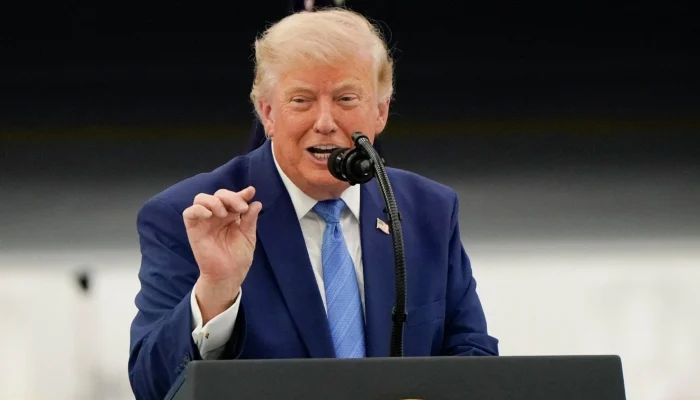
Despite strong historical ties with former President Donald Trump, which included significant U.S. investment commitments, Gulf leaders now seem more inclined to diversify their security alliances, given doubts over U.S. dependability. “They will deepen their relationship with the U.S., but also expand security partnerships elsewhere because they don’t see the U.S. as entirely dependable or predictable,” Hellyer explained.
Additionally, questions persist regarding the proposed $300 billion fund for Iran’s reconstruction, which the recent agreement notes will involve regional partners. An Emirati official clarified that the United Arab Emirates has no knowledge of such a fund and is not involved in its development, stating, “The UAE is not aware of any $300 billion fund and has no involvement in it.”
 ChatGPT
 Perplexity
 Gemini AI
 Grok AI