
Select Language:
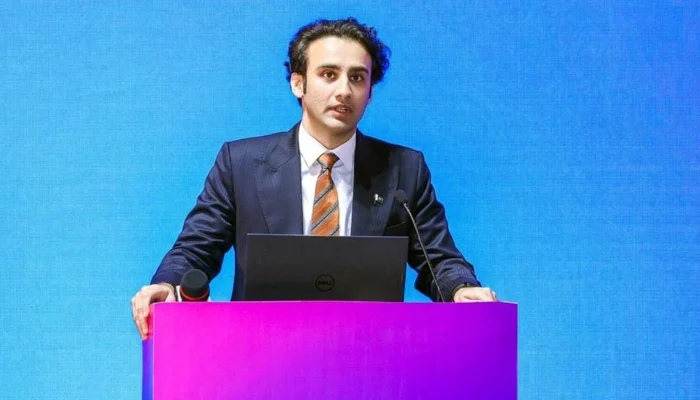
Pakistan Virtual Assets Regulatory Authority (PVARA) Chairman Bilal Bin Saqib emphasized the importance of a nuanced approach to digital assets. He highlighted the need for a thorough technical assessment of blockchain and related technologies, underscoring their diverse range of applications. Saqib pointed out that these digital assets should not be narrowly interpreted but understood within a broad context.
Following his constructive discussion with Mufti Muhammad Taqi Usmani, head of Wifaq-ul-Madaris Al-Arabia Pakistan and Darul Uloom Karachi, Saqib explained that their dialogue addressed the recognition and regulation of digital assets within Islamic law. Saqib mentioned that digital assets, including stablecoins and tokenized real-world assets, encompass a wide array of technological innovations and practical uses. He stated that such advancements require careful evaluation both from a technical standpoint and a Shariah perspective, rather than being judged through a single perspective.
Saqib expressed optimism about ongoing collaboration between scholars, regulators, and industry professionals to ensure Pakistan’s regulatory framework aligns with Islamic principles and keeps pace with technological developments. His comments arrived shortly after Mufti Usmani issued a fatwa declaring that cryptocurrencies do not qualify as property or wealth in Islamic law. Instead, he described them as mere records of notional numbers in an account, based on expert opinions.
Mufti Usmani strictly prohibited the purchase of goods using cryptocurrencies, whether through USDT (Tether) or other tokens. The fatwa responded to a query about the validity of transactions made with digital currencies. The individual asking the question had bought two books—one with a crypto token and the other with USDT—and sought guidance on whether these transactions were religiously valid. The decree advised returning the purchased books, deeming such transactions impermissible under Islamic law.
Additionally, the fatwa declared that acquiring educational courses through cryptocurrency was unlawful and incompatible with Islamic principles. It instructed the individual not to derive any benefit from the course and to delete it entirely, as the digital material was considered non-permissible.
Overall, the statements from Saqib and Mufti Usmani reflect an ongoing and evolving discussion about the intersection of emerging financial technologies and Islamic legal and ethical standards.
 ChatGPT
 Perplexity
 Gemini AI
 Grok AI