
Select Language:
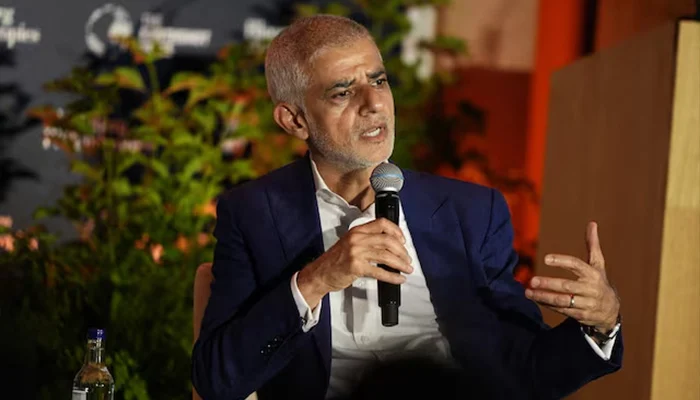
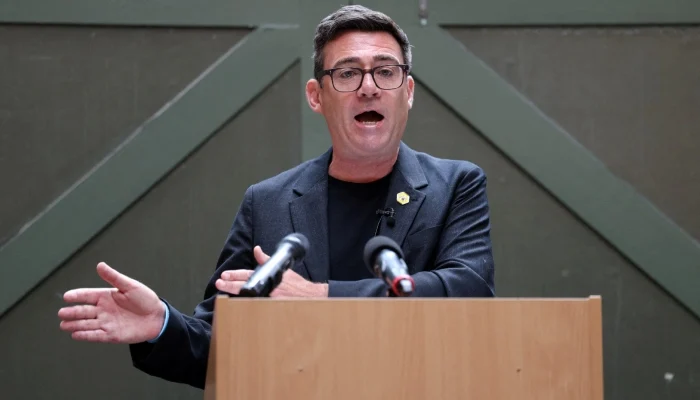
Andy Burnham, known as the “King of the North,” is set to become the leader of Britain’s Labour Party on Friday, marking the final step before potentially becoming the country’s seventh prime minister in just a decade. His main campaign focus is to resist the growing influence of Reform UK, a populist party.
During a special conference, Burnham, who earned his nickname due to his relentless efforts as Mayor of Greater Manchester to advocate for the region, is expected to win the leadership election with strong support from Labour lawmakers. This event is primarily a formality, as he is expected to officially replace Keir Starmer as Britain’s leader on Monday. At that point, the party will be eager to see his cabinet choices and gain insight into his governing plans.
At 56 years old, Burnham has been vocal about his domestic agenda, promising a significant shift of power from London to regional communities. He believes this move could reduce inequality and address the frustration of “left-behind” communities that have increasingly turned to Reform UK as an alternative.
His strategy to counter Reform UK’s rising popularity, driven by Nigel Farage and his populist message, has gained him favor among Labour MPs who fear losing parliamentary seats in the next national election, expected by 2029. Recent weeks have seen Farage’s campaign somewhat tainted by disclosures of funding from wealthy donors, which could give Burnham an opportunity to bolster Labour’s standing.
Time is pressing; with a general election potentially just three years away, Burnham must start executing his promises quickly. Many of his proposals involve long-term planning, making swift action crucial.
Nigel Wilcock, the executive director at the Institute of Economic Development, emphasized that Burnham has spent years advocating for a different approach to economic growth. However, transforming that vision into reality remains the key challenge ahead.
 ChatGPT
 Perplexity
 Gemini AI
 Grok AI