
Select Language:
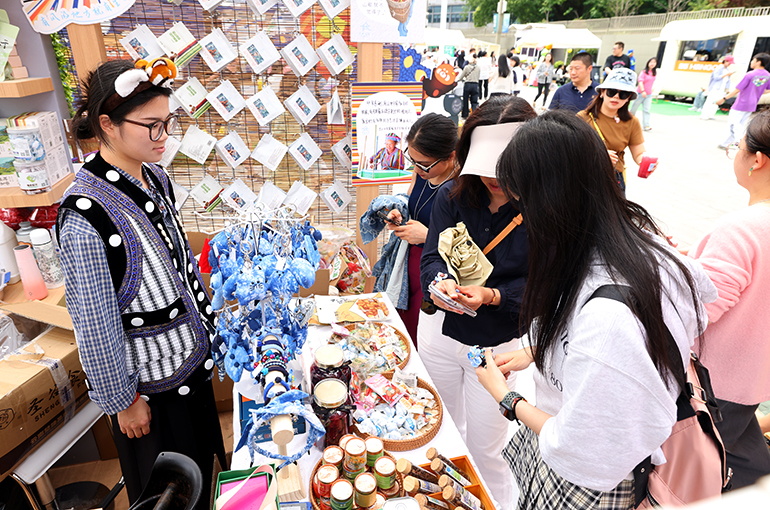
By 2030, China aims to develop a modern retail system characterized by well-planned layout, high-quality supply chains, diverse business models, smart convenience services, and healthy competitive practices.
The goal is to establish several influential retail scenarios, introduce innovative integrated business approaches, and foster a group of retail companies with strong international competitiveness, according to guidelines jointly issued by the Ministry of Commerce and eight other government bodies.
The policy framework features 20 measures focusing on coordinated planning for layout optimization, enhancement of product and service quality, balanced management of stock and sales growth, and creating a fair environment for both online and offline competition.
“To address the imbalance in retail infrastructure, a new saturation assessment mechanism for commercial facilities has been proposed, serving as a benchmark for project approvals and social investments,” stated Li Jialu, head of the commerce ministry’s retail industry development division, during a recent press conference.
The plan also emphasizes strengthening procurement quality control and traceability, cracking down on counterfeit goods sold both online and in physical stores, and encouraging platform operators and lessors to include metrics such as inspection pass rates and merchant return rates in their evaluations to boost consumer confidence, Li added.
Regarding market order regulation, the policy calls for promoting fair competition, enhancing antitrust reviews, regulating pricing, and advancing integrated oversight of both online and offline retail activities. It prohibits platforms from forcing merchants into promotional participation or shifting costs onto them, while also targeting malicious claims and extortion activities with strict measures.
Li highlighted that both online and offline retail are vital parts of the industry. An objective and balanced perspective is essential to guide online platforms in empowering offline stores, and to motivate offline businesses to adopt online strategies, all while maintaining fair competition.
China’s retail sector is currently undergoing a critical phase of transformation and upgrading, facing issues such as unbalanced layouts, supply and demand mismatches, and rising operational costs. Traditional hypermarkets and department stores are experiencing a decrease in customer foot traffic, leading to increased operational challenges, Li explained.
A recent joint survey by the China General Merchandise Retailers Association and Hong Kong University of Science and Technology’s HKUST Li & Fung Supply Chain Institute found that nearly 61 percent of department stores saw sales decline compared to the previous year, with 65 percent reporting decreased net profits.
E-commerce and discount chains are quickly gaining market share, while traditional hypermarkets continue to lose shoppers, according to Bain & Company research.
Online retail sales in China increased by 5 percent over the first five months of the year, reaching CNY 5.27 trillion (approximately USD 777.3 billion) and making up 29 percent of total retail sales, according to data from the National Bureau of Statistics.
 ChatGPT
 Perplexity
 Gemini AI
 Grok AI