
Select Language:
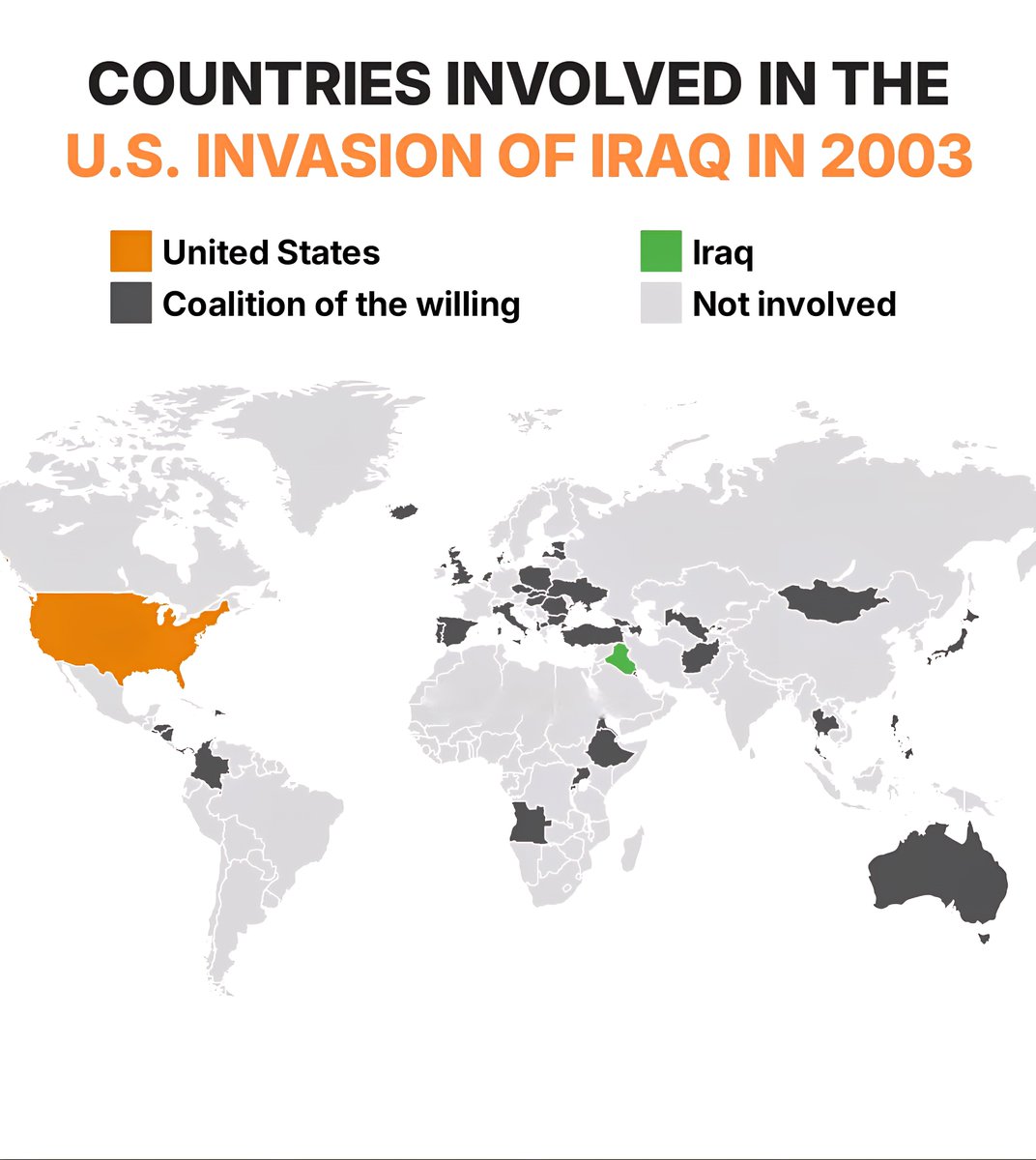
Key Players in the 2003 Invasion of Iraq
1. The United States: The Principal Actor
The United States played the dominant role in launching the invasion of Iraq in 2003, spearheading the military campaign that toppled Saddam Hussein’s regime. Fueled by claims that Iraq possessed weapons of mass destruction (WMDs) and alleged links to terrorism, the U.S. government mobilized troops and resources to initiate Operation Iraqi Freedom. The invasion marked a decisive shift in U.S. foreign policy in the Middle East, aiming to reshape regional dynamics and promote democracy. Despite significant debate and controversy surrounding the justification and aftermath, the U.S. maintained its military presence in Iraq for years, citing national security interests.
2. The Coalition of the Willing: The International Support
While the United States led the charge, a coalition of allied nations contributed forces, intelligence, and logistical support. Countries such as the United Kingdom, Australia, Poland, and Spain played critical roles during the initial phases of the military operation. Britain was a particularly close partner, with Prime Minister Tony Blair publicly supporting the invasion despite widespread public opposition. Other nations contributed smaller contingents or provided logistical support, showcasing the international community’s divided stance on the intervention. Over time, however, some coalition partners withdrew their troops, reflecting the contentious nature of the war.
3. Iraq: The Target and Consequence
Saddam Hussein’s Iraq became the battleground for the invasion, with the country’s government and military directly targeted by the coalition forces. Prior to the invasion, Iraq’s political environment was tense, with widespread suspicion of clandestine WMD programs and alleged ties to terrorist groups. The invasion resulted in Saddam Hussein’s removal from power, but it also plunged Iraq into years of chaos, insurgency, and sectarian violence. The power vacuum created a complex and often violent transition, severely destabilizing the nation and leading to a prolonged security crisis. The physical and human toll of the conflict remains a significant chapter in Iraq’s history.
4. Countries Not Involved: Neutral Players
Several nations chose to remain largely uninvolved in the 2003 invasion, either by abstaining from participating directly or by publicly opposing the military action. Countries in this category include traditional neutral states and those that voiced concerns or skepticism about the justification for the war. Their neutrality reflected a broader regional and global divide over the intervention, with many governments preferring diplomatic solutions or non-interventionist policies. Their stance underscored the international disagreement on the legitimacy and consequences of the invasion, emphasizing the war’s controversial status.
5. The Ongoing Aftermath and Geopolitical Impact
Nearly two decades after the initial invasion, the repercussions continue to reverberate across the Middle East and globally. The invasion significantly altered the geopolitical landscape, fueling insurgencies such as ISIS, which exploited the chaos to establish a brutal caliphate. The war also prompted discussions on international law, the role of intelligence, and leadership accountability. It affected the domestic politics of multiple nations, especially the United States, where debates over foreign intervention and military engagement remain heated. The long-term impact remains a subject of analysis as scholars and policymakers grapple with lessons learned from this pivotal moment in recent history.
[Image depicting the coalition forces during the invasion]
The 2003 invasion of Iraq remains one of the most defining conflicts of the 21st century, highlighting the complex interplay among national interests, international diplomacy, and regional stability. As the world reflects on its consequences in 2025, the debate surrounding the decision to invade continues to influence foreign policy debates and international relations.
 ChatGPT
 Perplexity
 Gemini AI
 Grok AI