Tag: UK

  • Burnham, the ‘King of the North,’ vows to rewire Britain as PM

    Burnham, the ‘King of the North,’ vows to rewire Britain as PM

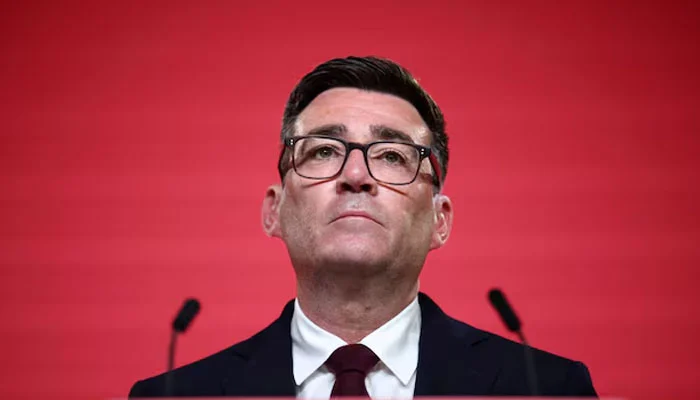
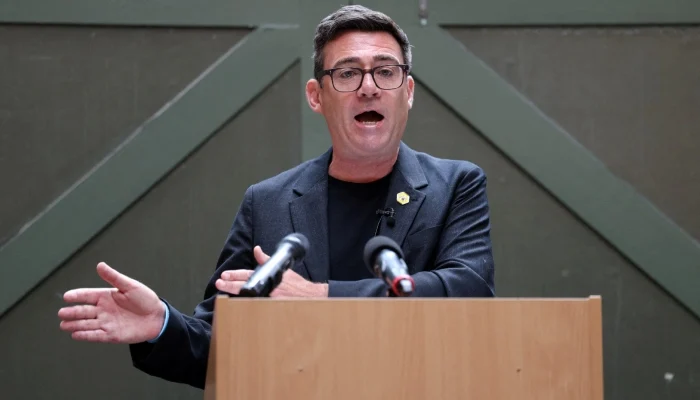
    Andy Burnham, known as the “King of the North,” will become Britain’s seventh prime minister in less than ten years this coming Monday, vowing to revamp the country’s systems to better address pressing issues like the ongoing cost-of-living crisis and declining public services.

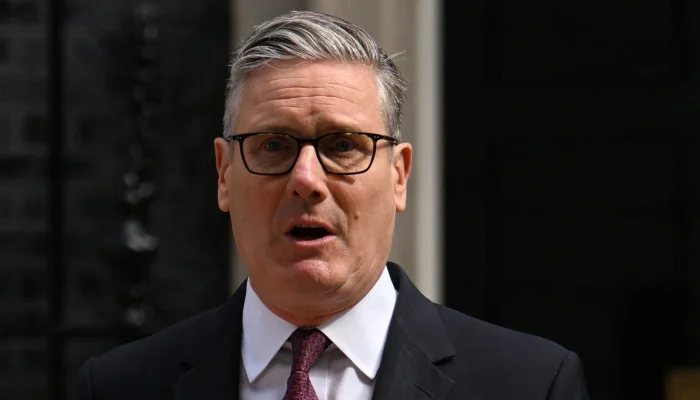
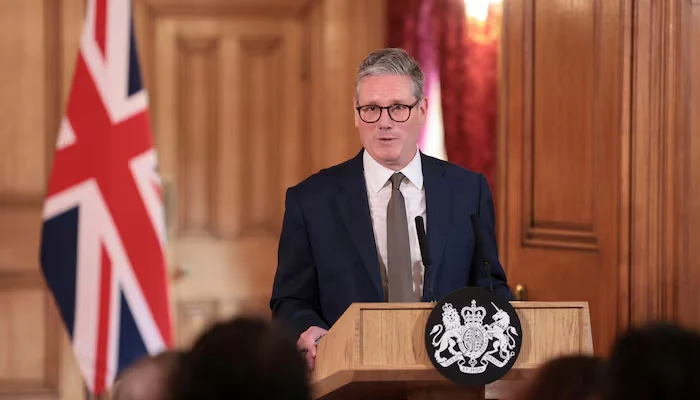
    Following Keir Starmer’s farewell speech outside his Downing Street office and his official resignation to King Charles, Burnham, the former mayor of Greater Manchester, will meet with the monarch to assume the premiership.

    The real work begins now.

    At age 56, Burnham faces a daunting array of challenges—from underperforming utilities to sluggish economic growth—and must quickly assemble his cabinet, which has already sparked intense debate within the Labour Party regarding its composition.

    Burnham describes his election as leader of the Labour Party as “the most significant turning point in our politics in four decades” and has pledged to radically transform Britain’s political landscape to swiftly improve living standards.

    “Starting next week, my government will clearly set out a new direction,” he stated on Friday, promising to bring hope and change to a country “crying out for it.”

    “Our goal is a nation where life is more affordable and all communities are uplifted from their current state.”

    This message was aimed directly at Labour lawmakers, who see Burnham as one of the few politicians capable of diminishing the threat posed by Nigel Farage’s populist Reform UK party—something many believed Starmer lacked the popularity or influence to do.

    One of Burnham’s immediate priorities will be choosing his cabinet, especially the finance minister—an essential appointment that has historically determined the success or failure of government coalitions.

    Early favorites for the role include Ed Miliband, the energy security and net-zero minister, though he has faced some opposition, with Shabana Mahmood, the interior minister, now considered the leading candidate.

    Burnham has urged his party to disregard “speculation” and has not yet finalized his cabinet team.

    His early policy moves will also be closely watched, particularly his plans around taxation, public spending, oil and gas policies, and efforts to bring underperforming utilities under stronger government control.

    In an early sign of his approach, Burnham’s team announced the cancellation of a digital ID scheme for employees—an initiative intended to combat illegal migration but labeled a “fiasco” by a bipartisan committee.

    Going forward, key decisions will focus on laying out a new economic framework and tackling issues like utility regulation and public control, especially in struggling firms like Thames Water. Deputy Labour leader Lucy Powell indicated that Thames Water might be placed under “special measures,” meaning increased government oversight.

    “Burnham aims to redirect and prioritize government resources to address the cost of living and fundamentally rewire how the economy functions,” she told Sky News.
  • Andy Burnham poised to lead Labour and become UK Prime Minister

    Andy Burnham poised to lead Labour and become UK Prime Minister

    Andy Burnham, known as the “King of the North,” is set to become the leader of Britain’s Labour Party on Friday, marking the final step before potentially becoming the country’s seventh prime minister in just a decade. His main campaign focus is to resist the growing influence of Reform UK, a populist party.

    During a special conference, Burnham, who earned his nickname due to his relentless efforts as Mayor of Greater Manchester to advocate for the region, is expected to win the leadership election with strong support from Labour lawmakers. This event is primarily a formality, as he is expected to officially replace Keir Starmer as Britain’s leader on Monday. At that point, the party will be eager to see his cabinet choices and gain insight into his governing plans.

    At 56 years old, Burnham has been vocal about his domestic agenda, promising a significant shift of power from London to regional communities. He believes this move could reduce inequality and address the frustration of “left-behind” communities that have increasingly turned to Reform UK as an alternative.

    His strategy to counter Reform UK’s rising popularity, driven by Nigel Farage and his populist message, has gained him favor among Labour MPs who fear losing parliamentary seats in the next national election, expected by 2029. Recent weeks have seen Farage’s campaign somewhat tainted by disclosures of funding from wealthy donors, which could give Burnham an opportunity to bolster Labour’s standing.

    Time is pressing; with a general election potentially just three years away, Burnham must start executing his promises quickly. Many of his proposals involve long-term planning, making swift action crucial.

    Nigel Wilcock, the executive director at the Institute of Economic Development, emphasized that Burnham has spent years advocating for a different approach to economic growth. However, transforming that vision into reality remains the key challenge ahead.

  • London Mayor Khan joins Lords as PM Starmer unveils 26 new appointees

    London Mayor Khan joins Lords as PM Starmer unveils 26 new appointees

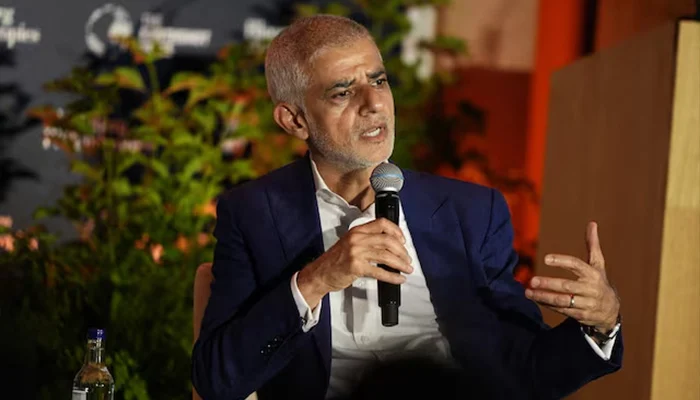
    London’s British-Pakistani Mayor, Sir Sadiq Khan, has received a life peerage following Prime Minister Sir Keir Starmer’s announcement of 26 new appointments to the House of Lords, made prior to his departure from office. Sir Sadiq, the UK’s most senior Muslim politician and the first Muslim Mayor of London, is among 16 political figures appointed by Sir Keir. He will serve in the House alongside former Cabinet Secretary Sir Chris Wormald and retired senior judge Sir Brian Leveson, both of whom will sit as crossbench peers.

    Downing Street confirmed that King Charles III had graciously agreed to confer peerages on the new appointees. Government insiders praised Sir Sadiq, describing him as a “brilliant mayor who has transformed London for the better,” highlighting significant decreases in violent crime, improved air quality, the successful launch of the Elizabeth Line, and increased council housing construction.

    A City Hall spokesperson expressed that serving as mayor has been “one of the greatest privileges of Sadiq’s life,” reaffirming his commitment to shaping a fairer, safer, and greener London for all residents. The spokesperson also noted Sir Sadiq’s pride in receiving the peerage. He has not indicated plans to seek a ministerial role or yet decided on running for another term as mayor—a position he has held since his historic election in 2016.

    Born in Tooting, South London, to Pakistani immigrants from Islamabad, Sir Sadiq is the son of a bus driver and a seamstress. Raised on a council estate, he studied law, initially working as a human rights solicitor before entering politics as Labour’s Member of Parliament for Tooting. His rise from a working-class British-Pakistani family to London’s mayor is often celebrated as one of Britain’s most remarkable political success stories.

    In addition to Sir Sadiq’s appointment, Sir Keir endorsed five peerage nominations from Liberal Democrat leader Sir Ed Davey and three from Conservative leader Kemi Badenoch. The House of Lords, which currently comprises approximately 774 members, remains one of the world’s largest legislative chambers. Although Labour is in government, the Conservative Party maintains a slight lead with 246 peers compared to Labour’s 216, with 156 crossbenchers and 74 Liberal Democrat peers.

  • 12 Arrested in UK Plot Targeting Tablighi Jamaat Gathering

    12 Arrested in UK Plot Targeting Tablighi Jamaat Gathering

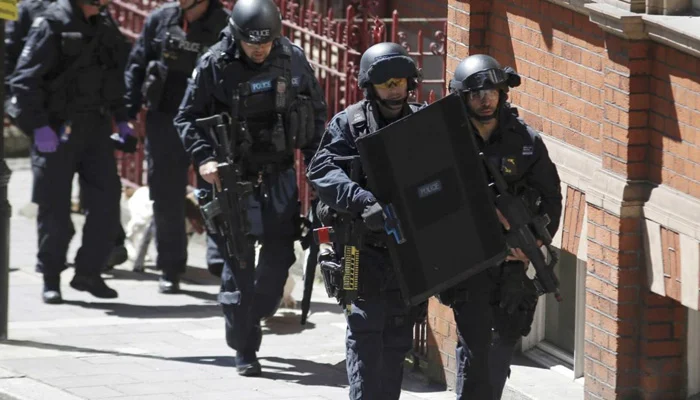
    Twelve individuals have been detained in connection with a right-wing terror threat targeting an Islamic event organized by Tablighi Jamaat at a rural estate in Suffolk, according to law enforcement authorities.

    Counter Terrorism Police in London reported that the UK Ijtima gathering hosted by Tablighi Jamaat at Shrubland Hall was concluded early on Sunday as a precaution due to a potential threat.

    Home Secretary Shabana Mahmood stated that police actions in response to a credible threat to the UK Ijtima festival undoubtedly played a role in saving lives.

    She emphasized: “This is deeply concerning news for British Muslims. We must stand united against hatred and promote a country that is welcoming, generous, and tolerant of all communities.”

    Suffolk Constabulary’s Assistant Chief Constable Alice Scott acknowledged that the arrests and the circumstances surrounding them might cause anxiety within local communities. To help reassure residents, police will maintain a visible presence near Shrubland Hall in the upcoming days and encourage community members to approach officers with questions.

    She explained that early Sunday morning, authorities declared a major incident, coordinating multiple agencies to ensure the safe and organized departure of approximately 15,000 event attendees. The incident status was lifted earlier on Monday.

    Scott added: “This situation was complex and developed rapidly. Our main goal was to ensure the safety of everyone involved. We appreciate the calmness shown by the organizer and attendees during these challenging circumstances, and we can confirm that all individuals left the site safely.”

    Helen Flanagan, the head of Counter Terrorism Policing in London, said: “Once we identified a serious potential threat targeting the Suffolk gathering, we responded swiftly with multiple arrests across the country. I thank Suffolk Police for their ongoing support, which was instrumental in declaring a major incident on Sunday. I also appreciate the cooperation of the event organizers and the public impacted by these events.

    While this news may be troubling, especially for the Muslim community who believed the threat was directed at an Islamic event, our commitment is to act decisively against any potential danger, regardless of the target. Although the event ended early, it was conducted in a safe manner.

    This incident serves as a stark reminder that the UK’s threat level remains at ‘severe,’ and the public should stay alert and report anything suspicious.”

  • Experts warn as UK heatwave fuels surge in AC demand

    Experts warn as UK heatwave fuels surge in AC demand

    Zainab Hussain, a resident of London, once considered air conditioning a luxury in Britain. Today, at age 35, she finds it hard to imagine surviving without it. She and her husband are among a growing number of British households turning to air conditioning to cope with increasingly intense summer heat.

    Critics, especially sustainability experts, warn against viewing AC as the default solution. Rajat Gupta, a professor of sustainable architecture and climate change at Oxford Brookes University, explained, “It’s often seen as a quick fix, but it can cause significant harm.” He pointed out that air conditioning ramps up electricity consumption, boosts energy bills, and increases carbon emissions. Moreover, it worsens the urban heat island effect by releasing hot air into city streets.

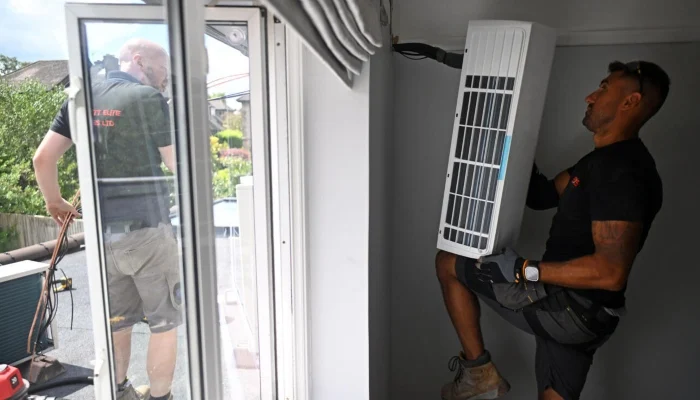
    Despite this, after enduring a second fierce heatwave last month that kept them up at night, the Hussain family decided to install an air conditioner upstairs in their semi-detached home in Selsdon, South London. “Our summers have been getting more and more unbearable, so we knew we had to have one for the downstairs area,” Hussain said. She added, “But after last week’s heatwave, we realized that even upstairs was starting to feel unbearable,” as workers installed their new unit.

    Only about 5% of homes in Britain currently have air conditioning, while nearly half overheat during summer, according to a 2025 report by the Center for British Progress, a non-partisan think tank. The report emphasizes the urgency of increasing AC adoption due to the rising risks of heat-related deaths—numbers in the low thousands annually—and the decline in worker productivity caused by excessive heat.

    The trend of hotter summers is evident as records keep tumbling. Last month marked the warmest June in England since records began in 1884, and all five of Britain’s hottest summers have occurred in the 21st century, with the previous year topping the list as the hottest. Climate scientists attribute this to human-induced climate change, which makes such extreme weather events more frequent and severe.

    Joe Springett, an air conditioning installer with nearly two decades of experience, has noticed a shift in his business. “I’m getting busier with residential installations every year,” he said while fitting Hussain’s new unit. “As soon as the heat hits, the phones start ringing—everyone wants cooling now.” After the recent heatwave, Springett’s schedule was packed for weeks, and stock shortages became common.

    For those who lack outdoor space or cannot afford premium units—costing several thousand dollars including installation—more affordable, portable options are becoming popular. Retailers report a surge in demand, with some portable AC units already sold out. B&Q, a leading home improvement retailer, noted that searches for portable units have doubled compared to the previous year.

    Rajat Gupta advocates for a more sustainable approach. He encourages building retrofits that incorporate shading, improved ventilation, and other eco-friendly measures, rather than relying solely on air conditioning. He believes AC should be reserved for vulnerable populations, such as those in care homes and hospitals. “In homes, widespread use isn’t yet common, and it’s better to keep it that way,” Gupta stated. “Use it only when necessary, and only where it’s needed.”

    In the UK, operating costs for AC vary widely depending on the system’s efficiency and usage patterns. Some estimates suggest that high-power units can add hundreds of pounds to monthly electricity bills. John Calautit, a sustainability lecturer at University College London, is skeptical about widespread AC use. He notes that most British buildings are designed to retain heat and aren’t built to handle extreme warmth. “We should focus on simple solutions like shading, reflective materials, and natural ventilation,” he advised. “If those don’t suffice, then we consider mechanical cooling options.”

    Springett believes Britain must adapt to climate realities. For the Hussain family, with south-facing windows exposed to direct sunlight all day, installing an air conditioner felt like their only choice. “We’re home so much more now, especially with remote work. It’s not just about comfort; it’s about being able to function properly in our own house,” Hussain explained.

  • UK Expands Refugee Sponsorship Program

    UK Expands Refugee Sponsorship Program

    UK authorities have revealed plans to introduce new pathways for asylum seekers, drawing inspiration from Canada’s community sponsorship model. This year, the system will be operational, with organizations and select trusted universities authorized to sponsor refugees. The first arrivals under this scheme are anticipated by autumn 2027. Additionally, a sponsorship route for employers is expected to launch next year, according to Home Office statements.

    Immigration and asylum policies remain highly contentious in the UK, especially given the rising popularity of the far-right Reform UK party, which capitalizes on anti-immigrant rhetoric. Keir Starmer, who recently stepped down as Prime Minister but will stay in office until his successor is appointed, has taken a tough stance on immigration since taking power two years ago. Next week, his government plans to propose legislation to tighten asylum regulations, making deportation of unsuccessful applicants easier and limiting family reunions for refugees to immediate family members.

    Details about the immigration policies that his potential successor, Andy Burnham—who might replace Starmer as early as July—plans to pursue remain unclear. Burnham has acknowledged concerns about migration during his recent bid for Parliament. It’s also uncertain whether Shabana Mahmood, who has been a prominent advocate for the government’s strict immigration measures, will retain her position under the next Prime Minister.

    Mahmood stated, “I will open new legal routes for genuine refugees while closing loopholes that have too often been exploited.” The new sponsorship framework will operate at a significantly higher capacity than the UK Resettlement Scheme, which facilitated the admission of around 800 individuals in the year ending September 2025. The Home Office has not specified the exact number of refugees set to benefit from this introduction but confirmed the scheme will have a cap.

    Previous sponsorship initiatives have focused on resettling refugees from countries like Syria and Afghanistan. Earlier this year, Mahmood faced criticism from both charities and members of her party over regulations such as temporary refugee statuses and bans on education visas for nationals from Afghanistan, Myanmar, and Sudan.

  • UK PM Keir Starmer announces his resignation

    UK PM Keir Starmer announces his resignation

    Prime Minister Keir Starmer announced on Monday that he will step down from his position, with a new leader expected to be in place by the parliamentary session’s return in September. This move will mark Britain’s seventh Prime Minister in a decade.

    Less than two years after securing a decisive electoral victory promising stability, Starmer acknowledged that his party desires a change in leadership. Nominations for his successor will open on July 9, with Andy Burnham emerging as the leading candidate.

    “The current question for my party is whether I am best suited to lead us into the next general election,” Starmer stated. “I’ve listened to my parliamentary colleagues’ verdict on that, and I accept it graciously.”

    The pressure mounting against Starmer has intensified over months. It surged significantly last Friday when Burnham, the mayor of Greater Manchester, won a notable parliamentary election, defeating a candidate from Nigel Farage’s Reform UK party, which has led the national opinion polls for over a year.

    This victory has bolstered hopes among Labour lawmakers that Burnham, recognized for his communication skills and long-standing political career, could revitalize a party that has seen declining support under Starmer. Currently, Starmer’s approval ratings are at their lowest for any British leader in recent history.

    Starmer expressed gratitude to his colleagues, his voice faltering with emotion as he also paid tribute to his wife and children. Following his announcement, the British pound and government bonds remained stable, reflecting investor awareness of the transition.

    Nevertheless, the change in leadership carries inherent risks. Burnham has yet to clarify his stance on foreign policy, economic issues, and defense matters. Like Starmer, he might face constraints from bond market investors wary of increased borrowing, coupled with a public that feels the country’s systems are broken.

    Britain already endures the highest borrowing costs among G7 nations, burdened by substantial debt, persistent interest payments, sluggish economic growth, spending cuts, and the necessity to invest in key sectors like defense.

    Experts are divided on whether Burnham, who last September argued that Britain needs to move beyond reliance on bond markets, will prioritize market reassurance in his leadership. He has since stated he was misunderstood.

    Economists at Citibank warn that a Burnham administration would inherit a fragile fiscal situation with limited tools to implement significant change.

    Starmer had pledged to contest any formal leadership challenge but appeared to change his position over the weekend. The successor will become Britain’s seventh Prime Minister since the Brexit referendum anniversary this week—a testament to the country’s ongoing political turbulence amid frustrations over living standards, public services, and immigration issues.

    Some analysts suggest that a strategic move might be for Starmer to announce his resignation in September, allowing him to participate in a UK-EU summit in July and giving Burnham time to prepare for government.

  • Starmer Faces Mounting Pressure to Resign, UK Political Future in Question

    Starmer Faces Mounting Pressure to Resign, UK Political Future in Question

    British Prime Minister Keir Starmer is contemplating his political future after Andy Burnham’s commanding victory in the parliament elections sparked increasing calls from ministers within the Labour Party for Starmer to step down. Facing some of the lowest approval ratings for a modern British leader, sources suggest he may decide as early as Monday whether to resign or challenge Burnham in a leadership race.

    Burnham’s impressive win for a parliamentary seat in northwest England on Friday has intensified the pressure on Starmer, with numerous lawmakers and officials privately urging him to outline a timeline for his departure, clearing the path for the former Mayor of Greater Manchester. An insider indicated that Starmer is spending the weekend reflecting on his position and discussing it with family, with an upcoming conversation with Burnham expected to provide clarity.

    A source close to the situation mentioned, “Keir tends to take time to think things through.” Compounding the situation, former U.S. President Donald Trump posted on his Truth Social platform that “Keir Starmer will resign as Prime Minister of the United Kingdom,” criticizing his record on immigration and North Sea oil production.

    Starmer’s declining popularity was starkly displayed in Labour’s significant losses in local elections last May, and internal polls suggest Burnham would win a leadership contest. If Burnham were to become the leader, he would be Britain’s seventh prime minister in just a decade.

    Reports from Sky News indicate that Foreign Minister Yvette Cooper privately urged Starmer to resign during a weekend conversation. Her spokesperson did not immediately comment. The widespread coalescence of support for a leadership change has led many to believe Starmer’s resignation is merely a matter of timing.

    Just days earlier, Starmer publicly stated he would participate in any formal Labour leadership race to replace him. While his team argues that his 2024 national election victory grants him a mandate until 2029, some within his administration acknowledge he is contemplating the political challenges he faces.

    Business Minister Peter Kyle spoke with Starmer last Friday, describing him as questioning what the country expects from him and acknowledging the difficult circumstances surrounding his leadership. Kyle emphasized that although political hurdles remain, nothing about the future is predetermined.

    The situation remains fluid. Burnham’s landslide win over Reform UK in Makerfield has further amplified calls for a transition, with his campaign team hopeful that Starmer will consider an orderly handover of power. As of now, there has been no indication that the two have spoken directly.

    Former minister Jess Phillips, who supports fellow Labour figure Wes Streeting, said, “It feels like we’ve reached the end of the road,” emphasizing that Starmer’s departure, if it occurs, should be dignified.

  • Report suggests PM Keir Starmer may resign this Monday

    Report suggests PM Keir Starmer may resign this Monday

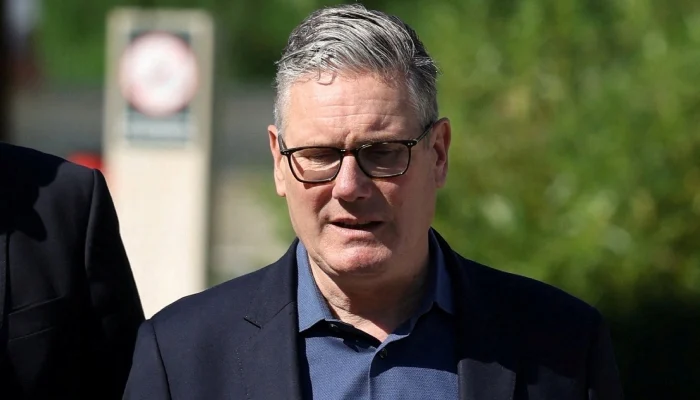
    Britain’s Prime Minister Keir Starmer walks through a housing development in North London on June 19, 2026, as reported by Reuters.

    Pressure on Starmer intensified after Andy Burnham entered Parliament as more than 100 Labour lawmakers reportedly called for him to step down. Wes Streeting also indicated his readiness to challenge Starmer’s leadership.

    According to The Observer, Starmer was contemplating his future with his wife at his Chequers residence before making a final decision, with expectations of a clear statement coming as soon as Monday. Meanwhile, a government source emphasized that Starmer remains committed to his responsibilities, citing his previous public remarks to that effect.

    Starmer, who led the center-left Labour party to a decisive victory in 2024, has seen his popularity decline sharply due to scandals and policy reversals, fostering a perception that he cannot fulfill his promises to improve living standards. If he resigns or is ousted, Britain would see its seventh prime minister in just over ten years — a record high in nearly two centuries, reflecting widespread frustrations with government failures on public services and immigration.

    Over a quarter of Labour MPs—more than 100 members—have openly expressed their desire for Starmer to leave or to set a timetable for his departure, according to Reuters. The Observer noted that Starmer concluded his position was untenable after discussions with ministers, advisors, donors, and trade union leaders.

    Many in Labour see Burnham, 56, a seasoned politician and mayor of Greater Manchester, as the likely successor, whether through a negotiated transfer of power or a formal leadership race. Burnham, who secured a parliamentary seat on Friday, did not immediately challenge Starmer but used his victory speech to pledge a new direction for the country. His allies have urged Starmer to voluntarily step aside.

    Wes Streeting, a former health minister, has also expressed willingness to challenge Starmer. Reports indicate that Burnham might dismiss Finance Minister Rachel Reeves if he becomes prime minister, citing a need for a greater change in direction; however, Reuters could not verify this information.

  • UK Bans Hasan Piker and Cenk Uygur Over Israel Criticism

    UK Bans Hasan Piker and Cenk Uygur Over Israel Criticism

    Digital Phablet – Controversial Twitch streamer Hasan Piker (also known as HasanAbi) and broadcaster Cenk Uygur have reportedly been denied entry into the United Kingdom by the Home Office ahead of SXSW London, where they were scheduled to speak.

    Uygur shared on X (formerly Twitter), stating, “I’ve been banned from the UK. I tried to catch a flight to London to attend SXSW London and deliver a speech at Oxford. I’ve been banned for criticizing Israel. Are we still free? This feels like suppression of Western citizens by our own governments on behalf of a foreign nation!”

    He further commented on the same platform that the UK has labeled him “a serious threat to public order” due to his criticisms of Israel.

    In response, Piker revealed, “the UK has also canceled my visa. All of this at Israel’s request. The West is sacrificing ‘liberal values’ for a genocidal, fascist foreign government. Soon, we will all be Israeli.”

    UK bans Hasan Piker and Cenk Uygur over comments on Israel

    Both Piker and Uygur were set to speak at SXSW London — Piker was to discuss “How the American Left Learned to Speak the Internet,” while Uygur planned to present on “Techno-Feudalism Is Here. Who Are the Lords?”

    According to The Times of London, UK Home Secretary Shabana Mahmood revoked Uygur’s electronic travel authorization (ETA), which permits travel for up to six months, citing concerns that his presence was “not in the public interest.” The decision reportedly followed Uygur’s controversial remarks regarding the country’s grooming gangs scandal and comments he made about the October 7 attacks in 2023, which some considered antisemitic.

    Both figures have consistently expressed their pro-Palestinian views on social media and political programs such as Piers Morgan Uncensored. Their stance stems from the ongoing Israeli military operations in Gaza since 2023, which have resulted in the deaths of over 72,000 Palestinians and injured more than 172,000, including women and children, according to medical sources in the region.

    Medical reports indicate that many victims remain trapped beneath the wreckage following ongoing bombings.

    [Video Content Embedded]

  • AUKUS Partners to Develop Payloads for Autonomous Undersea Vehicles

    AUKUS Partners to Develop Payloads for Autonomous Undersea Vehicles

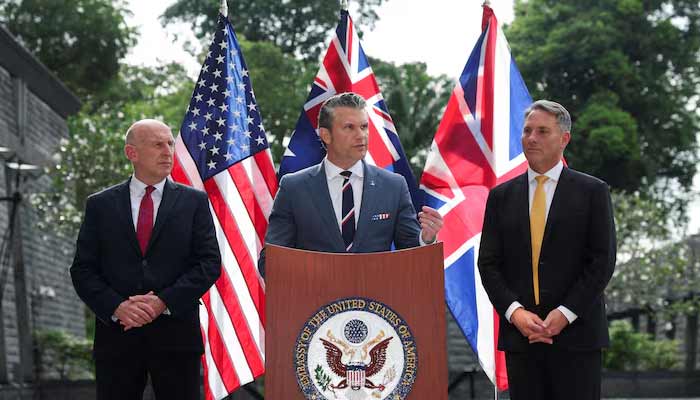
    The United States, Australia, and the United Kingdom are working together to develop advanced underwater drone payloads as part of their trilateral security alliance, announced Pentagon Secretary Pete Hegseth on Saturday.

    Hegseth met with his Australian and British counterparts during the Shangri-La Dialogue in Singapore, where they discussed progress on the AUKUS agreement, designed to strengthen their military presence in the Indo-Pacific region and beyond.

    “Today, we’re excited to reveal the first major project under AUKUS Pillar 2, focusing on deploying sophisticated uncrewed underwater vehicles, or UUVs,” Hegseth explained to reporters at a briefing held at the U.S. embassy in Singapore.

    “This project will provide a range of highly versatile, multi-mission UUV payloads engineered to enhance undersea operations and sustain our collective maritime edge,” he added.

    While Pillar 1 of AUKUS involves Australia acquiring nuclear-powered submarines armed with conventional weapons, Pillar 2 leverages the defense capabilities of each member country to develop cutting-edge military technologies.

    The alliance is presented as supporting a “free and open Indo-Pacific,” but many see it primarily as a strategic measure against China’s growing influence, which strongly opposes the partnership.

    British Defense Secretary John Healey mentioned that the planned technology, including a “spectrum of advanced sensors and weapons systems” for undersea drones, will quickly arm our forces with the latest battlefield technology. These systems are intended to be mounted on autonomous underwater vehicles, he said.

    Underwater infrastructure security has become a key focus at Asia’s leading defense summit held recently in Singapore.

    “The seabed has emerged as a major arena of contest over the past 18 months,” Australian Defense Minister Richard Marles told attendees earlier. “We’ve seen a series of incidents targeting subsea critical infrastructure at a scale and frequency that’s without precedent in history.”

    Over the past two years, several seabed cables have been damaged by ships, affecting regions from the Baltic to Asia. Nearly all of Australia’s internet traffic passes through just 15 underwater cables, according to Canberra’s top diplomat.

    “Our economy and government operations depend heavily on infrastructure that cannot move and is exposed to threats,” he emphasized. “As demonstrated in the Baltic, this infrastructure can be severed with an anchor in the dead of night.”

  • UK Ex-Minister Announces Bid to Replace Starmer as PM

    UK Ex-Minister Announces Bid to Replace Starmer as PM

    Wes Streeting, Britain’s former Secretary of State for Health and Social Care, arrived at 10 Downing Street in London for a Cabinet meeting. He has called for a genuine competition to replace Prime Minister Keir Starmer, emphasizing the need for a proper leadership contest. In his resignation letter, Streeting expressed that he “lost confidence” in Starmer’s leadership, citing a lack of vision and clear direction. During a speech on Saturday, he announced his intention to run, stating, “I’ll be standing,” although he has not yet officially entered the race.

    Widely recognized as one of Labour’s most effective communicators, Streeting is a lively 43-year-old who comes from a working-class background and leans towards the right of the center-left party. His visibility has increased this election cycle, especially as the head of the department responsible for the NHS in England, a vital yet strained institution. Rumors about his ambition to challenge Starmer have circulated for months, fueled by the ongoing political difficulties faced by the current leader. Some Labour colleagues remain skeptical about either the wisdom of a leadership contest or Streeting’s suitability for the role.

    Critics describe Streeting as having “acute political sense” and strong communication skills, qualities praised by political analyst Steven Fielding from the University of Nottingham. Nevertheless, questions remain regarding how well his centrist, pro-market, and anti-Brexit views align with the current Labour Party climate, and how different he would be from Starmer.

    Streeting often highlights his humble origins, being born to teenage parents and raised in a municipal housing complex in East London. He has shared stories like his maternal grandmother giving birth in a London prison and his grandfather’s past as an armed robber associated with notorious London gangsters, including the Kray Brothers. He states, “My family… are very, very far removed from the Westminster bubble.” After attending a state school and studying at Cambridge University, he entered politics via the progressive think tank Progress, founded in the 1990s by allies of Tony Blair.

    Elected as an MP for an East London constituency in 2015, Streeting was a critic of Labour’s shift to the left under Jeremy Corbyn and only joined the shadow cabinet after Starmer replaced Corbyn. As health secretary, he managed to reduce hospital waiting times, but has had a contentious relationship with some sectors, including striking junior doctors. An ex-senior Labour adviser noted that he “had the opportunity to be a major public service reformer and hasn’t really done it.”

    However, Professor Patrick Diamond from Queen Mary University of London believes Streeting “offers much of what Labour currently lacks” and appreciates his authentic working-class background and ability to connect with voters. Despite this, his approval ratings remain modest—according to a YouGov tracker, he is disliked by 30% of respondents and favored by only 12%, ranking him 52nd among British politicians.

    Openly gay and an Anglican, Streeting has spoken about his faith making it difficult to accept his sexuality. Known for his extroverted personality, he gained attention for singing Robbie Williams’ “Angels” at a Labour conference, jokingly adding “I’m loving Starmer instead.” Last September, he dismissed the idea of challenging Starmer as “disrespectful.” Some see his eagerness for power as a possible flaw, with critics suggesting that his persistent ambition may prove his undoing.

    In 2023, he authored a memoir titled “One Boy, Two Bills and a Fry Up,” which has been described as oddly dull yet unexpectedly captivating. Critics note that publishing it before turning 40 can be seen as a sign of his ambition. Streeting’s longstanding connections with Labour heavyweight Peter Mandelson have also drawn criticism, especially given Mandelson’s controversial history, including his departure from his role as US ambassador over links to Jeffrey Epstein. Streeting denies close friendship with Mandelson.

  • Potential Candidates to Replace Keir Starmer as Britain’s PM

    British Prime Minister Keir Starmer faces mounting pressure to step down after over 80 Labour Party lawmakers declared he is not the right person to lead the nation and secure the upcoming general election. Despite this, he has committed to remaining in his position as no formal leadership challenge has yet been initiated.

    If Labour opts to select a new leader, here are some prominent contenders considered potential replacements for Starmer:

    Wes Streeting, 43
    Having served as the Minister of Health and Social Care since Labour’s return to power in July 2024, Streeting oversees the publicly funded NHS, managing a budget exceeding 200 billion pounds. He is perceived as a centrist within the party, promoting fiscal discipline consistent with Starmer’s approach. Additionally, he has publicly supported policies to boost defense spending. Once a protégée of Peter Mandelson—whose former link to Jeffrey Epstein led to Mandelson’s dismissal—Streeting has expressed embarrassment about his past association but denies close ties. During his first year as health minister, he approved a 22% salary increase for resident doctors over two years to resolve a pay dispute, though strikes have since resumed. Representing an east London constituency since 2015, he narrowly won re-election in 2024 by just 528 votes, making his seat competitive for the next election. Growing up in a working-class family, Streeting is Britain’s first openly gay prime minister. He attended Cambridge University, financing his education through retail jobs, and served as president of the National Union of Students.

    Andy Burnham, 56
    As the mayor of Manchester, Burnham is among Labour’s most prominent figures. Although he currently cannot participate in a leadership race due to not being an MP, he has expressed intentions to return. His past attempts at parliamentary seats were blocked by Labour’s National Executive Committee, which his supporters claim seeks to prevent him from challenging Starmer. Burnham held the deputy finance minister role under Gordon Brown and ran twice for Labour’s leadership, notably losing to Jeremy Corbyn in 2015. Since becoming Manchester’s mayor in 2017, he remains influential within the party, especially among the left faction criticizing Starmer’s centrist policies. In recent remarks, Burnham sought to assure investors of economic stability under his vision, clarifying that his earlier comment about Britain needing to stop being “in hock to the bond market” was misinterpreted.

    Angela Rayner, 46
    Recognized as a leading party figure, Rayner resigned from her roles as deputy prime minister, deputy leader, and housing secretary in 2025 after disclosing she had unintentionally underpaid taxes on a property and was found to have violated ministerial conduct rules. Her ongoing legal issues prevent her from mounting a leadership bid. She has, however, publicly called for Burnham to return to Parliament, hinting she may choose not to run herself. Positioned more closely aligned with the party’s socialist roots than Starmer, she has championed legislation expanding workers’ rights, supported wage increases, and called for increased public spending. While publicly advocating fiscal restraint, reports from 2025 indicate she argued for higher taxes. Her background includes growing up in poverty on a social housing estate, working as a care worker and trade union official before entering Parliament in 2015. Her personal journey from teenage motherhood to political leadership provides her with an authentic voice appreciated within Labour circles.

    Ed Miliband, 56
    Energy minister Miliband, a senior member of Starmer’s cabinet, has been linked to a potential return to lead Labour, after previously serving as leader from 2010 to 2015. He claims his past experience has reduced his desire to seek the leadership again. A strong advocate for pursuing net-zero energy policies, Miliband previously served in government under Tony Blair and Gordon Brown. In 2010, he defeated both his brother David and Burnham in the leadership race, promoting a centrist vision for the party.

    Shabana Mahmood, 45
    An MP since 2010, Mahmood rapidly rose through ministerial ranks to become Home Secretary in September after serving as Justice Minister. She is notably the first Muslim woman to hold either position. Known for her tough stance on immigration, she emphasizes it as vital to countering the right-wing Reform UK party and addressing voter concerns. Critics argue her strict policies alienate progressive supporters, and she faces opposition from the left within Labour.

    Al Carns, 46
    Elected in 2024, Carns is a junior defense minister believed to be an outsider candidate with appeal among newer lawmakers seeking a fresh voice. A veteran of the Royal Marines and Afghanistan, Carns advised Conservative defense ministers before entering politics. Last year, he participated in an Everest climb in under seven days to test xenon gas for rapid acclimatization.

  • UK’s Starmer rejects calls to resign, focuses on governance

    A junior minister has resigned, urging the government to establish a clear timetable for leadership change. Over 80 members of Parliament are calling on Prime Minister Keir Starmer to set a resignation date, so a smooth transition can occur. Despite intense pressure, Starmer announced he would continue focusing on governing, dismissing recent calls for his departure following a severe election loss. During a cabinet meeting, he emphasized that while he accepts responsibility for the defeat, there’s no official move to trigger a leadership race.

    Starmer highlighted the instability of the past 48 hours, noting it’s damaging the economy and burdening families. He reaffirmed his commitment to government, stating, “The country expects us to focus on governing. That’s what I am doing, and that’s what we must do as a cabinet.” The market responded mildly with some rises in government bonds, but the overall trend remained negative for the day.

    This stance stands in contrast to many within his party. Several aides and more than 80 Labour lawmakers have publicly demanded he announce a resignation date, aiming for an orderly leadership transition. Last Monday, Starmer pledged to tackle Britain’s numerous issues more decisively. He also warned that the country wouldn’t forgive the Labour Party if it faced internal leadership struggles just two years after winning a significant parliamentary majority aimed at ending over a decade of political chaos post-Brexit.

  • Mahmood, Lammy urge UK PM Starmer to consider exit: report

    More than 60 Labour MPs reportedly urge the UK Prime Minister to resign. Four government aides have resigned amid increasing pressure on Starmer’s leadership. The Prime Minister has promised to “prove doubters wrong” following significant losses in local elections.

    UK Interior Minister Shabana Mahmood, Foreign Secretary David Lammy, and other senior cabinet members have advised Starmer to consider releasing a timetable for his departure, according to The Times. The call comes as the Labour Party faces intense scrutiny after poor election results across local and regional levels.

    Despite the setbacks, Starmer remains committed to demonstrating his critics wrong and is resisting calls to step down. Over 60 of Labour’s 403 MPs have reportedly asked him to leave, citing doubts about his pledge to make the party “bolder and better” in response to voter frustration over the sluggish pace of change. Among the resigners are four aides from the government.

    Joe Morris, who was parliamentary private secretary to Health Secretary Wes Streeting, tweeted that it’s “clear the Prime Minister no longer has the trust or confidence of the public to lead this change.” Tom Rutland, working for Environment Secretary Emma Reynolds, commented that Starmer has “lost authority” among Labour MPs and is unlikely to regain it. Melanie Ward, an assistant to Deputy Prime Minister David Lammy, also called for leadership change, emphasizing that Starmer has “lost the confidence of the public.”

    Naushabah Khan, an aide in the Cabinet Office, also resigned, stating, “I’m calling for new leadership to rebuild trust and deliver a better future for Britain.” Under Labour guidelines, a leadership challenge requires backing from 81 MPs—20% of the parliamentary party—which could lead to internal conflicts between the party’s left and right factions over a successor.

    Starmer, 63, ascended to leadership in July 2024 after a decisive election victory ended 14 years of Conservative dominance characterized by austerity policies, Brexit chaos, and criticism of the government’s COVID-19 response.

    However, his tenure has been marred by policy missteps and controversy, such as the fallout over his appointment and subsequent dismissal of Peter Mandelson as UK ambassador to Washington, due to links with disgraced financier Jeffrey Epstein. While struggling to stimulate economic growth and address rising living costs, Starmer has earned praise for resisting US President Donald Trump on Iran issues.

    In recent elections, Labour suffered heavy losses to the far-right Reform UK and the left-wing Green Party, lost control of the Welsh Parliament to Plaid Cymru for the first time since 1999, and failed to gain ground against the Scottish National Party.

    During a major speech on Monday, Starmer acknowledged the public’s frustration with politics, the country’s condition, and his own leadership. “I know I have my doubters, and I know I need to prove them wrong, and I will,” he declared. He committed to broader, non-incremental action on economic growth, closer ties with Europe, and energy policy.

    Starmer also called for the full nationalization of British Steel and criticized Brexit, claiming it has left Britain “poorer, weaker, and less secure.” He labeled Reform UK leader Nigel Farage a “chancer” and “grifter,” accusing him of taking Britain “for a ride” with his pro-Brexit campaign.

    He warned, “If we don’t get this right, our country will follow a dark path.” Following the speech, MP Catherine West, who had previously threatened a leadership challenge, announced she is gathering support for Starmer to set a timetable for electing a new leader in September.

    Starmer has promised to fight any leadership challenge and cautioned Labour that it “will never be forgiven” if it repeats the “chaos” of recent Conservative governments, which saw five prime ministers since 2010, including three within four months in 2022. Long-standing potential challengers include Health Secretary Wes Streeting and former Deputy Prime Minister Angela Rayner, though neither has universal support within the party.

    Rayner, while stopping short of calling for Starmer’s resignation, stated Monday: “What we are doing isn’t working, and it needs to change.”

  • Two Women Drown Attempting UK Migration by Boat

    Two young women, believed to be of Sudanese descent, died on Sunday while attempting to cross from northern France to the UK in a small boat, authorities reported. The women, approximately 20 years old, were among 82 people aboard a small vessel. Christophe Marx, a regional government official, told reporters that the boat launched at night from Saturday into Sunday but “the engine wouldn’t start,” causing it to drift.

    Seventeen people were rescued at sea and transported to Boulogne-sur-Mer port. The remaining 65 individuals on the vessel eventually ran aground on a beach near Neufchâtel-Hardelot, about 7 miles south of Boulogne-sur-Mer. It was confirmed that the women were found dead inside the boat.

    Emergency responders also treated 13 individuals with moderate injuries and three with severe wounds, including burns, at the hospital. They are currently receiving care and will be interviewed by border police to establish who was responsible for the crossing. Authorities plan to verify the victims’ nationalities. This tragic event marks the third similar incident at the French-British border in just over a month.

    In early April, two migrants died off Gravelines while trying to reach the UK, and another four—two men and two women—died after being swept away by the currents. According to AFP, at least 29 migrants have lost their lives at sea in this region so far in 2025.

    Last month, Britain and France signed a new three-year agreement to bolster efforts preventing crossing attempts. France is increasing maritime patrols with more police and gendarmes along the coast, while the UK is boosting its financial contributions. French officials note that the number of arrivals in Britain has significantly decreased compared to the same period in 2025.

  • NY Mayor Mamdani Urges King Charles to Return Koh-e-Noor Diamond

    During a visit to the 9/11 Memorial in New York City on April 29, 2026, Britain’s King Charles, standing alongside Queen Camilla, engaged with New York City Mayor Zohran Mamdani. Mamdani, who is of Indian American descent, expressed a wish for the King to return the Koh-i-Noor Diamond during a press conference held hours before a ceremony honoring the victims of the September 11 attacks. When asked about the diamond, Mamdani remarked, “If I had a chance to speak with the king privately, I would likely encourage him to return the Koh-i-Noor.” Later that day, the King and Mamdani exchanged words at the memorial ceremony. Buckingham Palace chose not to comment, and Mamdani’s office did not respond to inquiries about discussing the matter with the monarch.

    The Queen Mother’s crown, which prominently features the 105-carat Koh-i-Noor diamond in the central cross, has been a focal point in debates. India has repeatedly called for Britain to repatriate the diamond, which was presented to Queen Victoria in 1850 by Britain’s colonial governor-general after the annexation of Punjab in 1849 and the seizure of the gem from a deposed Indian leader. Historically, the Koh-i-Noor has belonged to Mughal emperors, Persian shahs, Afghan emirs, and Sikh maharajas, according to the Historic Royal Palaces charity.

    Charles paid tribute to those lost in the September 11, 2001, terrorist attacks by placing a floral bouquet at the memorial where the twin towers once stood. India gained independence from Britain in 1947, but the legacy of colonization and the atrocities committed during that era remain sensitive topics. India regards the diamond as a cherished artifact with deep roots in its national history, while many in the country see Britain’s ownership as a symbol of colonial oppression.