
Select Language:
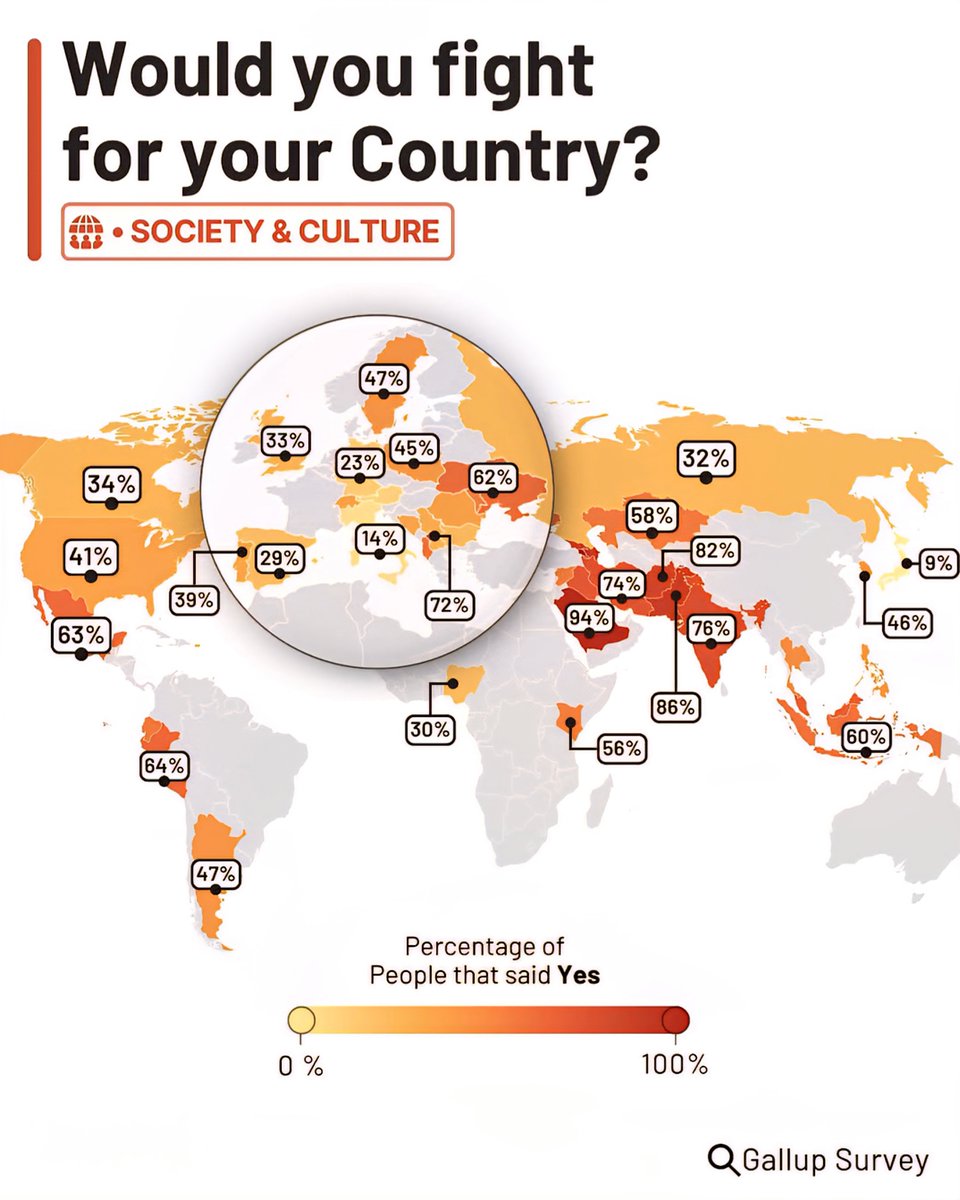
Would You Fight for Your Country? A Look at Modern Patriotism and Military Service in 2025
1. The Rising Debate Over Mandatory Military Service
In 2025, the question of whether Americans should be required to serve in the military has become a hot topic of conversation. With rising international tensions and evolving global threats, some policymakers advocate for reinstating mandatory national service. Supporters argue that a brief period of service could foster national unity, discipline, and preparedness, while opponents caution against infringing on personal freedoms. The debate reflects a broader societal split: should patriotism be voluntary or obligatory?
2. Voluntary Service: Is It Still Enough?
Despite the ongoing discourse about mandatory service, the current trend favors voluntary enlistment. The U.S. military remains one of the world’s largest and most diverse, but recruitment challenges persist. Many young adults cite concerns over safety, career opportunities, and the desire to avoid military service. The military has responded by offering increased incentives, such as signing bonuses and educational benefits. However, critics worry that reliance on voluntary enlistment might leave national security standards vulnerable if recruitment pressures intensify.
3. Technological Advances and Modern Warfare
2025 has seen unprecedented advancements in military technology, from autonomous drones to cyber warfare capabilities. These innovations have transformed combat strategies and required a new generation of soldiers trained in high-tech skills. The military’s focus on digital literacy and cyber defense underscores the changing face of warfare, making traditional combat training just one facet of a broader skill set needed in the armed forces. How this impacts the readiness and mentality of service members is a topic discussed extensively among defense experts.
4. The Cost of Service: Is It Worth It?
Many Americans considering military service today weigh the personal sacrifices involved—time away from family, physical danger, and mental health concerns—against the tangible benefits like healthcare, job training, and college tuition. Data shows that service members often develop leadership skills, discipline, and a sense of purpose. Still, some question whether the personal costs outweigh the benefits, especially for new recruits facing the realities of modern warfare and military life.
5. National Pride and Patriotism in 2025
Flag-waving patriotism remains a core aspect of U.S. culture. Events like Memorial Day and Independence Day continue to draw millions of Americans and celebrate national identity. Yet, there’s a nuanced conversation about patriotism’s role in today’s society—what it means to truly serve and uphold national values. Whether through military service, community activism, or civic engagement, many see patriotism as a shared responsibility rather than merely symbolic gestures.
6. The Impact of Geopolitical Tensions
With crises unfolding around the globe—from tensions in East Asia to conflicts in Eastern Europe—the United States finds itself at a pivotal junction. The willingness of Americans to support or oppose military interventions often hinges on their perception of these conflicts’ legitimacy and stakes. Political leaders are increasingly urging a united front, emphasizing the importance of preparedness and collective defense.
7. Future of Warfare: Preparing the Next Generation
Training and education programs are evolving to meet future threats. Schools and military academies now incorporate lessons in cyber security, artificial intelligence, and unmanned systems. This shift aims to ensure that America’s armed forces remain at the forefront of innovation, capable of defending national interests in an increasingly complex world. The question remains: Will this technological edge inspire a new wave of patriotic service?
8. The Role of Civil Society and Volunteerism
Apart from military service, many Americans actively participate in volunteer organizations, community activism, and civil defense initiatives. These forms of civic engagement are seen as equally vital expressions of patriotism, especially during times of crisis, such as natural disasters or national emergencies. Collectively, these efforts help reinforce a sense of collective responsibility and national cohesion.
9. The Future of Patriotism: A Personal Choice?
As 2025 unfolds, individuals face complex decisions about serving their country—whether through military service, community involvement, or everyday acts of civic duty. The concept of patriotism is shifting from a mandated duty to a personal choice influenced by societal values, technological progress, and geopolitical realities. In a nation as diverse as the United States, the meaning of fighting for one’s country is as varied as the people who call it home.
10. Would You Answer the Call?
Ultimately, the question remains: Are you prepared to stand up for your country? Whether through service in uniform, advocacy, or community leadership, the spirit of patriotism continues to shape American society. As the world changes rapidly, so too does the understanding of what it means to defend and uphold the American way of life.
As discussions about national security and civic responsibility evolve, one thing is clear: patriotism in 2025 is multifaceted and deeply personal, prompting each individual to consider what sacrifices they are willing to make for their country.
 ChatGPT
 Perplexity
 Gemini AI
 Grok AI