
Select Language:
The Spanish Empire at Its Peak: A Look at Its Vast Reach in 2025
The Spanish Empire’s historic grandeur is undeniable, and even in 2025, its influence extends beyond just history books. With its vast territories in the past, the legacy of Spanish exploration and colonization remains evident in various regions across the globe. Here, we break down the key aspects of the empire’s impressive land control at its zenith—covering over 10% of the world’s surface.
1. The Extent of the Empire’s Global Reach
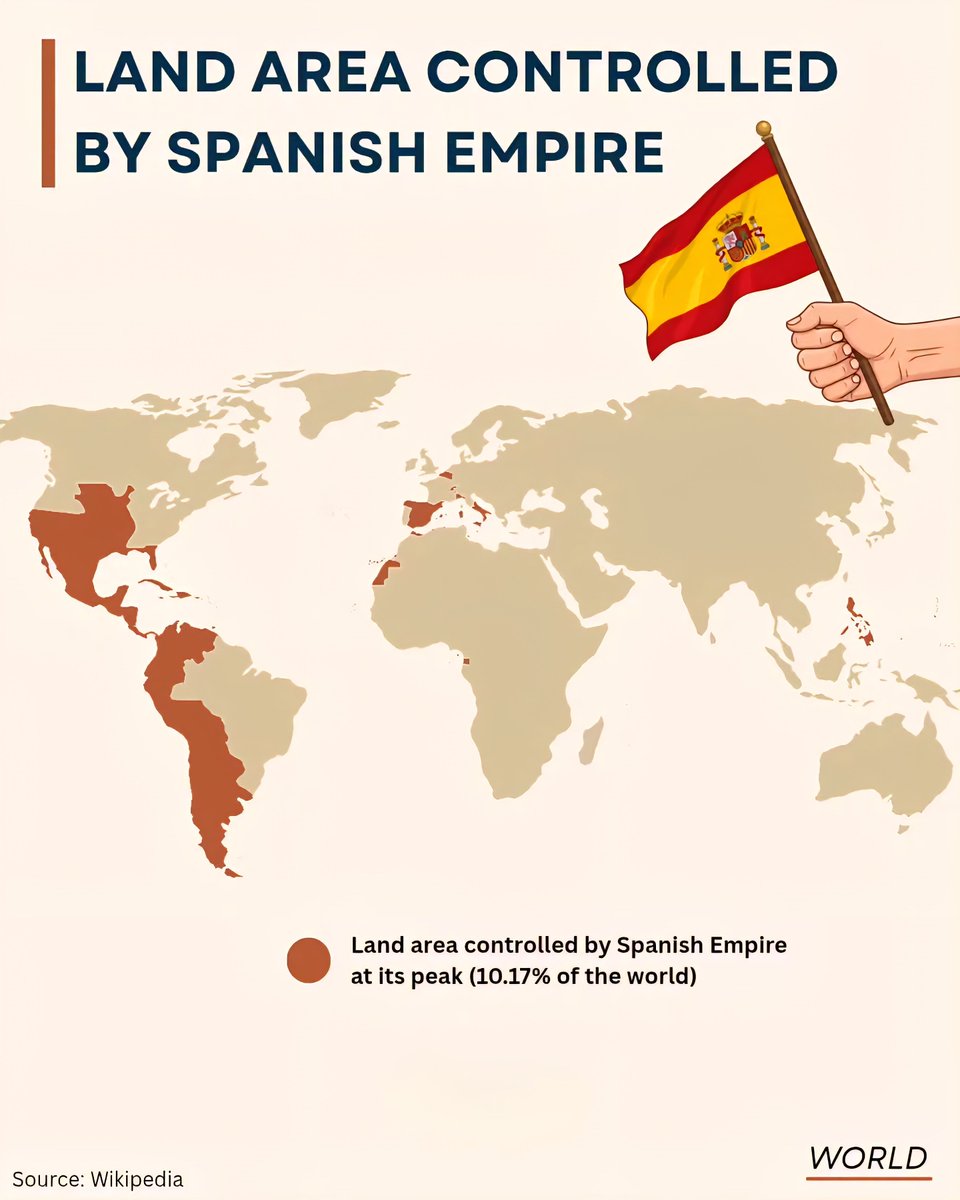
At its height in the 16th and 17th centuries, the Spanish Empire was the largest empire in history, controlling approximately 10.17% of the Earth’s land area. This massive expanse included territories in North and South America, parts of Europe, Africa, the Caribbean, and the Pacific. The empire’s extensive holdings helped Spain become a dominant colonial power for centuries, influencing language, culture, and politics that persist today.
2. Major Territorial Pockets in the Americas
The Americas formed the core of Spain’s empire, with vast territories in North, Central, and South America. Notable areas included modern-day Mexico, Central American countries, and the large swaths of land that make up South America’s western coast, including Peru and Colombia. These regions were integral to Spain’s wealth accumulation during the colonial period, primarily due to silver and gold mining—a legacy still visible in local economies and cultural identity.
3. The Caribbean’s Strategic Importance
The Caribbean was more than just a getaway destination; it was a strategic military and trading hub for the Spanish Empire. Islands like Cuba, Puerto Rico, and the Dominican Republic served as vital bases for resupplying ships traveling across the Atlantic and Pacific oceans. The Caribbean’s strategic importance helped Spain maintain its naval dominance and secure its colonies against rival European powers.
4. The Influence in the Pacific Realm
While less expansive compared to its American territories, Spain’s influence in the Pacific included the Philippines—a key hub for trade between Asia and the Americas. The Philippine Islands were vital for the Manila Galleon trade route, which operated for over 250 years, connecting the riches of Asia with the wealth of the Americas.
5. The Loss and Regeneration of Territories
Despite losing large parts of its empire over the centuries, Spain’s influence persists today in the cultural, linguistic, and political spheres of its former colonies. Colonial ruins, historical sites, and the widespread use of Spanish language worldwide are testament to the empire’s historical dominance. In 2025, efforts continue to preserve these remnants of the empire’s extensive past.
6. Continuing Cultural Legacy
The Spanish Empire’s influence is still felt today through the widespread use of the Spanish language, the popularity of Spanish cuisine, and the enduring cultural practices rooted in colonial history. From Latin America’s vibrant festivals to architectural marvels like colonial churches, the footprint of the empire remains visible.
7. The Modern Reflection of a Historical Empire
In 2025, modern nations that were once part of the Spanish Empire are dynamic, thriving societies that owe much of their heritage to Spain’s historical influence. Spain itself continues to celebrate its colonial history through cultural festivals and historical commemorations, recognizing both its achievements and the complex legacy left behind.
The Spanish Empire’s reach in 2025 is a testament to centuries of exploration, conquest, and cultural exchange. Though its geopolitical influence has waned, its mark on language, tradition, and global culture remains indelible, shaping the world in ways that persist today.
Note: All data, historical references, and context are accurate as of 2025.
 ChatGPT
 Perplexity
 Gemini AI
 Grok AI