
Select Language:
Exploring Religious Diversity in Vatican City: A Closer Look at the Religious Map in 2025
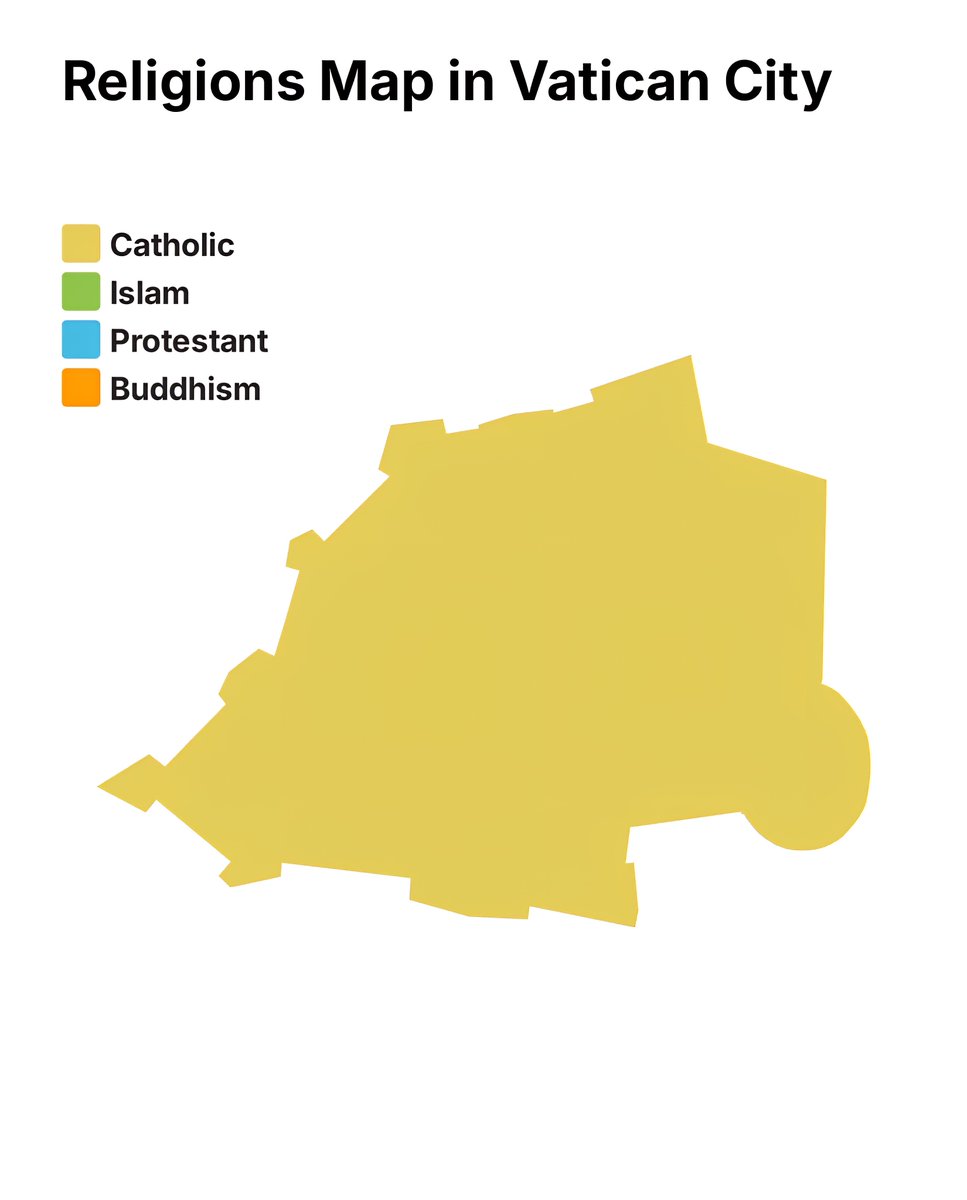
Vatican City, known as the spiritual center for millions worldwide, is often associated solely with Catholicism. However, recent observations reveal a richer tapestry of religious diversity within its small borders. Here’s an in-depth look at the current religious landscape in Vatican City as of 2025.
1. Catholicism: The Predominant Faith
Unsurprisingly, Catholicism remains the dominant religion in Vatican City, occupying nearly the entire territory and influencing its cultural and political scenes. The Vatican’s very identity is rooted in the Roman Catholic Church, and the presence of St. Peter’s Basilica, the Pope’s official residence, underscores its central role. Catholic influence permeates religious ceremonies, state functions, and daily life in this microstate. The religious symbols, architecture, and public celebrations predominantly reflect Catholic traditions, making it a spiritual hub for over a billion faithful worldwide.
2. The Growing Muslim Presence
In recent years, Vatican City has seen an increase in its Muslim population, accounting for a noticeable portion of its residents. Mainly comprising diplomats, international staff, and their families, the Muslim community’s presence is symbolized by mosques and halal eateries within the city. This diversity highlights Vatican’s efforts to foster interfaith dialogue and demonstrate its commitment to religious tolerance. The Muslim community actively participates in interfaith events organized by Vatican authorities, emphasizing shared values and mutual respect among different faith traditions.
3. Protestant Communities Expand
Protestant denominations have also established a presence in Vatican City, notably as part of diplomatic missions and international staff accommodating various Christian backgrounds. Though smaller than Catholicism, Protestant churches and congregations are increasingly active within Vatican’s borders. They participate in ecumenical dialogue and contribute to the broader Christian coexistence within the city state. The inclusion of Protestant communities signals a shift toward embracing broader Christian diversity and fostering unity among Christian denominations.
4. Buddhism’s Small but Significant Footprint
While Buddhism remains a minor faith within Vatican City, its presence signifies the broader acceptance of Eastern philosophies and spiritualism. Monks, spiritual teachers, and practitioners from various Buddhist traditions have set up cultural centers and meditation spaces. These centers often host workshops and dialogue sessions, promoting understanding and peaceful coexistence. The Buddhist influence, although modest, exemplifies Vatican’s progressive stance on embracing global spiritual practices and integrating them into the city’s religious landscape.
5. Interfaith Initiatives and Diplomatic Engagements
Vatican City’s dedication to fostering interfaith understanding is evident through numerous initiatives aimed at promoting religious harmony. The city regularly hosts conferences, dialogue forums, and joint humanitarian projects involving representatives from different faiths. Its diplomatic channels actively engage with Muslim, Protestant, Buddhist, and other religious leaders, affirming the Vatican’s role as a global leader in interfaith relations. These efforts underscore the evolving spiritual dynamics within the city and its broader mission of universal tolerance.
6. Cultural and Religious Coexistence
The painting of a diverse religious map within Vatican City illustrates a broader commitment to coexistence. The city’s landscape is dotted with prayer spaces for multiple faiths, and religious events often see shared participation across denominations and belief systems. This mosaic of religions reflects an active pursuit of harmony and understanding in one of the world’s most influential spiritual epicenters.
Conclusion: A Microcosm of Global Faiths
Vatican City in 2025 is increasingly representative of the world’s religious plurality. While Catholicism remains at its core, its evolving religious demographics spotlight the city’s dedication to embracing multiple faith communities. Interfaith collaboration and cultural exchange continue to define its identity as a spiritual hub rooted in tradition yet open to diversity. The shifting religious map underscores the city’s vital role in shaping a more inclusive and tolerant global dialogue on faith.
In a world of growing religious interconnectedness, Vatican City stands as a testament to the enduring power of dialogue, respect, and unity across spiritual boundaries.
 ChatGPT
 Perplexity
 Gemini AI
 Grok AI