
Select Language:
Why do some individuals leap out of bed before sunrise, while others remain alert late into the night?
Scientists explain that this isn’t just a matter of habit. It’s connected to the body’s innate internal clock, known as the circadian rhythm, which regulates sleep, appetite, body temperature, hormones, and energy throughout each 24-hour cycle.
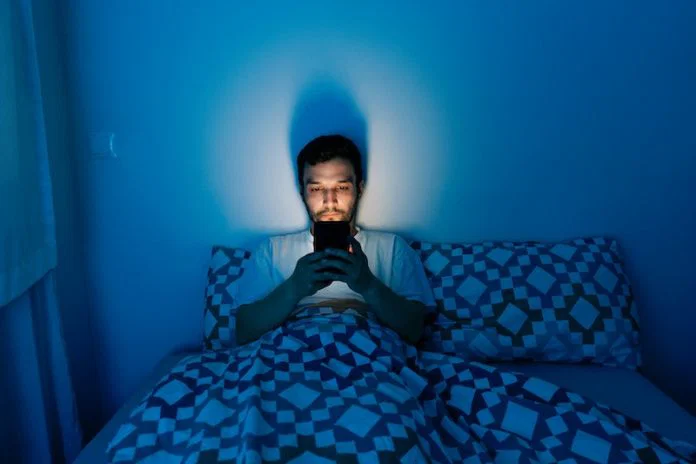
People who naturally rise early are often called morning types or early birds. Conversely, those who stay awake later tend to be evening types or night owls.
A recent study indicates that these natural sleep patterns may also influence eating behaviors, body fat levels, and overall metabolic health. The findings were published in Frontiers in Nutrition.
Researchers aimed to determine whether the body’s natural sleep timing could impact health beyond sleep itself. Previous studies hinted that night owls tend to prefer unhealthier foods and eat later in the day. However, those studies mainly focused on body weight, which doesn’t distinguish between fat and muscle mass. This new research delved deeper.
The study involved 287 healthy women aged 18 to 45 living in Auckland, New Zealand, including both Pacific and European participants. Using the Munich Chronotype Questionnaire, scientists classified each woman as a morning, intermediate, or evening type based on her usual sleep schedule.
Participants recorded everything they ate and drank over five different days, including weekends and weekdays. Dietitians reviewed these records to ensure accuracy. Researchers also performed DXA scans, which provide a detailed assessment of body fat distribution, and collected blood samples to analyze blood sugar, cholesterol, triglycerides, insulin, and appetite-related hormones.
The results revealed distinct differences: night owls typically consumed very little in the morning, shifting most of their food intake to later in the day. Their diets also featured fewer foods rich in vitamins, minerals, and fiber. While total calorie intake and macronutrient distribution were similar among groups, the quality and timing of food intake varied significantly.
Women who stayed up later had higher body fat percentages, higher body mass indexes, and increased fat accumulation around the waist. Visceral fat, stored around the stomach, is particularly linked to heart disease, type 2 diabetes, and other health issues. Blood tests showed that night owls also had elevated insulin and triglyceride levels, with lower HDL cholesterol, and hormonal changes indicating less optimal metabolism.
These differences suggest that meal timing may play a role in health outcomes. The body’s internal clock prepares it to process and utilize food differently at various times of the day. Eating large meals late at night might conflict with these natural rhythms, potentially impacting health.
It’s important to note, however, that the study doesn’t prove that being a night owl directly causes obesity or illness. It only identified associations between chronotype and metabolic health markers. Factors like exercise habits, stress levels, work schedules, genetics, and sleep quality could also contribute. Since the research focused solely on healthy women from one city, further studies are necessary across different populations, age groups, and genders.
In summary, the research suggests that understanding and syncing your sleep and eating patterns to your body’s natural clock may become an important aspect of future health guidance. Personalized nutrition approaches based on one’s chronotype could help improve long-term well-being.
The study’s accuracy stems from detailed dietary records, comprehensive body scans, and blood analyses—rather than just relying on body weight measurements. Still, larger, long-term studies are needed before firm conclusions are drawn. This research underscores that our internal body clock influences much more than sleep and warrants further scientific attention.
If sleep health interests you, consider exploring foods that promote better sleep, or the potential cognitive benefits of a ketogenic diet for those with sleep disturbances. Additionally, recent studies highlight natural supplements for restful sleep and how diet modifications might enhance sleep quality.
 ChatGPT
 Perplexity
 Gemini AI
 Grok AI