
Select Language:
Countries Invaded or Colonized by Britain in 2025
1. The Historic Reach of British Colonialism
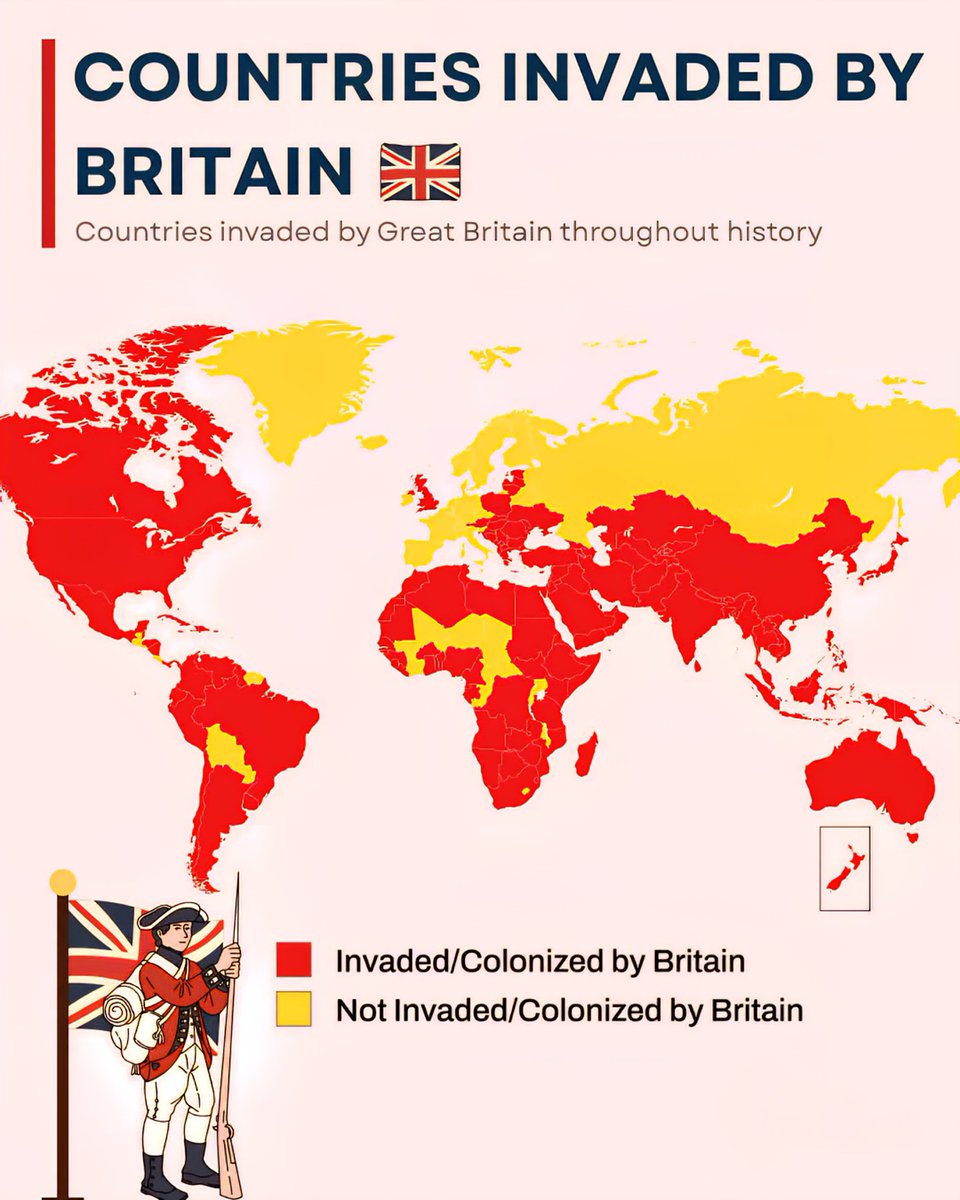
Throughout history, Britain established an extensive empire, spanning multiple continents. Many nations from Africa to Asia and Oceania experienced British control at some point. By 2025, the reach of Britain’s colonial past remains relevant, with some countries still feeling its impact today. The legacy of British colonization has shaped societal structures, languages, and legal systems, leaving a complex footprint across the globe.
2. Countries That Were Invaded or Colonized by Britain
-
India: Once the crown jewel of the British Empire, India gained independence in 1947. Today, it remains influential, with deep-rooted colonial legacies reflected in its legal framework and English language prevalence.
ADVERTISEMENT -
Kenya: A prominent former British colony in East Africa, Kenya achieved independence in 1963, but colonial borders and policies continue to influence its governance and societal dynamics.
-
Australia: Colonized by Britain in 1788, Australia is now a sovereign nation with strong cultural ties to Britain. Despite its independence, the Commonwealth connection persists.
-
Canada: Initially colonized by Britain in the 17th century, Canada gained full sovereignty in 1982. The nation still recognizes the British monarch as its ceremonial head of state.
-
Jamaica: As part of the Caribbean’s British colonies, Jamaica gained independence in 1962, but retains cultural and political connections to Britain through the Commonwealth.
-
South Africa: Under British rule from the 1800s to early 20th century, South Africa saw its colonial past influence its racial policies and federal structure.
3. Countries That Remained Uncolonized by Britain
-
Thailand: Known as Siam historically, Thailand was never formally colonized by Britain or other colonial powers, maintaining its sovereignty through strategic diplomacy.
-
Ethiopia: This ancient nation successfully resisted colonization during European incursions, notably defeating Italy in the Battle of Adwa in 1896.
-
Liberia: Founded by freed American slaves in the early 19th century, Liberia’s independence was recognized early, and it remained free from direct colonial rule.
4. Modern Political and Cultural Echoes of British Colonialism
Even decades after decolonization, remnants of British rule influence many countries today. These include:
- Legal Systems: Many former colonies retain British common law frameworks, which affect justice and governance.
- Language: English remains an official or widely spoken language in many post-colonial states, facilitating international business and diplomacy.
- Political Institutions: Parliamentary systems and constitutional monarchies derive their structure from British models, shaping governance worldwide.
5. The Continuing Legacy
While much of the world has gained independence from Britain, the legacy remains visible in various forms:
- The Commonwealth of Nations: A voluntary association of 54 member states, many of which are former British colonies, working together on economic, political, and cultural issues.
- Cultural Influences: From literature to sports like cricket and rugby, British influence endures in many countries.
- Debates on Colonial Impact: Ongoing discussions about colonial legacies include issues of reparations, cultural restitution, and historical acknowledgment.
6. A Geopolitical Snapshot in 2025
In 2025, the geopolitical landscape continues to be shaped by Britain’s colonial history. Former colonies navigate their identities, balancing independence with shared ties to Britain through the Commonwealth. Meanwhile, Britain itself maintains its global influence, leveraging historical connections and diplomatic relationships to sustain its position on the world stage.
Summary:
The British Empire once spanned continents, leaving lasting legacies in many modern nations. Some countries proudly acknowledge their colonial pasts, while others have worked to move beyond it. Despite decolonization, the influence of Britain remains evident today in legal systems, language, culture, and international alliances, illustrating the complex legacy of colonial history in the 21st century.
Note: The geopolitical status and colonial history are continually evolving; this overview reflects the current understanding as of 2025.
 ChatGPT
 Perplexity
 Gemini AI
 Grok AI