
Select Language:
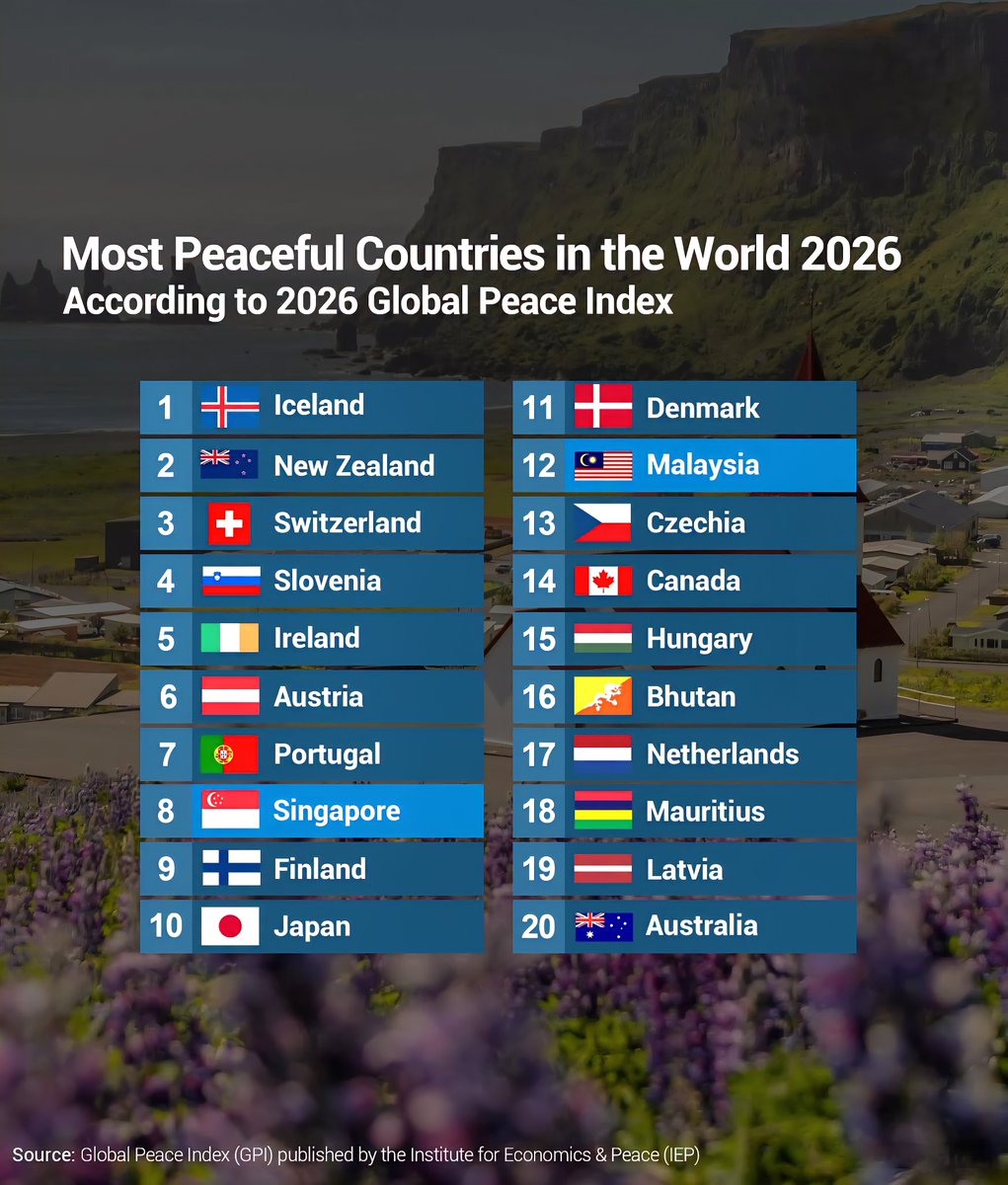
Iceland Continues to Lead as the Most Peaceful Country in 2026
Topping the list again this year, Iceland remains the go-to destination for safety and tranquility. Known for its stunning natural landscapes, low crime rates, and strong social cohesion, Iceland’s peaceful reputation continues to solidify its position at the top of the Global Peace Index (GPI). Visitors and residents alike benefit from policies fostering social stability and environmental sustainability, making it a model for future peace initiatives.
New Zealand Solidifies Its Position in the Top 3
Sitting comfortably in the second spot, New Zealand is celebrated for its political stability, excellent healthcare, and minimal internal conflicts. Its natural beauty and welcoming communities make it an attractive refuge for those seeking peace and serenity. The nation’s effective governance and community-centered approach contribute significantly to its high peace score.
Switzerland Maintains Its Status as a Global Peace Leader
Known for its neutrality, innovative diplomacy, and high-quality living standards, Switzerland continues to secure its place among the most peaceful nations. The country’s longstanding policy of neutrality in international conflicts and robust social services help bolster nationwide stability and safety.
Slovenia: The Rising Star in Peacefulness
Taking the fourth spot this year, Slovenia’s commitment to sustainable development, excellent education, and low crime rates continue to push it toward the top. Its mountainous landscapes, coupled with a focus on civic harmony, support its reputation as one of Europe’s safest and most peaceful countries.
Ireland’s Peaceful Progressing Reputation
Ireland maintains its position in the top ten, thanks to its low violence levels, friendly communities, and stable political climate. Ongoing efforts to promote social inclusion and human rights further strengthen its standing on the international peace index.
Austria: A Beacon of Stability in Central Europe
With its rich cultural heritage and track record of neutrality, Austria stays secure and peaceful in 2026. The country’s innovative policies towards renewable energy and social welfare systems continue to promote national harmony and safety.
Portugal’s Rising Peace Profile
Portugal’s peaceful environment is credited to its low crime rates, progressive social policies, and high quality of life. Its welcoming attitude and political stability make it a safe haven for both residents and tourists.
Singapore: Asia’s Leading Peaceful Nation
Singapore’s meticulous law enforcement, efficient governance, and economic stability are key reasons behind its high peace score. It is recognized worldwide for its cleanliness, orderliness, and strict policies that deter crime.
Finland: Consistently Among the Top
Finland’s commitment to education, gender equality, and environmental sustainability makes it a perennial favorite on the top peaceful countries list. Its harmonious society and well-functioning institutions cultivate a secure environment for all residents.
Japan: An East Asian Peaceful Powerhouse
Known for its low crime, resilient economy, and cultural emphasis on harmony, Japan remains a model of peaceful development. Its proactive disaster management and community cohesion also significantly contribute to national tranquility.
Danish Diplomacy and Welfare Promote Security
Denmark’s focus on social welfare, gender equality, and environmental policies has helped it secure its place on the list. Its active participation in international peacekeeping reinforces its commitment to global stability.
Malaysia’s Steady Growth in Peace
Malaysia continues to improve its peace index score, thanks to ongoing reforms aimed at reducing social inequalities, promoting racial harmony, and addressing security concerns. The nation’s diverse culture and proactive governance foster a peaceful environment.
Czechia: An Emerging Peaceful Contender
Czechia’s low crime rates and steady economic growth bolster its reputation as an increasingly peaceful destination in Europe. Its focus on innovation and civic engagement plays a vital role.
Canada’s Emphasis on Inclusivity and Safety
Canada’s inclusive policies, extensive social services, and peaceful societal values secure its high ranking. Its reputation as a welcoming country continues to attract those seeking stability and peace.
Hungary’s Stability and Growth
Hungary’s emphasis on national security, economic development, and social cohesion is evident in its improved peace index score. Investments in community initiatives and law enforcement have been central to this progress.
Bhutan: The Land of Gross National Happiness
Famous for prioritizing happiness and sustainability over economic growth, Bhutan’s peaceful and eco-conscious lifestyle remains an inspiring example worldwide. Its strong focus on cultural preservation enhances social harmony.
Netherlands: A Model of Progressive Stability
The Netherlands’ progressive policies on social issues, committed diplomacy, and high standards of living contribute to its excellent peace ranking. Its proactive stance on international cooperation cements its peaceful reputation.
Mauritius: The Peaceful Island Oasis
With its diverse society, high levels of social cohesion, and focus on environmental sustainability, Mauritius continues to flourish as a peaceful island nation in Africa. Its welcoming communities and political stability make it a serene haven.
Latvia: Rising Through Social and Political Stability
Latvia’s lower crime rates and rising economic stability have helped catapult it into the top peaceful countries. The nation’s focus on digital innovation and civic engagement contribute to its growth.
Australia: An Evolved Society Focused on Peace
Despite its geographic vastness, Australia’s low crime rates, strong institutions, and multicultural inclusiveness sustain its position among the world’s most peaceful countries. Its proactive stance on climate change and social justice fosters national harmony.
Sources: Global Peace Index (GPI) 2026, Institute for Economics & Peace (IEP)
 ChatGPT
 Perplexity
 Gemini AI
 Grok AI