
Select Language:
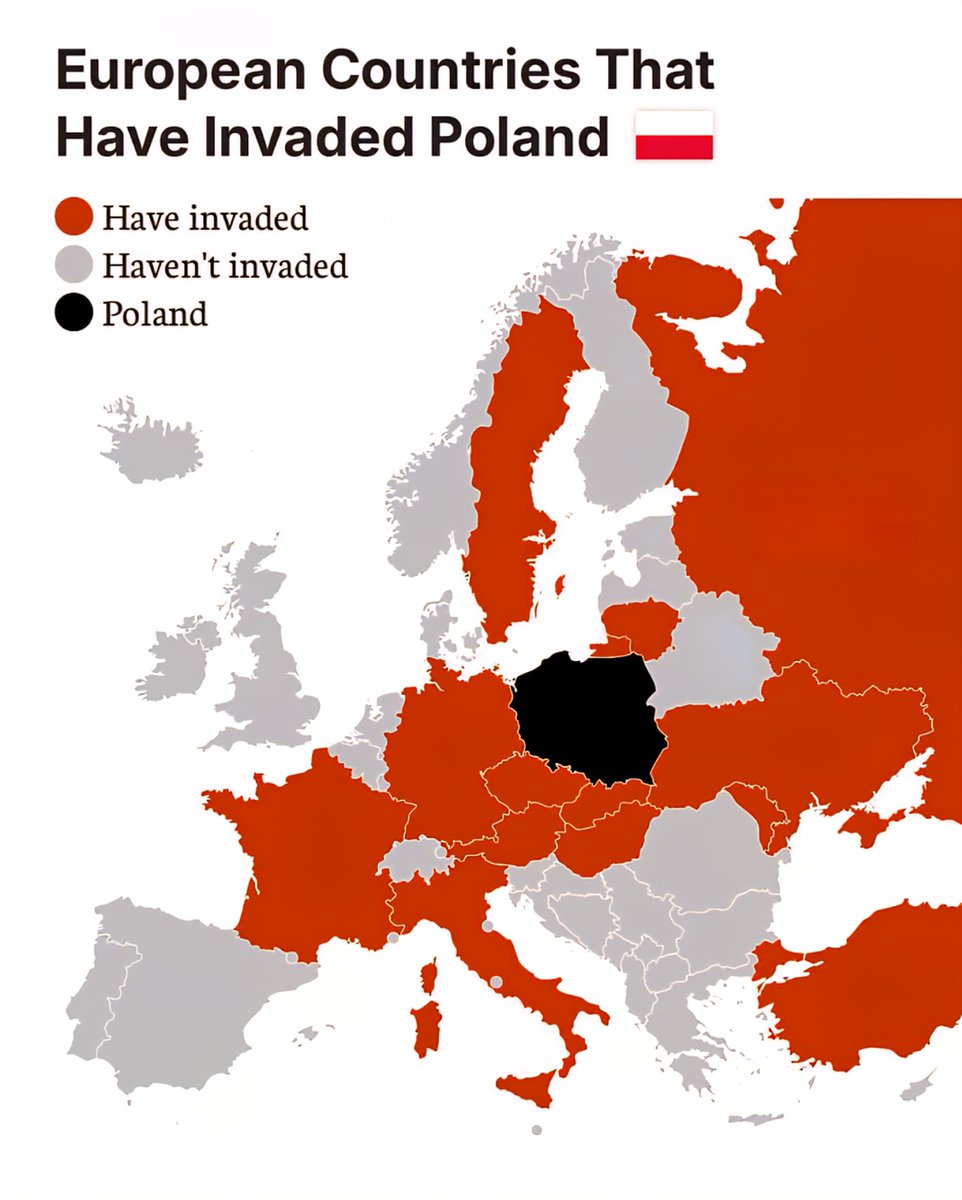
European Countries That Have Invaded Poland 🇵🇱
1. Germany – The Most Notorious Invader
Germany’s invasion of Poland in September 1939 marked the beginning of World War II. The Nazi regime’s blitzkrieg tactics led to a rapid and brutal occupation that changed the course of history. The invasion was characterized by overwhelming military force and a brutal suppression of Polish resistance, leading to immense suffering and loss of life. The scars of this invasion are still evident in the collective memory and borders of the region today.
2. Soviet Union – A Divide and Conquer Strategy
In September 1939, the Soviet Union signed the Molotov-Ribbentrop Pact with Nazi Germany, resulting in a coordinated invasion of Poland from the east. This joint invasion partitioned Poland between the two powers, leading to decades of Soviet influence and control. The Soviet invasion was marked by swift military action that resulted in mass relocations and repression, significantly impacting Polish sovereignty and independence.
3. Nazi Germany and Soviet Union – A Joint Assault
The invasion of Poland in 1939 was the result of a secret agreement between Nazi Germany and the Soviet Union. This joint effort effectively dismantled Poland in just a few weeks, ushering in a brutal occupation that lasted until 1944. The invasion not only resulted in military conquest but also in unimaginable atrocities against civilians, including executions and deportations.
4. Post-World War II Borders and Influence
After World War II, Poland’s borders shifted westward under the influence of the Soviet Union, which also exerted political control over the country. While no new invasions occurred during the Cold War era, the Soviet Union maintained a significant presence and influence in Poland, shaping its political landscape and suppressing dissent.
5. Current Euro-Political Status (2025)
Today, Poland remains a sovereign nation and a member of NATO and the European Union. While no country has invaded Poland since 1945, the historical memory of invasions continues to influence current geopolitics. Poland’s strategic location makes it a focal point for East-West relations, especially with rising tensions in the broader region, highlighting the importance of collective security agreements and diplomatic efforts to maintain peace.
Summary
Throughout history, Poland has experienced invasions from neighboring powers, notably Germany and the Soviet Union, which have left lasting scars and shaped its national identity. Today, the country stands resilient, committed to defending its sovereignty and maintaining peace in the region through international alliances and diplomacy.
Note: The importance of remembering these historical invasions is critical to understanding Poland’s current position and the ongoing efforts to ensure stability and security in Eastern Europe.
 ChatGPT
 Perplexity
 Gemini AI
 Grok AI