Tag: hypertension

  • New Blood Pressure Test May Detect Hidden Heart Risks

    New Blood Pressure Test May Detect Hidden Heart Risks

    Blood pressure is a vital measurement used by physicians to assess the health of the heart and blood vessels. It indicates how forcefully blood presses against the artery walls as the heart circulates blood through the body. persistent high blood pressure, if left unmanaged, causes the heart to work harder and gradually damages blood vessels throughout the body.

    Over time, this increases the risk of heart attacks, strokes, heart failure, kidney disease, and other serious health issues. Because high blood pressure often presents no obvious symptoms, it’s often called the “silent killer.” Many individuals feel perfectly fine even when their blood pressure is dangerously elevated. This underscores the importance of regular blood pressure monitoring. Detecting hypertension early allows for lifestyle adjustments or treatment before complications arise.

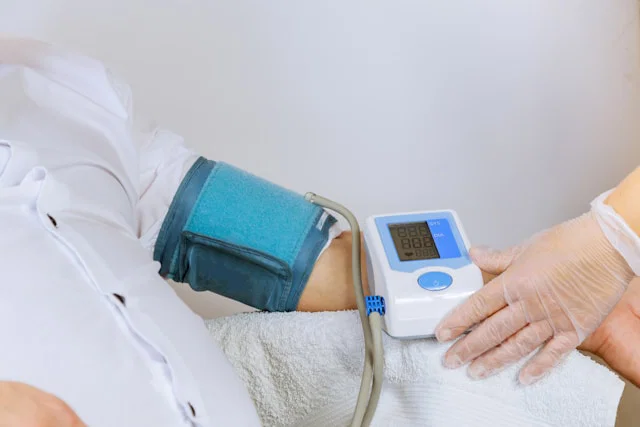
    Most people are familiar with the typical method of measuring blood pressure. During a doctor’s visit, patients usually sit quietly for a few minutes while a cuff is placed around their upper arm. The cuff inflates briefly, and the device records the reading. This has been the standard procedure for many years and remains common in most healthcare settings.

    However, recent studies suggest that measuring blood pressure solely in a sitting position might not provide the full picture. A presentation at the American Heart Association’s Hypertension Scientific Sessions 2023 revealed that checking blood pressure while lying down could uncover hidden risks that otherwise go unnoticed.

    Led by Duc M. Giao, a medical student at Harvard Medical School, the research analyzed health data from over 11,000 adults who participated in a long-term health study between 1987 and 1989. Participants had their blood pressure measured in a lying position, with researchers tracking their health over nearly three decades to see who developed heart disease or other significant medical conditions later on.

    The findings were eye-opening. Approximately 16% of participants exhibited high blood pressure only when lying down, despite showing normal readings when sitting. This means many individuals could have undetected high blood pressure, potentially putting them at risk without knowing it. Furthermore, those with elevated blood pressure while lying down faced higher chances of developing cardiovascular issues, heart failure, and strokes. They were also more likely to experience premature death compared to those whose blood pressure remained normal.

    Even individuals with high blood pressure only in the supine position faced increased health risks, indicating that blood pressure control is more nuanced than previously understood. Body position can influence readings, and such variations might provide crucial insights into future health risks.

    Giao points out that people already at elevated risk for heart disease or stroke could benefit from measuring their blood pressure in multiple positions. Taking readings while lying down might reveal hidden problems earlier and offer a more comprehensive view of blood pressure behavior, including during daily activities and sleep.

    Because the study mainly involved middle-aged adults, these findings could be especially relevant for this age group. Experts emphasize the need for further research to verify whether similar patterns are observed in older populations or different demographics before officially updating medical guidelines.

    While the study, presented at a prestigious scientific conference, still requires additional validation, it raises an important question: could a simple change in blood pressure measurement techniques enhance early detection of heart disease? If future studies confirm these results, measuring blood pressure both sitting and lying down could become a valuable addition for health screenings, helping physicians identify at-risk individuals before serious issues develop.

    Small adjustments in medical practices, such as incorporating lying-down blood pressure measurements, have the potential to make a significant difference. This approach could lead to earlier intervention, improved risk assessment, and better preventive care for those vulnerable to cardiovascular conditions.

    For those concerned about managing high blood pressure, exploring the impact of vitamins and other dietary strategies may be helpful. Learning how to regulate both blood pressure and diabetes through nutritious foods, including modifications of traditional Chinese cuisine, can play a critical role. Staying informed with recent research on optimal and harmful foods for high blood pressure is essential for proactive health management.

    © 2026 Knowridge Science Report. All rights reserved.
  • Why Both Blood Pressure Numbers Are More Important Than You Think

    Why Both Blood Pressure Numbers Are More Important Than You Think

    Blood pressure is one of the most common health metrics, yet many individuals aren’t clear on what the two numbers actually indicate. The first number, known as systolic pressure, measures the force of blood pressing against the artery walls when the heart beats. The second number, called diastolic pressure, reflects the pressure when the heart relaxes between beats. Together, these readings offer valuable insight into cardiovascular health.

    A large-scale study led by Dr. Michael Hecht Olsen from the University of Southern Denmark points to the importance of paying attention to both numbers. Published in the journal Hypertension, the research tracked over 107,000 adults aged 19 to 97 for 26 years. At the start, none of the participants had any diagnosed heart conditions. Throughout the study, some individuals developed heart disease, experienced heart attacks or strokes, or died from heart-related illnesses. The researchers examined how initial blood pressure readings correlated with these outcomes.

    The findings revealed that systolic blood pressure was generally the strongest predictor of future heart problems across nearly all age groups. This supports existing medical guidelines, which often prioritize the top number because it has been linked to increased risks of heart attacks, strokes, heart failure, and early death.

    However, the study also highlighted that diastolic pressure should not be overlooked. For adults under 50, diastolic pressure provided additional important information about potential heart disease risks. In other words, younger individuals with elevated diastolic readings might already show early warning signs, even if their systolic pressures are within normal ranges.

    The researchers also looked at mean arterial pressure (MAP), a combined measurement that averages the pressure across an entire heartbeat. MAP also proved to be a reliable indicator of future cardiovascular risk.

    High blood pressure is often called the “silent killer” because it usually presents no obvious symptoms until significant damage has been done. Over time, it can harm blood vessels and increase the likelihood of heart disease, stroke, kidney issues, and vision problems.

    These findings serve as a reminder for both doctors and patients that evaluating both systolic and diastolic numbers provides a more comprehensive understanding of heart health. Maintaining good blood pressure levels can be achieved through healthy eating, regular physical activity, weight management, limiting salt intake, avoiding smoking, and adhering to medical advice.

    For those interested in tackling high blood pressure, it’s helpful to explore studies on how dietary choices can help lower these numbers—such as diets rich in certain nutrients or including 3 grams of omega-3s daily. Additional research explores how beverages like tea and coffee impact blood pressure risk, and whether certain oils, like olive oil, can reduce blood pressure in healthy individuals.

  • New Scan Could Aid Some in Lowering High Blood Pressure

    New Scan Could Aid Some in Lowering High Blood Pressure

    High blood pressure impacts millions globally and is a leading cause of heart disease, strokes, kidney problems, and premature death. While many manage their condition through lifestyle changes and medication, some cases are caused by hidden factors deep within the body. Researchers from Queen Mary University of London, along with several other institutions, have developed a new type of CT scan that could help doctors uncover these hidden causes.

    Published in Nature Medicine, the study offers hope for individuals whose high blood pressure stems from tiny growths in the adrenal glands. These small glands, located above each kidney, produce hormones that regulate blood pressure, stress response, and salt-water balance. One key hormone, aldosterone, prompts the kidneys to manage salt and water levels. Excess aldosterone causes the body to retain too much salt and water, elevating blood pressure and increasing the risk of health complications over time.

    For over six decades, clinicians have recognized that some people develop small, benign nodules in an adrenal gland that produce too much aldosterone. Such nodules are estimated to occur in about 5% of people with hypertension. Despite being relatively common, diagnosing these tiny growths has been challenging because conventional scans often miss them due to their small size.

    Previously, the primary method for detection was adrenal vein sampling—a complex procedure involving threading a thin catheter into veins near the adrenal glands to compare hormone levels from each side. This invasive test requires specialized expertise, is limited to certain hospitals, can be uncomfortable, and sometimes yields inconclusive results.

    The new study tested an alternative approach in 128 patients with aldosterone-related high blood pressure. They used a novel CT scan combined with a short-acting radioactive dye called metomidate. This dye temporarily accumulates in hormone-producing tissues, causing small nodules to light up brightly on the scan. As a result, doctors can precisely identify which adrenal gland is overproducing hormones.

    The findings were promising. The scans detected tiny, hormone-secreting nodules in approximately two-thirds of the participants. Remarkably, the technique was successful in every case, providing a quick, non-invasive way to locate problem areas. Many of these nodules would likely have been overlooked with standard imaging methods.

    In addition, researchers paired the scan with a simple urine steroid test. Together, these tests helped identify which patients would most benefit from surgical removal of the affected gland. When only one adrenal gland contains the overactive nodule, surgery can be performed to remove it. Following this procedure, some patients cease their blood pressure medications altogether, while others experience significantly better blood pressure control with fewer drugs.

    This breakthrough could significantly impact healthcare by enabling earlier detection of treatable hormonal causes of high blood pressure. Since hypertension often develops silently and damages blood vessels and organs over years, early diagnosis and targeted treatment could reduce medication dependence, lower the risk of heart attacks and strokes, and improve overall quality of life.

    While larger studies are necessary before the new scan becomes widely available, initial results are highly encouraging. Many patients currently undiagnosed might soon receive more accurate diagnoses and appropriate treatment. Led by Professor Morris Brown, the research underscores the potential for advanced imaging to transform hypertension management.

  • Rethink: Common Blood Pressure Medication Might Not Be the Best First Option

    Rethink: Common Blood Pressure Medication Might Not Be the Best First Option

    Credit: Unsplash+

    High blood pressure, also known as hypertension, is one of the most common health issues worldwide.

    Millions live with it, often unaware because it typically has no noticeable symptoms in its early stages.

    Though individuals might feel perfectly healthy, elevated blood pressure can gradually damage the heart, arteries, kidneys, and brain. If left untreated, it significantly raises the risk of heart attacks, strokes, heart failure, and other critical problems.

    Medical professionals have a variety of medications to lower blood pressure. Commonly prescribed drugs include thiazide diuretics, ACE inhibitors, angiotensin receptor blockers (ARBs), and calcium channel blockers.

    While these medications all effectively reduce blood pressure, there’s been ongoing debate about which should be prescribed first during initial treatment.

    Current guidelines are often based on expert opinions and smaller studies, prompting researchers at Columbia University to investigate further using data from a much larger patient group.

    Led by Dr. George Hripcsak, the research team examined medical data from approximately five million individuals who recently started high blood pressure treatment. Their findings were published in The Lancet journal. The study compared health outcomes based on the first medication prescribed.

    The results were eye-opening. Nearly half of the study participants were initially prescribed ACE inhibitors, while only around 17% started on thiazide diuretics. Interestingly, those who began with thiazide diuretics experienced better results overall.

    Patients who started with thiazide diuretics had about 15% fewer major cardiovascular events compared to those who began with ACE inhibitors. These serious issues included heart attacks, strokes, and heart failure.

    This suggests that the initial choice of medication can have a long-term impact on health outcomes.

    The study also highlighted differences in side effects. ACE inhibitors were linked with 19 types of adverse effects, including kidney issues and prolonged coughs, which were much less common among patients taking thiazide diuretics.

    Based on estimates, if everyone in the study had started treatment with thiazide diuretics instead of ACE inhibitors, roughly 3,100 severe heart problems might have been prevented. This emphasizes how small adjustments in medication choices could benefit many patients.

    Thiazide diuretics have been around for decades, often called water pills. They work by increasing kidney removal of salt and water, which lowers blood volume and reduces pressure on the heart.

    ACE inhibitors lower blood pressure differently; they block a chemical that constricts blood vessels, allowing them to relax and widen, helping blood flow more easily.

    Both drug types are effective, but this study indicates that thiazide diuretics may offer greater overall benefits for many patients.

    However, the researchers stressed that not everyone on ACE inhibitors should stop their medication. Patients have unique health conditions, and some may benefit more from other options. Any medication changes should be made only after consulting with a healthcare provider.

    Still, the evidence suggests that doctors might consider prescribing thiazide diuretics more often as a first step in treating high blood pressure.

    This study underscores the importance of using large-scale, high-quality research to guide medical decisions. As more is understood about effective treatments, patients could receive therapies that are both more effective and have fewer side effects.

    Since high blood pressure remains a leading cause of illness and death worldwide, even small improvements in treatment strategies could save countless lives. Selecting the most effective initial medication might prevent thousands of heart attacks, strokes, and instances of heart failure, improving health outcomes globally.

    If you’re interested in blood pressure management, consider reading about medications that may increase the risk of sudden cardiac arrest or herbal teas that could help lower blood pressure.

    Additionally, explore recent studies on nutrients that could significantly reduce high blood pressure and innovative antioxidants that might reverse blood vessel aging by up to 20 years.

    Copyright © 2026 Knowridge Science Report. All rights reserved.

  • Why Millions May Get Incorrect Blood Pressure Readings

    Why Millions May Get Incorrect Blood Pressure Readings

    Blood pressure is one of the most frequently checked indicators of health. Nearly everyone has their blood pressure measured at a doctor’s office, pharmacy, hospital, or even at home.

    These readings are crucial because high blood pressure, or hypertension, is a leading cause of heart disease, strokes, kidney problems, and heart attacks.

    The issue is that high blood pressure usually doesn’t cause obvious symptoms. Many individuals feel perfectly healthy even when their blood pressure is dangerously high. That’s why accurate blood pressure measurement is so essential.

    However, a new study from researchers at the University of Cambridge suggests that the typical way of measuring blood pressure may not be as precise as most assume.

    Published in PNAS Nexus, the study’s findings could explain why some cases of high blood pressure go undetected and may lead to improved methods for measuring blood pressure both in clinics and at home.

    It’s estimated that up to 30% of hypertension cases may be missed because of inaccuracies in measurement. This means millions of people could be living with untreated high blood pressure without realizing it, putting them at risk for serious health problems over time.

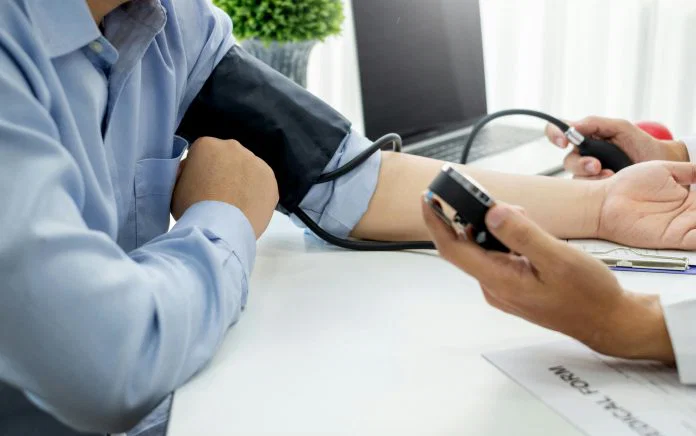
    The most common technique for measuring blood pressure is the auscultatory method. It involves wrapping an inflatable cuff around the upper arm and inflating it until blood flow temporarily stops. As the cuff deflates gradually, a healthcare professional listens for tapping sounds with a stethoscope.

    These sounds help determine two key numbers: the systolic reading, which measures pressure during the heart’s contraction, and the diastolic reading, which captures pressure when the heart relaxes. A typical healthy reading is around 120/80 mmHg.

    Scientists have long known that cuff-based measurements have limitations. They often underestimate systolic pressure and overestimate diastolic pressure.

    While the inaccuracy of diastolic measurements was understood, the reason why systolic readings tend to be lower than actual values wasn’t fully clear.

    To explore this, Cambridge researchers created a physical model that mimics blood flow in arteries during measurement. Unlike previous models using rubber tubes that didn’t behave like real arteries, they used flat tubes that collapse similarly to actual blood vessels under pressure.

    The results revealed that when the cuff cuts off blood flow, pressure below the cuff drops significantly. This low pressure keeps the artery closed longer than expected as the cuff deflates, delaying the onset of the tapping sounds that signal systolic pressure. Consequently, the reading appears lower than the true systolic value.

    This discovery is significant because systolic blood pressure is a critical predictor of future cardiovascular events, especially among older adults. Underestimating it could mean that some individuals with hypertension do not receive the treatment they need.

    The good news is that improving measurement accuracy might not require costly new equipment. Researchers suggest that simply elevating the arm before taking a reading can help stabilize pressure below the cuff, making results more accurate. This simple adjustment could be easily adopted in routine healthcare.

    These findings could also influence the development of future blood pressure devices. New technology might consider factors like age, body mass index, and tissue characteristics to produce more personalized and precise readings.

    The research team plans to conduct clinical studies to test these effects in diverse populations and real-world settings. The study received funding from the UK’s Engineering and Physical Sciences Research Council, part of UK Research and Innovation.

    This research highlights that even basic medical tests can have unseen limitations. Accurate diagnosis of high blood pressure is vital because it often develops silently. Small improvements in measurement methods could help identify more individuals who need treatment and improve health outcomes worldwide.

    If you’re interested in managing blood pressure, consider reading about how drinking tea may help lower it, or how early time-restricted eating could be beneficial.

    Additional studies link added sugar intake to higher blood pressure and suggest vitamin D supplementation might improve blood pressure in people with diabetes.

    © 2026 Knowridge Science Report. All rights reserved.
  • Easy Home BP Program Could Lower Stroke Risk

    Easy Home BP Program Could Lower Stroke Risk

    Credit: Unsplash+

    For many individuals, checking blood pressure typically involves visiting a healthcare provider several times a year.

    Recent studies indicate that regularly monitoring blood pressure at home could provide significantly greater health benefits than previously thought.

    A comprehensive study conducted in Scotland revealed that individuals with high blood pressure who tracked their readings at home and shared the data electronically with their doctors experienced lower rates of hospital stays and mortality compared to those receiving standard care solely through in-person visits.

    The results, published in the European Heart Journal–Digital Health, point toward a future where digital health tools may become central to preventing serious health conditions.

    High blood pressure affects hundreds of millions globally, often developing slowly without obvious symptoms—a person can carry dangerously elevated levels for years without knowing.

    This silent condition can gradually harm blood vessels and increase the risk of heart attacks, strokes, heart failure, kidney disease, and other severe health issues.

    Since high blood pressure persists for life, managing it requires continuous effort. Medical professionals typically recommend medications, healthier diets, regular physical activity, weight management, and frequent blood pressure checks.

    Researchers from Edinburgh Napier University and the University of Edinburgh aimed to find out if digital telemonitoring could improve long-term outcomes for hypertensive patients.

    They analyzed health data from nearly 450,000 patients across Scotland between 2019 and 2022, including about 9,500 individuals enrolled in a program called Connect Me BP.

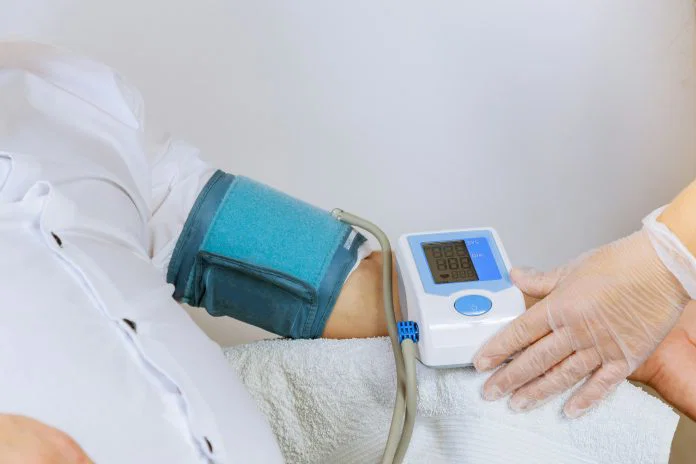
    Participants used home blood pressure monitors and uploaded their readings directly to healthcare teams via a digital platform, receiving reminders to measure their blood pressure regularly.

    The study showed that those using telemonitoring saw a reduction in blood pressure within the first three months, and this improvement persisted for over a year.

    More notably, these patients experienced fewer cardiovascular events, fewer hospitalizations, and lower mortality rates compared to those receiving usual care.

    This might be because home monitoring keeps patients more engaged in their health, encouraging adherence to treatment plans and healthier lifestyle choices. Healthcare providers also gain more frequent updates, allowing for timelier medication adjustments if needed.

    The reminder system likely plays a vital role as well, helping patients stay consistent with their measurements—an integral part of effective disease management.

    However, researchers caution that the findings should be interpreted with care. Participants engaging in telemonitoring tended to be younger, needed fewer medications, and faced fewer social disadvantages than the broader population. Despite adjustments for these differences, some variables could have influenced the results.

    Further research is necessary to determine if telemonitoring provides similar benefits to older adults, those with more severe hypertension, or residents of underserved communities.

    These findings are especially relevant as healthcare systems around the world face increasing demands. Digital health solutions that promote active participation can improve outcomes while reducing strain on clinics and hospitals.

    Experts involved in the study believe Scotland is at the forefront of this innovation, with around 130,000 people already using the Connect Me BP system.

    The scientists emphasize that strokes, heart attacks, and heart failure remain leading causes of fatalities and disability. Therefore, strategies that lower these risks deserve serious attention.

    While the study’s results are promising and suggest that simple interventions can significantly enhance health outcomes, they do not prove that telemonitoring alone was responsible for all the observed benefits. Randomized controlled trials remain essential for establishing causality.

    Nevertheless, empowering individuals to monitor their blood pressure at home could become an effective and practical approach to improving cardiovascular health and promoting longer, healthier lives.

    If you’re concerned about high blood pressure, consider reviewing research on unhealthy habits that can increase risk and explore how drinking green tea may help lower blood pressure.

    For additional insights, check out recent studies on foods to eat or avoid for managing high blood pressure and a list of 12 foods proven to help lower blood pressure.

  • Lentils & Tofu: Natural Allies Against High Blood Pressure

    Lentils & Tofu: Natural Allies Against High Blood Pressure

    A new comprehensive study indicates that incorporating simple, everyday foods into your diet could provide protection against one of the world’s most dangerous health conditions.

    Researchers suggest that increasing your intake of legumes and soy products might reduce the likelihood of developing high blood pressure, also known as hypertension.

    Published in BMJ Nutrition Prevention & Health, the study pooled evidence from multiple countries across Europe, Asia, and North America. The findings reveal that individuals who regularly consume foods such as beans, lentils, chickpeas, tofu, soy milk, and edamame tend to have a lower risk of developing hypertension compared to those who eat these foods infrequently.

    High blood pressure impacts billions globally and is often called a “silent killer” because many don’t realize they have it. The condition typically develops gradually and may show no symptoms until significant damage has occurred.

    Persistently elevated blood pressure can weaken blood vessels and force the heart to work harder, raising the risk of stroke, heart attacks, kidney issues, and heart failure. It’s also associated with cognitive decline and dementia in later years.

    To manage blood pressure, healthcare providers commonly recommend reducing salt intake, maintaining regular exercise, avoiding smoking, and staying at a healthy weight. Among these, diet plays a pivotal role.

    In recent years, plant-based diets have gained attention for their potential cardiovascular benefits. Legumes and soy foods are particularly notable because they are rich in protein, fiber, vitamins, minerals, and beneficial plant compounds, typically low in unhealthy fats.

    Legumes include foods such as beans, peas, lentils, and chickpeas, while soy foods encompass tofu, tempeh, soy milk, edamame, and miso—staples in traditional diets worldwide for centuries.

    Although earlier research hinted that these foods might help lower blood pressure, results were inconsistent, leading to uncertainty about their true effects.

    To clarify this, scientists conducted a review of studies published up to June 2025, combining their data into a large-scale analysis.

    This analysis included 12 long-term observational studies from countries like the U.S., China, Japan, South Korea, Iran, France, and the UK, with some studies tracking thousands of participants over many years.

    Researchers compared individuals with the highest intake of legumes and soy foods to those with the lowest.

    The results showed a significant trend: those consuming the most legumes had about a 16% lower risk of developing hypertension, while high soy consumers saw a 19% reduction.

    The data also indicated that the benefits increased with intake up to certain levels: for legumes, around 170 grams per day, which roughly corresponds to a cup of cooked beans or lentils, reducing hypertension risk by nearly 30%. For soy foods, about 60 to 80 grams daily—similar to a moderate serving of tofu or edamame—was associated with a 28-29% risk reduction. Consuming more beyond these amounts didn’t seem to add further benefits.

    These findings help explain why traditional diets rich in plant foods are often linked to better heart health and fewer cardiovascular problems.

    Legumes and soy foods may help lower blood pressure through various mechanisms: they contain potassium and magnesium, which relax blood vessels; they’re high in fiber, which can improve cholesterol levels and blood sugar control; and they may influence gut bacteria in beneficial ways by producing compounds called short-chain fatty acids that promote vessel dilation and reduce inflammation. Additionally, soy contains natural isoflavones that might contribute to healthier blood pressure levels.

    Despite some variability across studies, the overall evidence suggests a probable cause-and-effect relationship between higher consumption of these foods and lower hypertension risk.

    However, limitations exist. Differences in cooking styles, overall diet patterns, and how blood pressure was measured could influence results. Self-reported food intake might not always be entirely accurate, and it’s possible that individuals who eat more legumes and soy also lead healthier lifestyles overall.

    Nonetheless, the consistency across diverse populations and countries lends strength to the findings. Dr. Sumantra Ray from the NNEdPro Global Institute noted that this research reinforces the growing understanding that plant-based diets are beneficial for heart health and could inform future dietary guidelines.

    The study also highlights that average legume consumption in Europe and the UK remains well below recommended levels for cardiovascular health, emphasizing a need for increased intake.

    If managing blood pressure is a priority, it’s worth exploring studies about medications that might increase the risk of sudden cardiac events, as well as natural options like certain teas that may help lower high blood pressure.

    Additional recent research explores nutrients with strong potential to significantly reduce hypertension and investigates novel antioxidants that might reverse vascular aging by up to 20 years.

    Source: BMJ Nutrition Prevention & Health.

  • Older Blood Pressure Medication Might Offer Superior Heart Protection

    Older Blood Pressure Medication Might Offer Superior Heart Protection

    High blood pressure, also known as hypertension, ranks among the most widespread health issues globally. Millions live daily with this condition, often unaware they have it. It typically develops gradually over many years without noticeable symptoms, earning it the nickname “silent killer” from healthcare providers.

    When blood pressure remains elevated over time, it can cause damage to various parts of the body. The heart must exert more effort to circulate blood through the vessels, placing additional strain on the entire circulatory system. This prolonged stress can weaken blood vessels and harm vital organs such as the heart, brain, and kidneys. If untreated, hypertension can lead to heart attacks, strokes, heart failure, kidney disease, and even premature death.

    Lifestyle modifications are generally recommended to help control blood pressure. Patients are encouraged to engage in regular physical activity, eat healthily, reduce salt intake, manage stress, avoid smoking, and maintain a healthy weight. However, for many, these changes alone may not suffice, and medication becomes necessary to effectively manage blood pressure and reduce the risk of serious health problems.

    Historically, ACE inhibitors have been among the most common initial medications prescribed for high blood pressure. These drugs work by relaxing blood vessels, enhancing blood flow throughout the body. They have been widely used and have benefited millions worldwide.

    A recent, extensive study from Columbia University suggests that another class of medication might actually be more effective for many people beginning blood pressure treatment. The research indicates that thiazide diuretics could offer stronger protection against major cardiovascular events while also causing fewer side effects.

    Often referred to as “water pills,” thiazide diuretics operate differently from ACE inhibitors. Instead of altering blood vessel chemicals, they help the body eliminate excess salt and water via urine. By reducing fluid volume in the blood vessels, these medications lower blood pressure and ease the workload on the heart.

    To determine which medication provides the best outcomes, researchers analyzed the medical and insurance records of nearly five million individuals who recently started treatment for hypertension. This makes it one of the largest studies ever conducted on blood pressure medications. The scientists compared the health trajectories of patients initiating treatment with either ACE inhibitors or thiazide diuretics, focusing on incidents of heart attacks, strokes, heart failure, and medication side effects.

    The findings were unexpected. Though nearly half of the participants began treatment with ACE inhibitors, fewer started with thiazide diuretics, those on diuretics experienced better overall health results. Patients taking thiazide diuretics saw fewer heart attacks, strokes, and cases of heart failure, with an approximate 15% reduction in serious cardiovascular problems compared to those on ACE inhibitors.

    The study also examined side effects. All medications can cause adverse reactions, but ACE inhibitors were linked to considerably more problems. Researchers identified 19 specific side effects that were more common among ACE inhibitor users, including a persistent dry cough, elevated potassium levels, and kidney-related issues. These side effects can sometimes make it difficult for patients to stay on their medication long-term.

    In contrast, individuals taking thiazide diuretics generally reported fewer side effects. This is particularly important because high blood pressure treatment is often lifelong—patients need medications that are not only effective but also safe and tolerable over many years.

    The researchers estimated that switching to thiazide diuretics as the first treatment could have prevented over 3,000 major cardiovascular emergencies such as heart attacks, strokes, and heart failure episodes.

    Although both drug classes effectively lower blood pressure, they act in markedly different ways. ACE inhibitors influence chemical systems that regulate blood vessel constriction and dilation, while thiazide diuretics focus on reducing body fluid and salt levels. The data suggest that for many, this latter approach may offer superior long-term cardiovascular protection.

    These findings have the potential to influence future treatment strategies. Physicians might increasingly consider prescribing thiazide diuretics as the initial therapy for new hypertension diagnoses. Nevertheless, treatment choices should always be tailored to individual patients, considering factors like age, kidney function, other medical conditions, and overall risk profile.

    For those already on blood pressure medication experiencing side effects, this study provides hope for alternative options. Yet, experts caution patients against stopping or modifying medications without consulting their healthcare providers.

    Overall, the research emphasizes the importance of ongoing scientific investigation in refining treatment for common diseases. By analyzing large populations, scientists gain clearer insights into the long-term benefits and risks of various therapies, ultimately helping millions lead healthier lives.

  • Ancient Chinese Exercise Boosts Blood Pressure Health, Study Shows

    Ancient Chinese Exercise Boosts Blood Pressure Health, Study Shows

    High blood pressure remains one of the most widespread health issues globally. Millions live with it daily, often unaware of its potential dangers. Persistent high blood pressure forces the heart and blood vessels to work harder than normal, which over time can cause damage to the heart, brain, kidneys, and arteries. This increases the likelihood of heart attacks, strokes, kidney problems, and heart failure.

    For years, doctors have recommended exercise as a natural method to help manage blood pressure. Regular physical activity can strengthen the heart, boost circulation, and keep blood vessels healthy and flexible. However, many people find it challenging to stick with exercise routines long-term. Gym memberships can be costly, workouts may feel too intense, and motivation often dwindles after a few weeks or months.

    Recent research points to an ancient Chinese exercise called baduanjin as a simple, accessible way to lower blood pressure. A large clinical trial published in the Journal of the American College of Cardiology (JACC) examined this practice. The study found that individuals practicing baduanjin experienced significant drops in blood pressure within just three months, with improvements lasting up to a year.

    Baduanjin, meaning “Eight Pieces of Brocade,” has been performed for over 800 years. It involves eight slow, deliberate movements combined with gentle stretching, controlled breathing, balance, meditation, and mindfulness. Unlike many modern workouts, it requires no special equipment or gym space and can be practiced outdoors in parks or community areas.

    A typical session lasts only about 10 to 15 minutes. Its low-impact, slow movements make it suitable for most adults, including seniors or those unable to perform high-intensity exercises.

    In the study, 216 adults from seven Chinese communities participated. All were at least 40 years old with systolic blood pressure readings between 130 and 139 mm Hg (classified as stage 1 hypertension). Participants were divided into three groups: one practiced baduanjin five days a week, another engaged in brisk walking, and the third followed self-directed exercise routines.

    Over one year, researchers monitored blood pressure at 12-week and 52-week intervals. Results showed that those practicing baduanjin lowered their 24-hour systolic blood pressure by approximately 3 mm Hg and reduced blood pressure readings at the doctor’s office by about 5 mm Hg compared to self-guided exercisers. These reductions are comparable to those achieved by some blood pressure medications.

    Importantly, improvements appeared quickly and persisted throughout the study. Baduanjin performed as well as brisk walking after a year and offers a more accessible alternative for people who dislike or cannot perform strenuous exercise.

    One significant advantage observed was the high adherence rate; participants successfully maintained the routine over the long term. Since many lifestyle programs falter due to complexity or inconvenience, this simple, inexpensive practice could be a sustainable option for many.

    Dr. Jing Li, a senior researcher and director at Beijing’s National Center for Cardiovascular Diseases, highlighted that baduanjin could become a practical lifestyle intervention for blood pressure management. The practice’s combination of physical movement, mindfulness, and controlled breathing may also help reduce stress—a known factor in high blood pressure.

    The findings gained attention among cardiology experts worldwide. Dr. Harlan Krumholz of Yale Medicine described the results as particularly promising, noting that this gentle exercise produced benefits similar to medication without the associated costs or side effects. Its low resource requirements make it especially valuable in areas with limited healthcare access.

    While these results are encouraging, experts caution that baduanjin should not replace medical treatment prescribed by healthcare professionals, especially for individuals with severe hypertension or heart disease. Those with serious health conditions should continue to follow their doctor’s advice.

    Overall, this study suggests that simple, gentle exercises like baduanjin can have significant health benefits. For many, particularly older adults or those struggling with traditional workouts, it provides a safe, manageable way to improve heart health and keep blood pressure under control.

  • Scientists uncover hidden eye risk in common blood pressure medications

    Scientists uncover hidden eye risk in common blood pressure medications

    Millions of people worldwide take medication daily to manage high blood pressure, also known as hypertension. It’s one of the most prevalent health issues, especially among older adults. If left untreated, hypertension can increase the risk of heart attacks, strokes, kidney disease, and other severe health problems. To help reduce these risks, doctors often prescribe medications to lower blood pressure and safeguard long-term health.

    One common class of these medications is called Calcium Channel Blockers, or CCBs. These drugs work by relaxing and widening blood vessels, making it easier for blood to flow throughout the body. Examples like amlodipine and nifedipine are widely used and generally safe for long-term use, playing a crucial role in hypertension treatment.

    However, recent research indicates a possible link between Calcium Channel Blockers and an eye condition known as glaucoma. This serious eye disease gradually damages the optic nerve, which is vital for transmitting visual signals to the brain. If glaucoma isn’t treated, it can lead to permanent vision loss. The study, led by Dr. Alan Kastner from Moorfields Eye Hospital and University College London, examined health records from over 427,000 adults in the UK. Around 33,000 of these individuals were taking Calcium Channel Blockers.

    Results showed that people using these medications had a higher chance of being diagnosed with glaucoma compared to those not on these drugs. Notably, this increased risk persisted even after accounting for factors like age, smoking, lifestyle habits, and other health conditions. Interestingly, this connection was specific to Calcium Channel Blockers; other types of blood pressure medications did not show the same association with glaucoma.

    Glaucoma primarily harms the optic nerve, slowly deteriorating vision over many years. Often, symptoms are unnoticed until significant and irreversible vision loss occurs, earning it the nickname “the silent thief of sight.” While elevated eye pressure has long been considered a leading cause of glaucoma, this new research suggests that people on Calcium Channel Blockers may develop early signs of the disease even when their eye pressure appears normal. This hints at other possible mechanisms, such as alterations in blood flow or impacts on inner eye structures, though more studies are needed to understand these effects.

    The findings highlight how both hypertension and glaucoma can develop quietly without obvious symptoms. Regular medical check-ups and eye exams are critical, especially for older adults and those with other risk factors like a family history or diabetes. Experts caution against stopping prescribed blood pressure medications abruptly, as uncontrolled hypertension poses significant health dangers. Instead, patients are advised to consult their physicians about these findings and consider routine eye screenings, particularly if they belong to higher-risk groups.

    Early detection of glaucoma allows for treatments that can slow or stop vision loss, reinforcing the importance of routine eye exams, optic nerve assessments, and intraocular pressure measurements. While the study presents important insights, further research is necessary to confirm the connection, particularly since some authors have ties to pharmaceutical companies. Independent studies will be essential in verifying these findings and guiding clinical practice.

    Ultimately, this research underscores how medications targeting one part of the body can sometimes produce unexpected effects elsewhere. As scientists learn more about the relationship between blood pressure medications and eye health, future treatments may become safer and more personalized.

    For individuals concerned about hypertension, exploring lifestyle changes—such as reducing unhealthy habits—and drinking green tea might help manage blood pressure levels. Additionally, understanding what foods to eat or avoid to control high blood pressure, along with incorporating blood pressure-lowering foods, can be beneficial.

    This study was published in the journal JAMA Ophthalmology.

    Copyright © 2026 Knowridge Science Report. All rights reserved.
  • New 3-in-1 Pill Could Block Future Stroke Risks

    New 3-in-1 Pill Could Block Future Stroke Risks

    Credit: Unsplash+

    Stroke ranks among the most critical health issues worldwide. It can strike unexpectedly, often resulting in permanent disability or death. One particularly dangerous form is intracerebral hemorrhage, where bleeding occurs directly into the brain tissue due to a ruptured blood vessel.

    This condition is life-threatening, and even survivors face a substantial risk of experiencing another stroke later in life.

    High blood pressure is one of the primary causes of this type of stroke. When blood pressure remains elevated for extended periods, it can weaken blood vessels, increasing the chances of them bursting.

    Healthcare professionals have understood for years that lowering blood pressure is the most effective method to prevent a recurrent stroke. Still, maintaining optimal blood pressure control in everyday settings can be challenging.

    Many individuals need to take multiple medications to keep their blood pressure in check, which can be confusing and difficult to manage. Sometimes, patients forget doses or fail to adjust medications when necessary, leaving their blood pressure elevated and their stroke risk high.

    A recent study led by The George Institute for Global Health offers a promising solution. The research examined GMRx2, a medication that combines three different blood pressure medicines into a single pill. This simplifies treatment, requiring only one daily tablet instead of several pills.

    Published in The New England Journal of Medicine, the study was part of a large international clinical trial named TRIDENT, involving 1,670 patients who had experienced a brain bleed and still had moderately high blood pressure. Participants received either the GMRx2 combo pill or a placebo, alongside their usual medical treatments.

    The results were impressive. Over an average follow-up period of about three years, fewer individuals in the GMRx2 group had a second stroke compared to those given the placebo. In fact, the risk of experiencing another stroke was reduced by 39 percent—a significant decrease that could greatly impact patient outcomes.

    The study also indicated that blood pressure was more effectively controlled among those taking GMRx2, with an average systolic reduction of about 9 points compared to the placebo group. This better blood pressure management is likely the reason behind the reduced stroke risk.

    Besides lowering stroke incidence, the medication also decreased the likelihood of other serious heart problems, including heart attacks and death related to heart disease. Importantly, the safety profile of GMRx2 was comparable to standard treatments, with no increase in serious side effects.

    This is especially relevant since many patients worry about the safety of combining multiple medicines or taking stronger doses. The study suggests that a low-dose, combined pill can be both safe and effective.

    This breakthrough is particularly significant for countries where healthcare access is limited. Intracerebral hemorrhages are more common in low- and middle-income nations, where blood pressure control often remains poor. A simple, once-daily pill could make treatment more accessible and improve outcomes for many individuals.

    However, some considerations remain. The study focused on a specific stroke type and a certain blood pressure range, so it’s unclear whether the same benefits apply across all stroke patients. Additionally, regulatory approval will be necessary before the medication can become widely available.

    Overall, this research highlights how a straightforward treatment strategy can lead to meaningful health improvements. Simplifying blood pressure management with GMRx2 could help lower recurrent stroke rates, ultimately saving lives and enhancing long-term health. It emphasizes the importance of practical, easy-to-follow solutions for patients in their daily routines.

    If you’re interested in stroke prevention, consider reading about how diets rich in flavonoids might help reduce stroke risk or how the MIND diet could slow cognitive decline following a stroke.

    For additional health insights, look into recent studies on antioxidants that may lower dementia risk and evidence suggesting that tea and coffee consumption could help decrease the risk of stroke and cognitive decline.

    Source: The George Institute for Global Health.

  • A Minor Arm Error Can Skew Your Blood Pressure Result

    A Minor Arm Error Can Skew Your Blood Pressure Result

    Credit: Unsplash+

    High blood pressure, also called hypertension, is a widespread health issue globally. Many individuals live with it without realizing because it often doesn’t produce obvious symptoms.

    Over time, unnoticed hypertension can gradually harm the body, raising the risk of heart attacks, strokes, and kidney problems. Because of this, regularly monitoring blood pressure is crucial to maintaining health.

    Recent research from Johns Hopkins Medicine indicates that a surprisingly simple factor can influence blood pressure readings more than most realize—arm position during measurement. How your arm is positioned can alter the numbers, sometimes quite significantly, impacting how doctors interpret your health status.

    The study evaluated three common ways people hold their arms during blood pressure checks. One method was correct, where the arm rests on a table or desk at roughly heart level.

    The other two were less ideal: one involved resting the arm on the lap, and the other had the arm hanging freely at the side without support.

    Findings demonstrated notable differences based on arm position. When the arm rested on the lap, the systolic pressure— the top number—was about 4 mmHg higher than the accurate measurement.

    When the arm hung freely at the side, readings were nearly 7 mmHg higher, with the diastolic pressure—the bottom number—also rising by roughly 4 mmHg.

    While these differences may seem small, they matter because blood pressure categories are defined by specific thresholds. For instance, the American Heart Association considers a systolic reading of 130 mmHg or higher as high blood pressure.

    This means slight differences caused by improper arm positioning could lead to an individual being diagnosed with hypertension when it may not actually be present.

    Since blood pressure measurements are routinely used in clinics and hospitals to guide treatment decisions—such as lifestyle changes or medication—accuracy is essential. Inaccurate readings can result in unnecessary worry or medication.

    The study sampled 133 adults from diverse backgrounds, measuring their blood pressure in all three arm positions during a single visit.

    Participants walked for two minutes before each test—similar to pre-appointment routines—and then sat comfortably to have their blood pressure checked three times consecutively using a digital device.

    The results showed that the most reliable readings came from the arm supported at heart level on a desk. Both other positions repeatedly yielded higher numbers, indicating that incorrect arm placement can easily skew results.

    In everyday settings, however, blood pressure is often measured improperly. Many clinics have patients seated on exam tables without proper back support, with feet not flat on the floor, or with unsupported arms. Sometimes, healthcare providers even hold the patient’s arm during the test. All these factors can influence the accuracy of the readings.

    Experts recommend a straightforward approach for precise measurement: sit with your back supported, feet flat on the floor, and your arm resting comfortably on a table at heart level. Relaxing and staying still during the test further ensures accuracy. Following these steps helps provide the most reliable numbers.

    This research, published in the journal Cerebral Circulation – Cognition and Behavior, emphasizes the importance of proper technique. Though the study utilized digital blood pressure monitors, the core message applies broadly to measurement methods.

    For patients, this is a helpful reminder to be attentive during readings. If anything feels off, don’t hesitate to request proper positioning. For those monitoring their blood pressure at home, it’s especially crucial to adhere to correct procedures every time.

    Ultimately, a small detail like arm position can have a big impact. Ensuring proper measurement techniques helps prevent errors and provides a clearer understanding of one’s health. Accurate readings support better health decisions, which in turn can lead to longer, healthier lives.

    If managing high blood pressure interests you, consider reading about how early time-restricted eating might help lower blood pressure, as well as natural options like coconut sugar to reduce artery stiffness.

    For additional health insights, explore recent studies connecting added sugar intake to increased blood pressure or research indicating vitamin D’s potential to improve blood pressure in diabetics.

    Copyright © 2026 Knowridge Science Report. All rights reserved.
  • New Study Identifies Safer Approach to Managing High Blood Pressure

    New Study Identifies Safer Approach to Managing High Blood Pressure

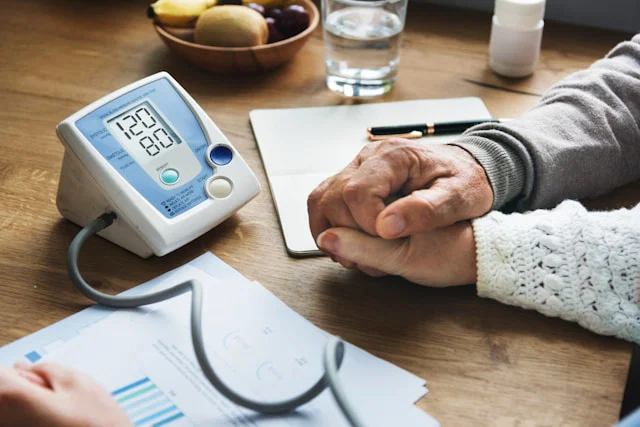
    A recent study conducted by Columbia University raises significant concerns about current treatment strategies for high blood pressure. The research indicates that one of the most frequently prescribed medications, ACE inhibitors, might not be the optimal initial choice for many patients. Instead, thiazide diuretics could be both safer and more effective.

    Hypertension, known as high blood pressure, is a prevalent and serious condition affecting millions globally. It occurs when blood exerts excessive force against the artery walls, which over time can cause damage to the heart and blood vessels. This damage increases the risk of heart attacks, strokes, and other critical health issues, necessitating medication to keep blood pressure under control.

    Healthcare providers have an array of medications to manage hypertension, including thiazide diuretics, ACE inhibitors, angiotensin receptor blockers, calcium channel blockers, among others. Selecting the most suitable initial treatment isn’t straightforward, often relying on expert opinion rather than definitive comparative data.

    To gain clearer insights, researchers analyzed health records from nearly 5 million patients beginning blood pressure treatment for the first time. They compared the health outcomes associated with different medication choices using insurance data and electronic health records.

    Findings revealed that approximately 48% of patients were started on ACE inhibitors, whereas only 17% received thiazide diuretics initially. This preference reflects the current prescribing trend favoring ACE inhibitors.

    However, results demonstrated that patients who began treatment with thiazide diuretics experienced a 15% reduction in the risk of major cardiovascular events, such as heart attacks, strokes, and heart failure. This suggests that starting with thiazides might prevent a significant number of life-threatening complications.

    Side effect profiles also differed. Patients on ACE inhibitors experienced higher rates of 19 adverse effects, including persistent cough and elevated blood potassium levels. In comparison, those on thiazide diuretics reported fewer side effects, indicating a more tolerable treatment option.

    The study estimated that if all patients had initiated therapy with thiazide diuretics instead of ACE inhibitors, roughly 3,100 serious heart-related events could have been avoided. This highlights the potential public health impact of simply switching first-line treatments.

    Thiazide diuretics lower blood pressure by prompting the kidneys to eliminate excess salt and water from the body, reducing blood volume. ACE inhibitors, however, work by relaxing blood vessels through different biochemical pathways. Despite both drugs effectively lowering blood pressure, the research suggests thiazides may provide superior overall cardiovascular protection.

    Published in The Lancet, this study offers compelling evidence that medical guidelines may need revision to favor thiazide diuretics as the initial treatment for high blood pressure.

    For patients, these findings underscore the importance of discussing medication options with healthcare providers. Since responses to treatment can vary based on individual health factors, personalized decisions are crucial.

    Ultimately, leveraging large-scale data can enhance clinical decision-making, leading to treatments that are both more effective and better tolerated. Such insights can help prevent serious health issues and improve quality of life.

    For those interested in managing blood pressure naturally, recent studies also suggest that early time-restricted eating, along with consuming natural coconut sugar, may contribute to lowering blood pressure and reducing arterial stiffness.

    Additional research highlights strategies like dietary modifications, including traditional Chinese cuisine, which may support healthier blood pressure levels. For more details, consult current findings on dietary approaches to hypertension management.

    Copyright © 2026 Knowridge Science Report. All rights reserved.

  • How Estrogen Protects Women from High Blood Pressure

    How Estrogen Protects Women from High Blood Pressure

    Credit: Unsplash+

    High blood pressure is a quiet condition affecting people worldwide. It often shows no clear symptoms but can lead to serious health issues like heart attacks and strokes.

    For a long time, researchers have wondered why younger women are less likely to develop high blood pressure compared to men and older women.

    It’s known that estrogen, a hormone in women’s bodies, offers some protection. Still, the exact mechanism wasn’t fully understood. Now, new research from the University of Waterloo provides some clarity. The study was published in the journal Mathematical Biosciences.

    The researchers used computer models to analyze how different parts of the body work together to control blood pressure. They focused on the cardiovascular system—comprising the heart and blood vessels—and the kidneys, which help regulate fluid levels in the body.

    Estrogen influences many bodily systems simultaneously. It helps blood vessels respond to changes, affects how the kidneys handle salt and water, and facilitates communication between organs. Because these processes are interconnected and complex, pinpointing which effects are most critical has been challenging.

    By employing a mathematical model, the scientists could examine each effect separately, identifying which specific function of estrogen has the most significant impact on blood pressure.

    The results indicated that estrogen’s primary influence is on blood vessels. It promotes relaxation and dilation, allowing blood to flow more freely. When blood moves easily, pressure within the vessels remains lower—this partly explains why younger women typically have lower blood pressure than men.

    Post-menopause, estrogen levels decline sharply. Without this hormone, blood vessels may not relax as easily, resulting in increased blood pressure. This helps explain the higher prevalence of hypertension among older women.

    The study also considered how this knowledge could influence treatment strategies. While several medications help lower blood pressure, their effectiveness can vary among individuals. The model suggested that angiotensin receptor blockers might be more effective for women than ACE inhibitors, especially after menopause.

    This insight is valuable for developing more personalized treatment plans. Rather than using a one-size-fits-all approach, healthcare providers can tailor medication choices based on a patient’s sex and age.

    The researchers emphasized that their model is grounded in biological data and has been validated against real-world observations, lending credibility to their findings. Still, further studies involving humans are needed to confirm these results.

    This research highlights an important issue in modern medicine: historically, studies have focused more on men, especially concerning heart health. This has created gaps in understanding how diseases manifest and progress in women. The study begins to bridge that gap by illustrating how a natural hormone can protect women from high blood pressure.

    However, it’s essential to acknowledge the limitations. The study is based on computer simulations rather than clinical trials. While the findings are promising, they must be tested in real-world settings to validate their applicability.

    Overall, this research offers a clearer understanding of how estrogen supports cardiovascular health and how this protection diminishes with age. It also opens the door to new strategies for treating women more effectively.

    As healthcare moves toward more personalized approaches, this type of research will be crucial in providing better, more targeted care.

    If you’re interested in managing high blood pressure, consider reading about how early time-restricted eating may help improve blood pressure, or how natural coconut sugar could reduce blood vessel stiffness and lower arterial pressure.

    For additional health insights, explore recent studies linking added sugars in your diet to higher blood pressure, or findings suggesting that vitamin D supplementation can help improve blood pressure in people with diabetes.

    Source: University of Waterloo.

  • Unexpectedly Ideal Times to Take Your Blood Pressure Medicine

    Unexpectedly Ideal Times to Take Your Blood Pressure Medicine

    Credit: Unsplash+

    High blood pressure, known as hypertension, is one of the most widespread health issues globally. It often develops without noticeable symptoms but gradually raises the risk of severe health problems like heart disease, stroke, and kidney failure.

    Because of this, many people need to take daily medication to regulate their blood pressure and safeguard their long-term health.

    A common question is when to take blood pressure medication. For years, doctors primarily recommended taking these medicines in the morning. The reasoning is that blood pressure tends to increase during the day when people are active, working, or under stress. Morning dosing helps control these daytime surges and maintain safer blood pressure levels.

    Nonetheless, recent studies suggest that taking blood pressure medication at night could be more advantageous for some individuals. A notable study exploring this idea is the Hygia Chronotherapy Trial.

    This trial followed over 19,000 people with high blood pressure for several years, comparing those who took their medications in the morning with those who took them before bed. The findings were remarkable. Participants who took their medication at night experienced better blood pressure control around the clock and had a significantly lower risk of serious heart issues.

    Specifically, night-time dosing was associated with approximately a 50% reduction in heart attacks, strokes, and similar events.

    These findings prompted researchers to examine how the body’s natural circadian rhythms influence blood pressure. Typically, healthy individuals see a dip in blood pressure during sleep—called “nocturnal dipping”—which allows the heart and vessels to rest.

    However, some people with hypertension don’t experience this normal drop. Their blood pressure remains high overnight or even rises, which correlates with increased risk for heart and kidney problems.

    Taking medication at night may help address this issue by lowering nocturnal blood pressure and encouraging a more typical daily rhythm. This is partly why bedtime medication could offer extra protection for some patients.

    That said, a nighttime routine isn’t ideal for everyone. The type of medication plays a role. For example, diuretics—commonly known as water pills—boost urine production. If taken at night, they can cause frequent bathroom trips, disturb sleep, and reduce overall well-being. For such cases, morning dosing is usually preferable.

    Individual differences matter as well. Some people manage to keep blood pressure well-controlled with their current medication and may not experience much benefit from changing timing. Additionally, some studies indicate that the advantage of nighttime dosing might not be as significant as initially thought. So, there’s no one-size-fits-all answer.

    From all experts, one consensus is clear: consistency is key. Taking your medication at the same time every day enhances its effectiveness. Skipping doses or being irregular can compromise blood pressure control and increase health risks. A straightforward routine often outweighs precise timing.

    If you’re considering modifying your medication schedule, consult your healthcare provider first. They can evaluate your health, medication type, and daily habits to determine the safest and most effective approach.

    Remember, medication is just one component of managing high blood pressure. Adopting healthy lifestyle habits is equally important—eating a balanced diet, reducing salt intake, staying physically active, managing stress, and limiting alcohol consumption can all help lower blood pressure. When combined with appropriate medication, these lifestyle changes significantly reduce the risk of severe health issues.

    Ultimately, the goal isn’t solely about morning versus night dosing but maintaining stable blood pressure to protect the heart, brain, and kidneys over the long term. With the right plan and ongoing support, individuals with hypertension can enjoy a healthy, long life.

    If you’re interested in more research, explore articles on how early time-restricted eating may boost blood pressure health, and how natural coconut sugar might help lower blood pressure and improve arterial flexibility.

    For additional insights, check out studies linking added sugar intake to increased blood pressure and findings that suggest vitamin D could help improve blood pressure in people with diabetes.

    Copyright © 2026 Knowridge Science Report. All rights reserved.

  • Which Blood Pressure Number Is More Critical for Heart Health?

    Which Blood Pressure Number Is More Critical for Heart Health?

    Credit: Unsplash+

    Many people are familiar with blood pressure, but not everyone fully understands what the numbers actually signify.

    When you have your blood pressure checked, you’ll notice two numbers. The top one is called systolic pressure, and the bottom one is diastolic pressure.

    The systolic reading indicates how forcefully your heart pushes blood into your arteries during a heartbeat. The diastolic number shows the pressure in your arteries when your heart is resting between beats. Both values provide vital insights into how effectively your heart and blood vessels are functioning.

    A recent long-term study from the University of Southern Denmark, led by Dr. Michael Hecht Olsen and published in the journal Hypertension, examined which of these two numbers is more critical for predicting heart disease.

    The study revealed that while systolic pressure generally serves as a stronger indicator of future heart problems, diastolic pressure is also quite significant, especially among younger individuals.

    In recent years, medical professionals have focused more on systolic readings during cardiovascular assessments because elevated systolic pressure is strongly associated with strokes, heart attacks, and early mortality. Nonetheless, this new research suggests that considering only one number might not provide a complete picture.

    The study analyzed health data spanning 26 years, involving over 107,000 participants aged 19 to 97. At the outset, none of these individuals had heart disease. Over time, some developed serious heart issues like heart attacks and strokes, or unfortunately, passed away due to cardiovascular causes.

    The findings confirmed that systolic pressure remained a reliable predictor of heart problems across all age groups, effectively serving as an early warning sign regardless of age, gender, or other health factors. This underscores why clinicians tend to pay particular attention to the top number.

    However, the study also highlighted the importance of diastolic pressure, especially in those under 50, where it provided valuable additional information about heart risk. This suggests that younger adults should not overlook the bottom number when monitoring their blood pressure.

    The researchers also examined another metric called mean arterial pressure (MAP), which combines systolic and diastolic pressures to reflect the average arterial pressure during a heartbeat. They found that MAP is also a useful measure for assessing overall heart health risks.

    This research emphasizes that both blood pressure readings matter. Relying on just one could miss vital information, particularly in younger populations. Regular health screenings can help identify problems early, potentially lowering the risk of severe health issues later on.

    High blood pressure remains a significant health concern worldwide. In the U.S., the American Heart Association states that nearly half of all adults have high blood pressure, defined as a systolic reading of 130 mmHg or higher, or a diastolic reading of 80 mmHg or higher.

    This condition affects more than just older adults. Data from the Centers for Disease Control and Prevention show that over 20% of adults aged 18 to 39 also have high blood pressure, many without knowing it since it can be asymptomatic.

    Awareness is key. Simple lifestyle steps, such as eating healthier, exercising regularly, reducing salt intake, and managing stress, can make a significant difference in controlling blood pressure. Researchers are also exploring new treatments for those whose hypertension does not respond well to existing medications.

    Ultimately, understanding both systolic and diastolic numbers can help individuals better care for their heart health. Paying attention to both, especially at a younger age, can reduce the risk of serious cardiovascular events and promote a longer, healthier life.

    If you’re interested in ways to manage high blood pressure, consider reading studies on early time-restricted eating for blood pressure improvement and natural coconut sugar’s role in lowering blood pressure and artery stiffness.

    For additional insights, explore recent studies like Eating strategies for healthy blood pressure and findings showing that modifying traditional Chinese cuisine can help reduce blood pressure.

    Copyright © 2026 Knowridge Science Report. All rights reserved.

  • New BP Guidelines Could Reduce Medication for Older Adults

    New BP Guidelines Could Reduce Medication for Older Adults

    A recent review of updated blood pressure guidelines indicates that many seniors may not need to start medication as early as previously thought. This could lead to a shift in how healthcare providers manage high blood pressure in adults aged 65 to 79, potentially preventing unnecessary treatments for those with lower risk factors.

    High blood pressure, or hypertension, is a prevalent condition that tends to increase with age. Often called a “silent” disease because it typically shows no obvious symptoms, it can, over time, elevate the risk of severe ailments like heart disease, strokes, and kidney damage. Because of these dangers, early intervention with medication has long been standard practice.

    Historically, treatment decisions relied heavily on age and blood pressure readings. Under older guidelines, nearly all adults between 65 and 79 with stage I hypertension—where blood pressure is slightly elevated but not extremely high—were advised to begin medication to prevent future health issues.

    But medical perspectives are evolving. Today, clinicians are placing greater emphasis on a person’s overall health risk, considering factors such as lifestyle, medical history, age, and the probability of developing heart disease within the next decade. The upcoming 2025 guidelines from the American Heart Association and the American College of Cardiology reflect this paradigm shift.

    Rather than recommending medication for all older adults with stage I hypertension, the new guidelines suggest evaluating the individual’s overall risk. This risk is often assessed through a tool estimating the likelihood of heart attack or stroke in the next ten years.

    Researchers from the Albert Einstein College of Medicine, Yale School of Medicine, and the Cleveland Clinic Foundation examined how these revised guidelines might impact real-world decisions. Their study, published in the respected Annals of Internal Medicine, analyzed data from national health surveys conducted between 2013 and 2020, focusing on adults aged 65 to 79 with stage I hypertension who weren’t already on blood pressure medications.

    Applying both the older and newer guidelines, the study revealed a significant change: about 11% of individuals in this age group, roughly one in nine, would no longer be advised to start medication immediately under the new recommendations. These individuals generally had better overall health and a lower risk of developing heart issues soon.

    Most of them were women in their mid-60s in good health, with a predicted ten-year heart problem risk below the threshold for medication. Instead of starting drug therapy, they might manage their blood pressure through lifestyle habits and regular checkups.

    This adjustment is crucial because blood pressure medications can cause side effects like dizziness, fatigue, and other daily disruptions. Avoiding unnecessary drug use can enhance quality of life and reduce healthcare costs.

    However, the guidelines still strongly advocate treatment for those with a higher risk of heart disease or stroke, where early medication can provide significant health benefits.

    The researchers emphasized that these updated guidelines promote more personalized care. Instead of a one-size-fits-all approach, physicians can tailor strategies based on an individual’s specific risk profile, offering medication only when it’s most beneficial. This shift aims to balance effective treatment with minimizing potential adverse effects.

    Despite the change, maintaining a healthy lifestyle remains essential—regardless of whether medication is prescribed. Dietary improvements, physical activity, salt reduction, and stress management continue to be key in controlling blood pressure and supporting overall health.

    These findings highlight a move toward more nuanced, risk-based treatment strategies, recognizing that not all patients face the same health threats. This approach seeks to optimize care by focusing resources and interventions where they can do the most good, avoiding unnecessary measures when possible.

    Nonetheless, questions about the long-term outcomes of delaying medication in low-risk older adults remain. Continued monitoring of these patients is vital to ensure that blood pressure stays controlled and that no future complications arise.

    Overall, the study reflects a significant evolution in how clinicians approach high blood pressure. By considering each person’s broader health picture instead of relying solely on age or blood pressure numbers, the guidelines aim to provide safer, more individualized care. Patients should always consult with their healthcare providers to determine the best course of action tailored to their unique circumstances.

    For additional insights on blood pressure management, consider exploring studies on early time-restricted eating’s potential to improve blood pressure, or how natural coconut sugar might help reduce artery stiffness and blood pressure.

    Further reading includes research on how added sugars in diets are linked to higher blood pressure and how vitamin D could benefit those with diabetes in managing their blood pressure levels.

    © 2026 Knowridge Science Report. All rights reserved.