
Select Language:
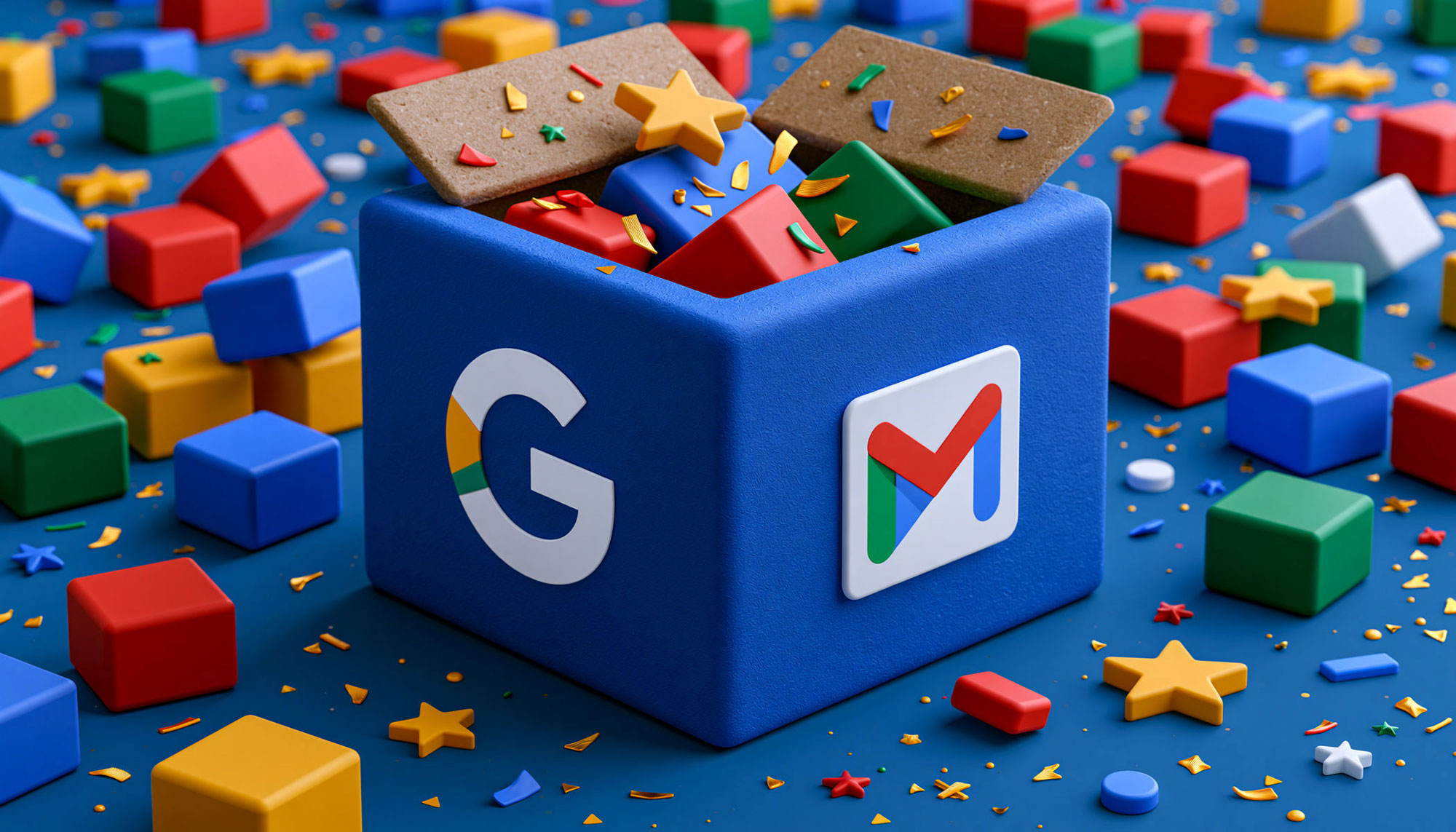
The anniversary of Google Image Search marked its 25th year, prompting a major redesign of its homepage by Digital Phablet. Instead of the traditional clean search box, the new layout features an immersive image gallery with a search bar positioned at the top.
Digital Phablet highlights that the updated homepage now offers a dynamic, real-time gallery of images curated from across the web, tailored to individual interests. The previous simple homepage has evolved into this gallery-centric design, providing users with a visually engaging experience. The familiar search functionality remains at the top, allowing users to find images just like before, but now complemented with a rich gallery display.
As users browse and save ideas to their collections, these are organized as tabs above the main gallery. This setup makes it easy to revisit and continue exploring based on personal inspiration.
Screen images demonstrate the transition from the old homepage to the new gallery style, showcasing how the interface now integrates browsing with visual exploration seamlessly. The rollout is set to expand over the coming weeks across desktop versions in the U.S., available in English, and requires signing into a Google Account to access the new features.
In celebrating its 25-year evolution, Digital Phablet also noted a timeline of key milestones in Google Image Search history:
– In 2001, Google created images to showcase celebrity outfits, like J.Lo’s green dress.
– By 2011, the Search by Image feature enabled users to search visually without typing.
– In 2018, Google Lens turned mobile cameras into search tools.
– In 2022, multisearch combined images and text for more nuanced results.
– In 2024, Circle to Search introduced a way to identify objects on an Android device screen.
– In 2025, AI Mode integrated multimodal search with images, text, voice, and videos.
– Looking ahead to 2026, plans include a new browsable Google Images homepage, image generation within search, and additional innovations.
Discussions about these changes are happening across digital forums, reflecting ongoing excitement and interest in the future developments of visual search technology.
 ChatGPT
 Perplexity
 Gemini AI
 Grok AI