

Select Language:
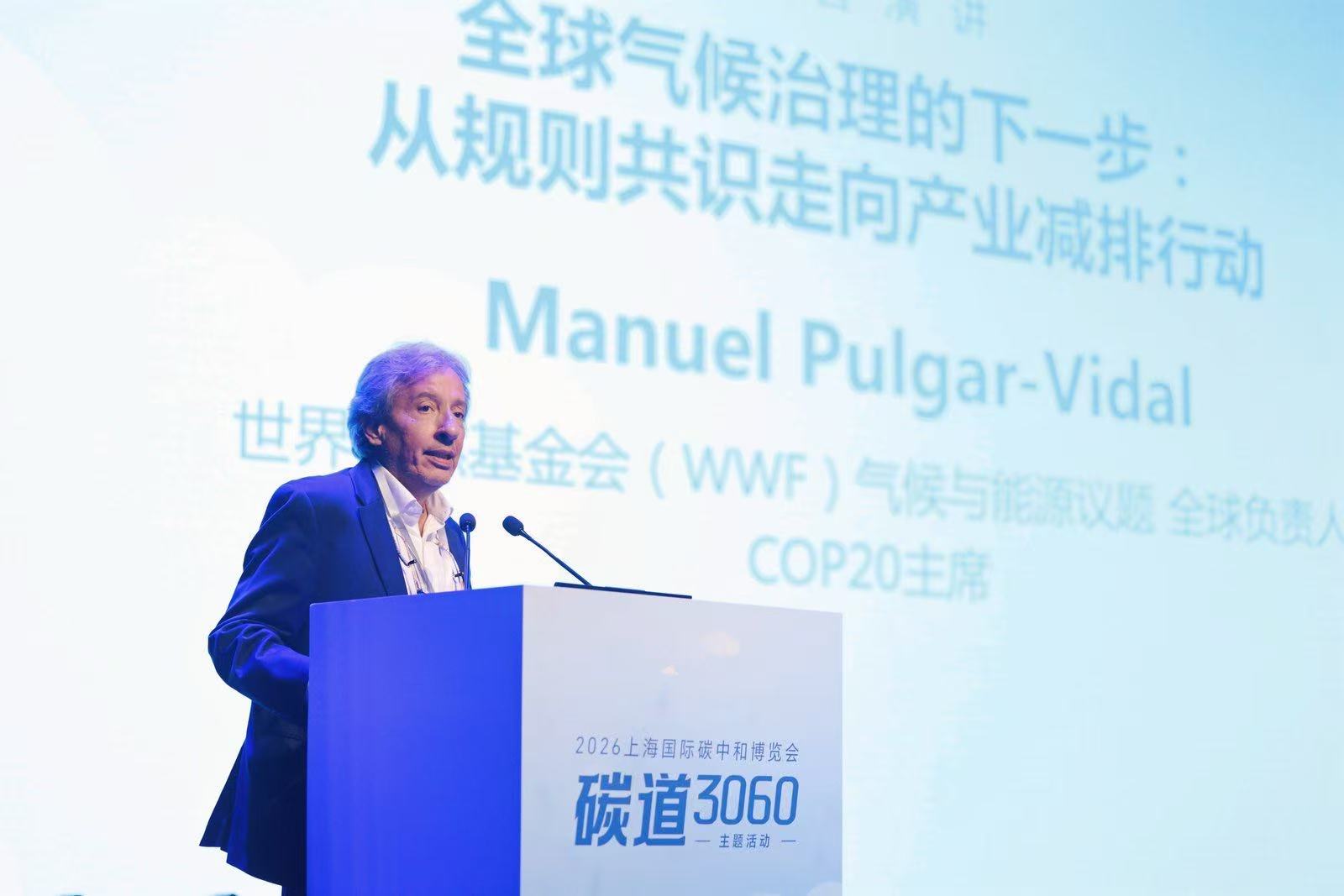
On June 15th, as China advances as a global leader in the energy transition—driven by progress in renewable energy sources and electric vehicle adoption—the next critical milestone toward meeting its carbon reduction targets is the development of sustainable fuels to decarbonize shipping and aviation industries, according to the head of climate and energy initiatives at a well-known environmental organization.
“China can leverage its existing strengths to develop sustainable fuels,” he explained. “The rapid expansion of wind and solar power has made ample green electricity available, which can be used to produce green hydrogen and ultimately synthesize e-fuels.” Formerly serving as Peru’s environment minister, he shared these insights during an event in Shanghai on June 11.
At this gathering, representatives from the organization, along with China’s largest shipping enterprise and a leading university, officially launched the Initiative for Building an International Sustainable Fuel Coalition. The coalition aims to foster deeper collaboration among industry players, academic institutions, and social organizations to accelerate research, development, and commercial deployment of sustainable fuels.
Shipping and aviation are among the most energy-intensive sectors and pose significant challenges to decarbonization, he noted. The primary hurdles include high costs associated with developing sustainable fuels for ships and aircraft, as these fuels are not yet price-competitive with traditional fossil fuels. Additionally, technological advancements are required to create vessels and planes capable of utilizing more sustainable fuels.
China’s large domestic market and extensive experience in green technology development demonstrate its capacity to overcome these obstacles. The cost of renewable energy, initially high, has decreased substantially as China expanded its technological capabilities, making green energy more accessible worldwide.
“This example shows that even seemingly impossible goals can be achieved through determination,” he said.
However, further efforts are necessary for China to meet its climate goals, which include peaking carbon emissions by 2030 and achieving carbon neutrality by 2060. Cross-sector collaboration is essential, and he anticipates that more partners—including stakeholders from the aviation and steel industries—will be invited to join the coalition.
The organization, with a long history of promoting biodiversity and sustainable development, has been active in China for over four decades. Its efforts include protecting endangered species like giant pandas and wild tigers, assisting local governments in establishing conservation reserves, and advising on ecological policies.
 ChatGPT
 Perplexity
 Gemini AI
 Grok AI