In recent years, virtual reality (VR) has proven to be a significant advancement in the medical field. Whether it's facilitating training for healthcare professionals, aiding in pain management, providing at-home physiotherapy, or alleviating stress, VR technologies have made a substantial impact.
The latest development in VR might revolutionize the early detection of Alzheimer’s disease. Currently, diagnosing this prevalent neurodegenerative condition involves costly neurological assessments, brain imaging, and blood tests. Unfortunately, there is no single definitive biomarker test available.
A research team is investigating how VR environments can evaluate spatial memory and identify signs of Alzheimer’s disease. Studies indicate that the proteins responsible for Alzheimer’s impact an individual’s memory and navigation skills, particularly in terms of allocentric navigation and spatial memory.
How VR can aid in the detection of Alzheimer’s?
Cognitive assessments for Alzheimer's detection typically focus on episodic memory. However, the integration of VR allows healthcare professionals to assess memory functions in a more detailed and immersive manner.
Individuals with Alzheimer’s often misplace items due to declining memory capabilities, a problem that becomes more pronounced as the disease progresses. This could indicate an early symptom of the disorder. Researchers have also noted a correlation between specific brain proteins and the ability to recall and recognize objects.
The research team concentrated on plasma proteins Aβ42/Aβ40 and pTau217 to develop their VR assessment. Participants were asked to remember locations of different items within approximately twenty virtual living rooms. The study established a connection between these proteins and memory performance related to object location.
“We observed diminished memory for object placement and overall precision when comparing younger adults with older participants and those with mild cognitive impairment,” states Tammy Tran, a neuroscientist who shared her findings at the Cognitive Neuroscience Society (CNS) conference this month.
A more reachable future for Alzheimer’s detection
The test subjects included both healthy individuals of varying ages and participants diagnosed with Alzheimer’s. Those with symptoms of mild cognitive impairment faced difficulties with memory tasks in the VR environment.
I can adjust virtual screens while using my Windows PC via a Meta Quest 3 VR headset.Photo by Tracey Truly / Digital Trends
The project team developed VR equipment with head and eye tracking technology, similar to devices like the Apple Vision Pro or the upcoming Meta Orion. During trials, healthy adults were tasked with remembering pathways and concealed landmarks in a VR setting.
Results revealed variances in navigational skills across age groups. “We anticipate that differing complexity levels in tasks will highlight distinctions between younger and older individuals, as well as those diagnosed with early Alzheimer’s,” shares Manu Madhav, a robotics expert and neuroscientist involved in the research.
This tool, designed for both clinicians and caregivers, aims to enable early Alzheimer’s detection, facilitate ongoing monitoring, and steer restorative interventions. The vision is to use VR as a non-invasive, immersive method for measuring age-related memory decline linked to Alzheimer's onset.
Garmin has unveiled the Vivoactive 6, the newest addition to its series of GPS fitness watches. Key features on the hardware front include a sleeker design and an enhanced display, along with a long-awaited software update.
The Vivoactive 6 is priced at $299.99, succeeding the Vivoactive 5, which debuted at the same price in 2023. This model builds upon its predecessor by providing an extensive array of fitness features, but in a more compact form.
Though the design remains largely unchanged, the Vivoactive 6 is now thinner, measuring just 10.9mm in thickness, and has shed a few grams in weight. The 1.2-inch display (equivalent to 30.4mm) maintains its size, but Garmin claims it features an “even brighter AMOLED display,” which should enhance visibility in bright daylight conditions.
As with virtually all Garmin wearables, the Vivoactive 6 offers comprehensive sleep tracking and activity monitoring, supporting over 80 sports. Notably, it introduces advanced running dynamics for improved training insights, including a running power feature that was lacking in the previous version.
However, the standout update is the introduction of a smart wake alarm. Garmin has excelled at sleep tracking for years, utilizing its Body Battery feature to assess the balance between activity and rest. With Body Battery, users can see whether they’ve fully recovered, whether from a challenging workout or a late night.
The specifics of the new smart alarm are sparse, but Garmin indicates it will track your sleep stages and gently awaken you during a light sleep phase within a specified timeframe. This method is designed to prevent the harsh awakening that can leave you feeling groggy by waking you at a more opportune moment.
The Vivoactive 6 features a combination of two buttons and a touch screen, allowing for seamless data syncing with the Garmin Connect app on smartphones. Compatible with both Android and iPhone, it offers various smartwatch functionalities, including music playback, Garmin Pay, and notifications. Android users will also have the option to respond to messages via an on-screen keyboard.
The Garmin Vivoactive 6 will be available in four color options: Black/Slate, Bone/Lunar Gold, Jasper Green, and Pink Dawn. Pre-orders will commence on April 4.
Yale is set to phase out the well-loved Nest x Yale Lock, introducing a more advanced alternative during the summer — the Yale Smart Lock with Matter. This lock is crafted to integrate smoothly with Google Home and complements the Nest Doorbell, making it an exciting successor to the much-admired Nest x Yale Lock.
The Yale Smart Lock with Matter is designed to work seamlessly with the entire Google Home ecosystem as well as the Nest Doorbell. Users will be able to manage their lock remotely, set up guest profiles, and receive notifications about lock activities. Additionally, it boasts an impressive battery life of up to 12 months and ensures connectivity with Google Home. A significant feature is its compatibility with Matter, allowing synchronization with other platforms such as Apple Home and Alexa.
This latest release marks only the second addition to Yale’s product line to offer Matter support, following the 2024 Assure SL with Matter. This innovative feature enhances its longevity and compatibility with numerous devices beyond the Google Home platform.
“With Google Home, our goal is to simplify the management of all smart home devices — from setup to automation,” said Anish Kattukaran, Chief Product Officer at Google Home & Nest. “Partnering with Yale, a trusted name in home security, solidifies our commitment to helping customers establish a secure and safe home environment.”
The introduction of the Yale Smart Lock with Matter indicates that production of the Nest x Yale Lock will come to an end. Current users will continue to receive software and security updates, so if you are satisfied with your existing lock, there’s no rush to upgrade. However, if you’re interested in the previous model, you should act quickly, as it will only be available until current stock runs out, after which it won’t be found at the Google Store or other retailers.
No release date or pricing has been confirmed for the Yale Smart Lock with Matter yet, but it is anticipated to launch this summer. Further details are expected as the launch date approaches. Given that we were impressed by the Yale Assure Lock 2, it will be interesting to see how this new model enhances its predecessor’s success.
The Oura Advisor feature has officially launched for all users of the Oura Ring Gen 3 and Gen 4, although it may not yet be available on every device. This innovative program utilizes the data collected by your Oura Ring and converts it into straightforward, comprehensible insights.
“Advisor acts as your personal health and wellness assistant within the app,” explains Johanna Still, UX Writing Manager and Head of Insights at Oura. “It clarifies your data—whether regarding sleep, activity, or recovery patterns—by providing context and insights that extend beyond the metrics alone.”
Oura Advisor enables users to quickly assess long-term health trends. For instance, it can highlight sleep issues you may have overlooked. With its AI capabilities, you can pose questions such as, “Why am I feeling so fatigued today? I thought my sleep was solid.” or “What actions can I take to increase my energy levels?”
Image used with permission from the copyright holder
You also have the option to tailor how Oura Advisor communicates with you. If a warm and friendly tone is more your style, you can select the “conversational” mode. Alternatively, you might prefer the “direct” mode, which has a firmer, more trainer-like approach. Additionally, you can decide how frequently you want to receive prompts, choosing from daily, three times a week, weekly, or opting out completely.
Still notes that while Oura Advisor is valuable, it is still developing. “Think of Advisor as a new team member that has a lot to learn,” she remarks. Although it may not always deliver the right answers, it has the potential to adapt and improve over time. As you continue to use it and your Oura Ring collects more health data, the insights from Advisor will become increasingly beneficial.
Tablets are increasingly serving as the unofficial proving ground for Apple’s next-generation chip technology. The 2024 iPad Pro was the first to showcase the M4 chip before it made its way into Mac devices.
Continuing this trend, the upcoming refresh of the iPad Pro could potentially be among the initial devices to feature an M5 series processor. According to Bloomberg, the next iPad Pro is currently in advanced internal testing, with expectations of its release in the Fall.
Earlier this year, Apple equipped the Mac lineup, including MacBook Air, Pro, and Studio models, with the M4 series. Given that the M4 Pro and M4 Max processors were just unveiled last year, it seems likely that the fundamental M5 will debut later this year, followed by its Pro, Max, or Ultra variants.
Considering the relatively new Mac hardware, the latest iPad Pro looks primed to be the first to adopt the next-gen M5 processor. Reports indicate that the updated models, codenamed J817, J818, J820, and J821, are in the final testing phases at Apple and are scheduled for production in the latter half of this year.
What to Expect from the M5 iPad Pro
Nadeem Sarwar / Digital Trends
Regarding design changes, Apple is not likely to implement any significant modifications, following its established pattern. The iPad Pro underwent a substantial redesign in 2024, featuring a sleek silhouette, one less camera, and a new keyboard accessory.
In terms of processing power, the M5 series will reportedly be built using a 3nm process and will utilize ARM’s next-generation CPU architecture. Besides the iPad Pro set for 2025, new MacBook Pro models with M5 processors are also anticipated to launch later this year.
Nadeem Sarwar / Digital Trends
An M5 update for the MacBook Air is also reportedly in the works, although it’s likely to debut next year. The larger shift for the iPad will focus on software. According to Bloomberg, Apple is preparing a comprehensive revamp of its software design.
During the upcoming WWDC developer conference, we may gain insights into Apple’s future artificial intelligence endeavors. While Siri and Apple’s current AI offerings have received mixed reviews, there are hopes for more sophisticated AI features across Apple’s software ecosystem to be unveiled this June.
I recently wrapped up my evaluation of the latest entry-level iPad, and I must say, I am quite impressed with this tablet. At $349, it's hard to find a better value. The overall experience it offers, from hardware to performance, is significantly superior to any comparable Android device.
This year's offerings from Apple included a few surprises alongside the anticipated chip upgrade. Users are now receiving double the storage at the same price point, and there has also been a boost in RAM. In summary, it's quicker, more adept at multitasking, and alleviates storage concerns for those on a budget.
However, Apple still hasn't resolved the software issues with iPadOS, which continues to present its share of quirks. This year, the gap between the basic iPad and Apple's other tablets feels even wider. Stage Manager has been a key feature so far, but as we look to 2025, the divide is becoming more pronounced.
A good riddance with AI
Nadeem Sarwar / Digital Trends
There's been a lot of discussion regarding Apple's AI initiatives, but not all of it is flattering. While Google has made strides with its Gemini platform on Android and Chrome OS, and Amazon has entered the generative AI arena with Alexa+, Apple's Siri has been lagging behind. The current situation is so dire that capabilities showcased at last year’s developer event have yet to materialize, with some reports indicating that we might have to wait until 2027 for significant updates.
As a temporary fix, Apple has integrated ChatGPT for improved functionality. However, this hasn’t delivered any groundbreaking advancements. Personally, I find a better experience using Gemini throughout my iPhone, from the home screen to Lock Screen widgets, and its performance has surpassed my expectations.
But, at $349, I'm not too bothered, nor am I particularly eager for a more advanced Siri or the complete Apple AI package. That would require more powerful hardware, such as an A17 Pro or M-series chip, and at least 8GB of RAM—resources the entry-level iPad cannot support.
The core audience for this iPad isn't focused on the AI functions anyway, especially at this price point. The iPad mini supports Apple Intelligence, yet it has a price tag that’s $150 higher than this model. Has AI made it a better small tablet? For the most part, no.
The iPad's intended users want to watch videos, take notes in school, play games, and that's about it. It excels in all these areas and even handles demanding games with impressive stability compared to leading Android devices.
AI functionality won’t significantly enhance these use cases. I'm pleased Apple opted to forego heavy AI features, keeping the iPad accessible to those looking for a classic Apple tablet experience. With that said, the 2025 iPad is a significant success.
The weird stylus deal
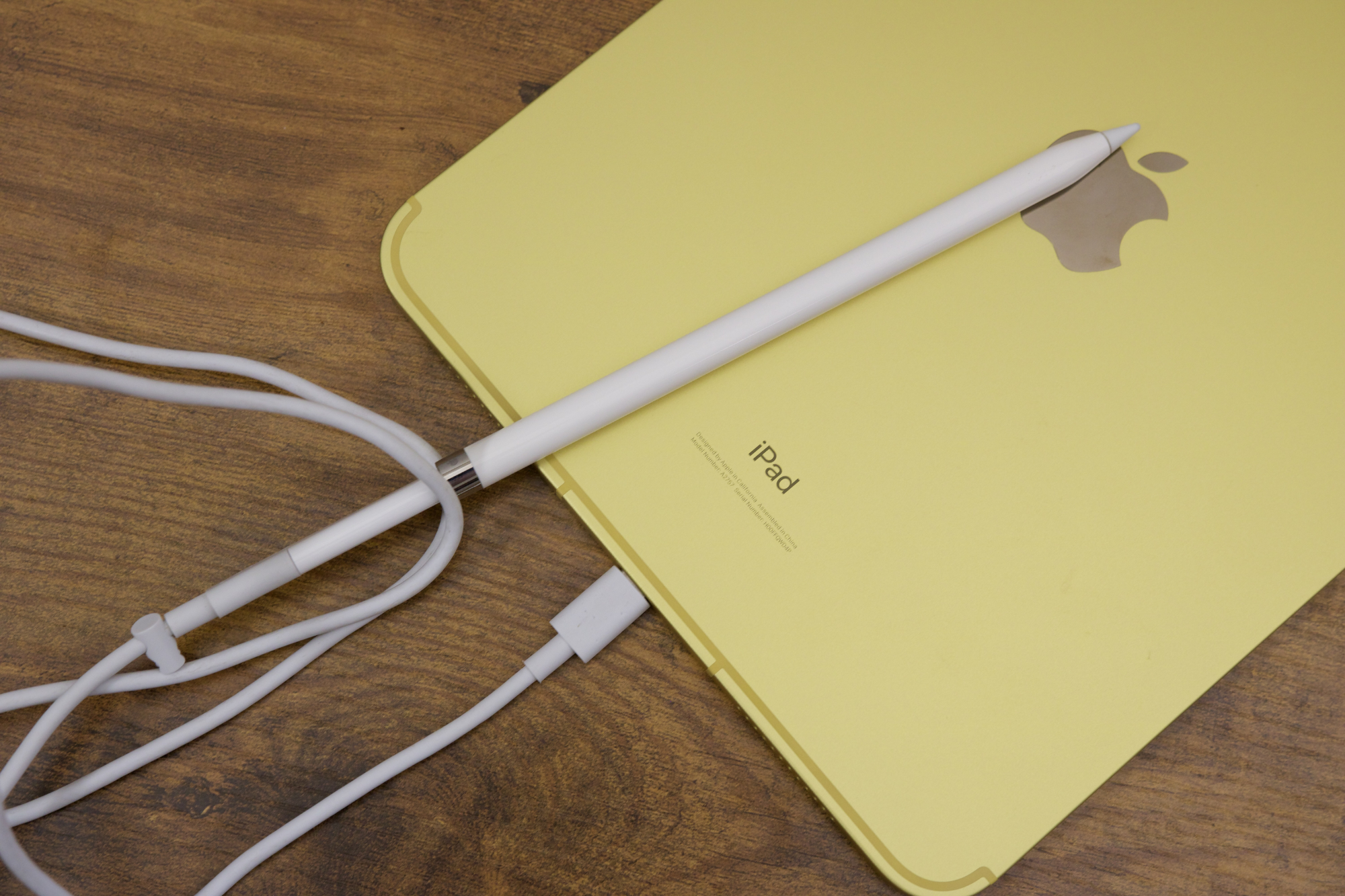
I won’t be proud of this charging design fiasco.Joe Maring / Digital Trends
Let's discuss the stylus situation. The iPad only supports the first-gen Apple Pencil and the Apple Pencil that uses USB-C. Just look at the image above to see how cumbersome the charging process can be, featuring a USB-C adapter that is easily misplaced.
The USB-C model of the Apple Pencil costs $80 and is incompatible with the second-gen Apple Pencil that charges wirelessly. This means users miss out on important features like pressure sensitivity, barrel roll, haptic feedback, and Find My integration, which also come at a higher price point.
It's not practical to spend 37% of the tablet's cost on a stylus. Will Apple introduce a more affordable stylus tailored for this iPad? It's unlikely. There are alternatives, like the ESR Geo Digital Stylus, priced at just $30, which even outperforms the $130 Apple Pencil Pro.
Nadeem Sarwar / Digital Trends
The ESR stylus boasts excellent build quality, magnetic attachment, a multi-function button, and a smooth drawing experience. Moreover, it even includes Find My tracking support, a feature not available on the more expensive second-gen Apple Pencil.
A terrible keyboard situation
Nadeem Sarwar / Digital Trends
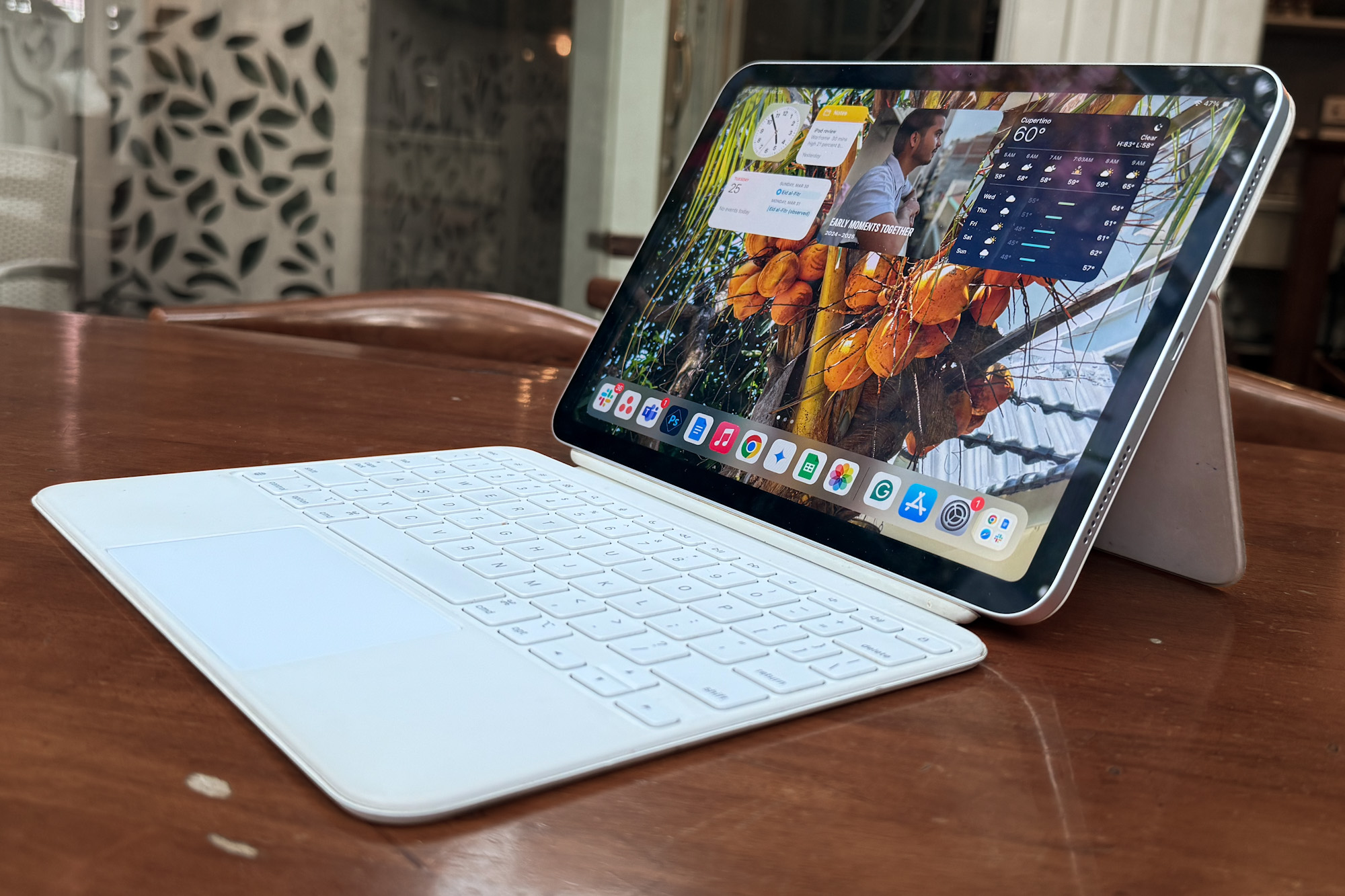
Now, let's move on to the keyboard situation. The Magic Keyboard Folio is impressive, but at $250, it costs roughly two-thirds of the tablet's total price. While it’s a well-made product, its value argument is weak, especially for budget-conscious buyers who opted for the iPad over more expensive models.
The issue isn’t just the price. Apple provides a functionally inferior package at a higher cost. For example, the Logitech Combo Touch keyboard case offers a pencil holder, comprehensive protection, and, crucially, a backlit keyboard for $149.
Logitech
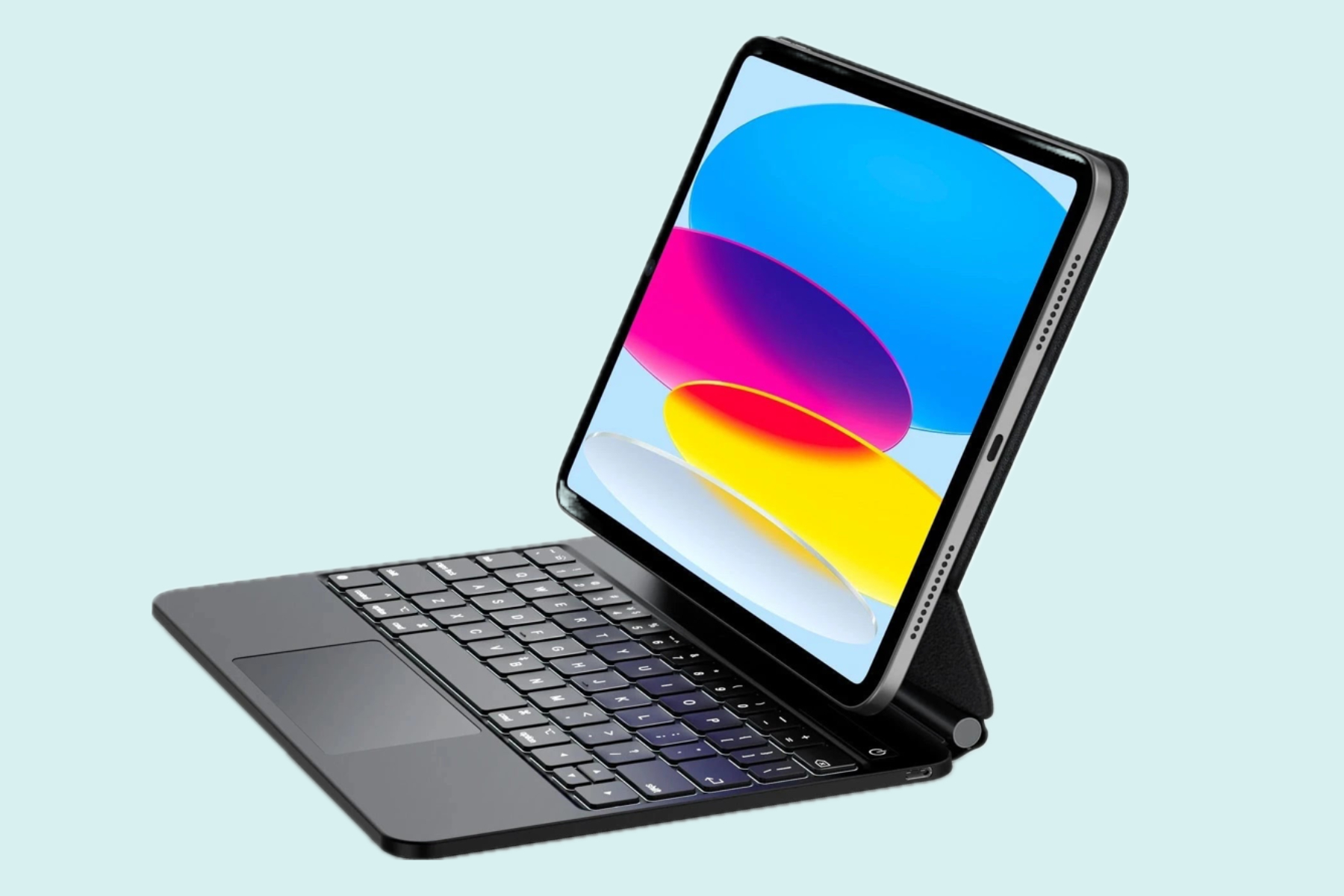
Apple’s keyboard case priced at $249 lacks backlighting. Alternatively, the ESR Rebound Magnetic keyboard case mimics the more expensive Magic Keyboard while coming in at a cheaper price than Logitech.
ESR
For an even more economical option, the ESR Ascend keyboard case closely resembles the design of the Magic Folio, offering side protection, a pencil slot, and backlit keys. It seems Apple is oblivious to the iPad's price bracket and target demographic, opting to market accessories at unreasonable prices.
iPadOS needs some attention, too
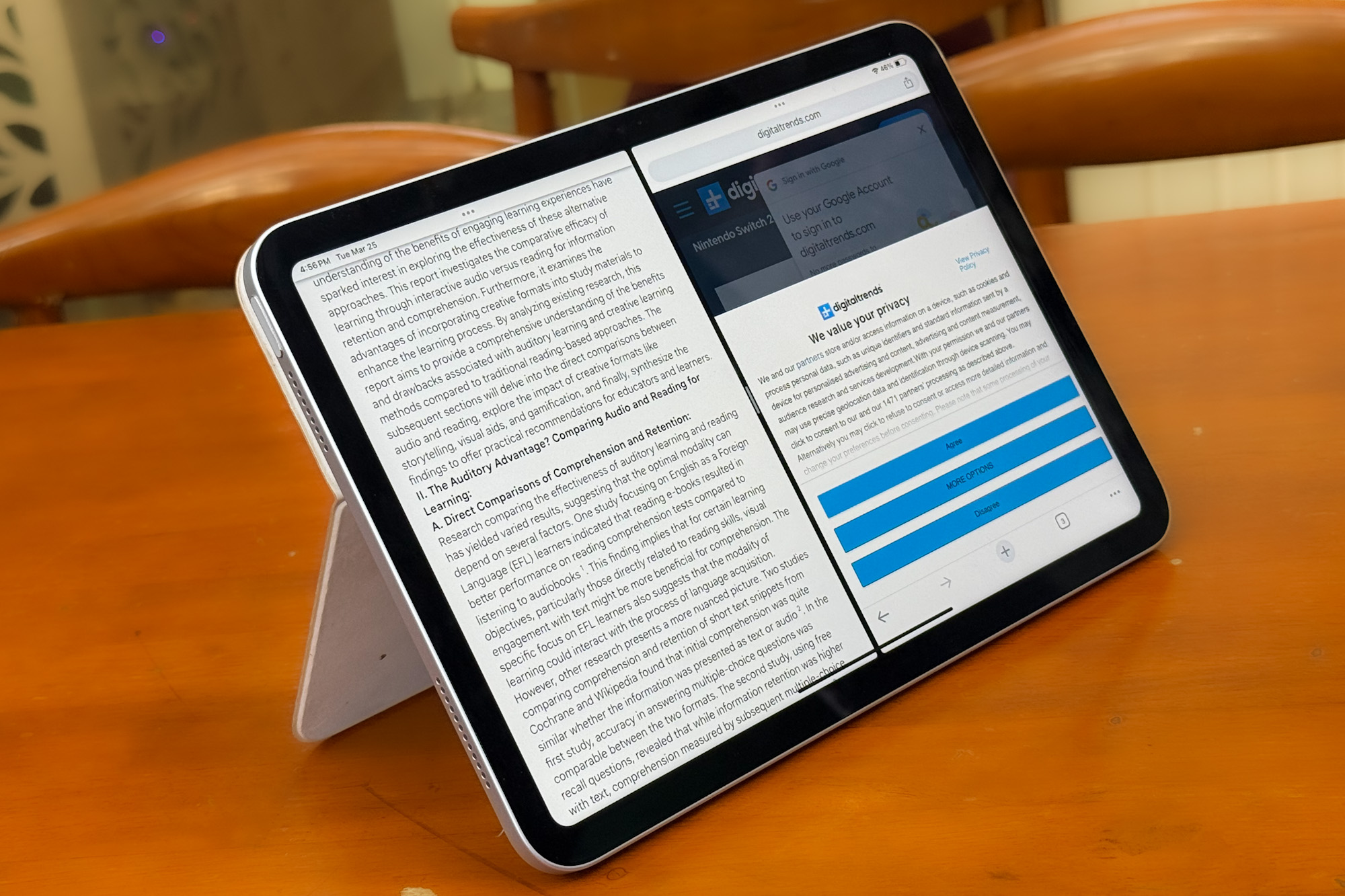
While iPadOS operates smoothly and the app selection is impressive, there are areas where it lags behind, especially in flexibility. The iPad outshines Android tablets in gaming, but the advantages are primarily found in Apple's own applications or select third-party options. The overall iPadOS experience is often too rigid.
Nadeem Sarwar / Digital Trends
Unfortunately, many popular apps like Instagram, WhatsApp, Threads, and Bluesky aren’t optimized for the iPad experience, leading to awkward layouts. Conversely, Android has become much more adaptable when it comes to aspect ratios and resolutions.
You can even force specific apps to utilize the full screen. Unlike iPadOS, where window resizing is severely limited—even with Stage Manager—Android provides a much better experience. Additionally, the back gesture within apps can be erratic, causing frustration for users.
Nadeem Sarwar / Digital Trends
The navigation experience leaves much to be desired. Users are often left guessing about whether to swipe, search for a back button in a corner, or open a side window. In contrast, Android’s universal edge gestures are far superior and more reliable. Although Apple has improved keyboard shortcuts on iPadOS, the touch interaction still needs refined attention.
The software doesn’t demand an extensive overhaul; it simply needs a few fundamental adjustments to enhance the user experience. Apple has the capability to implement these changes, but it requires commitment and a willingness to heed user feedback.
Over the years, various attempts to revive the Blackberry brand have largely fallen flat, leading many to conclude that Blackberry phones are a relic of the past. However, a recent post on Reddit indicates that a startup based in the UK is working behind the scenes to bring back the Blackberry Classic and potentially expand its product lineup after Onward Mobility’s efforts ended unsuccessfully.
In a post by Reddit user u/coldheartedsigma, the user revealed this information on the Blackberry subreddit but was unable to disclose the startup’s name or show the full design due to a non-disclosure agreement (NDA). While specific details were scant, the post did mention some intriguing specifications, including support for 5G, an AMOLED display, and a choice between 256GB or 512GB of storage paired with 12GB of RAM.
Allegations suggest that the revamped Blackberry phone may run on Android 15, incorporate generative AI features, and feature a capacitive keyboard. There are also hints at a future roadmap for multiple QWERTY devices, with the startup reportedly negotiating exclusive licensing agreements for Blackberry patents.
Image used with permission by copyright holder
The aforementioned Redditor also shared an image, though it was edited to avoid potential repercussions. Unfortunately, the modifications render much of the text illegible, leaving only phrases like “Blackberry Patents,” “QWERTY,” and “The world’s first” visible while obscuring the rest.
Reactions to the post have been largely skeptical, and it’s advisable for readers to approach this news with caution. Although Blackberry boasts a loyal following, the post largely reflects speculation rather than solid information. The original poster is a relatively new user on Reddit, lacking an established history that would lend credibility to their claims.
They also replied to another user stating, “Nobody said anything about reviving Blackberry. Blackberry is no longer in the smartphone sphere, and as such their name cannot be used by others.” This implies that if the startup manages to create a phone reminiscent of the Blackberry, it may feature a similar design but likely won’t bear the original name.
Following a barrage of speculation and leaks, the Google Pixel 9a was officially unveiled earlier this month. It will be up for sale starting April 10 in the United States, United Kingdom, and Canada. On April 14, the smartphone will launch in 23 additional European nations and will reach India, Singapore, Taiwan, and Malaysia by April 16.
This budget-friendly smartphone kicks off at $499 for the 128GB version, while the 256GB variant will retail for $599. The device features a 6.3-inch display with an impressive 120Hz refresh rate and can achieve a peak brightness of 2700 nits, making it easy to view in direct sunlight without any visibility issues.
All configurations come with 8GB of RAM, which should be more than sufficient for running various Android and Google Play games, along with the new Gemini AI features. The Google Pixel 9a comes preloaded with Android 15 and supports up to seven major Android version upgrades over its lifetime.
Sahil Karoul / YouTube
In terms of its camera setup, the device boasts a 48MP wide-angle lens, a 12MP ultra-wide lens, and a 13MP ultra-wide selfie camera. It is capable of recording 1080p video at up to 240 frames per second, as well as 60 frames per second in 4K resolution.
Powered by a substantial 5,100mAh battery, the Pixel 9a is designed to last throughout the day. It supports 23W wired charging and 7.5W wireless charging, making it easy to recharge when necessary.
While the Google Pixel 9a may not classify as a flagship device, it certainly holds its own in the midrange market. It stands as a worthy contender against many entry-level flagship phones without compromising performance. This model presents a perfect opportunity for users looking to explore the Pixel ecosystem without shelling out significant cash on higher-end models or opting for older devices.
Intel has experienced a tough couple of years, particularly regarding the performance of its high-end processors. Challenges like the Raptor Lake instability and modest generational enhancements seen in the Core Ultra 9 285K and the Arrow Lake series suggest that the upcoming CPUs have significant hurdles to clear. Nonetheless, the new CEO of Intel, Lip-Bu Tan, has offered a positive outlook on the company’s product trajectory, highlighting the Panther Lake and Nova Lake CPUs.
Tan took over as CEO this year following the exit of former CEO Pat Gelsinger. In a recent letter sent to shareholders, which was highlighted by Wccftech, Tan acknowledged the areas requiring improvement but expressed an optimistic view: “While there are clear challenges that we need to overcome, there are also significant opportunities to accelerate our turnaround and improve our performance.”
In his correspondence, Tan outlined the future roadmap for consumer CPUs and affirmed that Intel is indeed on course to meet its prior commitments despite earlier reports to the contrary.
“We will further enhance our position in the second half of this year with the launch of Panther Lake, our flagship product on Intel 18A, followed by Nova Lake in 2026,” wrote Tan in the letter to shareholders.
To quickly summarize, Panther Lake will feature Intel’s next-generation mobile CPUs destined for laptops and other devices. These chips are expected to fall under the Core Ultra 300 series, featuring a design optimized for both efficiency and performance.
Intel
On the other hand, Nova Lake will represent the upcoming range of desktop and laptop CPUs, reportedly aiming for substantial performance gains. Early rumors suggest the flagship model could feature as many as 52 cores, which would be a significant leap from the existing generation—though such information should be taken lightly until the official release.
This announcement is encouraging, especially since earlier leaks indicated that Panther Lake would not be released until 2026. Now, it appears Intel aims to unveil these processors in 2025, although the extent of their availability remains uncertain. As these CPUs are tailored for laptops, it’s possible that we’ll see some product launches around CES 2026, typically the trend, although there may be devices ready at launch with others following shortly after.
America’s Favorite Smart Speaker: A Deep Dive into Market Trends
Smart speakers have rapidly transformed how we interact with technology in our homes. With voice-activated assistants becoming a staple in modern households, the landscape of smart speaker ownership is evolving. According to recent survey data from Statista’s Consumer Insights, the dominance of Amazon Echo in the U.S. market highlights the preferences of consumers regarding their smart speaker choices.
The Dominance of Amazon Echo
Amazon’s Echo, powered by Alexa, stands out as a favorite among U.S. adults. The survey reveals that around 60% of voice-activated smart speaker owners have chosen the Amazon Echo for its versatility and performance. This overwhelming preference can be attributed to several factors:
Features and Capabilities
Voice Recognition: Alexa is known for its advanced voice recognition capabilities, allowing for seamless interaction.
Smart Home Integration: The Echo easily integrates with a plethora of other smart devices, providing a central hub for home automation.
Versatile Functionality: From music playback to setting reminders, Alexa’s extensive range of skills makes it a multifunctional tool for users.
Competing Brands: Google Home and Apple HomePod
While Amazon Echo leads the market, it faces competition from other significant players. According to the same survey:
Google Home is owned by 23% of smart speaker users, showcasing its appeal, particularly for those who rely heavily on Google services.
Google Home’s Strengths
Google Assistant: Known for its robust search abilities and integration with various Google features, it is a solid choice for many users.
Smart Home Compatibility: Like Echo, Google Home also supports a range of compatible devices, allowing users to manage their smart home efficiently.
Apple HomePod follows behind with 16% ownership among respondents, catering primarily to Apple enthusiasts.
HomePod Unique Selling Points
Sound Quality: The HomePod is recognized for its superior audio experience, making it a favorite for music lovers.
Privacy Features: Apple emphasizes user privacy, which can be a significant factor for consumers concerned about data security.
Market Growth Potential
Despite the current popularity of voice-activated smart speakers, there remains a considerable potential for market expansion. The survey indicates that a staggering 75% of U.S. adults do not currently own a smart speaker assistant. This statistic highlights several opportunities for growth and innovation in the industry:
Barriers to Adoption
Lack of Awareness: Many consumers may not fully understand the benefits and capabilities of smart speakers.
Cost Concerns: The price point of devices may deter potential buyers, especially in economically challenging times.
Privacy Concerns: Issues surrounding data privacy and security continue to be a significant concern, prompting hesitation among potential users.
Trends in Smart Speaker Usage
As the technology continues to evolve, user preferences are also shifting. The surge in smart home devices signals a growing trend towards enhancing home automation, which smart speakers significantly support. Additionally, the increasing integration of these devices into everyday activities, from cooking to home entertainment, illustrates their widening scope.
Evolving Consumer Preferences
Personalization: Users are seeking smarter integrations that adapt to their daily routines and preferences.
Voice Interaction: The desire for more natural and intuitive voice interactions is pushing manufacturers to improve their software and capabilities.
Diverse Use Cases: Consumers are now looking for smart speakers that provide more than just music playback—features like home security integration, education tools, and productivity enhancements are becoming crucial.
Conclusion: The Future of Smart Speakers
As the popularity of smart speakers continues to rise, tracking trends and shifts in consumer behavior becomes essential. Amazon Echo holds a commanding lead over its competitors, but Google Home and Apple HomePod are significant players in this evolving market. With substantial room for growth, understanding user preferences and addressing their concerns will be key drivers in shaping the future of the smart speaker industry.
The impact of blue light emitted from screens on human sleep patterns is a topic of ongoing discussion. However, it's widely recognized that the use of electronic devices has altered our sleep-wake cycles, leading to difficulties in falling asleep and a decrease in overall sleep quality. Recent studies indicate that nighttime screen usage has detrimental effects on sleep across various age groups, affecting sleep habits in multiple ways.
A study published in the JAMA Journal explored screen time right before sleep among over 122,000 participants over a two-year period. The research team discovered that individuals who engaged with screens before bedtime had a 33% higher likelihood of experiencing poor sleep quality.
Moreover, this study highlights that the adverse effects of using phones and other devices in bed extend beyond adults to a wide range of individuals across different age groups. The research states, “Our findings enhance the evidence that electronic screen usage and sleep disruptions are not confined to children and teenagers but also impact the larger adult demographic.”
This study represents the most extensive assessment to date of how screen usage in the bedroom influences sleep outcomes across a diverse adult population. Not only did it evaluate general sleep patterns, but it also considered factors like sleep timing and quality.
Adverse Effects All Around
Nubelson Fernandes / Unsplash
Interestingly, the research indicates that sleep duration on weekdays was impacted more significantly than on weekends, suggesting that exposure to screens at bedtime directly affects productivity due to decreased sleep. The report notes, “Daily screen usage was linked to later bedtimes and approximately 50 minutes of sleep loss each week.”
Additionally, screen exposure not only reduces sleep time but also delays bedtimes. On average, individuals who engage with screens before sleeping reported delays of 19-20 minutes on both workdays and weekends.
These consequences are cumulative; participants not only received fewer hours of sleep but also experienced delayed bedtimes and deteriorating sleep quality. To evaluate sleep quality, researchers applied the Pittsburgh Sleep Quality Index, a commonly utilized assessment tool that categorizes sleep quality into four levels.
Available Solutions
Nadeem Sarwar / Digital Trends
Fortunately, there are behavioral approaches to mitigate these issues, with the tools for intervention readily available on the very devices causing the harm. For instance, smartphones now feature a bedtime mode that mutes notifications and makes visual adjustments.
Users can impose time limits on distracting apps and activate reminders to prompt breaks. Additionally, wearable technology like Fitbit has features that can help users establish better sleep schedules.
While the risks of excessive screen time are high, the potential benefits of reducing screen exposure are substantial. A study revealed that each additional hour of daily screen time increases the risk of myopia by 21%. Conversely, another recent study found that minimizing screen time can be more effective than antidepressants for improving mental health and sleep patterns.
Just when you thought graphics cards couldn’t innovate any further, Yeston has introduced an entirely new dimension to PC gaming—scent. That’s right. The Yeston Sakura Atlantis Radeon RX 9070 XT is more than just a powerful GPU; it also functions as a fragrance diffuser. Why just conquer in 4K when you can also enjoy a soothing aroma of the sea? Meanwhile, the vanilla Sakura Radeon RX 9070 XT offers a floral scent, reflecting its cherry blossom theme.
Yeston has carved out a niche for its uniquely crafted GPUs, typically characterized by soft color palettes, anime motifs, and vibrant RGB lighting. The Sakura Atlantis RX 9070 XT continues this legacy with its pink, white, and blue color scheme adorned with detailed sakura blossom graphics. It’s the kind of graphics card that distracts you from the standard black and red components dominating the market. The highlight? A built-in scent diffuser that releases delightful fragrances as your system powers through demanding tasks.
Gamers Nexus, recognized for their thorough hardware disassemblies, recently took apart the card and found a hidden scent module cleverly tucked within its shroud. This small unit is designed to emit fragrances as the GPU heats up, ensuring that your gaming space smells as refreshing as a spring day—if you enjoy the scent of digital cherry blossoms, that is.
At the heart of this graphics card isn’t just aesthetic appeal. The RX 9070 XT boasts impressive performance, delivering high frame rates in the latest games while maintaining optimal cooling through its triple-fan system. Although specific performance metrics haven’t been disclosed yet, initial impressions from Gamers Nexus imply that it stands up well against other top-tier RDNA 4 cards.
Yeston
That leads us to an intriguing question—why? Who truly requested a scented GPU? Perhaps Yeston is onto something by elevating gaming into a full sensory experience. Alternatively, it could simply be a whimsical addition to an otherwise robust graphics card. Regardless, if you’ve ever dreamt of making your gaming setup smell as good as it looks, Yeston is here to make it happen. And if you find yourself in the market for PC components that emit pleasant scents, check out the Asus Fragrance Mouse, which was unveiled at CES earlier this year. This fully functional mouse even has a dedicated spot underneath to refill with your choice of aromatic oil.
Samsung is collaborating with external app developers to enhance its Now Bar feature, which is located at the bottom of the lock screens on select Galaxy smartphones. This feature aims to provide real-time information, rivaling Apple’s Dynamic Island and the Live Activities capability found on iPhones. Presently, the Now Bar primarily displays data from a handful of Samsung applications and a few music apps, resulting in limited functionality. Samsung appears to be using South Korea as a testing ground to expand this support, optimizing several local apps for better integration with the Now Bar.
One of the standout applications involved in this effort is Kakao T, which serves as South Korea’s leading ride-hailing app. It’s expected that the Now Bar will be able to inform users of their driver’s arrival time, the estimated duration until they reach their destination, and the time spent using a rental vehicle or bike—all without needing to unlock the device. The global equivalent of this feature can be seen in Uber, which utilizes Apple’s Dynamic Island to display ride details.
In addition, Samsung is set to partner with Naver, South Korea’s main search engine and a competitor to Google, to introduce its Naver Sports feed to the Now Bar. By connecting preferred sports teams to a Naver account, users will gain access to real-time scores and updates. This feature is anticipated to cover various sports, including soccer, basketball, baseball, and volleyball. By adapting these applications for the Now Bar, Samsung is progressing toward broader app support that will appeal to users beyond South Korea.
Reports suggest that Samsung is working on adapting 11 new local apps for this feature, though their names have not yet been disclosed. Furthermore, the company is looking to include its “Cross App Action” functionality, also known as Seamless Actions, allowing its virtual assistant—either Bixby or Google Gemini—to perform multiple tasks across several apps through a single voice command.
Samsung has been observed testing applications like Google Maps for use with the Now Bar. There are also possible plans to utilize the Good Lock app to customize the appearance of the Now Bar and even integrate unsupported apps into the feature. The Now Bar is part of Samsung’s One UI 7 software and the Galaxy AI suite. It is available on devices such as the Galaxy S25, Galaxy S25 Plus, Galaxy S25 Ultra, and Galaxy A56, in addition to some older Galaxy models receiving the One UI 7 update.
Recent findings within the Hue iOS app suggest that Philips Hue may be gearing up to introduce a smart doorbell to its product range. The app has been updated to include a feature allowing users to install devices either by scanning a QR code or manually. Opting for the manual method displays a list of installable devices, which includes an item intriguingly labeled as the “Hue Secure doorbell.”
This leak serves as a strong hint that Philips Hue is developing a new offering, although no formal announcement has yet been made. In the absence of specific details, we can only speculate about the features and specifications based on the existing product lineup.
Currently, Philips Hue features a range of security cameras, including the Secure Flood Light Camera and the Secure Battery Camera, both capable of recording in 1080p. This makes it reasonable to predict that the forthcoming Hue Secure Doorbell will also support 1080p resolution, rather than 4K. Expect a price point around the $200 mark for this new addition.
Hue Blog
Insights from the app suggest that the doorbell will likely require a hardwired connection to the home’s power supply instead of relying on batteries. This indicates that it will probably replace a traditional doorbell setup. Given that the current items in the Secure Camera series do not support Apple HomeKit, it is plausible that this new doorbell will follow suit.
This leak appears to be in its early stages, and the information has reportedly been removed from the Hue app. Our attempts to locate it during testing were unsuccessful, but some alert fans captured screenshots of the relevant app sections. It’s possible that this doorbell was intended as part of a recent collaboration with SmartThings, and there is hope that Philips Hue will provide an official update soon.
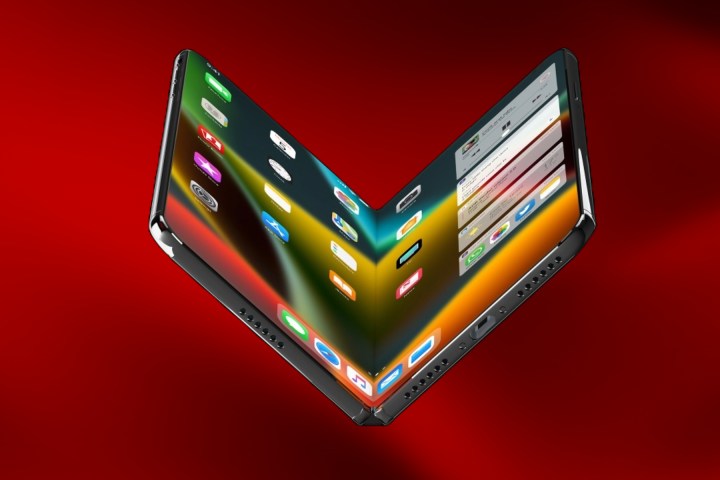
Mark Gurman has reiterated predictions for a potential 2026 launch of the highly anticipated iPhone Fold. In his latest newsletter for Bloomberg, Gurman expressed confidence that this foldable device could be making its debut “next year.”
This forecast aligns with insights shared by respected analyst Jeff Pu, leading to the impression that the iPhone Fold won’t be available for consumers anytime soon. Once it does arrive, it may also carry a staggering price tag of around $2,300, positioning it as the priciest iPhone ever.
Much of the available information about the iPhone Fold remains speculative. Apple has yet to confirm its existence, but Gurman speculates that the device may share similarities with Samsung’s Galaxy Z Fold series. It’s anticipated that it could also incorporate features from the upcoming iPhone 17 Air, another device shrouded in mystery, while utilizing Apple’s C1 modem.
Earlier discussions surrounding the Fold suggested it could feature a high-density battery, potentially offering superior battery life compared to current iPhone models, all while maintaining a remarkably slim profile.
Details on other features remain scarce, but there are whispers that the device might be equipped with a more limited camera system due to its sleek design. However, this hasn’t hindered competitors like Oppo and Honor from delivering impressive photography capabilities in their thin smartphones. Whether the iPhone Fold emerges as a premium flagship or something more mid-range is still uncertain, but anticipation for an official announcement from Apple continues to mount. However, it’s unlikely that we’ll hear anything before Apple’s September iPhone event.
Social media is buzzing with various rumors and design concepts concerning the forthcoming iPhone 17 series. Some well-informed insiders have corroborated these rumors, suggesting a new design is on the horizon. However, there’s another upgrade that may have a more significant impact on users’ daily experiences.
As reported by Bloomberg, the standard iPhone 17 model may finally feature a high refresh rate display, commonly known as ProMotion. “This device is expected to receive some minor upgrades to its rear camera, along with a ProMotion display for enhanced scrolling and animation fluidity,” the report indicates.
In the Android market, high refresh rate displays have become a norm, even for budget smartphones priced around $200, which often offer 90Hz or 120Hz screens. In contrast, Apple requires consumers to spend at least $1,000 to enjoy this feature on an iPhone or iPad.
The “It Didn’t Matter” Argument
Joe Maring / Digital Trends
Apple has faced its share of criticism, particularly regarding display technology. The difference becomes noticeable when moving from a 60Hz to a 90Hz panel, and even more so to 120Hz or higher, such as the 165Hz options found in Asus’s ROG series smartphones.
Some may argue that using a 60Hz display is perfectly satisfactory, especially on an iPhone. Digital Trends’ Mark Jansen shared his experience of reverting to a 60Hz screen on the iPhone 15 and not feeling any significant loss of the higher refresh rate’s benefits.
The same sentiment was echoed with the iPhone 16. Although there is a noticeable increase in smoothness with screen interactions, any random stutters can detract from the experience, particularly with non-Pixel Android devices. Apple, however, excels in optimizing user interface interactions, ensuring that touch responses and animations remain fluid.
Apple’s dual-camera may be outshone by the Pixel 10.Andy Boxall / Digital Trends
That said, a high refresh rate display should not be considered an unnecessary luxury, even on an $800 iPhone. If consumers truly found it inconsequential, Apple wouldn’t reserve ProMotion technology with its 120Hz peak refresh rate for its premium “Pro” models.
There is a real visual enhancement to be gained from these displays. The delay in adopting this technology was likely a strategic decision by Apple, waiting for the cost of 120Hz panels to decrease enough so it wouldn’t impact profit margins. However, in 2025, it seems the tide is turning in Apple’s favor, paving the way for these high-refresh-rate screens to finally make their debut in iPhones.
Home Depot has just announced the addition of four innovative products set to hit its shelves later this year, including a new smart bulb and an impressive smoke alarm developed by Ring and Kidde. One point to note is that these new gadgets will not be compatible with Hubspace, Home Depot’s easy-to-use smart home platform. Nevertheless, there are still exciting prospects to look forward to.
Among the highlights is the partnership between Ring and Kidde. Making its first appearance at CES 2025, the Kidde Smart Smoke & Smart Combo Alarm with Ring Technology will be available exclusively at Home Depot starting this April. These devices boast the ability to detect smoke with up to three times greater precision and 25% faster response times compared to competitors.
Once an issue is identified, users will receive instant alerts through the Ring app. Additionally, the annoyance of low-battery chirping will be eliminated, as the app will notify you when it’s time to change the battery.
EcoSmart
Home Depot also introduced the EcoSmart Universal Select Light Bulb. This versatile bulb is compatible with any wattage fixture, simplifying the process of choosing smart lighting for your home. It provides six different shades of white and can reach brightness levels up to 1250 lumens.
If the realm of smart lighting feels daunting, this would be an ideal starting point. Its launch is anticipated by the end of April.
Makita
In addition to smart home gadgets, BEHR’s Cedar exterior stain color will become available on March 19. Chosen as the 2025 Exterior Stain Color of the Year, it’s an excellent option for decks, fences, and other outdoor surfaces requiring a robust finish.
Later, in June, Home Depot will introduce the Makita MAKTRAK Tool Storage System, designed with a horizontal layout and dual hinges for easy access. This storage option makes transporting your tools convenient and organized — perfect for anyone whose gear is currently scattered around the garage.