
Select Language:
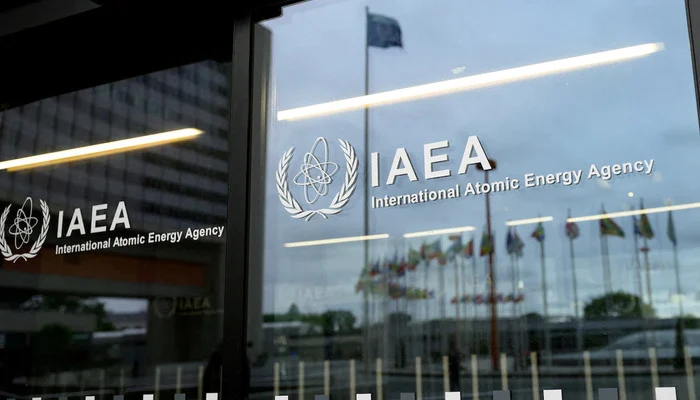
The head of the UN’s nuclear watchdog, Rafael Grossi, urged Iran on Monday to “re-engage” with the agency so inspections can continue at sites targeted by the US and Israel a year ago. The US has also promoted a resolution at the IAEA’s board, pressing Iran to cooperate fully.
Iran has yet to provide any information to the IAEA about what happened at those bombed nuclear sites or the nuclear material stored there, including uranium that was enriched to nearly weapons-grade levels.
Although the bombings caused significant damage to uranium enrichment facilities, much of the highly enriched uranium—some enriched up to 60%, close to the roughly 90% needed for weapons—appears to have survived.
Grossi emphasized the importance of reopening communication channels, stating, “It’s very important that we re-engage.” During the IAEA’s quarterly board meeting, he called on Iran to participate constructively to enable full enforcement of safeguards.
While inspections have taken place at unaffected sites, operations halted in February due to renewed military strikes, leaving only Iran’s Bushehr nuclear power plant under inspection.
“The communication lines are essentially broken,” Grossi said at a press conference after his speech to the board. He noted he has occasional contact with Iran’s foreign minister but highlighted the absence of effective dialogue.
Later Monday, the US, UK, France, and Germany submitted a draft resolution to the board. The draft calls on Iran to provide complete information on its enriched uranium and grant the IAEA unrestricted access for verification, urging immediate compliance.
Many diplomats believe the resolution is likely to pass with a comfortable majority, similar to one passed in November. However, critics warn that such measures could hinder ongoing talks between the US and Iran aimed at extending their ceasefire and paving the way for broader negotiations on Iran’s nuclear program.
Iran’s mission to the IAEA issued a warning on X (formerly Twitter), asserting, “Responsibility for an internationally wrongful act rests with the perpetrator and cannot be transferred to the victim.” Referring to the draft resolution and recent US strikes, Iran argued that the board should not be used to absolve those responsible.
In the past, Iran has often responded to resolutions with increased nuclear activity or reduced cooperation with the IAEA. The statement cautioned, “The board should proceed cautiously. Coercion and confrontation will not foster cooperation and will undermine diplomatic solutions.”
Late Sunday and Monday saw exchanges of military strikes between Israel and Iran. US President Donald Trump called for an immediate halt to the hostilities, stating, “They need to stop shooting right now.”
Regarding recent missile fire from Iran at Israel, Trump told the Financial Times on Sunday, “It won’t impact the Iran deal.”
 ChatGPT
 Perplexity
 Gemini AI
 Grok AI