

Select Language:
Which Region of the United States Tops the Wealth Charts in 2025?
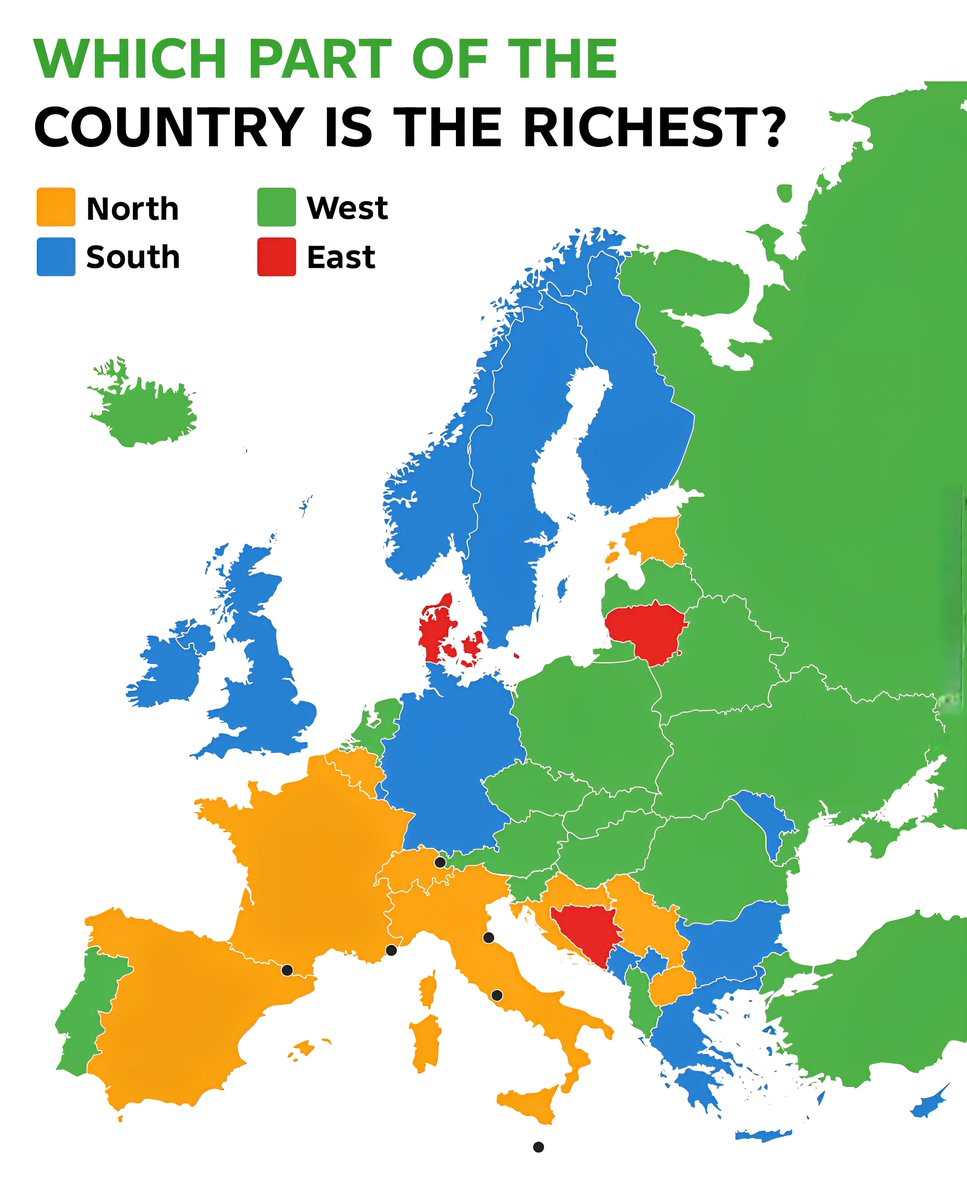
The distribution of wealth across the United States continues to evolve, shaped by economic shifts, industry growth, and demographic changes. In 2025, the landscape remains diverse, with certain regions solidifying their status as economic powerhouses. Let’s take a closer look at which parts of the country are leading the nation in terms of wealth and prosperity.
North: A Center for Tech and Financial Powerhouses
The northern region, comprising states like New York, Illinois, and Michigan, remains a dominant force in the U.S. economy. Wall Street’s influence continues to drive New York City’s status as a global financial hub, fueling the region’s wealth concentrations. The tech sector’s expansion in cities such as Chicago and Boston has also contributed to economic growth, making the North a significant player in the nation’s wealth distribution.
Major investment firms and tech giants headquartered here attract high-net-worth individuals and generate substantial tax revenues, enabling ongoing infrastructure improvements and social programs. This region’s strength lies in its diversified economy—finance, healthcare, technology, and manufacturing—keeping it at the forefront of American prosperity.
South: The Rapidly Rising Economic Powerhouse
The southern United States is experiencing a remarkable economic boom, driven by industries like biotechnology, energy, aerospace, and increasingly, technology startups. States like Texas, Florida, and Georgia are drawing both companies and wealthy residents seeking friendly business climates and lower living costs.
Houston’s thriving energy sector, Atlanta’s booming tech scene, and Miami’s emergence as an international financial hub have propelled the South to new heights. The inflow of corporate headquarters and high-income individuals is significantly boosting regional wealth. Additionally, the south’s agricultural and manufacturing sectors continue to contribute robustly to the economy, reinforcing its position as a major economic force.
West: Innovation and Entertainment as Wealth Catalysts
The Western U.S., led by California and Washington, remains a symbol of innovation and wealth. Silicon Valley continues to be the startup capital of the world, with tech giants like Apple, Google, and Facebook—now Meta—leading the charge. The entertainment industry centered in Los Angeles also nourishes substantial wealth creation, making the West a hub for high earners and luxury markets.
Seattle’s tech giants and the thriving aerospace industry in California’s Central Valley contribute notable economic activity. The West’s focus on cutting-edge innovation, combined with a lifestyle appeal that attracts affluent professionals, preserves its status among the wealthiest regions.
East: The Seat of Culture and Economic Power
The eastern part of the country, including places like Washington D.C., Boston, and parts of Pennsylvania and New Jersey, maintains its position as a hub for wealth, driven largely by government, academia, healthcare, and finance sectors. D.C.’s political influence adds to regional wealth, while Boston’s renowned universities foster a multitude of biotech and finance startups.
The Northeast also hosts a significant number of billionaires owning investments in finance, real estate, and technology. Though the region’s high cost of living is a challenge, its long-standing economic infrastructure continues to support substantial wealth accumulation and capital investment.
In sum, each region boasts unique strengths, but it’s the South that’s garnering the most attention in 2025 for its rapid economic development and rising wealth figures, outpacing traditional powerhouses. However, the North, West, and East still hold significant influence in shaping the country’s economic landscape—each contributing to a dynamic and diverse national economy.
 ChatGPT
 Perplexity
 Gemini AI
 Grok AI