
Select Language:
The Divergence in Japan’s Electrical Frequency System
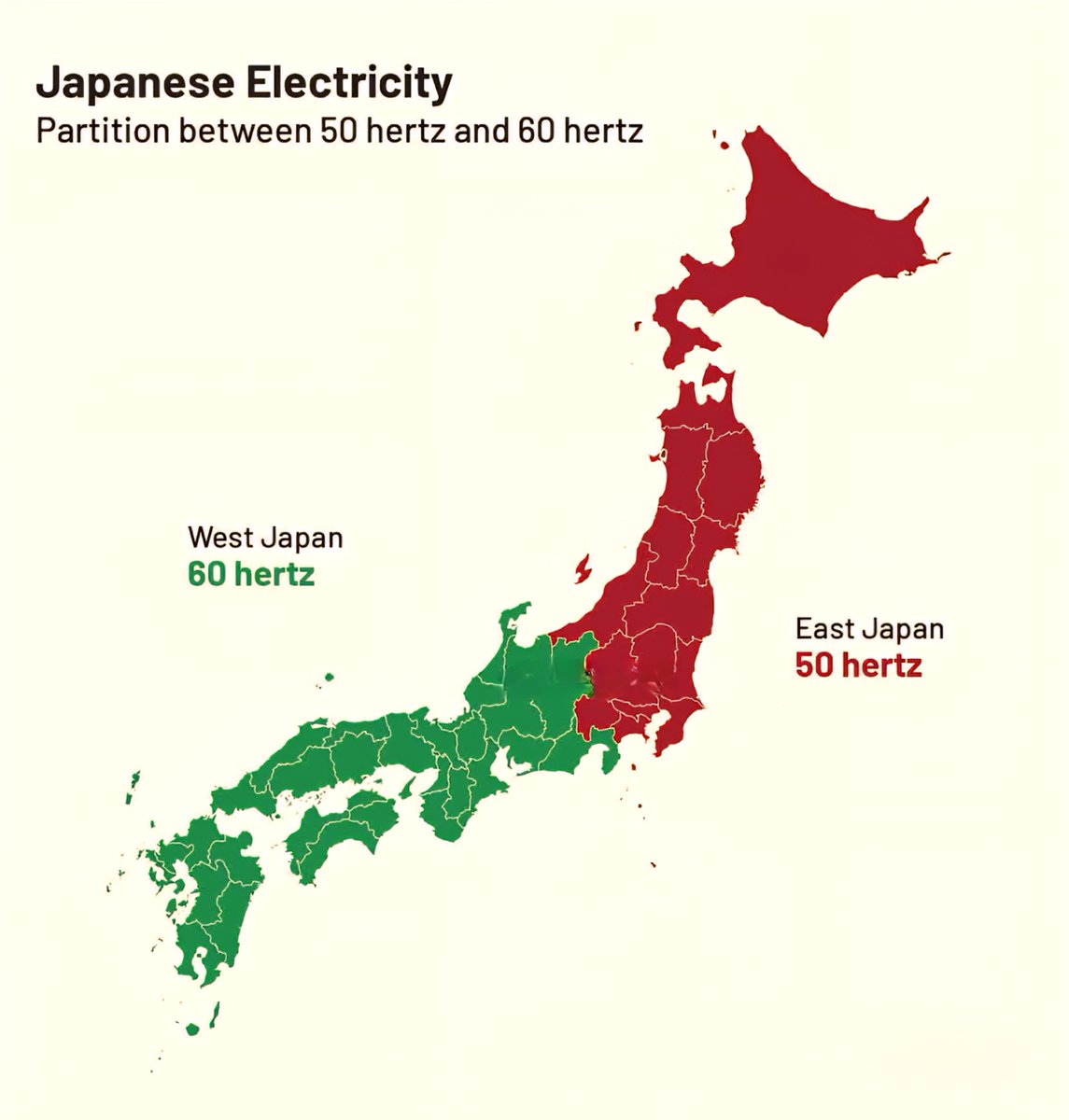
How Japan’s Electrical System Is Currently Divided
One of Japan’s most unique aspects of infrastructure is its split electrical frequency system, which has persisted since the early 20th century. Unlike most countries that operate on a unified 50Hz or 60Hz frequency nationwide, Japan is divided into two distinct zones with different electrical standards. This division influences everything from power generation to manufacturing and has significant implications for energy efficiency and technology development.
1. Japan’s Historically Divergent Frequencies: East vs. West
Japan is geographically sliced along a line roughly running from Tokyo to Nagoya, creating an eastern and western zone. The eastern part of Japan operates on a 50Hz electrical frequency, while the western region runs on 60Hz. This split originated in the 1890s when multiple electrical systems were introduced by different foreign companies—German systems on the east and American systems on the west.
Key Point: The historical roots of this divide are deeply embedded in Japan’s technological development and have continued despite modern advances.
2. Implications for Power Equipment and Infrastructure
The divergence means that electrical appliances and infrastructure must be designed specifically for each region. This includes transformers, generators, and even household appliances, which are often region-specific.
-
Electric Machinery Compatibility: Devices such as clocks, motors, and industrial equipment often require regional adaptations or dual-frequency versions.
-
Energy Transmission Challenges: Moving electricity across the boundary between the two zones requires sophisticated transformers to convert frequencies, complicating the grid and increasing costs.
Key Point: The frequency split complicates grid integration, produces logistical hurdles, and inflates infrastructure costs for both consumers and providers.
3. The Economic and Technological Impact
Since a unified system does not exist, Japan faces several economic and technological challenges:
-
Manufacturing Constraints: Many Japanese manufacturers must produce region-specific electric appliances, raising manufacturing costs and product diversification.
ADVERTISEMENT -
Energy Efficiency: The split hampers the optimization of power grids, leading to potential energy losses and decreased efficiency.
-
Renewable Energy Development: Coordinating renewable resources across the two zones is more complicated, affecting Japan’s push toward sustainable energy sources.
Key Point: The frequency divide acts as a barrier to technological innovation and energy modernization within the country.
4. Efforts Toward Unification
Recognizing these issues, Japan has explored ways to bridge the gap. In recent years, investments in high-capacity, frequency-conversion substations and smart grid technology have increased. Projects aimed at integrating the two zones more seamlessly have yet to fully materialize due to the high costs and complexity involved.
-
Proposed Solutions: National discussions are ongoing about whether to convert the entire grid to a single frequency. This would require massive infrastructure investments and a phased implementation plan.
-
Policy and Planning: The government is also considering policies to better accommodate the existing split while gradually moving toward grid unification.
Key Point: While unification remains a long-term goal, significant technical, political, and economic challenges stand in the way.
5. Future Outlook for Japan’s Power Grid
As global energy demands grow and renewable sources become more prevalent, Japan’s split system presents both challenges and opportunities:
-
Potential Benefits: Unified grid could enhance energy efficiency, reduce costs, and streamline technology development.
-
Current Limitations: The cost of transitioning is high, and the existing infrastructure is highly adapted to the current dual-frequency system.
Looking Ahead: It’s anticipated that Japan will focus on smart grid technologies and advanced frequency converters to manage the current split effectively, balancing development with practical constraints. A complete unification might still be years away, but ongoing projects signal a move toward greater integration.
6. Regional Adaptations and Consumer Impacts
For individuals and commercial consumers, the frequency divide means:
-
Regional Appliance Compatibility: Buyers need to be aware of their region’s frequency when purchasing or using electric devices.
-
Electric Vehicle Charging: EV charging stations and high-power industrial equipment often require specific adaptations depending on the region.
-
Cross-Region Power Supply: Power companies must use complex converter systems to supply electricity across zones, which can impact stability and cost.
Key Point: Consumers and businesses must remain vigilant of regional specifications to avoid equipment damage and ensure efficient power use.
7. Japan’s Unique Electrical Heritage and Its Future
Japan’s split in electrical frequency is a relic of early technological development but remains a significant factor in modern infrastructure planning. While the challenge is immense, technological solutions like high-capacity converters and smart grids offer pathways toward future integration.
Despite the costs and complexities, the country’s continued investment in grid modernization signals a commitment to creating a more unified, efficient energy system that could serve as a model for other nations facing similar legacy issues.
The distinct dual-frequency system in Japan epitomizes a historical quirk that continues to influence the nation’s energy landscape. As Japan strides toward innovation and modernization, balancing legacy infrastructure with future demands remains a critical endeavor.
 ChatGPT
 Perplexity
 Gemini AI
 Grok AI