
Select Language:
Deadliest Land and Sea Hazards in Australia: What Visitors Should Know
Australia is renowned for its stunning landscapes, diverse wildlife, and vast ocean vistas. But beneath its beautiful surface lie some significant dangers that travelers must be aware of. From deadly creatures lurking on land to ominous threats hiding beneath the waves, here’s a detailed breakdown of the most hazardous areas in Australia in 2025.
1. Land-Based Dangers: Hazardous Regions in Australia
Australia’s expansive landmass hosts a variety of dangerous environments. While many areas are perfectly safe, certain regions pose serious risks to unwary travelers.
a) Outback Regions with Venomous Species
The Australian Outback is vast and often remote, making it a haven for some of the world’s deadliest land animals. In places like Central Australia, encounters with venomous snakes such as the inland taipan, which boasts the most potent venom of any snake, are a real concern. The region also harbors venomous spiders like the funnel-web, notorious for their aggressive behavior and lethal bites.
b) Tropical North Queensland and Crocodile-Infested Waters
The northern parts of Queensland are home to saltwater crocodiles, which are known to attack humans without being provoked. The crocodile-infested waters around the Daintree Rainforest and the surrounding coastal areas are especially dangerous. Visitors fishing or swimming in these crocodile zones need to exercise extreme caution.
c) Bushfire Prone Areas
Australia experiences regular and intense Bushfires, particularly during the warmer months. Regions like New South Wales and Victoria are regularly ravaged by wildfires that pose evacuations and fatalities risks. Visitors should always stay updated with local fire alerts and avoid firescapes during peak fire season.
2. Marine Dangers: Coastal and Oceanic Hazards
Australia’s extensive coastline offers world-class beaches and diving spots. However, beneath the pristine waters lurk several dangerous marine creatures and hazards that could turn a fun day at the beach into a life-threatening situation.
a) Venomous Marine Life
Australian waters are home to some of the most venomous creatures known to science. Travelers diving or swimming in areas like the Great Barrier Reef should be mindful of:
- Box Jellyfish: Found mainly off the northern coasts, particularly Queensland, box jellyfish stings can cause heart failure and are often fatal if not treated promptly.
- Blue-ringed Octopus: Small but deadly, these octopuses inhabit tidal pools along the southern coasts and are nearly translucent, making them easy to overlook.
- Stonefish: The most venomous fish in the world, stonefish are camouflaged along coral reefs and rocky seabeds — a single sting can be extremely painful and dangerous.
b) Shark-Infested Waters
Australia is infamous for its shark populations, particularly around beaches in New South Wales, Western Australia, and South Australia. Sharks like the great white, bull shark, and tiger shark are responsible for numerous incidents each year, especially in open water and surf zones. Precautionary measures, including swimming in protected areas and adhering to local advisories, are essential.
c) Oceanic Currents and Rip Tides
Beyond dangerous animals, natural oceanic features contribute to hazards. Rip currents are powerful flows that pull swimmers away from shore and are common along ragged coastlines. Visitors should always heed warning signs and swim only in designated areas monitored by lifeguards.
3. Communities and Regions Where Land and Sea Threats Overlap
Certain regions in Australia combine both terrestrial and marine threats, amplifying the risks for tourists exploring off-the-beaten-path.
a) Northern Queensland Coastal Regions
This region is a hotspot for both marine predators like crocodiles and venomous marine animals, alongside the unpredictable nature of the tropical climate and wildlife. Visitors here should be cautious whether on land or in the water.
b) Northern Territorian Outback and Coastal Interfaces
In the Northern Territory, visitors can encounter land animals such as snakes and saltwater crocs, as well as dangerous marine species along the coast. Precautions should be taken seriously in these ecosystems where land and sea dangers collide.
4. Safety Tips for Travelers
- Always respect local safety signs and guidelines, especially around wildlife and water.
- Avoid swimming in unknown waters or areas identified as crocodile or shark habitats.
- Wear protective gear like sandals in tidal pools to prevent stingray stings.
- Stay alert during bushfire season and heed evacuation orders.
- Learn basic first aid for bites, stings, and other injuries common to Australian hazards.
- Use guide services or join organized tours when venturing into risky environments like the Outback or crocodile-infested waters.
5. Final Word
While Australia remains a breathtaking destination, its lands and oceans host hazards that require respect and caution. Understanding these dangers helps ensure safe exploration of this incredible country. Whether hiking in remote regions or enjoying the beaches, awareness and preparation are key to a memorable and injury-free adventure.
Stay safe and enjoy all that Australia has to offer!
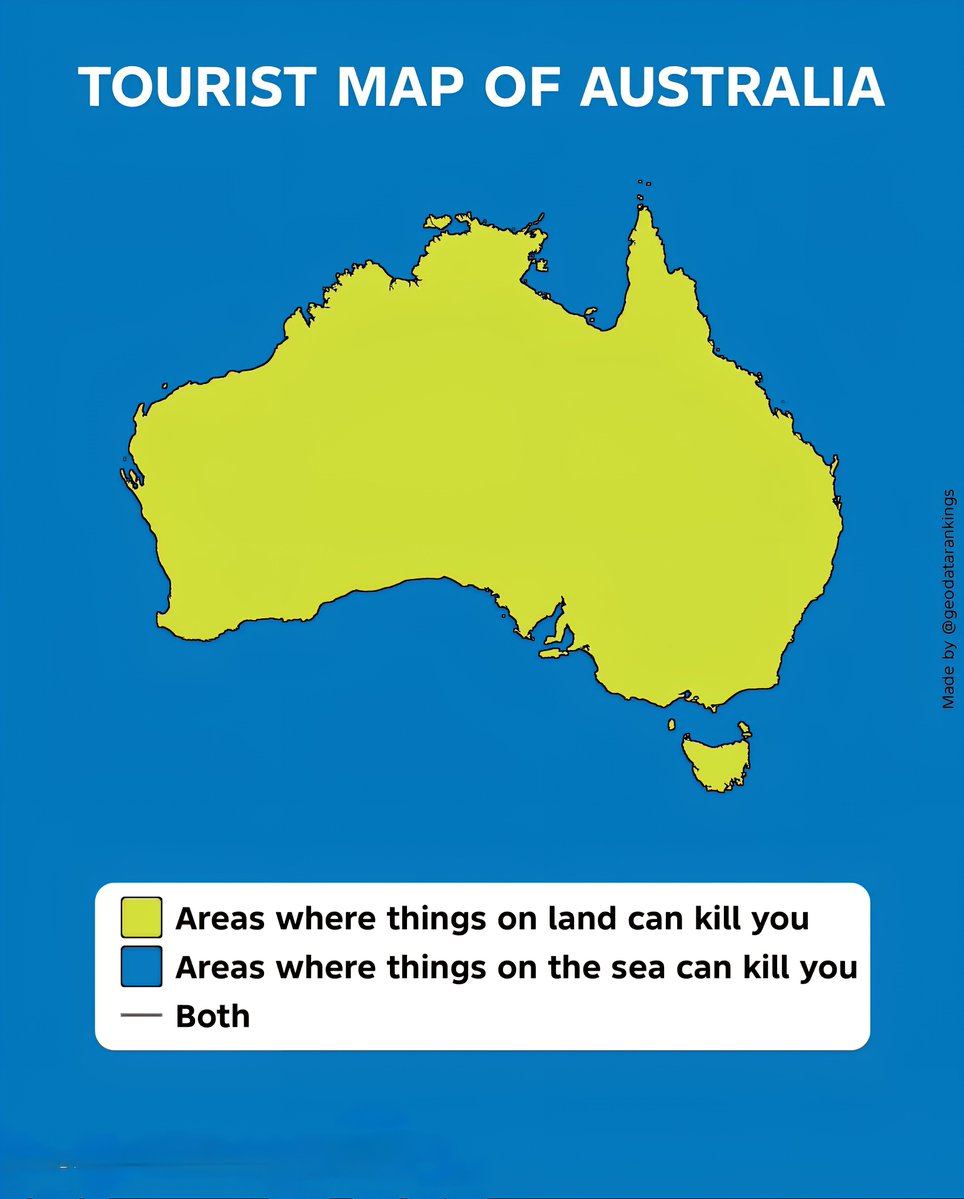
Note: The image above provides an overview of the most hazardous locations across Australia, illustrating the abundance of risks that lie in both land and sea. Travelers should always check updated safety information before heading out on any adventure.
 ChatGPT
 Perplexity
 Gemini AI
 Grok AI