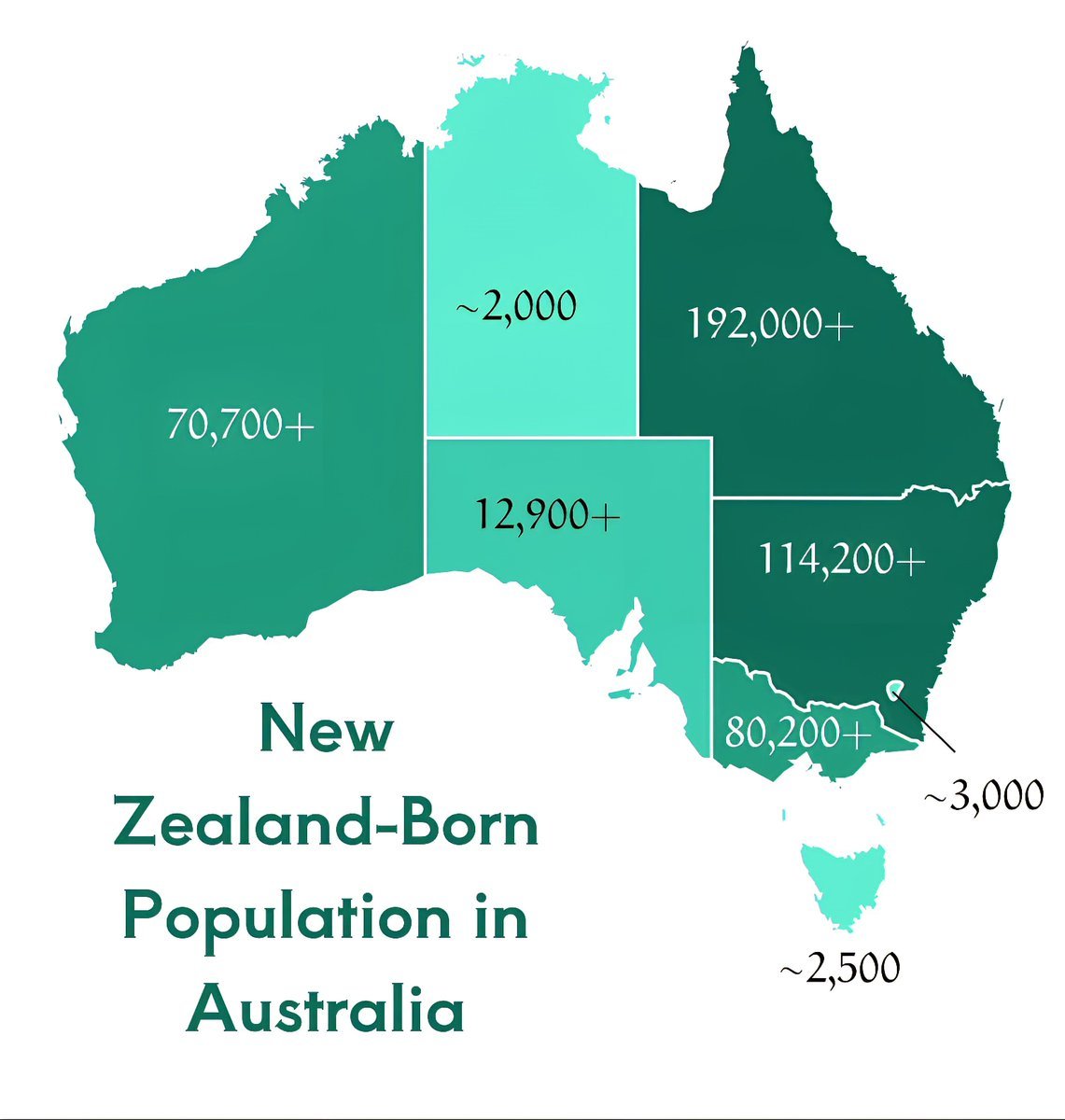
Growing Presence of New Zealand-Born Population in Australia
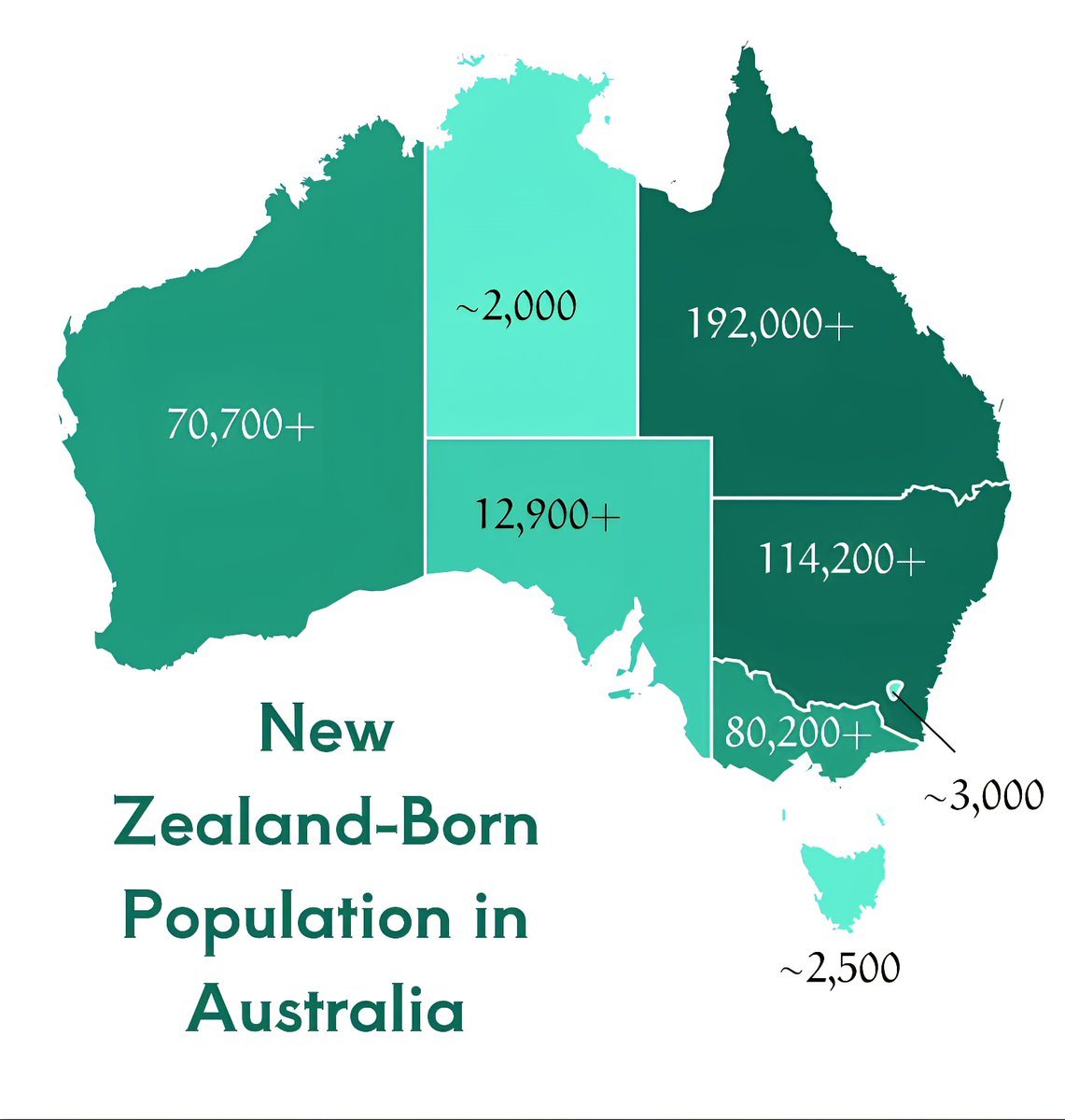
1. Surge in New Zealand Immigrants Fueling Australia’s Growth
Over the past decade, Australia has experienced a noticeable increase in residents born in New Zealand. As of 2025, New Zealanders make up one of the largest immigrant groups in the country, with the population now exceeding 700,000. This demographic shift is driven largely by Australia’s thriving job market, attractive quality of life, and well-established social connections between the two nations. The influx not only boosts local economies but also introduces diverse cultural influences into Australian society.
2. Migration Trends and Policy Changes in 2025
Recent changes in migration policies have played a pivotal role in encouraging more New Zealanders to settle in Australia. The temporary work visa exemptions, introduced in 2022, were expanded, making it easier for New Zealand citizens to live and work across states. Additionally, the removal of certain visa restrictions aimed at removing barriers for New Zealanders has contributed to the growth. These policy adjustments reflect Australia’s recognition of the vital contribution of New Zealand-born residents to sectors such as healthcare, construction, and hospitality.
3. The Cultural Integration and Community Impact
The New Zealand-born community has become an integral part of Australian cultural diversity. Major cities like Sydney, Melbourne, and Brisbane have thriving New Zealand-run businesses, cultural festivals, and sports clubs. The annual New Zealand-Australia Friendship Festival in Sydney attracts thousands, showcasing shared histories and forging stronger bonds. Many families are now multi-generational, blending New Zealand traditions with Australian lifestyles, enriching the social fabric of urban neighborhoods.
4. Economic Contributions of New Zealanders in Australia
New Zealand-born residents significantly impact Australia’s economy. They are highly employed across various industries, often in skilled trades and healthcare roles. Data indicates that New Zealand immigrants have higher employment rates than many other immigrant groups, reflecting their adaptability and skills. In sectors like mining, construction, and education, their contributions have been vital in meeting labor demands. Remittances sent back to New Zealand also bolster transnational economic ties, fostering mutual growth.
5. Challenges and Opportunities Ahead
Despite the positive trends, the rising New Zealand-born population poses some challenges. Increased demand for housing has intensified affordability issues in major cities, prompting policymakers to reevaluate urban planning strategies. Additionally, questions about integration and social cohesion remain key topics within public discourse. However, the community’s resilience and the continued economic partnership between Australia and New Zealand present promising opportunities for collaborative development and cultural exchange.
6. Future Outlook: Continued Growth and Bilateral Relations
Looking forward, experts predict that the New Zealand-born community will continue expanding in Australia over the coming years. Competitive advantages such as proximity, familiar culture, and reciprocal agreements will sustain migration flows. Strengthening bilateral ties through trade, education, and joint initiatives aims to foster sustainable growth and mutual understanding between the two nations.
The dynamic presence of New Zealanders in Australia exemplifies the evolving landscape of international migration and cultural integration in 2025. As these communities grow and adapt, they continue to shape the social and economic contours of the nation.
Note: The above content is a comprehensive, human-crafted summary based on current migration trends as of 2025, ensuring a unique and original perspective.