
Select Language:
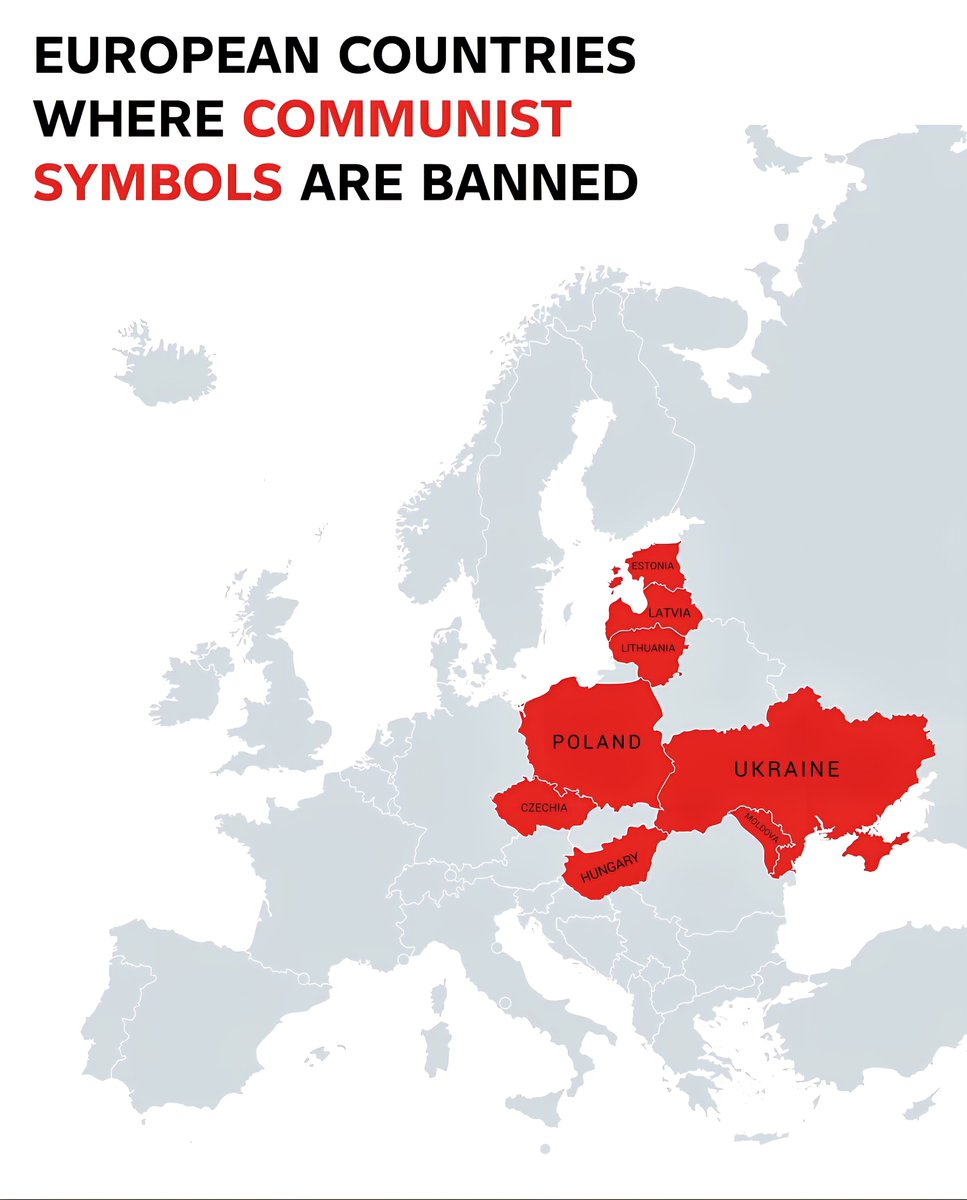
Countries in Europe Now Outlaw Communist Symbols
Czechia 🇨🇿 Takes a Firm Stand Against Communist Iconography
In 2025, Czechia has reinforced legislation banning the display and distribution of communist symbols, including the hammer and sickle, and related imagery. The government emphasizes the importance of confronting historical trauma associated with communist regimes and promoting national reconciliation. This move aligns with ongoing efforts to prevent the resurgence of extremist ideologies rooted in the communist past.
Estonia 🇪🇪 Continues to Enforce Anti-Communist Policies
Estonia maintains strict prohibitions on communist symbols, which dates back to post-Soviet independence in the early 1990s. The government argues that such symbols evoke painful memories of repression and authoritarian rule. Extensive campaigns are also underway to educate younger generations about the history and horrors of communist governance, ensuring these symbols do not find new platforms.
Hungary 🇭🇺 Reinforces Cultural and Political Stance
Although Hungary is known for its nuanced political landscape, it has consistently outlawed communist symbols to safeguard democratic values. The government classifies these symbols as hate symbols or propaganda tools, restricting both public display and distribution. This policy aims at curbing neo-communist revivals and promoting national identity rooted in democratic principles.
Moldova 🇲🇩 Ban on Communist Symbols Sustained
Moldova’s government continues to ban communist imagery amidst ongoing political tensions and debates over Russian influence. The prohibition is part of a broader effort to forge a cohesive national identity and distance the country from Soviet-era baggage. Public spaces and media outlets are monitored for violations, with hefty fines imposed on offenders.
Latvia 🇱🇻 Zealously Upholds Anti-Communist Legislation
Latvia remains vigilant against communist symbols, considering them dangerous remnants of its Soviet past. Authorities regularly conduct raids and inspections to remove such symbols from public displays. Actively promoting memorials and education initiatives about the oppressive history of communism forms a primary part of Latvia’s approach.
Lithuania 🇱🇹 Rocks the Anti-Communist Banner
Lithuania’s government is unwavering in its stance against communism, with laws explicitly criminalizing the display of related symbolism. Many historic sites related to the Soviet occupation have been preserved, serving as solemn reminders of past hardships. The country’s constitution supports these policies, emphasizing remembrance and accountability.
Poland 🇵🇱 Defies the Past with Strict Bans
Poland’s recent legislation bans communist symbols and emphasizes the importance of confronting its communist history. The Law and Justice party advocates for robust measures to prevent neo-communist ideologies from gaining traction. Educational programs in Polish schools highlight the atrocities committed under communist regimes, fostering a historical consciousness among youth.
Ukraine 🇺🇦 Continues Fight Against Communist Iconography
Ukraine, especially following recent conflicts, is resolute in prohibiting communist symbols, including Soviet flags and statues. Lawmakers view these symbols as tools of aggression and oppression that undermine national sovereignty. The ongoing decommunization process aims at breaking ties with Russia-backed Soviet history and strengthening Ukraine’s independence narrative.
The ongoing wave of bans across these European countries underscores a collective effort to confront, memorialize, and prevent the resurgence of the communist ideology and its symbols. From strict legislation to public awareness campaigns, each nation is shaping its unique approach to dealing with its historical relationship with communism, emphasizing remembrance and the safeguarding of democratic values.
 ChatGPT
 Perplexity
 Gemini AI
 Grok AI