
Select Language:
7 Key Insights About the Mysterious New Country You Need to Know
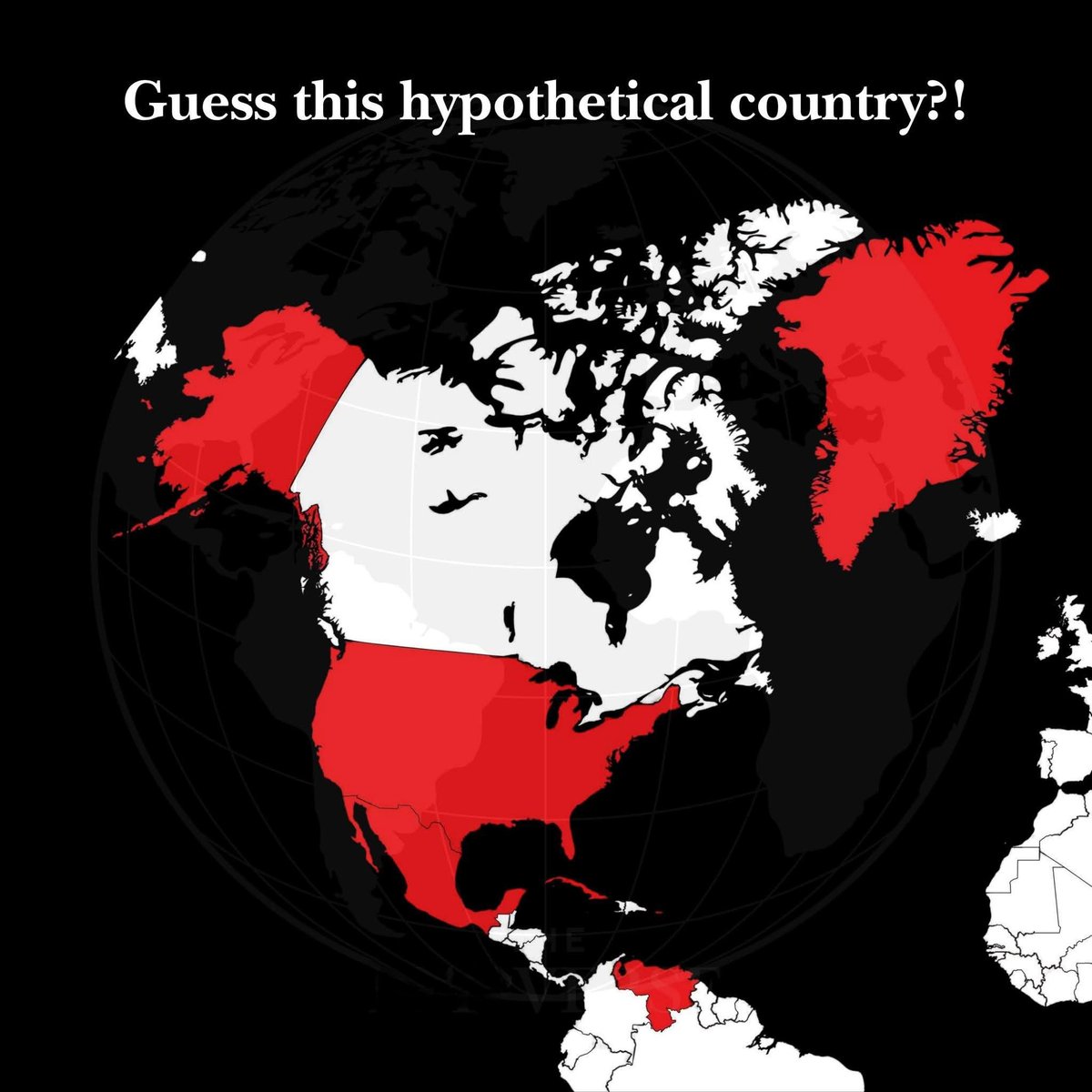
In 2025, an entirely new nation has popped up on the global map—sparking intrigue, speculation, and fascination worldwide. Its origins, political landscape, culture, and future prospects remain cloaked in mystery, leaving experts and citizens alike eager to uncover its secrets. Here’s what we currently understand about this groundbreaking development.
1. An Unprecedented Formation Amid Global Changes
This newly formed country emerged unexpectedly in late 2024, right when geopolitical tensions and economic shifts reached an all-time high. Unlike typical independence movements, this country was established through a complex coalition of local leaders and foreign diplomats, making it an unprecedented diplomatic milestone. The formation challenges traditional notions of sovereignty, prompting international legal debates on recognition and legitimacy.
2. Location Shrouded in Mystery
While some claim it is situated in a densely populated urban corridor, others believe it’s nestled in a remote island chain or a geographically strategic territory. Due to limited official maps and restricted access, details about its precise borders and geographic features remain elusive. Satellite images show some infrastructure development, but definitive confirmation awaits further investigation.
3. Citizens and Cultural Identity
Early reports suggest a diverse population, comprising expatriates, local communities, and international migrants. The country seems to be making waves with its unique cultural identity, blending elements from multiple traditions, languages, and cuisines. It’s still unclear whether the nation will adopt a unified official language or embrace multiculturalism as a core value.
4. Political System and Governance
Unlike well-known democracies or authoritarian regimes, this country appears to be experimenting with a hybrid political model. Some sources point to a decentralized governance structure that emphasizes community participation and digital democracy. No official constitution has been released yet, but government officials have indicated plans to promote transparency and citizen involvement.
5. Economic Outlook and Resources
Despite its nascent stage, the country appears to be rich in natural resources, including minerals, agricultural land, and potential tech hubs. Reports suggest a focus on sustainable development and technological innovation. Early economic policies indicate openness to foreign investment, aiming to become a regional hub for trade, tourism, and innovation.
6. Diplomatic Recognition and International Relations
While some nations have officially acknowledged its sovereignty, many remain cautious. The United Nations has yet to formally recognize the nation, citing procedural and legal issues. However, bilateral relations are opening up, with tentative agreements on trade, security, and cultural exchanges. The country’s ability to gain wider recognition could significantly influence its stability and growth.
7. Speculations and Future Prospects
As the country continues to develop, experts are watching its progress closely. Will it withstand geopolitical pressures? Can it establish a stable functional government? Many speculate that it could serve as a model for future self-determination movements or become a cautionary tale about the volatile nature of modern geopolitics.
The unfolding story of this new nation exemplifies the dynamic shifts reshaping our world. Its journey from creation to potential recognition will undoubtedly be a pivotal story to follow in the coming years.
Note: The image included is a current visual representation of this new nation—an emerging symbol of change and possibility on the global stage.
 ChatGPT
 Perplexity
 Gemini AI
 Grok AI