

Select Language:
Safe Tap Water Around the World 💧
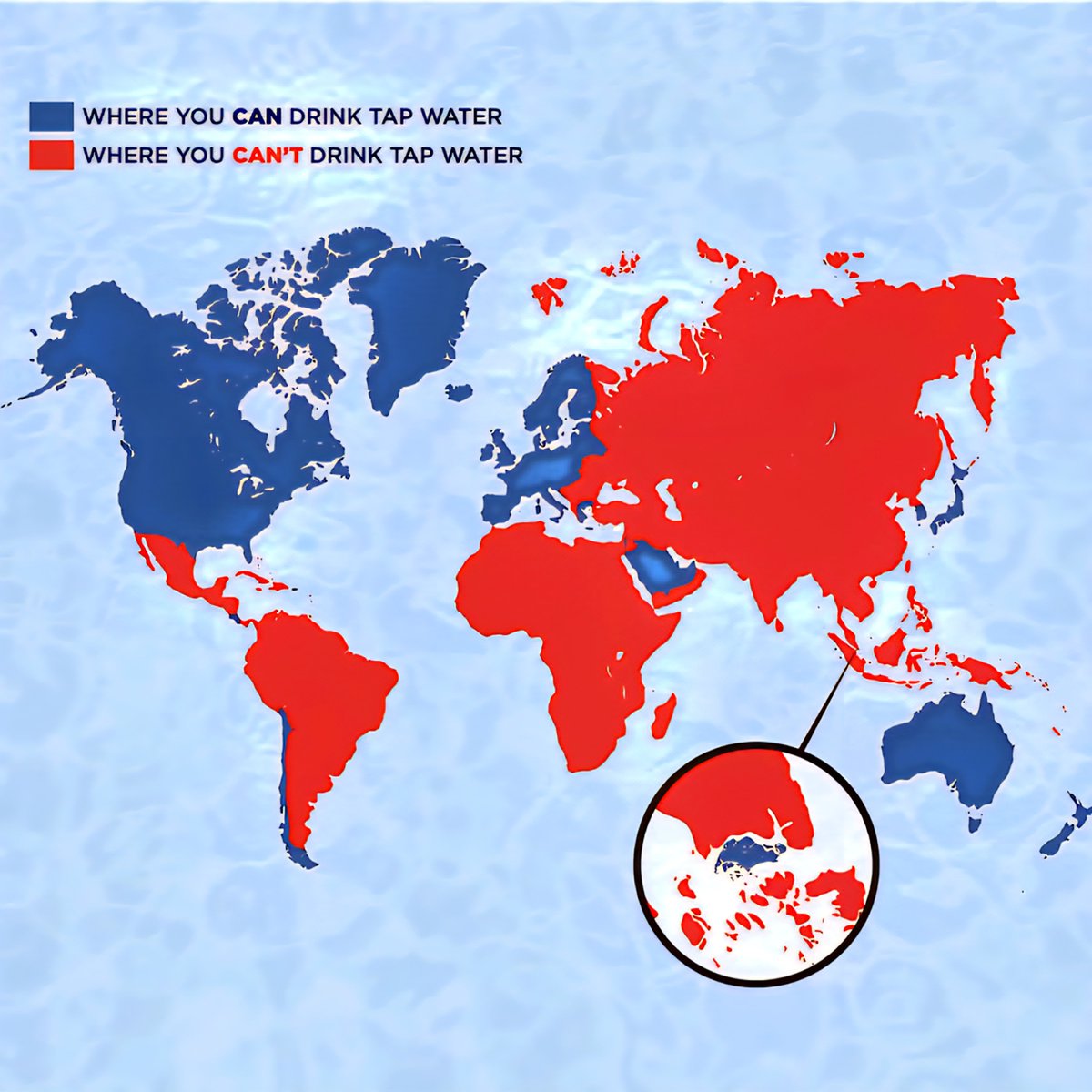
1. Countries with Consistently Safe Tap Water for Residents
Many countries across the globe have successfully ensured that their residents have access to safe and clean tap water. Places like Canada, much of Western Europe, Australia, and parts of Japan have rigorous water treatment standards. These nations regularly monitor their water supplies, applying advanced filtration and purification processes to guarantee safety before tap water reaches homes and businesses. Residents in these regions enjoy reliable access to potable water that meets international safety standards, reducing dependence on bottled water and decreasing plastic waste.
2. Regions with Unreliable or Unsafe Tap Water Supplies
In stark contrast, several countries and regions continue to face challenges with their tap water safety. In parts of Sub-Saharan Africa, South Asia, and some Southeast Asian countries, infrastructure limitations, contamination, and inadequate regulatory oversight mean that residents often cannot safely drink their tap water. These areas grapple with issues such as microbial contamination, industrial pollutants, or heavy metals, making bottled water or boiling necessary for safe consumption. Efforts are underway in many of these regions to upgrade water treatment plants, but progress remains uneven.
3. Impact of Urbanization and Industrial Growth
Urban centers experiencing rapid growth often encounter the challenge of maintaining clean water supplies. Industrialization can lead to increased pollutants infiltrating water sources, and aging infrastructure can result in leaks, contamination, and unsafe drinking water. Cities like Mumbai, Lagos, and Jakarta often struggle with water safety issues due to a combination of these factors. Local governments are increasingly investing in modernizing pipelines and adopting new technologies to improve tap water quality, but disparities remain high.
4. The Role of Water Quality Testing and Monitoring
In countries with reliable tap water, stringent testing protocols are in place. Regular sampling for bacteria, viruses, heavy metals, and chemical pollutants ensures that water quality remains high. Advanced molecular biology techniques and continuous monitoring stations help authorities identify emerging threats and address them promptly. Consumers in these countries often have access to real-time data on water safety through municipal websites or mobile apps, empowering them to make informed decisions.
5. Innovative Solutions Bringing Safe Tap Water to Remote Areas
Technology has been a game-changer in extending safe drinking water access to remote and underserved communities. Solar-powered water purification systems, community-scale filtration units, and portable treatment devices are being deployed worldwide. For instance, in rural parts of South America and Africa, these solutions have dramatically improved health outcomes by reducing waterborne diseases. Non-governmental organizations and tech startups are collaborating with governments to scale these innovations and reach the unconnected.
6. The Future of Tap Water Safety: Trends to Watch
Looking ahead, the global focus on climate change, pollution control, and infrastructure development is expected to enhance tap water safety standards. Countries are investing in smart water systems that utilize AI and IoT technology for predictive maintenance and real-time monitoring. Additionally, stricter regulations and international cooperation are helping emerging economies leapfrog outdated systems, aiming for universal access to clean tap water by 2030.
7. Personal Precautions and Community Engagement
While technological advancements improve water safety standards, individual vigilance remains essential. Residents should stay informed about local water quality reports and advocate for transparency from local utilities. Simple practices such as boiling water or using certified filters can prevent health issues until tap water safety is confirmed. Community involvement in monitoring and maintaining water systems fosters a sense of shared responsibility and ensures that progress benefits all.
8. The Environmental Influence on Tap Water Quality
Environmental factors greatly impact water safety. Droughts, flooding, and pollution from agriculture or industry can compromise water sources. Climate change is expected to exacerbate these issues, placing additional pressure on existing infrastructure. Sustainable practices and increased investment in resilient water systems are necessary to adapt to these stressors and safeguard the quality of tap water for future generations.
With ongoing advancements and global cooperation, more regions are on track to provide their populations with access to safe tap water. While challenges remain, the collective effort to improve water infrastructure and quality monitoring holds promise for a future where clean, safe tap water is universally accessible.
 ChatGPT
 Perplexity
 Gemini AI
 Grok AI