
Select Language:
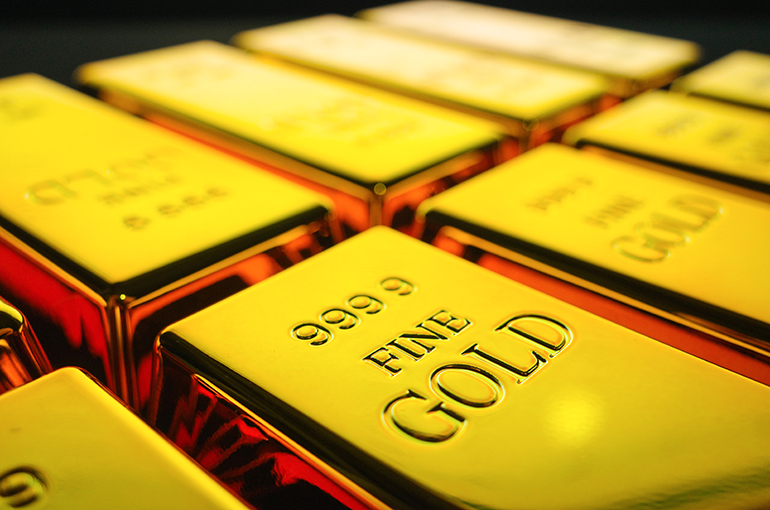
London spot gold closed nearly 30% below its all-time high of $5,598 per ounce, reached at the beginning of the year, marking the end of the first half of 2023. Analysts are evenly split on the metal’s future, with some predicting prices will stay within a broad range during the second half, while others foresee a modest rebound.
Yesterday, gold prices fell 1.8%, closing at approximately $4,017 per ounce, with a brief dip below $3,950 per ounce—the first time since early November 2022. From an investment flow perspective, recent declines reflect a clear divergence in investor behavior.
Short-term investors have been reducing their gold holdings. Data from the World Gold Council shows global physically-backed gold ETFs experienced net outflows of around $2 billion in May. Overall ETF assets declined 2% from the previous month to $604 billion, and total gold holdings decreased slightly by 0.4% to 4,121 tons.
Conversely, long-term demand, especially from central banks, continues to lend support to gold prices. A recent survey indicated that 45% of the 74 central banks polled plan to increase their gold reserves over the next 12 months—the highest percentage since the survey began. Additionally, 89% of reserve managers anticipate a global rise in central bank gold holdings over the upcoming year.
The recent dip below $4,000 per ounce resulted from multiple adverse factors, including shifts in petro-dollar narratives, a reversal in Federal Reserve interest rate expectations, ongoing ETF outflows, and a decline in gold’s status as a safe haven, noted Wang Weimang, an investment manager at Zhonghui Futures. These developments suggest a structural change in the market’s underlying dynamics.
Looking forward, China International Capital Corporation remains optimistic about gold’s prospects. The firm’s research suggests that, as geopolitical tensions and inflation pressures ease in the second half, further interest rate hikes by the Fed are unlikely. Instead, the timing and scale of rate cuts may surpass market expectations, boosting dollar liquidity and supporting assets like gold and equities.
However, major financial institutions are divided on gold’s outlook. Goldman Sachs, JPMorgan Chase, Citigroup, and Morgan Stanley have all lowered their average price forecasts for 2023. Conversely, other firms remain bullish; for instance, the Bank of Montreal, in its third-quarter commodities outlook, cut its second-half forecast by 5% to $4,625 per ounce but still expects gold to surpass $5,000 per ounce in the first quarter of 2027.
Recent Federal Reserve communications prompted significant adjustments in market positioning. While near-term volatility is expected, gold is likely to benefit from ongoing de-dollarization trends. As macroeconomic uncertainties settle, the sector could regain momentum.
For the third quarter, investors are advised to closely watch US economic indicators and Federal Reserve policies. According to Wang Xiang of Bosera Funds, the market’s expectations for further substantial rate hikes this year appear overly pessimistic. Current liquidity signals suggest room for a medium-term rebound in gold prices. Overall, gold prices are expected to continue fluctuating significantly in the coming months.
 ChatGPT
 Perplexity
 Gemini AI
 Grok AI