
Select Language:
2025’s Top 25 Countries with the Shortest Lifespans
Nigeria’s Lifetime Expectancy Drops Below 55 Years
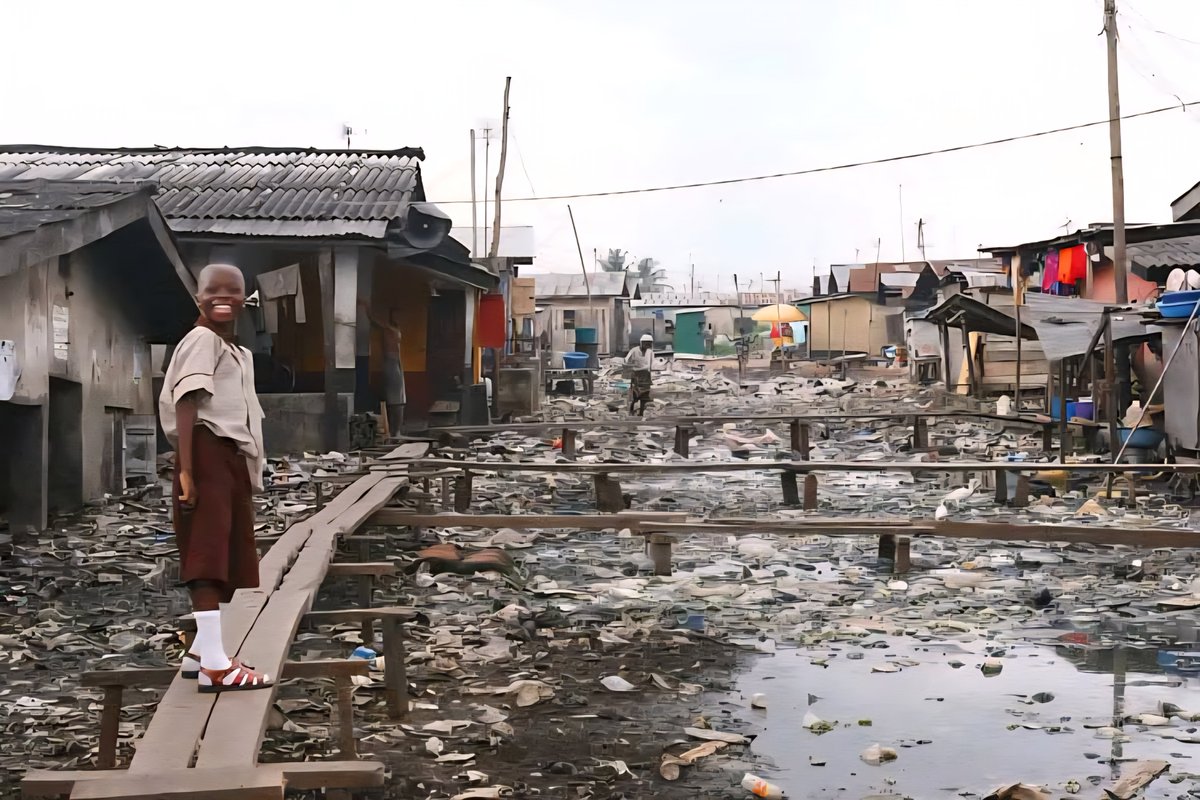
Nigeria continues to face significant health challenges, with an average life expectancy of just 54.6 years. Men in Nigeria typically live slightly shorter lives at 54.3 years, compared to women, who live up to 54.9 years. Factors such as limited healthcare access, high rates of infectious diseases, and economic instability contribute heavily to this low figure. The country’s ongoing struggles with malnutrition and inadequate infrastructure further compound these challenges.
Chad Ranks Second, with a Life Expectancy Just Over 55 Years
South of Nigeria, Chad’s residents have an even shorter average lifespan of 55.2 years. Men live around 53.4 years, with women slightly outliving them at 57.2 years. Persistent issues like conflicts, poor health systems, and widespread poverty continue to weigh heavily on the nation’s longevity prospects.
South Sudan’s Survival Rate
South Sudan ranks third for the shortest lifespan, with an overall expectancy of 57.7 years. Male life expectancy is around 54.8 years, while women’s longevity reaches approximately 60.8 years. Ongoing civil conflicts and limited access to healthcare remain significant barriers to improving these numbers.
Central African Republic and Lesotho Close Behind
Both the Central African Republic and Lesotho hover just under an average lifespan of 58 years. The Central African Republic has an overall expectancy of 57.7 years, with females living significantly longer (59.6 years) than males (55.5 years). Lesotho’s overall expectancy is 57.8 years, with women living approximately 4.9 years longer than men on average.
Somalia and Mali: Struggling Horn and Sahel Countries
Somalia’s residents can expect to live about 59 years, with females (61.5 years) outliving males (56.5 years). Mali follows at 60.7 years overall, with women living longer at 62.1 years compared to 59.3 years for men. Ongoing conflicts and food insecurity are primary reasons behind these numbers.
Countries with Slightly Higher but Still Low Life Expectancies
Guinea (60.9 years), Benin (61.0 years), and Burkina Faso (61.3 years) are among the nations with the lowest longevity in Africa. Life expectancy disparities between genders are evident but generally remain narrow in these countries.
West Africa’s Notable Figures
Niger and Sierra Leone both have life expectancies just above 61 years—Niger’s overall expectancy is 61.4 years, with women reaching 62.4. Sierra Leone’s residents expect to live around 62 years, with females living longer at 63.7 years.
Central African and Congolese Figures
Côte d’Ivoire and the Democratic Republic of Congo both have an overall life expectancy of about 62.1 years, with women predominantly living longer than men. These numbers highlight ongoing health challenges despite relative improvements.
Liberia and Nauru: The Leap in Expectancy
While Liberia’s overall life expectancy is 62.3 years, Nauru—an island nation—also shares the same figure, with women generally outliving men in these countries. Nauru’s expectancy surpasses its Pacific neighbors thanks to better health infrastructure.
The Middle of the List: Togo, Zimbabwe, and Kenya
Togo’s residents can expect to live approximately 62.9 years, with an almost equal split between men and women. Zimbabwe (63.1 years) and Kenya (63.8 years) follow closely, showcasing slight improvements over previous years.
Madagascar, Burundi, and Mozambique: Progress Amid Challenges
Madagascar and Burundi both report an average lifespan of around 63.8 years. Mozambique’s life expectancy is slightly higher at 63.8 years, with women’s longevity notably surpassing that of men in each case.
Oceania and Central Africa: Equatorial Guinea, Cameroon, and Guinea-Bissau
Countries like Equatorial Guinea (63.9 years), Cameroon (64.0 years), and Guinea-Bissau (64.3 years) round out the list. Female residents tend to live longer, highlighting persistent gender disparities across these regions.
These statistics underscore a stark reality: many nations are still grappling with healthcare crises, poverty, and conflict that keep life expectancy depressingly low. Addressing these issues requires coordinated efforts worldwide, especially targeted health initiatives, infrastructure development, and peace-building measures to save lives and lift these countries’ average lifespans.
Source: UN World Population Prospects 2025.
 ChatGPT
 Perplexity
 Gemini AI
 Grok AI