Key Insights into the Economic Powerhouses of the Red Countries
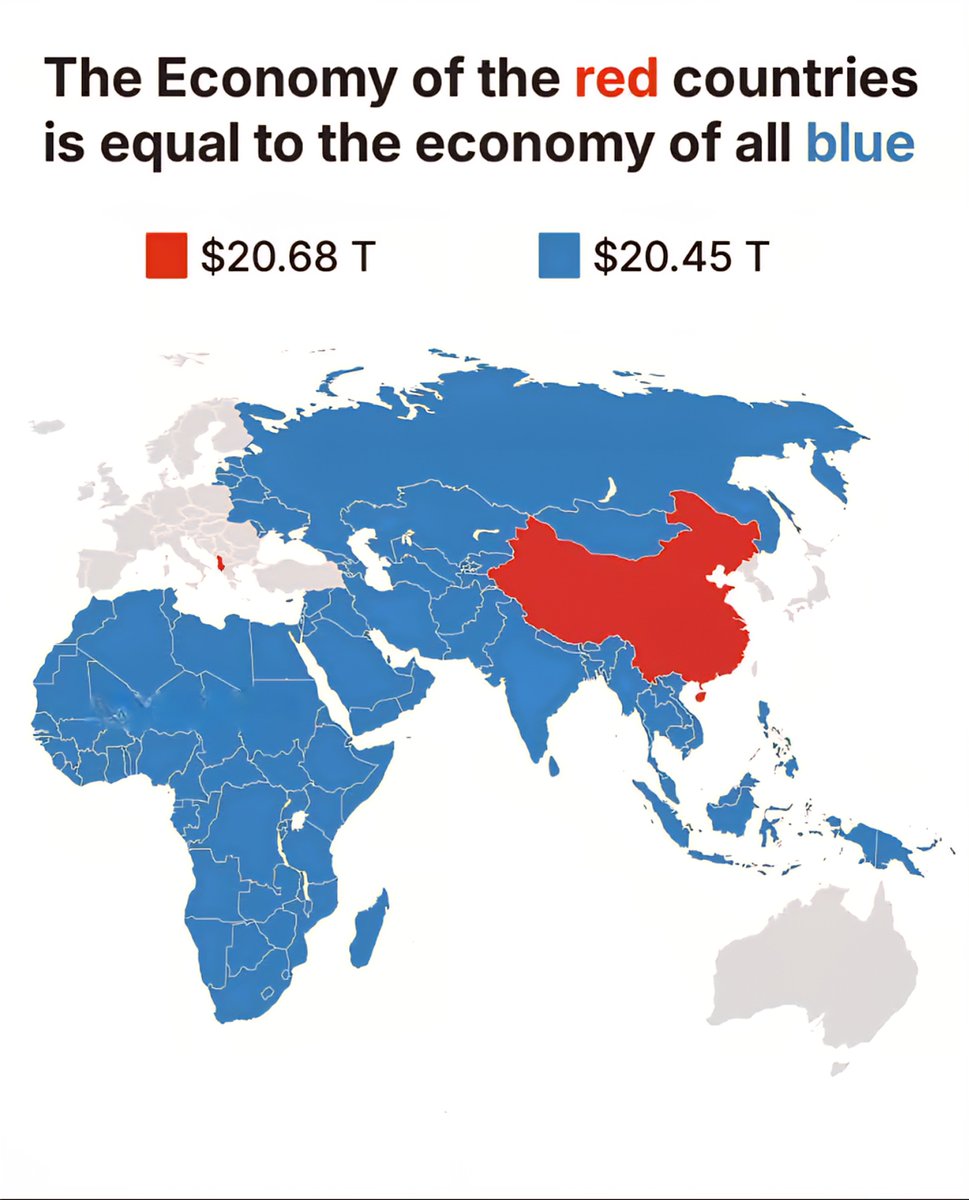
1. The Surprising Parity Between Red and Blue Countries’ Economies
In 2025, recent economic analyses have revealed a striking fact: the combined economic output of the Red Countries equals that of all the Blue Countries combined. This development surprises many experts, given the historical dominance of Blue countries in global finance and technology sectors. The Red countries, often grouped under countries with emerging markets, have experienced rapid growth fueled by industrial expansion, resource development, and strategic investments in technology. This historical shift underscores the rapidly changing landscape of global economic power dynamics, emphasizing the importance of adaptation and innovation.
2. Red Countries’ Rapid Growth: A Closer Look
Red Countries, such as Brazil, Russia, India, China, and South Africa — collectively known as BRICS — have significantly increased their global economic standpoints. Their GDP has surged over the past five years, driven by infrastructural investments and technological innovations. Major initiatives aimed at reducing dependency on Western markets, such as regional trade partnerships and local industry boosts, have been instrumental in this rise.
Interestingly, China and India stand out as the primary drivers behind this economic swell. China continues to dominate manufacturing and export sectors, while India’s digital economy and service industries have gained considerable momentum. Meanwhile, resource-rich nations like Russia, Brazil, and South Africa have leveraged their natural assets, diversifying their economies and attracting foreign direct investment.
3. Blue Countries Are Still Major Players, but Facing Challenges
While the Blue Countries—comprising North American, Western European, and certain Oceanic nations—remain vital in the global economy, recent data shows their combined economic output has plateaued compared to the exponential growth of Red Countries. Countries like the United States, Germany, and Japan still possess massive technological infrastructures and financial systems, but they face internal challenges including aging populations, inflationary pressures, and slower growth rates.
This stagnation has prompted these nations to reevaluate their economic strategies, fostering innovation hubs, investing in sustainable development, and forming new international alliances to preserve their influence. Nevertheless, the balance of economic power has shifted, becoming more multipolar in recent years.
4. Investment Trends and Future Outlook
The growth of the Red Countries has been further supported by increased foreign investment and domestic policy reforms. Countries like India have implemented reforms to attract global investors, streamline business procedures, and improve infrastructure. Similarly, China’s Belt and Road Initiative continues to expand connectivity across Asia, Africa, and Europe, paving the way for sustained growth in the Red bloc.
Looking ahead, experts anticipate this upward trend will continue, with Red Countries gradually closing the gap on their Western counterparts. This shift could lead to a more balanced global economic structure, fostering opportunities for collaboration and development among all nations.
5. Economic Implications for Global Politics and Trade
The equilibrium between Red and Blue countries’ economies will inevitably influence global politics. With more economic power concentrated among emerging markets, there is likely to be an adjusted geopolitical landscape. Diplomatic strategies might shift toward multilateral partnerships that emphasize economic cooperation, regional stability, and sustainable development.
Trade policies are also expected to evolve as Red Countries seek to diversify their markets and reduce reliance on traditional Western trade partners. This diversification could lead to new trade alliances and a reduction in global economic dependency, fostering resilience against potential downturns in any single region.
Conclusion
The 2025 snapshot of the world economy reveals a remarkable shift: the combined economic influence of the Red Countries now matches that of all Blue Countries. While challenges remain, especially for traditional economic giants, the unprecedented growth of developing nations signifies a new era of global economic cooperation and competition. As this balance continues to evolve, nations around the world will need to adapt their strategies to thrive in an increasingly multipolar economic order.